Other
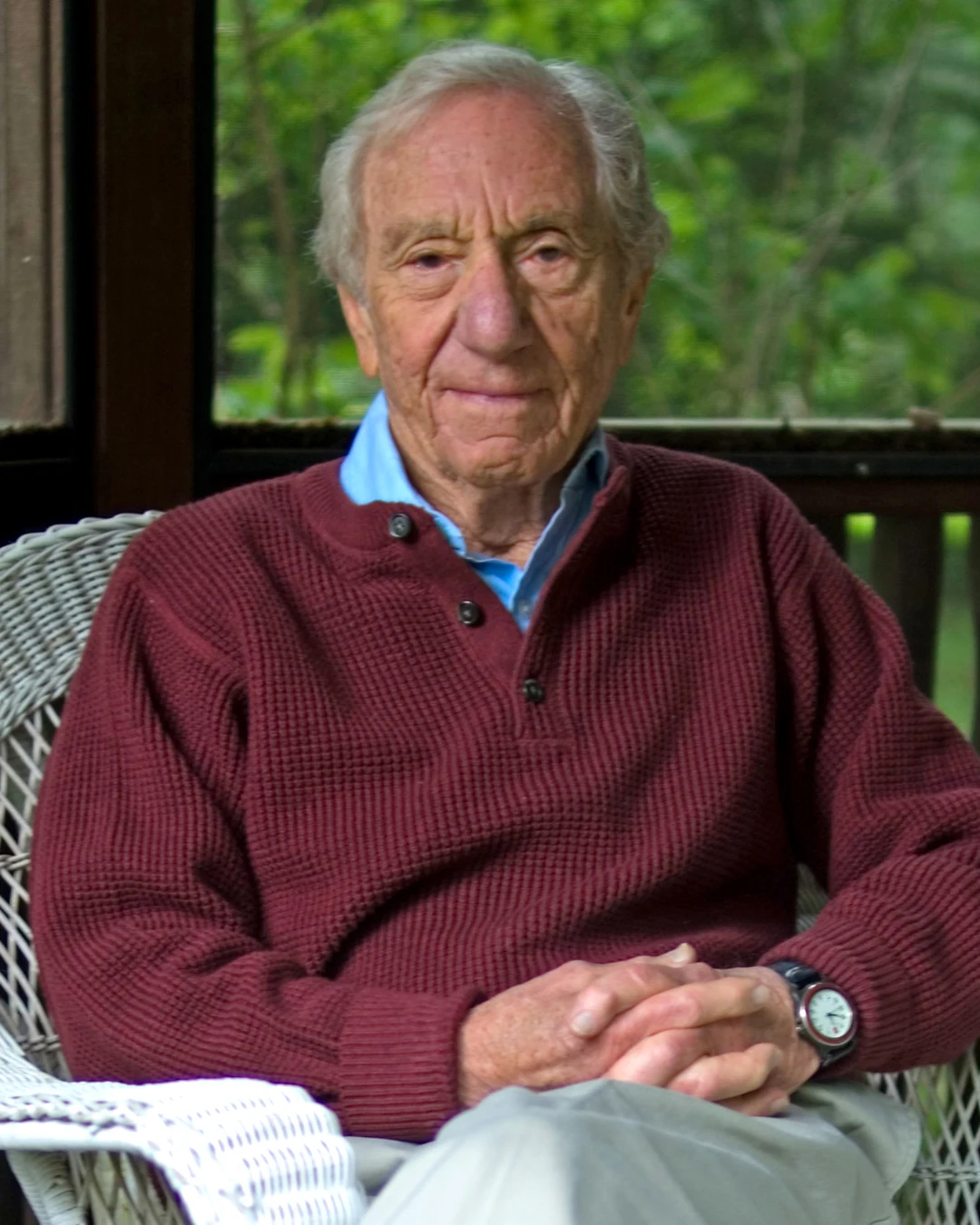
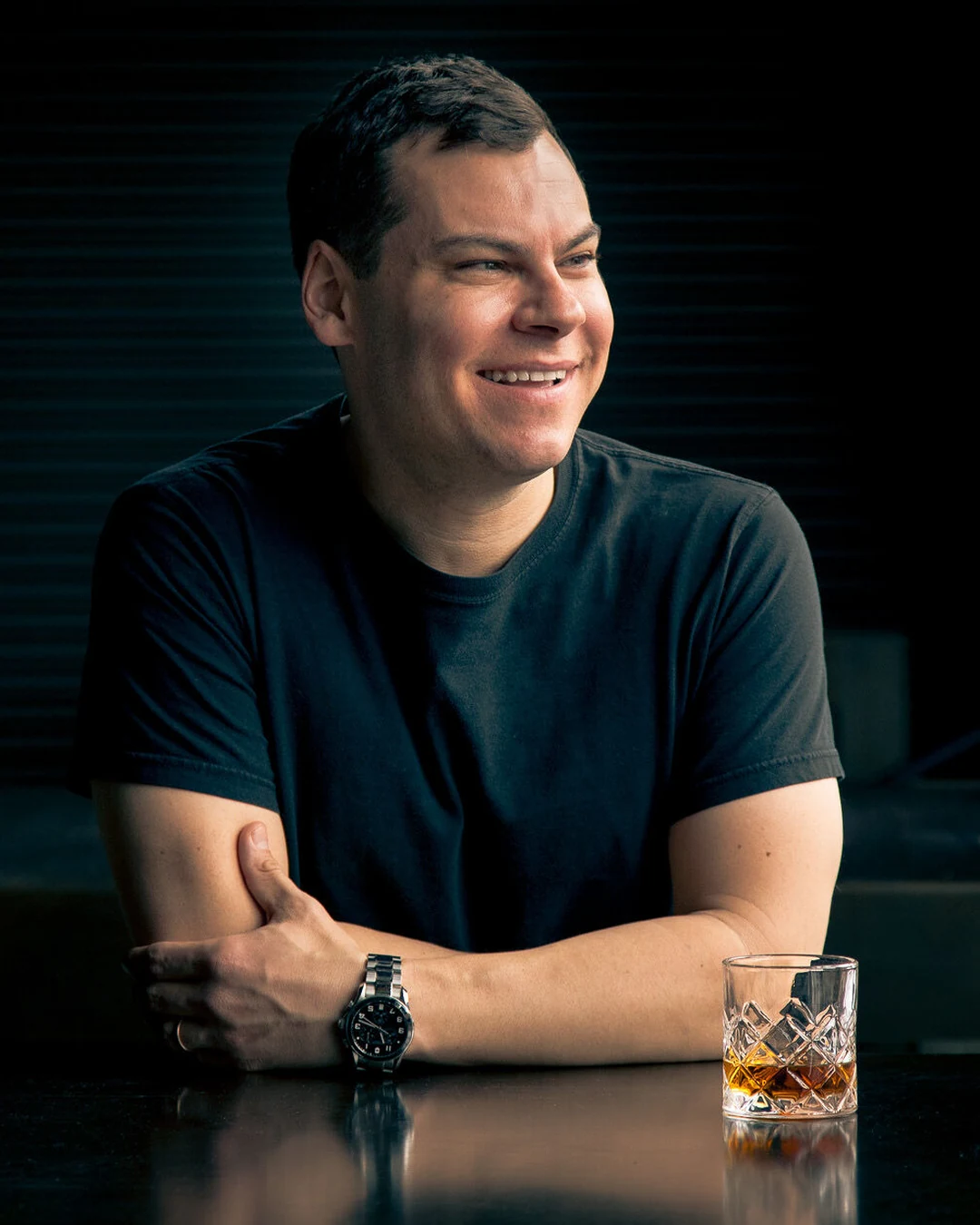
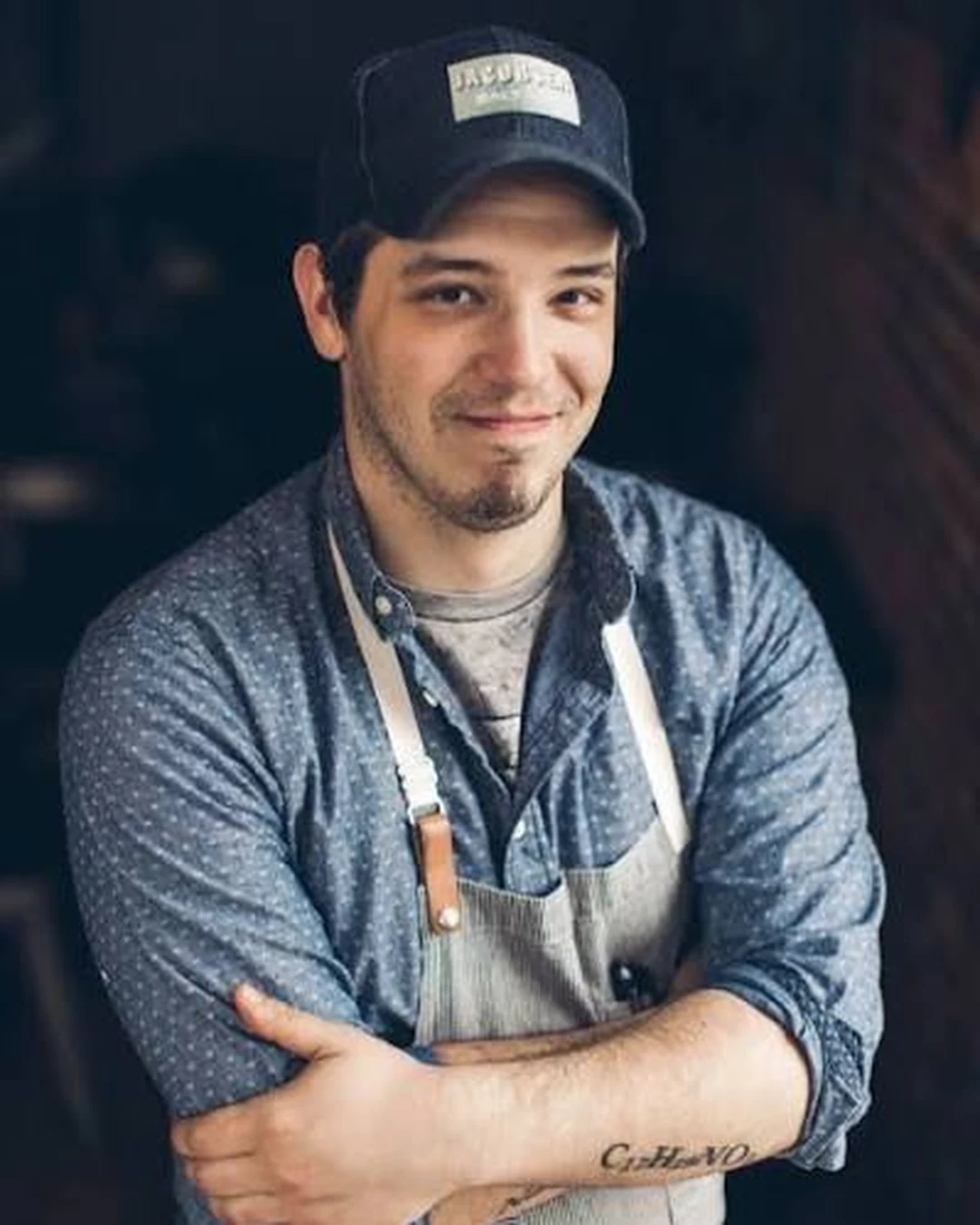
Nicolas Robert; Antoine Robert
Winemaker
- Discipline
- Other
i. Biography
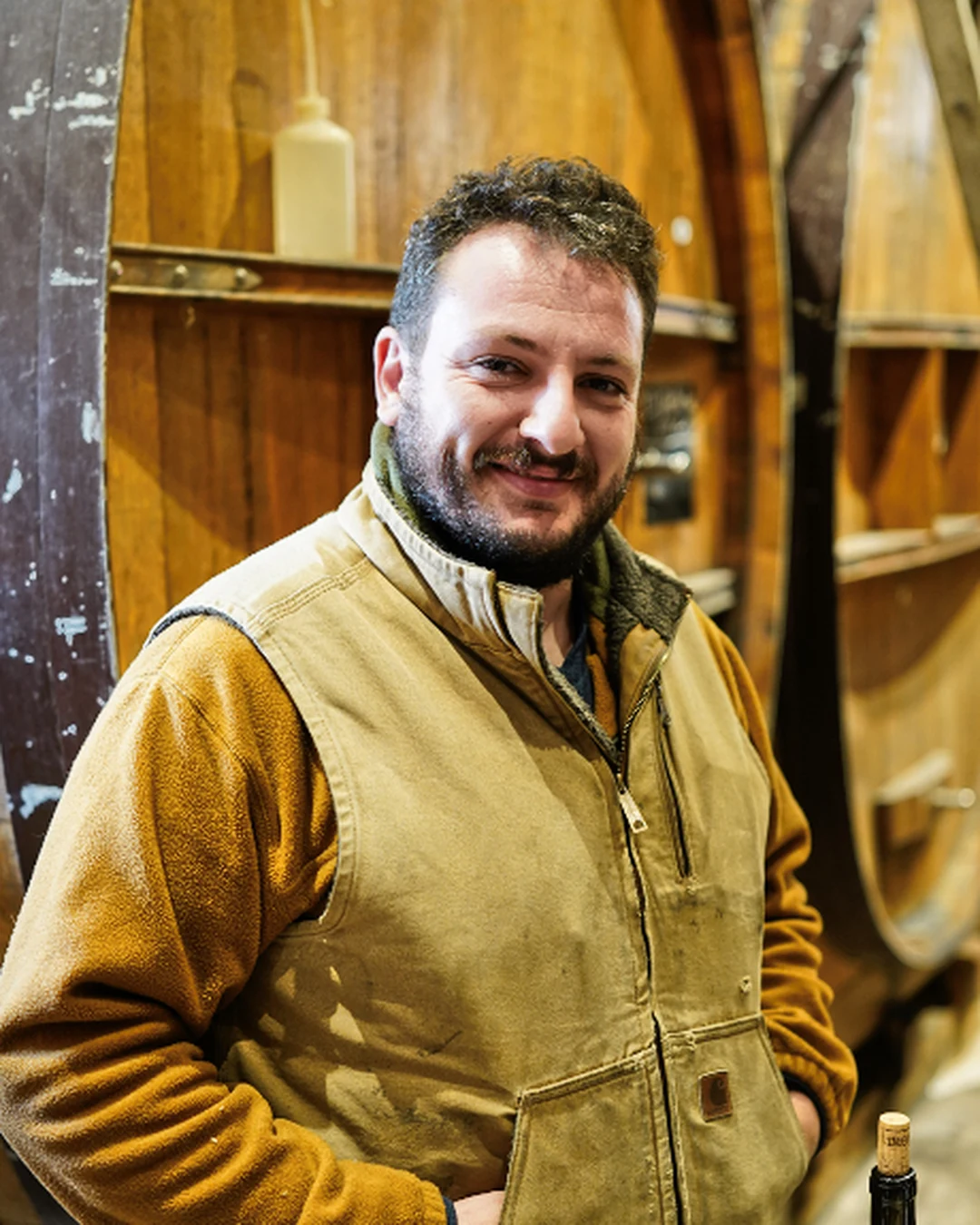
At Domaine Robert-Denogent in Fuissé, Burgundy, France, succession is a practical question of vineyard work, cellar choices, and the standard set by Jean-Jacques Robert. The house remains a family winery run by Jean-Jacques Robert and his two sons, with Nicolas Robert and Antoine Robert taking over the estate from him in 2015. The inheritance is not treated as a fixed recipe. Their own position is stated plainly: “If we had wanted to make the same wine as our father, we wouldn’t have known.”
Coming Up
Estate training in Fuissé has been direct rather than theoretical: cellar repetition, vineyard observation, and the working habits of Jean-Jacques Robert. Since 2015, Nicolas Robert and Antoine Robert have held producer and winemaker roles at Domaine Robert-Denogent, carrying a family line while leaving room for each vintage and parcel to set terms.
Where They Are Now
Biodynamic cultivation at the Fuissé family estate is built around preserved biodiversity, plant support, and hand work close to the soil. Since 2015, Nicolas and Antoine have operated the domaine as producers and winemakers, using a practice that favors observation and restrained intervention over correction after the fact. Vineyard handling is kept manual and selective: the soil is worked by hand, chemical herbicide is not used, and grapes are hand-harvested at ideal maturity. In the cellar, the same low-input line continues through natural vinification without additives, without inputs, without new oak, and with a high proportion of large containers; the wines are bottled at the domaine. The domaine’s local wines are framed by naturalness, little-intervention gentle vinification, little or no added sulphites, no filtration and no fining. Lees work is central: at least 18 months on fine lees, often 20 to 30 months, with long lees aging from 18 to 30 months without bâtonnage. The method gives each plot and terroir time to register without being pushed into a cellar signature. For Les Carrons, aging can exceed six years, making duration part of the wine’s construction rather than a finishing detail. Across the cellar, the input-free method aims for wines that are fresh and full-bodied while retaining gourmet flavors. The bottlings show the range of the practice. Mâcon-Villages “Les Sardines” 2022 blends Chardonnay parcels around the Mâconnais, fermented with native yeast and aged in a mix of barrel and tank to preserve freshness while adding texture. Pouilly-Fuissé La Croix 2018 and Pouilly-Fuissé 1er Cru Les Reisses 2020 were presented as two Pouilly-Fuissé jewels interpreted by the estate, each aligned with patience, restraint, and clarity.
Signature
The signature set includes Mâcon-Villages “Les Sardines” 2022, Pouilly-Fuissé La Croix 2018, Pouilly-Fuissé 1er Cru Les Reisses 2020, Les Carrons, and Les Sardines Mâcon-Village Chardonnay 2023.
In Their Words “If we had wanted to make the same wine as our father, we wouldn’t have known.”
Honors
Certification fixes part of the domaine’s farming standard in verifiable terms: organic certification by ECOCERT and biodynamic certification by BIODYVIN.
Profile updated July 2026
FAQ
Asked of Nicolas
What is Nicolas Robert; Antoine Robert known for?
Long aging, exceeding six years for the cuvée Les Carrons.
What recognition has Nicolas Robert; Antoine Robert received?
Organic certification by ECOCERT and biodynamic certification by BIODYVIN.