Made ByDistillery
Abbey Lands Distillery

Chef in Residence
Jessica Slater And Luke Pentith
Winemaker
- 01CityWhitby, United Kingdom
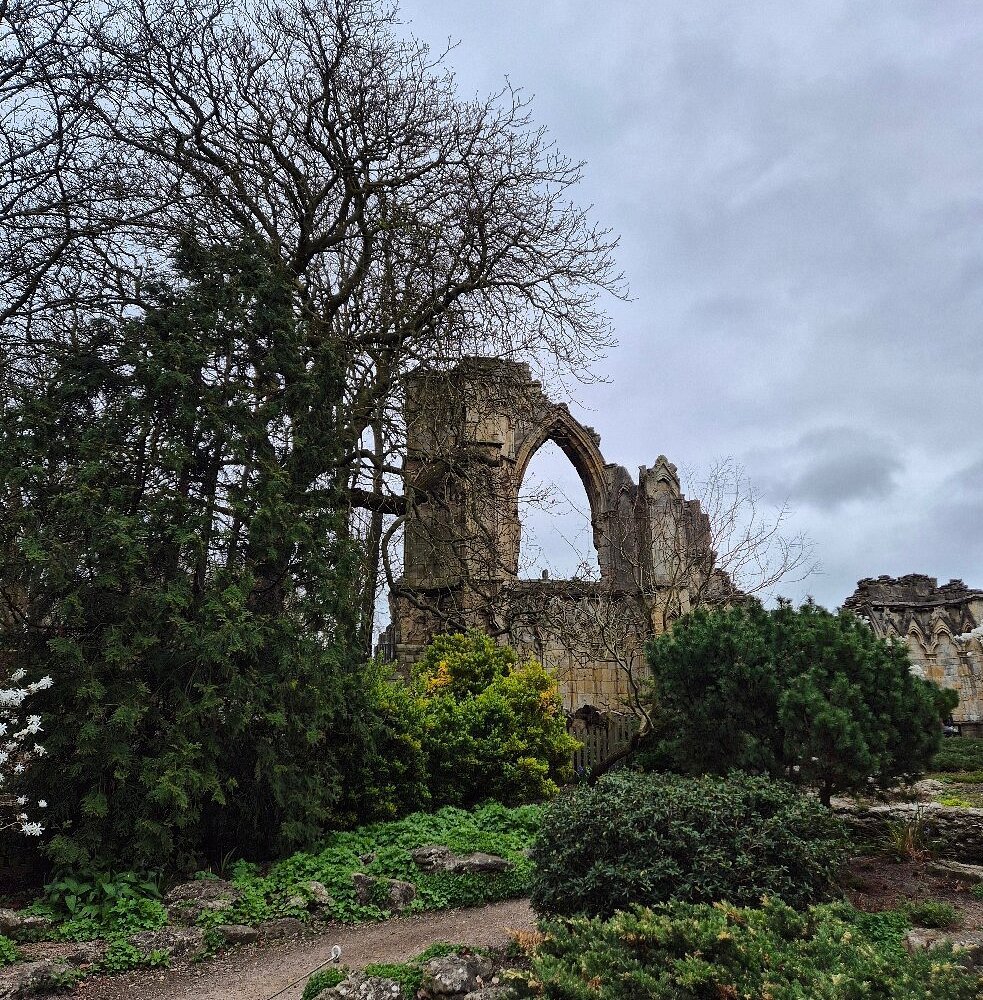
Abbey Lands Distillery operates on the North Yorkshire coast in Whitby, a town whose maritime character and North Sea exposure give its spirits a distinct regional footing. As coastal whisky production develops as a category across Britain, Abbey Lands represents Whitby's entry into a conversation long dominated by Scottish and Irish producers. Visitors arrive for the distillery experience and the geographical story it tells through its spirits.
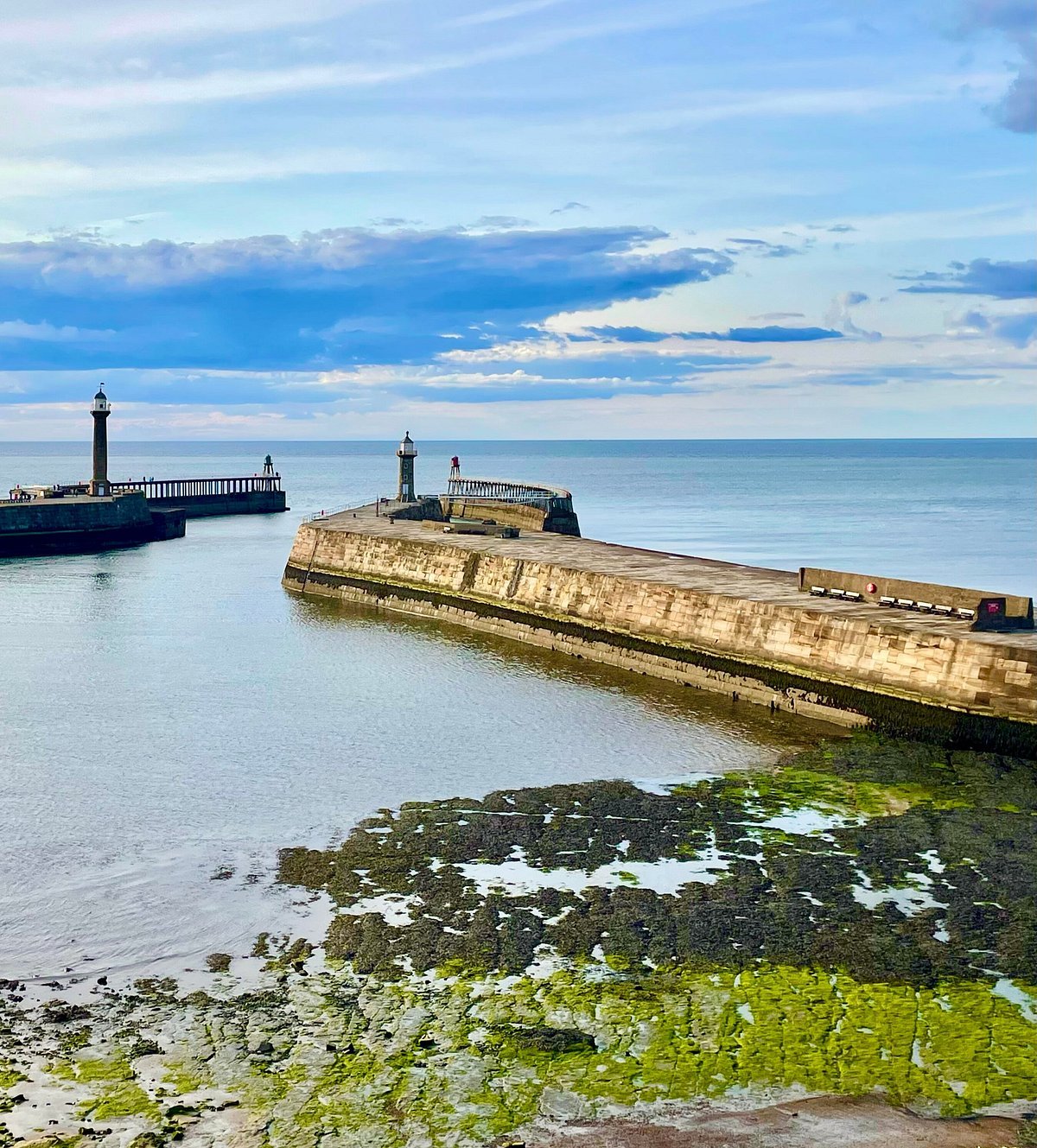
<h2>Coastal Distilling and What the North Sea Does to a Spirit</h2><p>Britain's coastal distillery movement has, for the past decade, been largely a Scottish story. Operations like <a href="https://www.enprimeurclub.com/wineries/ardnahoe-port-askaig-winery">Ardnahoe in Port Askaig</a> on Islay and <a href="https://www.enprimeurclub.com/wineries/clynelish-distillery-brora-winery">Clynelish Distillery in Brora</a> have built their identities around proximity to saltwater, arguing that maritime air, temperature swings, and local water character work their way into the spirit during maturation. That argument has gained enough traction that coastal provenance now functions as a genuine category signal, not just a marketing frame. Abbey Lands Distillery, based in Whitby on the North Yorkshire coast, enters that conversation from an English rather than Scottish footing, a distinction that matters more than geography alone.</p><p>Whitby is not a neutral backdrop. The town sits at the mouth of the River Esk where it meets the North Sea, exposed to weather patterns that have shaped its character for centuries. The ruins of Whitby Abbey on the East Cliff and the fishing heritage of the harbour below are not decorative history; they are evidence of how this particular stretch of coastline has always been shaped by what arrives from the sea and what the land produces in response. A distillery here is making a claim about terroir that is as much atmospheric as agricultural.</p><h2>English Whisky's Expanding Geography</h2><p>For most of the twentieth century, whisky production in England was negligible. Scotland held the legal, cultural, and commercial authority. That position has shifted meaningfully since the mid-2010s, when a cluster of English distilleries began producing single malt under conditions that the Scotch Whisky Association could not regulate. The English climate, warmer and more variable than the Scottish Highlands, accelerates maturation in ways that change the flavour profile and the economics of ageing. What takes twelve years in a Speyside warehouse may develop differently in a Yorkshire one.</p><p>Operations like <a href="https://www.enprimeurclub.com/wineries/balblair-distillery-edderton-winery">Balblair Distillery in Edderton</a> and <a href="https://www.enprimeurclub.com/wineries/dornoch-distillery-dornoch-winery">Dornoch Distillery in Dornoch</a> have shown how smaller, site-specific Scottish producers can build reputations on provenance and limited output rather than volume. The English producers following in that structural model, small capacity, strong location narrative, direct visitor engagement, are playing a similar game with different source conditions. Abbey Lands, as a coastal Yorkshire operation, inherits both the opportunity and the challenge of that positioning: provenance is the asset, but it requires a spirit that can demonstrate the claim rather than merely assert it.</p><h2>The Whitby Setting and What It Signals</h2><p>Arriving in Whitby, the geography makes its point before any distillery does. The 199 steps to the abbey ruins, the harbour packed with fishing boats, the persistent salt in the air, these are the conditions that any spirit produced here is drawing on, whether through water source, maturation environment, or the general humidity profile of a working port town. Distilleries in similarly exposed coastal positions, from <a href="https://www.enprimeurclub.com/wineries/glen-scotia-campbeltown-winery">Glen Scotia in Campbeltown</a> to <a href="https://www.enprimeurclub.com/wineries/ardnahoe-port-askaig-winery">Ardnahoe on Islay</a>, have made coastal exposure a selling point backed by science: salt particles in the air, temperature variance, and the angle of prevailing winds all interact with barrels during outdoor or semi-exposed maturation. The same logic applies in Whitby, with the added dimension that this is an English rather than Scottish production, which opens different grain sourcing and regulatory possibilities.</p><p>The broader spirits scene in Whitby remains relatively compact compared to the distillery tourism corridors of Speyside, covered by producers like <a href="https://www.enprimeurclub.com/wineries/aberlour-aberlour-winery">Aberlour</a> and <a href="https://www.enprimeurclub.com/wineries/cardhu-knockando-winery">Cardhu in Knockando</a>, or the cluster around <a href="https://www.enprimeurclub.com/wineries/auchentoshan-distillery-clydebank-winery">Auchentoshan in Clydebank</a>. That relative isolation works in a visitor's favour: there is no conveyor-belt distillery tourism here, and the experience of visiting a coastal Yorkshire producer carries a different register from the well-worn Scottish whisky trail.</p><h2>Where Abbey Lands Sits in the English Spirits Category</h2><p>The English distillery category has diversified quickly. Some producers are working with heritage grain varieties; others are focusing on unusual cask types sourced from wine regions, comparable to how <a href="https://www.enprimeurclub.com/wineries/bladnoch-distillery-bladnoch-winery">Bladnoch Distillery in Bladnoch</a> has used wine cask finishing to extend its range. The question for any new English distillery is where it positions itself on the spectrum between tradition-referencing Scotch-style production and genuinely experimental English spirits. Operations closer to the <a href="https://www.enprimeurclub.com/wineries/glen-garioch-distillery-oldmeldrum-winery">Glen Garioch model in Oldmeldrum</a>, rooted in place, restrained in intervention, tend to build more durable reputations than those chasing novelty without a clear geographic anchor.</p><p>Abbey Lands, as a coastal Yorkshire distillery, has a geographic anchor worth using. The parallel with wine terroir is instructive: in the same way that <a href="https://www.enprimeurclub.com/wineries/accendo-cellars">Accendo Cellars in St. Helena</a> or <a href="https://www.enprimeurclub.com/wineries/achaia-clauss-patras-winery">Achaia Clauss in Patras</a> articulate their location as a winemaking argument, a coastal distillery's strongest case is the one it makes through the spirit itself rather than through branding alone. <a href="https://www.enprimeurclub.com/wineries/dunphail-distillery-dunphail-winery">Dunphail Distillery in Dunphail</a> and <a href="https://www.enprimeurclub.com/wineries/deanston-deanston-winery">Deanston in Deanston</a> each demonstrate how a distillery's physical context, whether that is water source, local barley, or warehouse environment, can be translated into a coherent product story that holds up to scrutiny.</p><h2>Planning a Visit</h2><p>Whitby is accessible by rail via the Esk Valley Line from Middlesbrough, or by road on the A171 from Scarborough and the North York Moors. The town's compact geography means that a distillery visit integrates naturally with time at the harbour, the abbey ruins, or the independent food and drink scene that has developed around the town's tourism base. Visitors planning a multi-stop spirits itinerary in the north of England will find Whitby a logical starting or end point given its coastal position and the distinct regional character it offers relative to the better-documented Yorkshire Dales producers further inland.</p>
Frequently asked
What's the atmosphere like at Abbey Lands Distillery?
Abbey Lands sits in Whitby, a harbour town defined by fishing culture, dramatic clifftop ruins, and a coast that pushes salt air inland year-round. That setting shapes the atmosphere as much as the distillery itself. Visitors tend to arrive as much for the location as the spirits, and the combination of working-port surroundings and a focused production environment gives the experience a grounded, non-corporate character.
How does Abbey Lands Distillery fit into the broader English coastal whisky category?
Britain's coastal distillery movement has historically been a Scottish story, with Islay and island producers setting the reference points for what maritime conditions contribute to spirit character. Abbey Lands in Whitby represents the extension of that conversation into English territory, applying North Sea coastal conditions to whisky and spirits production rather than the Atlantic-facing geography that defines most Scottish coastal work. It places Whitby alongside a small number of English distilleries making a specific geographic argument about how place shapes flavour.
What do visitors recommend trying at Abbey Lands Distillery?
Abbey Lands specialises in coastal whisky and spirits, and the core draw is seeing how a North Sea environment influences production. Coastal distilleries in Britain, from Islay operations to newer English producers, have built a case that maritime air and local water sources leave a measurable imprint on the final spirit. Checking current release details directly with the distillery before visiting is advisable, as small-batch coastal producers typically rotate availability.
What makes Abbey Lands Distillery worth visiting?
English whisky distilling is still in an early chapter: production was negligible for most of the twentieth century, and the current wave of English distilleries only began gaining serious traction in the 2010s. Abbey Lands is part of that expansion into coastal territories, making Whitby a credible destination for spirits tourism rather than simply a heritage town. For anyone tracking English whisky's geographic spread beyond its established Midlands and East Anglian centres, Whitby adds a genuinely different climate and coastal profile to the map.
What's the best way to book Abbey Lands Distillery?
Booking details including tours, tastings, and opening hours are not listed in public directories at this time, so contacting the distillery directly is the most reliable approach. Whitby is reachable by rail on the Esk Valley Line from Middlesbrough, or by road on the A171 from Scarborough. Planning around the town's seasonal visitor peaks, particularly summer and the Whitby Goth Weekends, will affect accommodation and access.
How it compares
- Cuisine
- North Yorkshire
- Price
- —
- Awards
- —
- Notes
- Abbey Lands
- Cuisine
- Winery
- Price
- $$
- Awards
- —
- Notes
- Whitby
- Cuisine
- London
- Price
- $$
- Awards
- 1 recognition
- Notes
- Kennington
- Cuisine
- Winery
- Price
- —
- Awards
- 1 recognition
- Notes
- Woodstock
- Cuisine
- Isle of Jura
- Price
- $$
- Awards
- 1 recognition
- Notes
- Craighouse
- Cuisine
- Winery
- Price
- —
- Awards
- 1 recognition
- Notes
- Perth