Made ByWinery
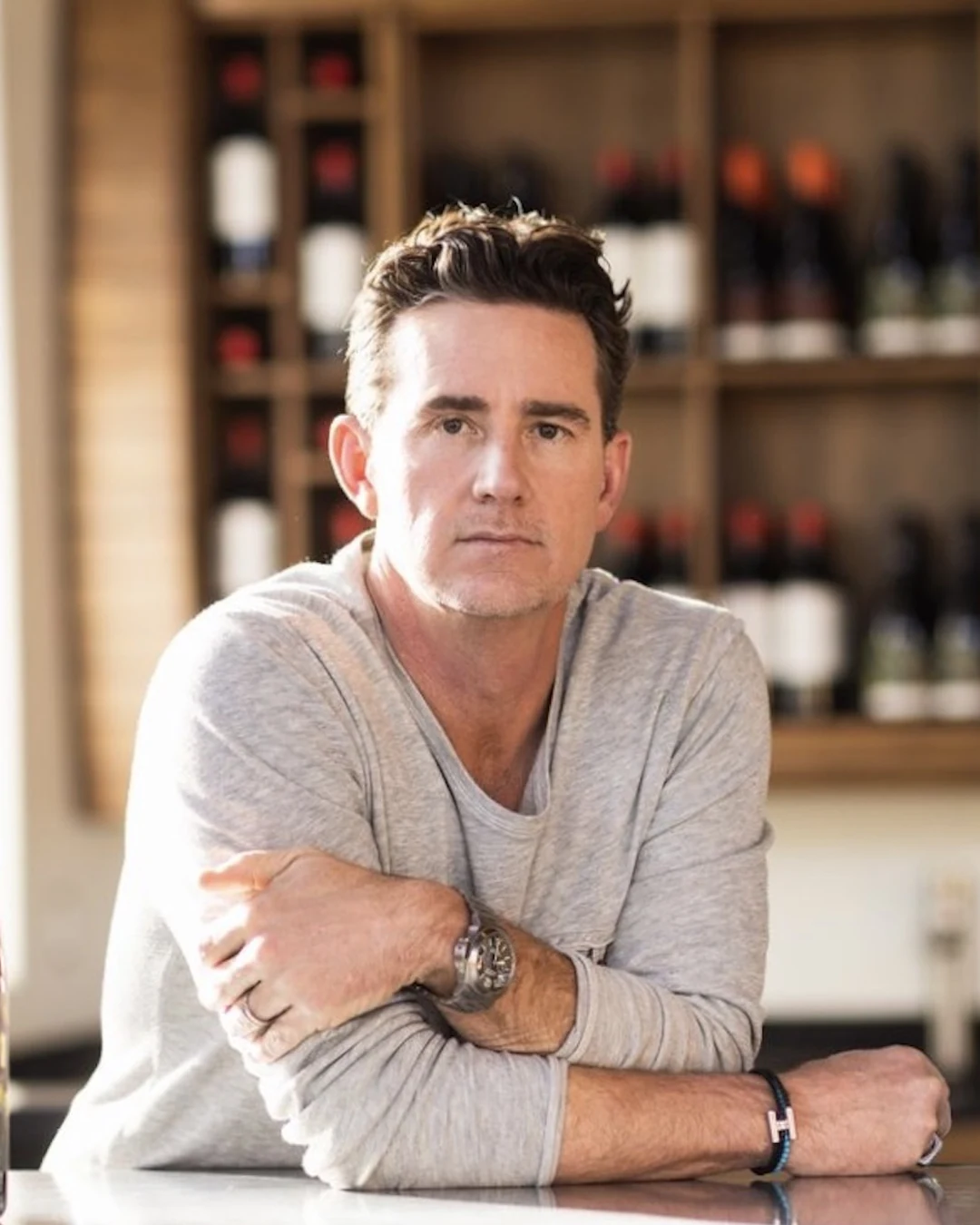
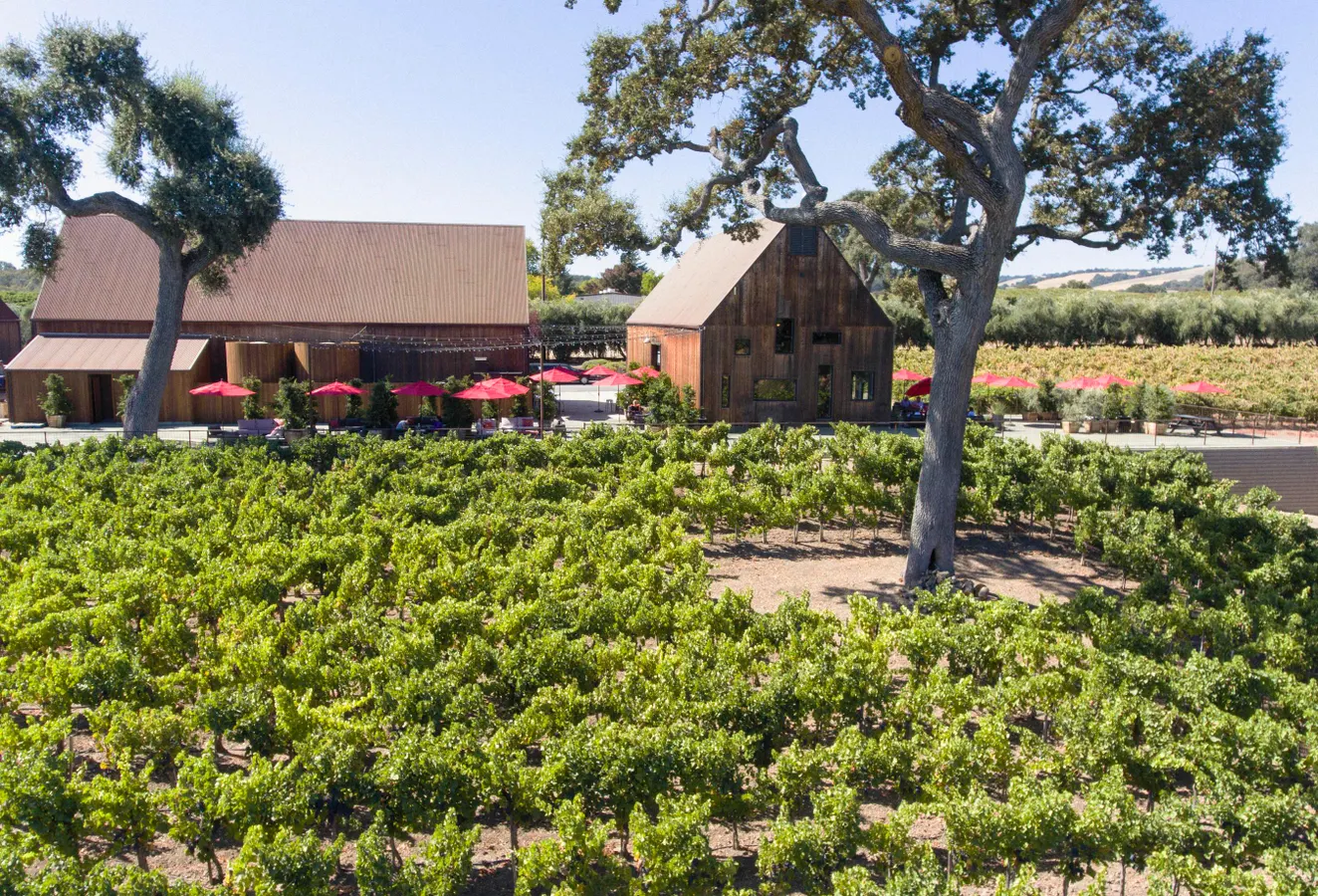
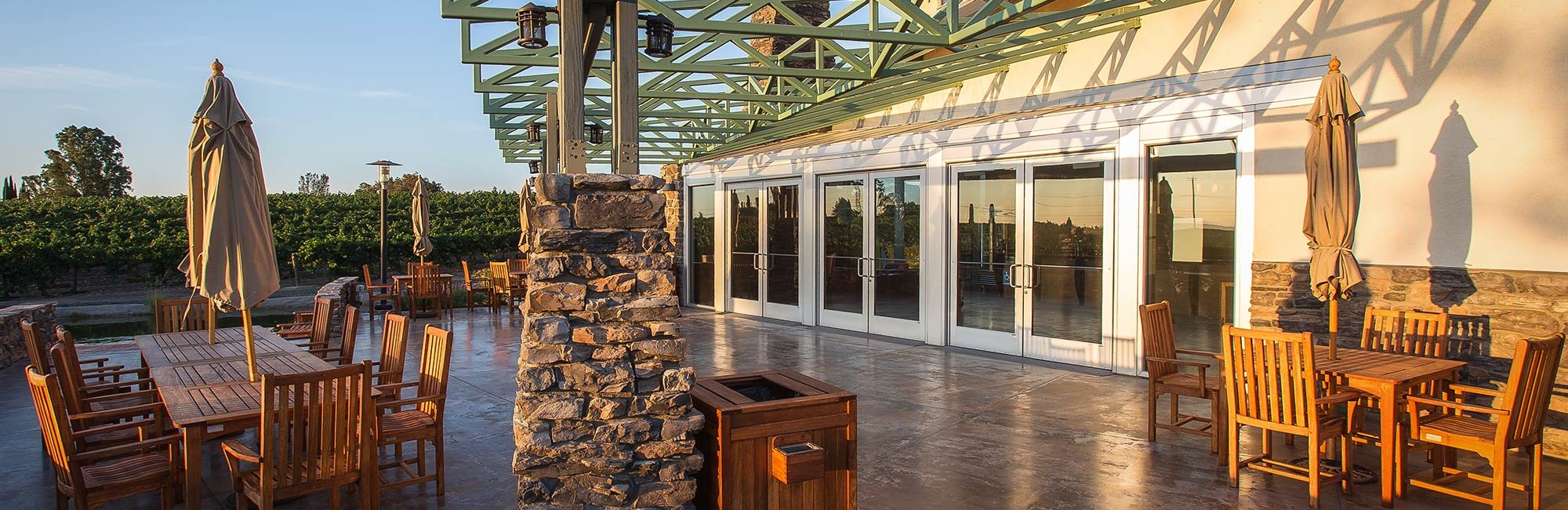
Austin Hope Winery has been producing Paso Robles red blends since its first vintage in 2000, earning a Pearl 2 Star Prestige rating in 2025. Winemaker Austin Hope works from a cellar programme built around the Westside's calcareous soils and extended aging, credentials that place the label firmly in Paso's upper tier of allocation-driven producers. The winery sits at 1585 Live Oak Rd, in the hills west of downtown Paso Robles.
At a glance
- Price
- $$$
- Per person
- $25
- Neighborhood
- Templeton Gap District
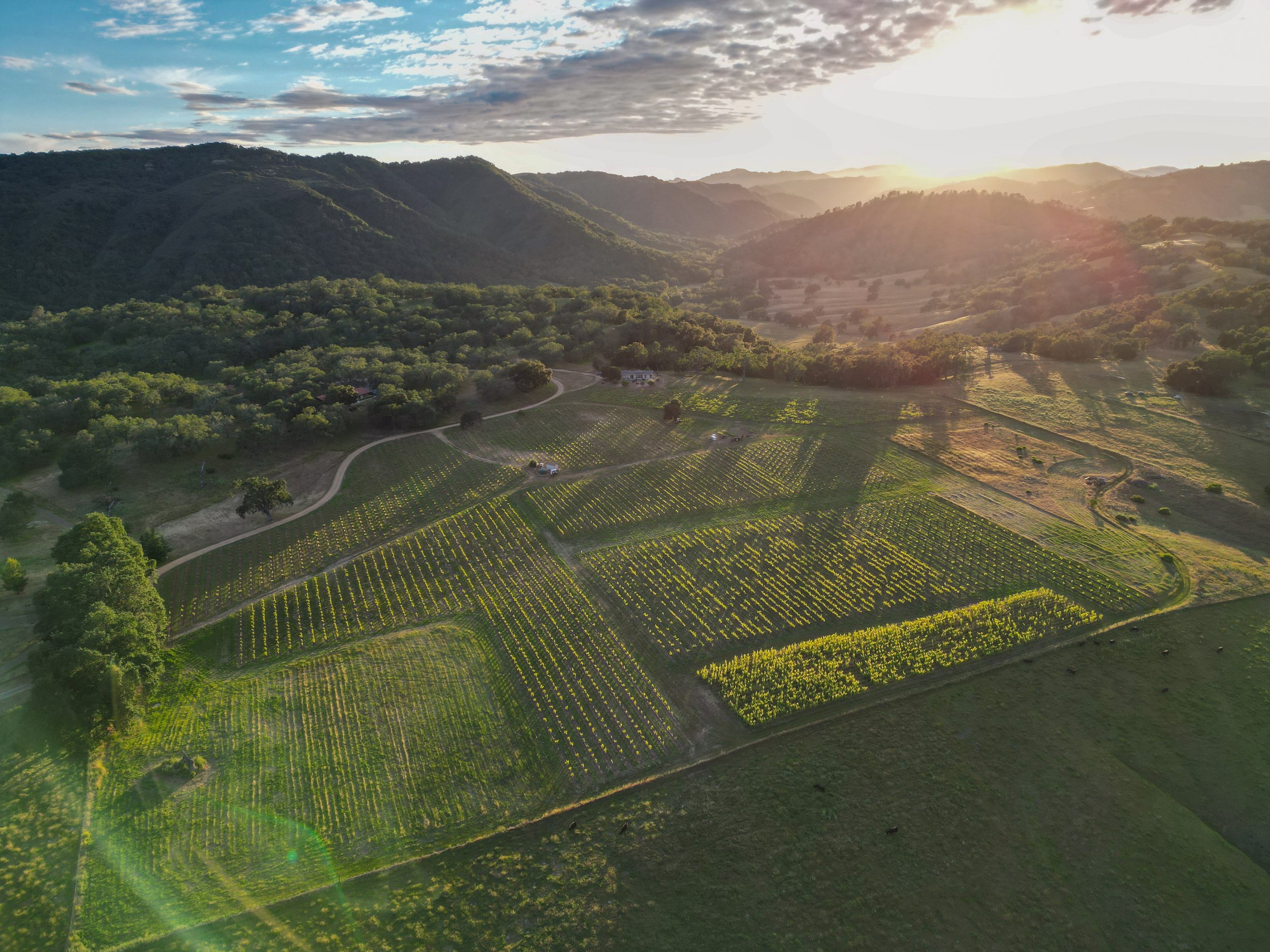
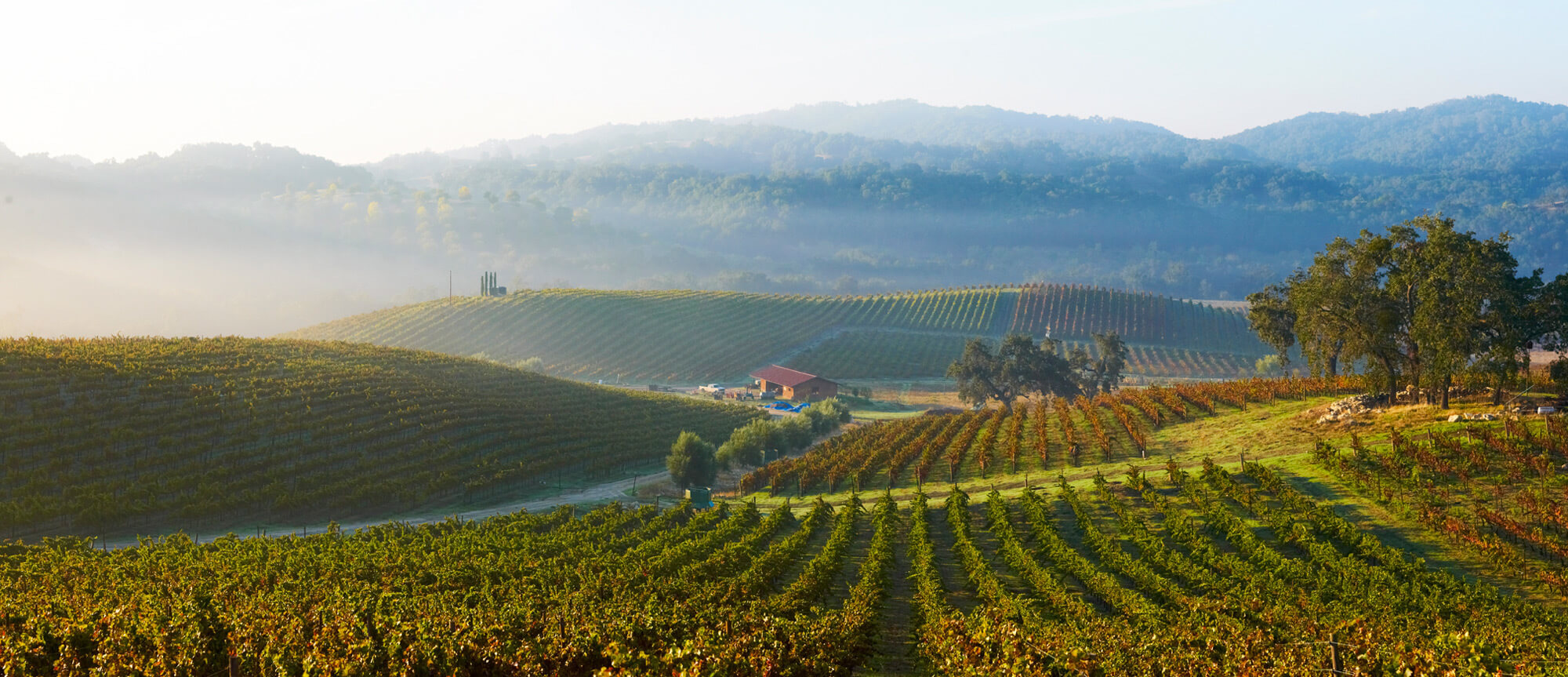
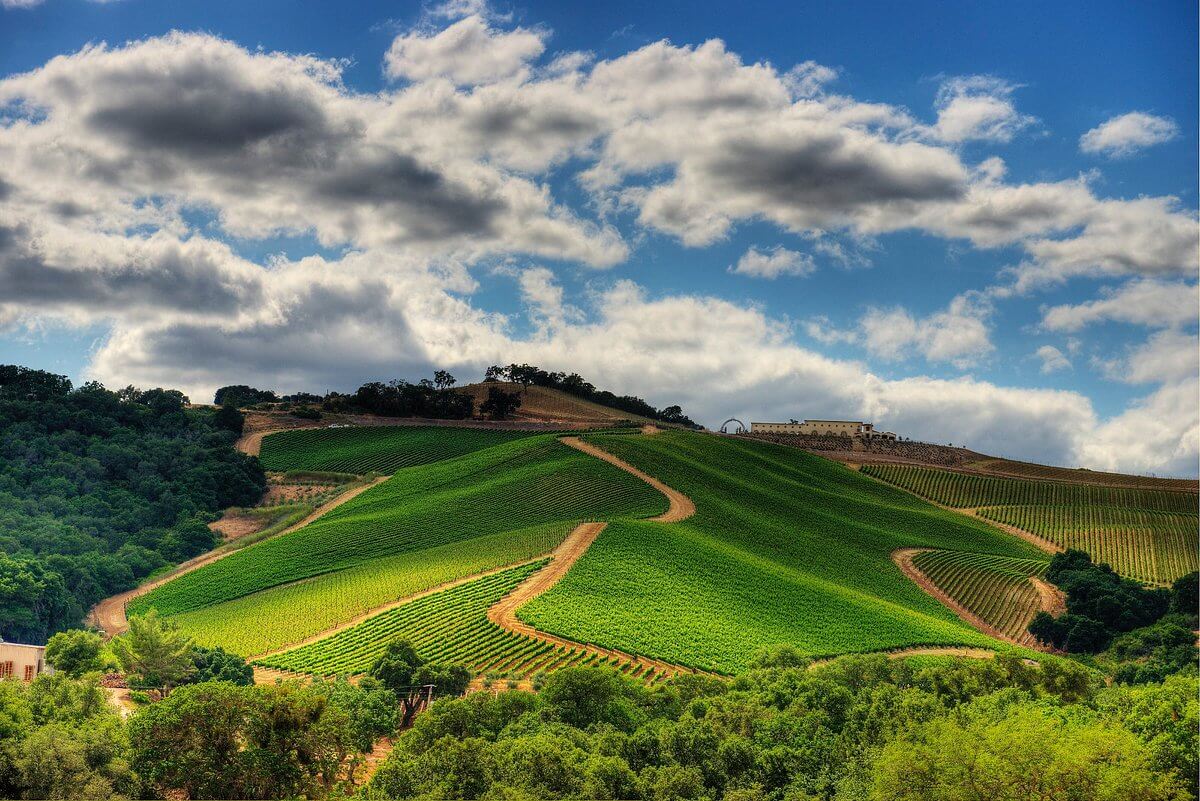
<h2>What Happens After Harvest: The Cellar Logic Behind Paso Robles Prestige</h2><p>Drive west out of Paso Robles on Live Oak Road and the terrain shifts quickly. The valley floor's sandy loam gives way to hillside calcareous soils, the chalky, calcium-rich substrate that Westside growers have built their reputations on. By the time you reach 1585 Live Oak Rd, you're in the part of Paso Robles where the real argument about the region's identity gets made: not in the vineyard rows you can photograph, but in the cellar decisions that follow the crush. Austin Hope Winery has been operating inside that argument since its first vintage in 2000.</p><h2>Paso Robles and the Cellar Divide</h2><p>Paso Robles has always been a region where post-harvest decisions carry outsized weight. The warm days and cool nights of the Templeton Gap corridor produce fruit with concentration and natural acidity that can go several directions depending on what happens in barrel. Some producers push extraction and new oak for immediate accessibility; others run longer aging cycles, tighter barrel selection, and later release windows that position them against Napa allocation models rather than the Central Coast's more approachable mid-market tier.</p><p>Austin Hope Winery sits in the latter cohort. A first vintage in 2000 means the programme has been running long enough to develop a genuine cellar identity rather than a reactive one, the kind of institutional knowledge about how the estate's fruit behaves over time that newer labels in the region are still accumulating. Producers at this end of Paso's spectrum draw comparisons to peers like <a href="https://www.enprimeurclub.com/wineries/daou-vineyards">DAOU Vineyards</a> and <a href="https://www.enprimeurclub.com/wineries/halter-ranch-vineyard">Halter Ranch Vineyard</a>, both of which operate with similarly deliberate barrel and aging programmes on the Westside.</p><h2>The Winemaker's Role in a Data-Driven Cellar</h2><p>Austin Hope's name on the label carries a specific kind of credential in Paso Robles. In a region where many producers have brought in outside consulting winemakers or brand architects, a label built around a single winemaker's name signals something about accountability: the person making the decisions is the face of the brand. That structure shapes how the cellar programme is managed, because there is no diffusion of responsibility across a production team with competing priorities.</p><p>Winemaker-led programmes of this type tend to run tighter blending cycles, with more granular barrel-by-barrel evaluation before final assemblage. The result is usually a house style that holds across vintages rather than shifting with market trends. In Paso Robles, where vintage variation can be significant, dry years compressing phenolic development, wet springs affecting set, that consistency across the bottlings is itself a signal of cellar discipline. It's the kind of discipline that comparable labels like <a href="https://www.enprimeurclub.com/wineries/herman-story-wines">Herman Story Wines</a> and <a href="https://www.enprimeurclub.com/wineries/adelaida-vineyards">Adelaida Vineyards</a> have built their reputations on across different stylistic registers.</p><h2>Barrel Selection, Aging, and the Prestige Tier</h2><p>Austin Hope Winery's Pearl 2 Star Prestige recognition positions it in Paso Robles' upper recognition bracket. At the Prestige level, the conversation is no longer about whether a producer can make technically correct wine; it's about whether the cellar programme produces something that develops meaningfully with time and holds up against bottles from recognised California regions.</p><p>For context, that Prestige-tier conversation in California plays out differently depending on the variety and region. Napa Cabernet programmes at comparable recognition levels, producers like <a href="https://www.enprimeurclub.com/wineries/accendo-cellars">Accendo Cellars in St. Helena</a> or <a href="https://www.enprimeurclub.com/wineries/alpha-omega-winery-rutherford-winery">Alpha Omega Winery in Rutherford</a>, tend to operate with longer release timelines and allocation lists as primary distribution tools. Paso Robles Prestige-tier producers face a different positioning challenge: the region's more moderate price ceiling means cellar investment has to be justified through quality signals rather than pure scarcity value. The Pearl 2 Star recognition provides exactly that kind of external validation.</p><p>Within the Central Coast more broadly, producers working at serious cellar depth include <a href="https://www.enprimeurclub.com/wineries/alban-vineyards">Alban Vineyards in Arroyo Grande</a> and <a href="https://www.enprimeurclub.com/wineries/andrew-murray-vineyards">Andrew Murray Vineyards in Los Olivos</a>, both of which have operated in the Rhone-varietal space with structured aging programmes. Austin Hope's Westside Paso positioning gives it a different varietal emphasis, but the cellar-seriousness operates at a comparable register.</p><h2>Timing a Visit: When the Cellar Programme Becomes Most Visible</h2><p>Paso Robles wineries tend to release their more serious bottlings in the first quarter of the calendar year, following extended barrel aging through the preceding autumn. Visiting between January and April gives you the best chance of tasting newly released library-tier wines alongside current production, and many Westside producers time small-format tasting events and wine club releases around that window. The shoulder season also means smaller crowds at the tasting room, a practical advantage at producers where cellar staff handle hosting duties and the conversation about aging decisions is more forthcoming without a busy weekend floor.</p><p>Summer visits to the Westside are viable but run warmer than the valley floor's afternoon temperature range. The calcareous-soil vineyards retain heat differently from the sandier zones closer to Highway 46, and tasting room experiences in peak summer can feel more compressed. If cellar education is the purpose of the visit, the cooler months reward it more.</p><p> The winery at 1585 Live Oak Rd is on the Westside, making it a natural addition to a day that might include <a href="https://www.enprimeurclub.com/wineries/bianchi-winery-paso-robles-winery">Bianchi Winery</a> or other Live Oak Road corridor producers.</p><h2>Where Austin Hope Sits in the Broader California Picture</h2><p>California wine at the Prestige tier has fractured into distinct regional identities, and Paso Robles occupies an interesting position in that picture. It is neither as price-stratified as Napa nor as Burgundian in varietal focus as the cooler coastal appellations. Labels working at the top of the Paso hierarchy compete for a collector audience that is increasingly willing to look outside Napa for cellar-worthy reds, and the 2025 Pearl 2 Star recognition signals that Austin Hope is operating in that competitive space.</p><p>For comparison, producers at equivalent recognition levels in other California regions, <a href="https://www.enprimeurclub.com/wineries/artesa-vineyards-and-winery">Artesa Vineyards and Winery in Napa</a>, <a href="https://www.enprimeurclub.com/wineries/alexander-valley-vineyards-geyserville-winery">Alexander Valley Vineyards in Geyserville</a>, or <a href="https://www.enprimeurclub.com/wineries/adelsheim-vineyard-newberg-winery">Adelsheim Vineyard in Newberg</a>, tend to operate with established distribution channels and some degree of allocution-list management. Austin Hope's direct address at 1585 Live Oak Rd suggests continued tasting room access, which places it in a segment of Prestige-tier production that remains accessible without the friction of a purely allocation-driven release model.</p>
Know before you go
- Dress code
- casual
- Reservations
- recommended
- Parking
- on_site_lot
- Payment
- credit_card, debit_card
- Outdoor seating
- Yes
- Groups
- Welcomed
Frequently asked
Where is Austin Hope Winery located?
Austin Hope Winery is located at 1585 Live Oak Rd, Paso Robles, CA 93446, Paso Robles.
What accolades does Austin Hope Winery have?
Austin Hope Winery has received recognition including: Pearl 2 Star Prestige (2025).
What wine is Austin Hope Winery famous for?
Austin Hope has built its reputation primarily around Rhône-style blends and full-bodied reds drawn from Paso Robles' calcareous hillside soils west of the valley floor. The winery's 2025 Pearl 2 Star Prestige recognition places it among California's upper recognition tier, which tends to correlate with extended barrel-aged reds rather than early-release whites. Winemaker Austin Hope's label carries consistent authority in the region's more structured bottlings.
What makes Austin Hope Winery worth visiting?
The winery sits at 1585 Live Oak Road, where the terrain transitions from sandy valley loam to hillside calcareous soils — a distinction that shapes the character of the wines more than most Paso Robles addresses can claim. The 2025 Pearl 2 Star Prestige award provides external verification that the cellar programme has reached a recognised standard within California's competitive Prestige tier. For visitors tracking regional winemaking at a serious level, Austin Hope is one of the addresses that shapes the local conversation.
Do I need a reservation for Austin Hope Winery?
Reservation requirements are not confirmed in current records, so contacting the winery directly before visiting is advisable. Paso Robles Prestige-tier producers increasingly operate by appointment, particularly for cellar experiences and limited-release tastings. The Live Oak Road location — west of the Paso Robles valley floor — is worth factoring into any itinerary as a dedicated stop rather than a casual drop-in.
How does Austin Hope Winery's Pearl 2 Star Prestige rating compare within Paso Robles?
The 2025 Pearl 2 Star Prestige recognition positions Austin Hope in Paso Robles' upper acknowledgment bracket, a category that reflects consistent cellar quality across multiple vintages rather than a single standout release. Within California's Central Coast, Prestige-tier designations at this level place Austin Hope alongside producers who have moved the region's reputation beyond its early value-driven identity. Winemaker Austin Hope's sustained presence in Paso Robles — as both a producer and a regional figure — underpins that standing.
What's Austin Hope Winery a strong choice for?
Austin Hope is a strong choice for visitors focused on understanding how post-harvest cellar decisions shape Paso Robles reds at the higher recognition bracket. The 2025 Pearl 2 Star Prestige designation signals a winery operating at a standard that rewards attention to barrel selection and extended aging rather than volume production. Winemaker Austin Hope's regional credentials make this address relevant for anyone building a serious picture of California's Central Coast wine scene.
Address
1585 Live Oak Rd, Paso Robles, CA 93446
Templeton Gap District · Paso Robles
How it compares
- Cuisine
- Cabernet Sauvignon, Syrah
- Price
- $$$
- Notes
- Templeton Gap District
- Cuisine
- Paso Robles AVA
- Price
- $$$
- Notes
- Westside Paso Robles
- Cuisine
- Zinfandel, Syrah
- Price
- $$$
- Notes
- Paso Robles
- Cuisine
- Syrah, Grenache
- Price
- $$$
- Notes
- Willow Creek District
- Cuisine
- Zinfandel, Cabernet Sauvignon
- Price
- $$$
- Notes
- Willow Creek District
- Cuisine
- Syrah, Grenache
- Price
- $$$
- Notes
- Willow Creek District