Made ByWinery

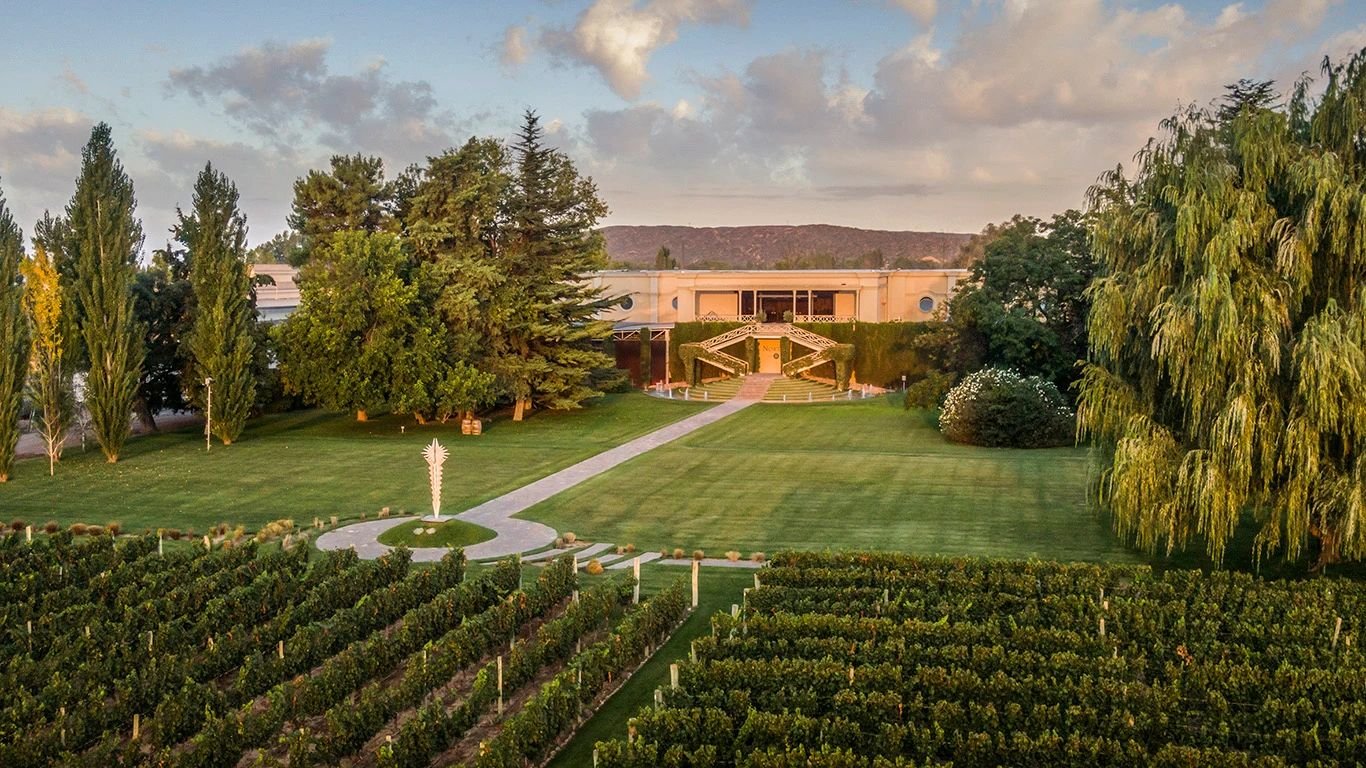
Bodega Mendel holds a Pearl 2 Star Prestige rating (2025) and operates from Terrada 1863 in Luján de Cuyo, one of Mendoza's most established wine subregions. The bodega sits within the concentrated tier of Luján producers where aging programme discipline and barrel selection define the house identity. For visitors planning a Mendoza itinerary, it belongs on the same circuit as the appellation's most credentialled addresses.
At a glance
- Price
- $$$
- Neighborhood
- Luján de Cuyo
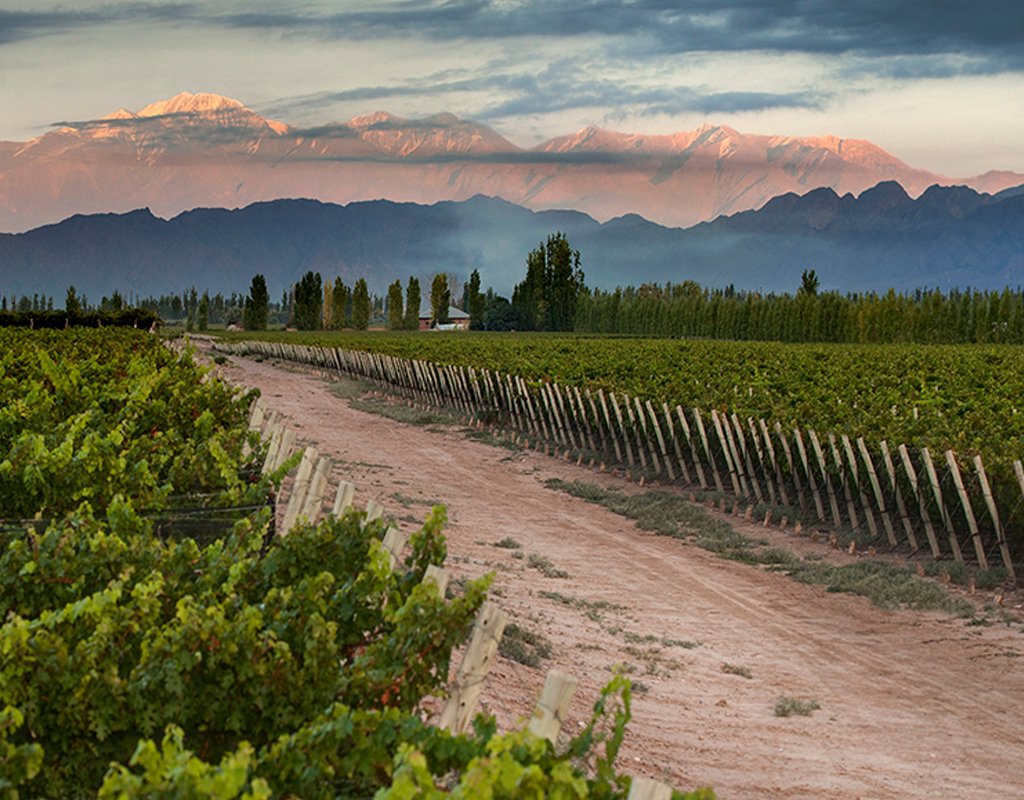
<h2>The Cellar as Compass: Luján de Cuyo and the Logic of Aging</h2><p>Approach Luján de Cuyo from Mendoza city and the shift is gradual but legible: the urban edge gives way to irrigated rows, the Andes sharpen on the horizon, and the altitude climbs steadily past 900 metres. This is not the high-altitude drama of Cafayate, where <a href="https://www.enprimeurclub.com/wineries/bodega-el-esteco-cafayate-winery">Bodega El Esteco in Cafayate</a> works at over 1,700 metres, but a cooler, more continental expression of Argentine viticulture, one where long autumns allow tannin development that makes extended barrel aging a defensible, often necessary, winemaking decision rather than a stylistic affectation.</p><p>Bodega Mendel, a winery in Luján de Cuyo at Terrada 1863, operates within this framework. Its Pearl 2 Star Prestige recognition from EP Club in 2025 places it in a tier where quality signals are expected to be consistent across vintages, and where the cellar programme carries as much weight as vineyard sourcing. In a subregion that also houses <a href="https://www.enprimeurclub.com/wineries/cheval-des-andes-lujan-de-cuyo-winery">Cheval des Andes</a> and <a href="https://www.enprimeurclub.com/wineries/bodega-lagarde-lujan-de-cuyo-winery">Bodega Lagarde</a>, operating at the Prestige tier requires a coherent position, not just a strong vintage or two.</p><h2>What a Pearl 2 Star Prestige Rating Signals</h2><p>EP Club's Pearl 2 Star Prestige designation in 2025 is an instrument of comparison. At this level, a producer sits above the introductory tier, where good fruit and competent winemaking suffice, and is instead being assessed against peers who also make deliberate decisions about oak regime, aging duration, and blending philosophy. In Luján de Cuyo, that comparable set is concentrated and competitive. <a href="https://www.enprimeurclub.com/wineries/bodega-norton-lujan-de-cuyo-winery">Bodega Norton</a>, <a href="https://www.enprimeurclub.com/wineries/chakana-winery-lujan-de-cuyo-winery">Chakana Winery</a>, and <a href="https://www.enprimeurclub.com/wineries/durigutti-winemakers-lujan-de-cuyo-winery">Durigutti Winemakers</a> all occupy the same appellation, and each takes a different approach to post-harvest decisions.</p><p>A 2 Star Prestige result, in this context, means the house has demonstrated range and consistency at a level where individual bottle quality is assumed and the conversation shifts to programme coherence. It is the kind of credential that moves a winery from the itinerary of casual Mendoza visitors toward the shortlist of buyers who plan trips around cellar appointments and allocation access. For comparison, houses at this tier elsewhere in Argentina, such as <a href="https://www.enprimeurclub.com/wineries/bodega-diamandes-tunuyan-winery">Bodega DiamAndes in Tunuyán</a> or <a href="https://www.enprimeurclub.com/wineries/rutini-wines-la-rural-tupungato-winery">Rutini Wines in Tupungato</a>, typically anchor their identity around a specific aging format or single-vineyard approach.</p><h2>The Cellar Programme in Luján de Cuyo: A Regional Argument</h2><p>Luján de Cuyo built its reputation on Malbec, and the appellation's most credentialled producers have spent decades refining how that grape responds to different barrel regimes. The general pattern across the subregion's serious houses runs from shorter aging in older wood for fresher expressions, through to 18 or 24 months in a mix of new and used French oak for structured, cellar-worthy bottles. The decision is not arbitrary: altitude-grown Malbec from Luján tends to carry enough natural acidity to sustain oak contact without losing aromatic definition, which is one reason the subregion supports a style of wine that ages more gracefully than warmer-climate equivalents.</p><p>Bodega Mendel's positioning within this tradition, evidenced by its Prestige-tier recognition, suggests an approach that prioritises structure and aging potential over early approachability. The leading Luján producers in this bracket are not making wines optimised for immediate consumption at restaurants; they are making wines that reward patience, and that means the cellar decisions made in the months after harvest define the house's critical identity more than any single growing season. That argument holds across the appellation: at <a href="https://www.enprimeurclub.com/wineries/cheval-des-andes-lujan-de-cuyo-winery">Cheval des Andes</a>, the Franco-Argentine collaboration model built around Bordeaux-style blending is itself a statement about what happens after picking. Bodega Mendel operates in the same conceptual neighbourhood, even if the stylistic execution differs.</p><h2>Visiting Luján de Cuyo: Practical Planning</h2><p>Luján de Cuyo sits directly south of Mendoza city, and most bodegas in the zone are reachable within 20 to 40 minutes by car. The standard visit pattern among serious wine travellers runs across two or three days, grouping Luján appointments with excursions further south toward the Uco Valley, where <a href="https://www.enprimeurclub.com/wineries/bodega-diamandes-tunuyan-winery">Bodega DiamAndes in Tunuyán</a> represents the higher-altitude expression of Argentine Malbec, or north toward <a href="https://www.enprimeurclub.com/wineries/familia-schroeder-san-patricio-del-chanar-winery">Familia Schroeder in San Patricio del Chañar</a> in Neuquén for a different regional register entirely.</p><p>Bodega Mendel's address at Terrada 1863 places it within the main Luján de Cuyo wine corridor. Reaching the bodega directly to arrange a visit or tasting appointment is the advised approach, as walk-in access is rarely the norm. The harvest period, typically February through April in Mendoza, brings the highest concentration of wine tourism activity; visiting in May or June, once fermentation is complete and the cellars are quieter, gives a different and arguably more instructive view of how aging decisions play out in practice.</p><h2>Bodega Mendel in the Wider Argentine Context</h2><p>Argentina's premium wine geography is not confined to Mendoza province. <a href="https://www.enprimeurclub.com/wineries/bodega-el-esteco-cafayate-winery">Bodega El Esteco in Cafayate</a> represents the high-altitude Torrontés and Malbec tradition of Salta, while <a href="https://www.enprimeurclub.com/wineries/bodega-colome-molinos-winery">Bodega Colomé in Molinos</a> operates at some of the highest vineyard elevations in the wine world. These are different arguments about terroir, not competing ones, and the most useful way to understand Bodega Mendel is to place it firmly in the Luján de Cuyo tradition: lower elevation than Colomé, more established in terms of appellation identity than the newer high-altitude zones, and working within a winemaking culture that prizes structured, age-worthy reds above all other formats.</p><p>The international peer comparisons are instructive too. Producers at the Pearl 2 Star Prestige tier internationally, from <a href="https://www.enprimeurclub.com/wineries/accendo-cellars">Accendo Cellars in St. Helena</a> to <a href="https://www.enprimeurclub.com/wineries/aberlour-aberlour-winery">Aberlour in Aberlour</a> in a different category entirely, share the characteristic of being recognized not for novelty but for programme consistency. That is the common thread at this award level, regardless of region or grape variety. For Bodega Mendel, it is a signal that the house has moved past the point where vintage variation drives the critical narrative and into the territory where aging programme decisions are trusted to be repeatable.</p><p>Also worth noting in the wider Mendoza context: <a href="https://www.enprimeurclub.com/wineries/escorihuela-gascon-godoy-cruz-winery">Escorihuela Gascón in Godoy Cruz</a> and <a href="https://www.enprimeurclub.com/wineries/fratelli-branca-distillery-buenos-aires-winery">Fratelli Branca Distillery in Buenos Aires</a> represent how Argentina's drinks culture extends well beyond the Luján de Cuyo Malbec model, though for visitors whose primary interest is structured, cellar-programme-led red wine, the Luján addresses remain the most concentrated circuit available in the country.</p>
Know before you go
- Dress code
- smart_casual
- Reservations
- appointment_only
- Parking
- on_site_lot
Frequently asked
What's Bodega Mendel's location?
Bodega Mendel is located at Terrada 1863, M5507 Luján de Cuyo, Mendoza, Luján de Cuyo.
Does Bodega Mendel have any notable recognition?
Bodega Mendel has received recognition including: Pearl 2 Star Prestige (2025).
What's the signature bottle at Bodega Mendel?
The EP Club Pearl 2 Star Prestige rating (2025) points toward a producer whose output is shaped by disciplined barrel aging rather than volume. Luján de Cuyo's appellation identity centres on Malbec, and Prestige-tier bodegas in this zone build their flagship bottles around extended oak contact and structural longevity.
What's the defining thing about Bodega Mendel?
The EP Club Pearl 2 Star Prestige designation in 2025 is the clearest external marker, placing Bodega Mendel within Luján de Cuyo's upper tier of recognised producers. That rating reflects a commitment to aging programme discipline consistent with the appellation's most credentialled houses, where the emphasis falls on cellar longevity over early accessibility. Within Mendoza's premium geography, sitting at Pearl 2 Star level means the bodega is benchmarked alongside — not below — the region's most closely followed names.
How hard is it to get in to Bodega Mendel?
Prestige-tier bodegas in Luján de Cuyo operate by appointment rather than open-door access, and that applies here. Planning ahead is advisable, particularly during the March harvest period and the Southern Hemisphere autumn months when demand across the appellation peaks. Bodega Mendel is located at Terrada 1863 in Luján de Cuyo; phone and website details are not currently on record, so approaching via email or a regional wine tour operator is the practical starting point.
How does Bodega Mendel's Pearl 2 Star Prestige rating compare within the Luján de Cuyo appellation?
EP Club's Pearl 2 Star Prestige tier (2025) sits above the introductory recognition level and identifies producers with a consistent, structured approach to winemaking in a given appellation. In Luján de Cuyo, where Malbec has anchored the region's premium identity for decades, that designation places Bodega Mendel among the appellation's more closely followed houses rather than its entry-level operators. For wine travellers cross-referencing bodegas before visiting Mendoza, the 2025 rating provides a concrete comparator within the region's award landscape.
Address
Terrada 1863, M5507 Luján de Cuyo, Mendoza
Luján de Cuyo
How it compares
- Cuisine
- Malbec, Cabernet Sauvignon
- Price
- $$$
- Notes
- Luján de Cuyo
- Cuisine
- Malbec, Cabernet Franc
- Price
- $$$
- Notes
- Luján de Cuyo
- Cuisine
- Malbec, Cabernet Sauvignon
- Price
- $$$
- Notes
- Luján de Cuyo
- Cuisine
- Malbec, Cabernet Sauvignon
- Price
- $$$
- Notes
- Vistalba
- Cuisine
- Malbec, Cabernet Franc
- Price
- $$$
- Notes
- Agrelo
- Cuisine
- Malbec, Cabernet Sauvignon
- Price
- $$$$
- Notes
- Luján de Cuyo