Made ByBar
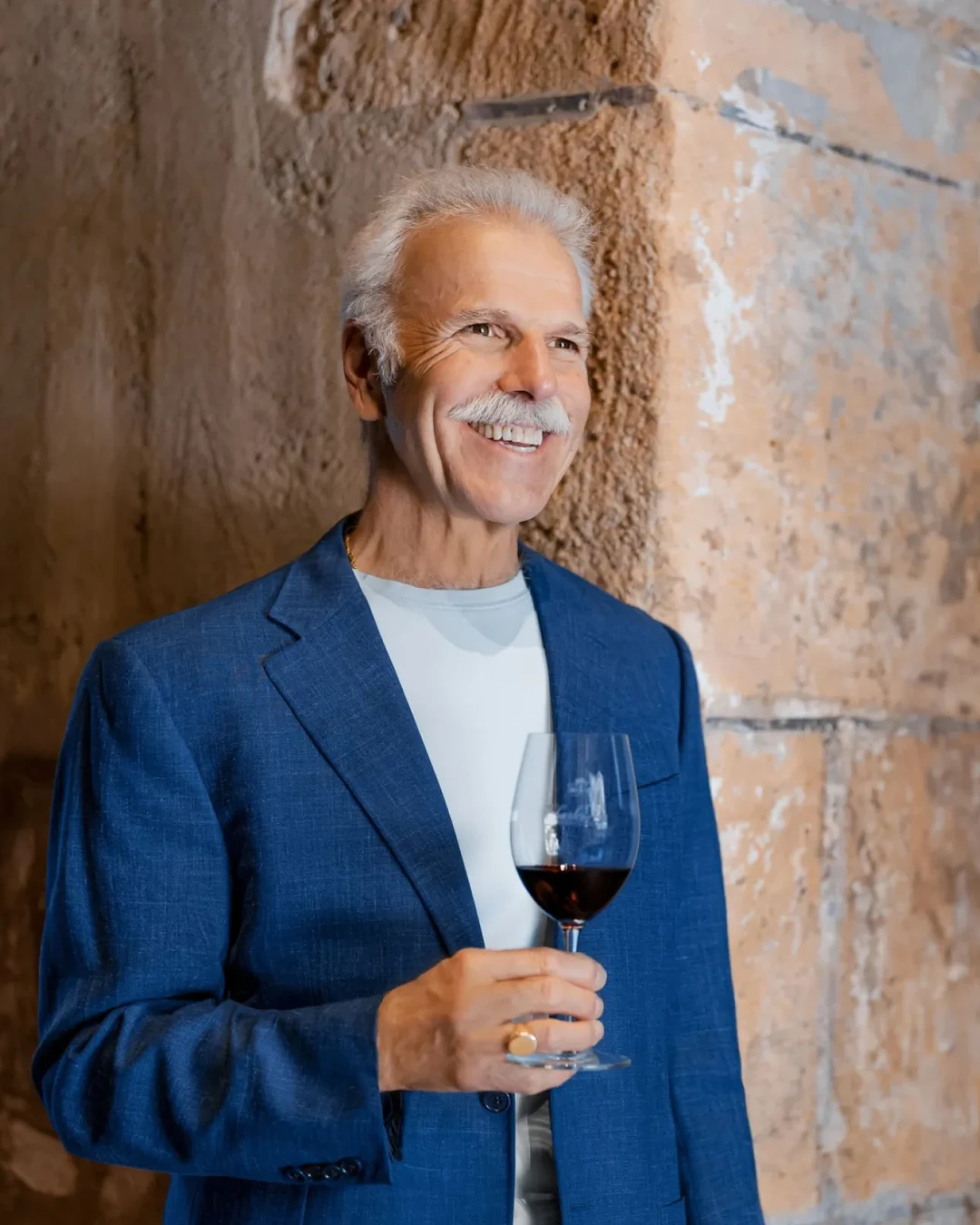
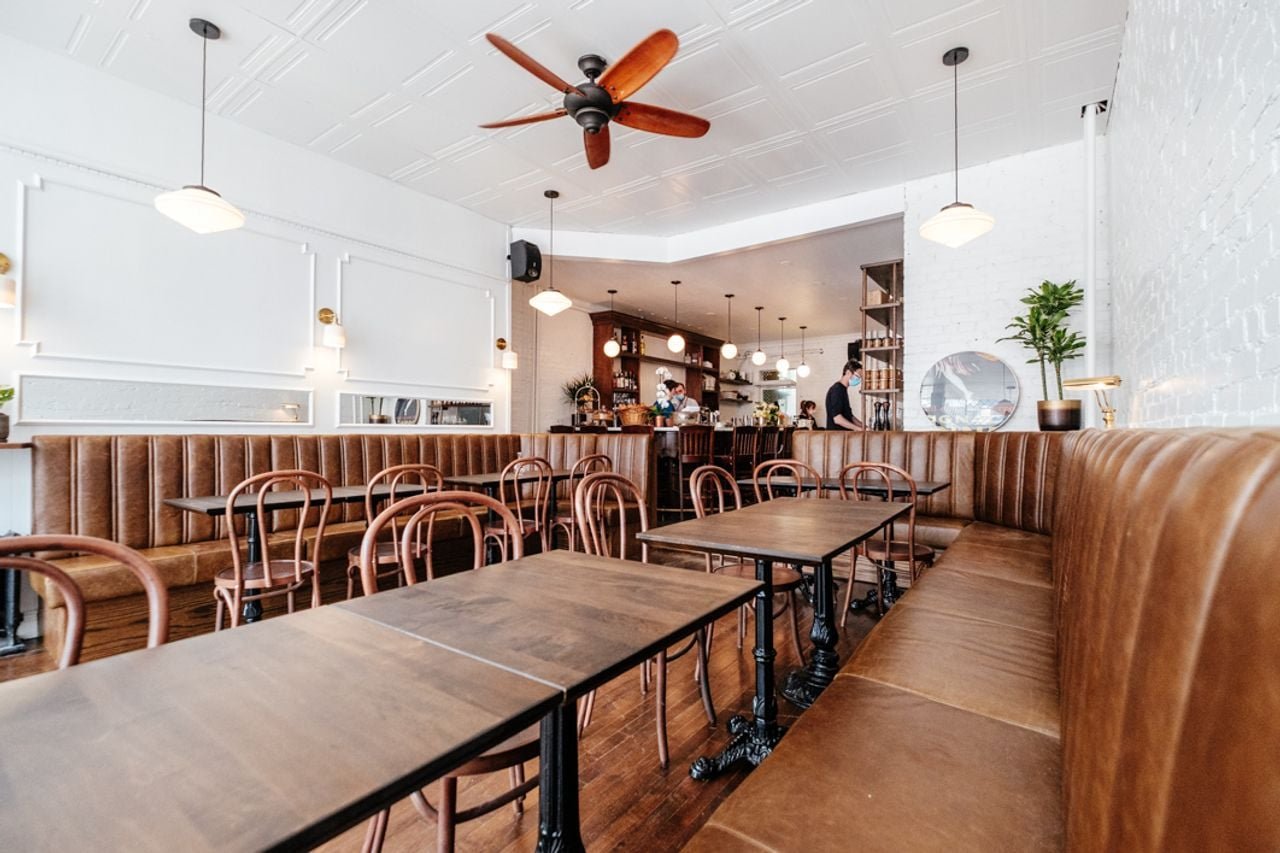
The oldest operating winery in Napa Valley, Charles Krug sits at the northern end of St. Helena on Main Street, where wine has been made on this land since 1861. The estate occupies a significant position in California wine history and draws visitors seeking that historical grounding alongside contemporary tasting room programming. Plan ahead: walk-in availability varies seasonally.
At a glance
- Price
- $$$
- Per person
- $75
- Hours
- Mon: 10:30 AM–5 PM; Tue: 10:30 AM–5 PM; Wed: 10:30 AM–5 PM; Thu: 10:30 AM–5 PM; Fri: 10:30 AM–5 PM; Sat: 10:30 AM–5 PM; Sun: 10:30 AM–5 PM
- Neighborhood
- St. Helena
- Rating
- 4.4 (357)
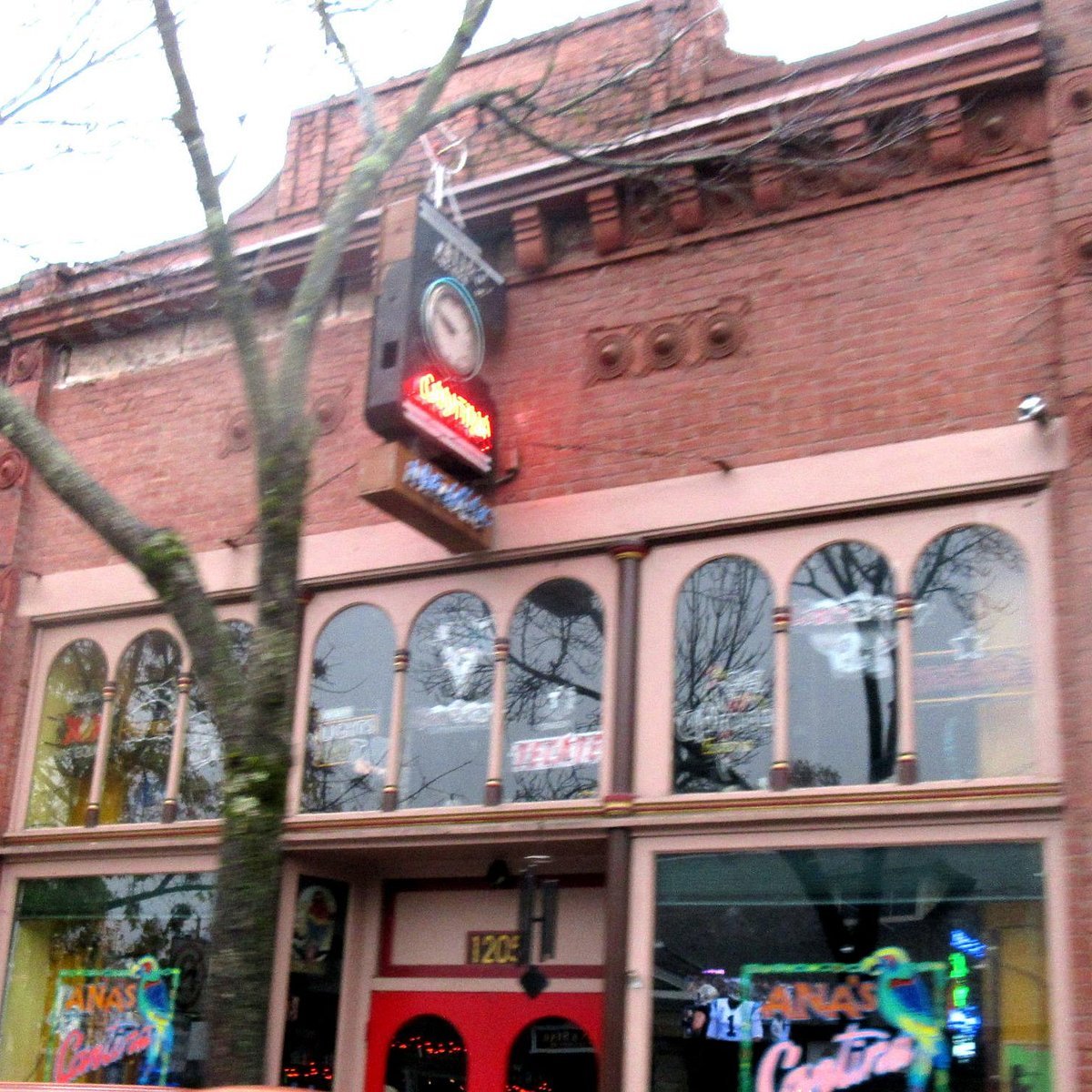
<h2>Where Napa's Modern Wine Industry Began</h2><p>Drive north through St. Helena on Highway 29 and the Charles Krug property announces itself before any signage does. The Victorian-era stone buildings and broad, tree-lined grounds carry the particular weight of a place that has been doing the same thing, on the same land, since 1861. That founding date is not incidental detail — it makes Charles Krug the oldest continuously operating winery in Napa Valley, and the physical estate reflects that longevity in ways that newer tasting rooms, however well-designed, cannot replicate. The Redwood Cellar building alone has stood for more than 150 years.</p><p>California wine history has a way of being told in vintages and scores, but the more durable story runs through institutions. The Napa Valley that draws visitors from across the world today — the appellations, the reputation for Cabernet Sauvignon, the culture of estate winemaking, was seeded in the mid-nineteenth century by a small number of pioneering producers. Charles Krug was among the first, and the address at 2800 Main Street in St. Helena has been at the center of that history continuously since.</p><h2>The Winery in Its Competitive Context</h2><p>St. Helena's tasting room offerings now span a wide range, from appointment-only library experiences at small-production estates to open-format hospitality at larger historic properties. Charles Krug occupies a specific position in that range: a historic estate with significant acreage and production scale, offering structured tasting programs on grounds that carry genuine historical weight. That combination places it in a different comparable set than the intimate, allocation-only producers that have proliferated along the valley in recent decades.</p><p>The comparison worth making is between estates that trade primarily on narrative and those that deliver substantive hospitality alongside it. Napa has plenty of both. At the Charles Krug end of the spectrum, the draw is not scarcity or exclusivity but depth, of history, of place, and of the wine program itself, which spans multiple tiers including the Generations collection, a Bordeaux-style blend that signals the estate's ambitions within Napa's premium Cabernet tier.</p><p>Visitors who want to read the full breadth of St. Helena's drinking scene alongside a winery visit will find useful context in our <a href="https://www.enprimeurclub.com/cities/st-helena">full St. Helena restaurants guide</a>. For bar programming in the area, Farmstead at Long Meadow Ranch offers a farm-to-table format with its own wine and cocktail program, while Goose & Gander runs one of the more considered cocktail lists in the town center. Archetype and <a href="https://www.enprimeurclub.com/bars/anas-cantina-st-helena-bar">Ana's Cantina</a> round out a compact but varied bar scene for a town of St. Helena's size.</p><h2>Tasting Room Programming and What to Prioritize</h2><p>The editorial angle on Napa tasting rooms has shifted in the past decade. The question is no longer simply whether wine is good, at this price tier, it generally is, but whether the format, the setting, and the information density of the experience justify the visit over alternatives. At Charles Krug, the grounds themselves do significant work. A tasting conducted in proximity to 19th-century stone architecture, with context about how this specific land influenced the broader development of California viticulture, produces a different kind of experience than a purpose-built contemporary tasting room, however well-appointed.</p><p>The winery's programming has historically included multiple tasting formats, from seated estate experiences to more casual options, though visitors should confirm current availability and booking requirements directly, as programming changes seasonally. Given the property's scale and reputation, walk-in access is possible at certain times but cannot be assumed, particularly during the harvest season (September through November) and peak summer weekends. Advance planning is the safer approach for any structured tasting format.</p><h2>A Note on Wine Programs Across Formats</h2><p>For readers whose interest extends to cocktail programs and bar craft beyond Napa, the technical ambition now present in American bar culture offers a useful contrast. Kumiko in Chicago has built a program around Japanese spirits and precision technique that places it among the more intellectually demanding bar experiences in the country. <a href="https://www.enprimeurclub.com/bars/jewel-of-the-south-new-orleans">Jewel of the South in New Orleans</a> anchors itself in historical cocktail traditions with similar scholarly seriousness. <a href="https://www.enprimeurclub.com/bars/abv">ABV in San Francisco</a> is the closest geographically, running a program that treats spirits with the same sourcing discipline that serious wine producers apply to viticulture. Further afield, <a href="https://www.enprimeurclub.com/bars/bar-leather-apron-honolulu">Bar Leather Apron in Honolulu</a>, <a href="https://www.enprimeurclub.com/bars/julep-houston">Julep in Houston</a>, <a href="https://www.enprimeurclub.com/bars/superbueno-new-york-city">Superbueno in New York City</a>, and <a href="https://www.enprimeurclub.com/bars/the-parlour-frankfurt-on-the-main">The Parlour in Frankfurt on the Main</a> each represent the same shift toward depth and specificity that defines the current moment in premium drinking, whether the glass contains wine or spirits.</p><p>The connecting thread across these venues and a historic Napa estate like Charles Krug is the same: the most compelling drinking experiences now depend on institutional knowledge and genuine place, not on marketing positioning alone.</p><h2>Planning Your Visit</h2><p>Charles Krug Winery is located at 2800 Main Street in St. Helena, along the main Highway 29 corridor that runs through the Napa Valley. The address puts it in the northern cluster of St. Helena wineries, within easy reach of the town center and its dining options. Visitors driving from San Francisco should allow approximately 90 minutes in ordinary traffic conditions; the route via Highway 101 north and then east on Highway 37 or 121 is the standard approach.</p><p>Current hours, tasting formats, and booking procedures are best confirmed through the winery's own channels before visiting. Given the historical significance of the property and the depth of programming it supports, the visit warrants advance planning rather than a spontaneous stop, particularly for anyone seeking a seated, guided format rather than a walk-up wine-by-the-glass experience.</p><h2>Frequently Asked Questions</h2><dl><dt>What's the must-try at Charles Krug Winery?</dt><dd>Charles Krug is a winery, not a cocktail bar, so the reference point here is the wine program rather than a drinks list. The Generations Cabernet Sauvignon is the estate's prestige tier, a Bordeaux-style blend that positions the winery within Napa's upper-echelon Cabernet category, the appropriate frame of reference for assessing it is alongside other St. Helena estate Cabernets rather than valley-floor production wines. If the estate's tasting formats include library or vertical options, those carry the additional credential of the winery's 1861 founding date as context.</dd><dt>What's the main draw of Charles Krug Winery?</dt><dd>The primary draw is historical depth: Charles Krug is the oldest continuously operating winery in Napa Valley, founded in 1861, which gives the estate a place in California wine history that no amount of recent critical acclaim can replicate. For visitors already familiar with Napa's contemporary range of high-design tasting rooms and allocation-list producers, the Charles Krug property offers a different kind of reference point, one that explains how the valley arrived at its current reputation. The estate's location in St. Helena keeps it accessible to the town's broader dining and bar scene.</dd><dt>Can I walk in to Charles Krug Winery?</dt><dd>Walk-in access depends on the season and the specific format sought. During peak periods, harvest season in autumn and summer weekends, demand at established Napa estates typically exceeds spontaneous capacity. The prudent approach is to check current availability and booking requirements directly with the winery before visiting, particularly for any structured seated tasting. Casual visits to the grounds may carry different terms than formal tasting appointments.</dd><dt>How does Charles Krug fit into Napa's broader history of estate winemaking?</dt><dd>Charles Krug is widely credited as a foundational institution in California wine, with a founding date of 1861 that predates Napa's appellation system by more than a century. The estate's longevity means it has operated across every significant shift in California wine culture, from the post-Prohibition rebuild of the mid-20th century through the Judgment of Paris era and into the current period of appellation refinement. For visitors interested in how Napa became what it is, the property at 2800 Main Street in St. Helena functions as primary source material rather than a curated re-telling.</dd></dl>
Know before you go
- Dress code
- smart_casual
- Reservations
- recommended
- Parking
- on_site_lot
- Payment
- credit_card, debit_card
- Outdoor seating
- Yes
- Groups
- Welcomed
- Children
- Welcomed
Frequently asked
Where can I find Charles Krug Winery?
Charles Krug Winery is located at 2800 Main St, St Helena, CA 94574, St. Helena.
Why is Charles Krug considered historically significant in Napa Valley?
Charles Krug established the first commercial winery in Napa Valley in 1861, making the St. Helena estate the foundational reference point for the region's wine industry. The property's original stone structures have survived more than 160 years, giving the site a material continuity that newer Napa estates cannot replicate. That founding status places Charles Krug in a different category from the many post-1970s wineries now operating along Highway 29.
What's the must-try cocktail at Charles Krug Winery?
Charles Krug is a wine estate, not a cocktail bar, so the focus at 2800 Main Street in St. Helena is on estate-grown varietal wines rather than a spirits or cocktail program. Visitors looking for cocktail-forward programming will find that in other Napa Valley venues along Highway 29.
What's the main draw of Charles Krug Winery?
Charles Krug holds the distinction of being Napa Valley's oldest commercial winery, and that history is physically present in the Victorian-era stone buildings on the St. Helena property. For wine drinkers, the draw is access to estate-grown wines in a setting that predates California's modern wine industry. The Highway 29 address places it at the centre of St. Helena's wine corridor.
Can I walk in to Charles Krug Winery?
Walk-in availability at Charles Krug's St. Helena tasting room is not confirmed in current documentation. Given the shift across Napa Valley toward appointment-based visits at estate wineries along Highway 29, contacting the winery directly before arrival is advisable.
Address
2800 Main St, St Helena, CA 94574
St. Helena
How it compares
- Cuisine
- wine_bar
- Price
- $$$
- Awards
- —
- Notes
- St. Helena
- Cuisine
- lounge
- Price
- $$$
- Awards
- —
- Notes
- St. Helena
- Cuisine
- dive_bar
- Price
- $
- Awards
- —
- Notes
- St. Helena
- Cuisine
- Farm-to-Table American
- Price
- $$$
- Awards
- —
- Notes
- St. Helena
- Cuisine
- Farm-to-Table California
- Price
- $$$
- Awards
- —
- Notes
- St. Helena
- Cuisine
- American Classics with Seasonal Farm-to-Table Approach
- Price
- $$
- Awards
- —
- Notes
- Main Street