Made ByWinery
Château Pichon Longueville Baron

Chef in Residence
AXA Millesimes
Owner
- 01CityPauillac, France
- 02RecognitionWorld's 50 Best — No. 19
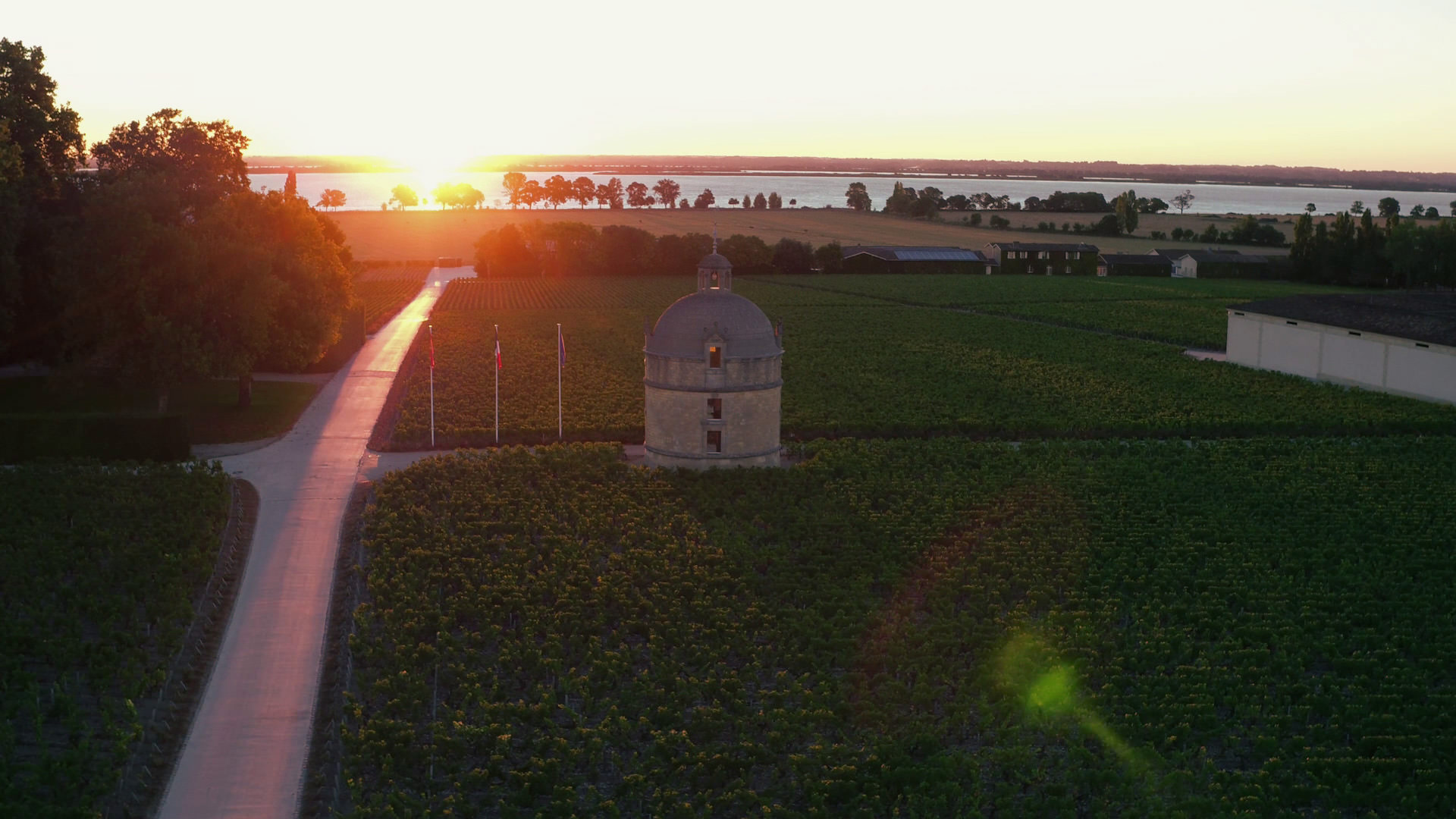
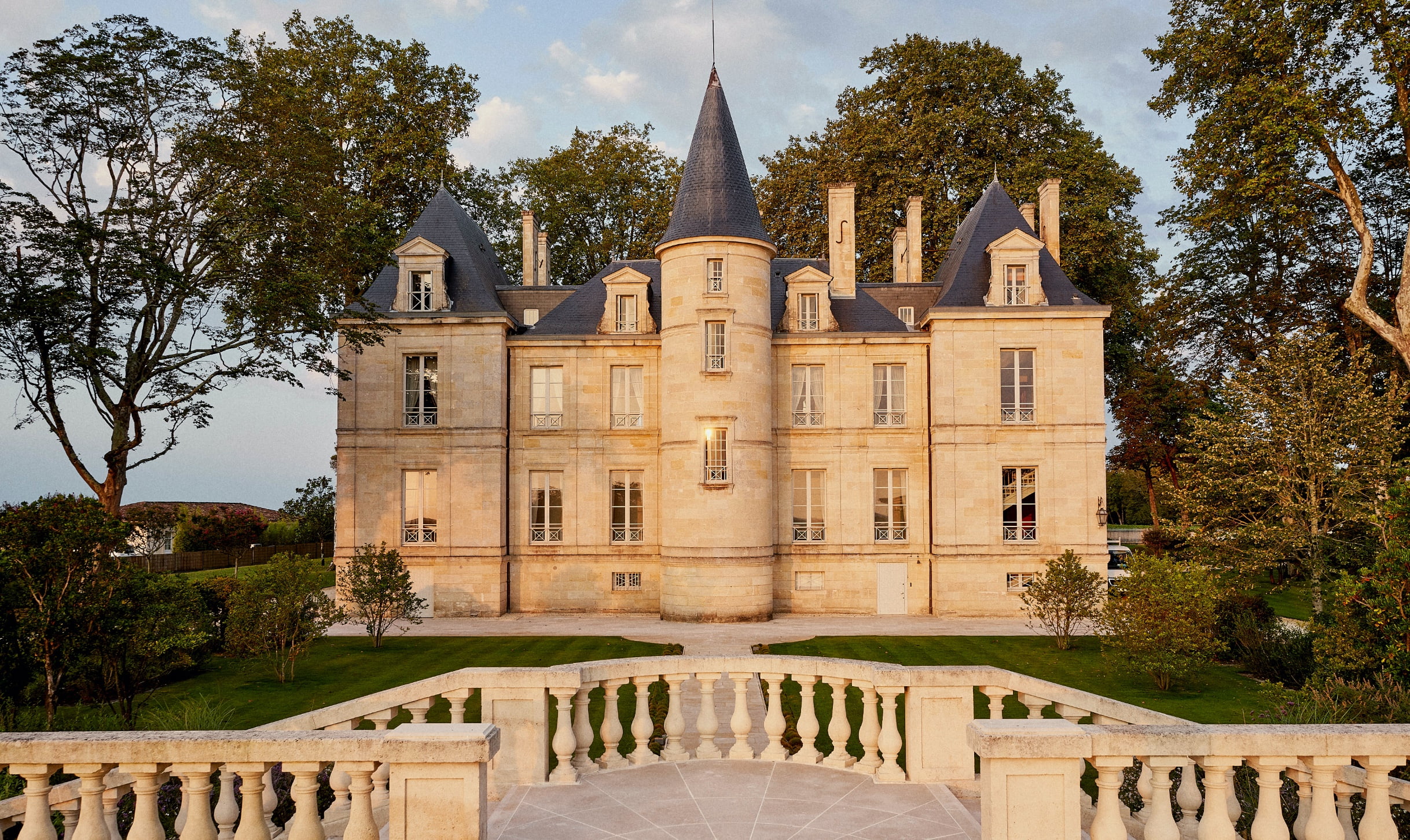
A Second Growth château whose nineteenth-century silhouette, turrets reflected in a still forecourt pond, has become one of the most photographed images in the Médoc. Under winemaker Jean-René Matignon, Pichon Baron produces structured, age-worthy Cabernet-dominant Pauillac and holds a Pearl 4 Star Prestige rating for 2025. Visits to the estate sit within easy reach of Pauillac's broader wine corridor.
- World's 50 Best · #19
At a glance
- Price
- $$$$
- Neighborhood
- Pauillac
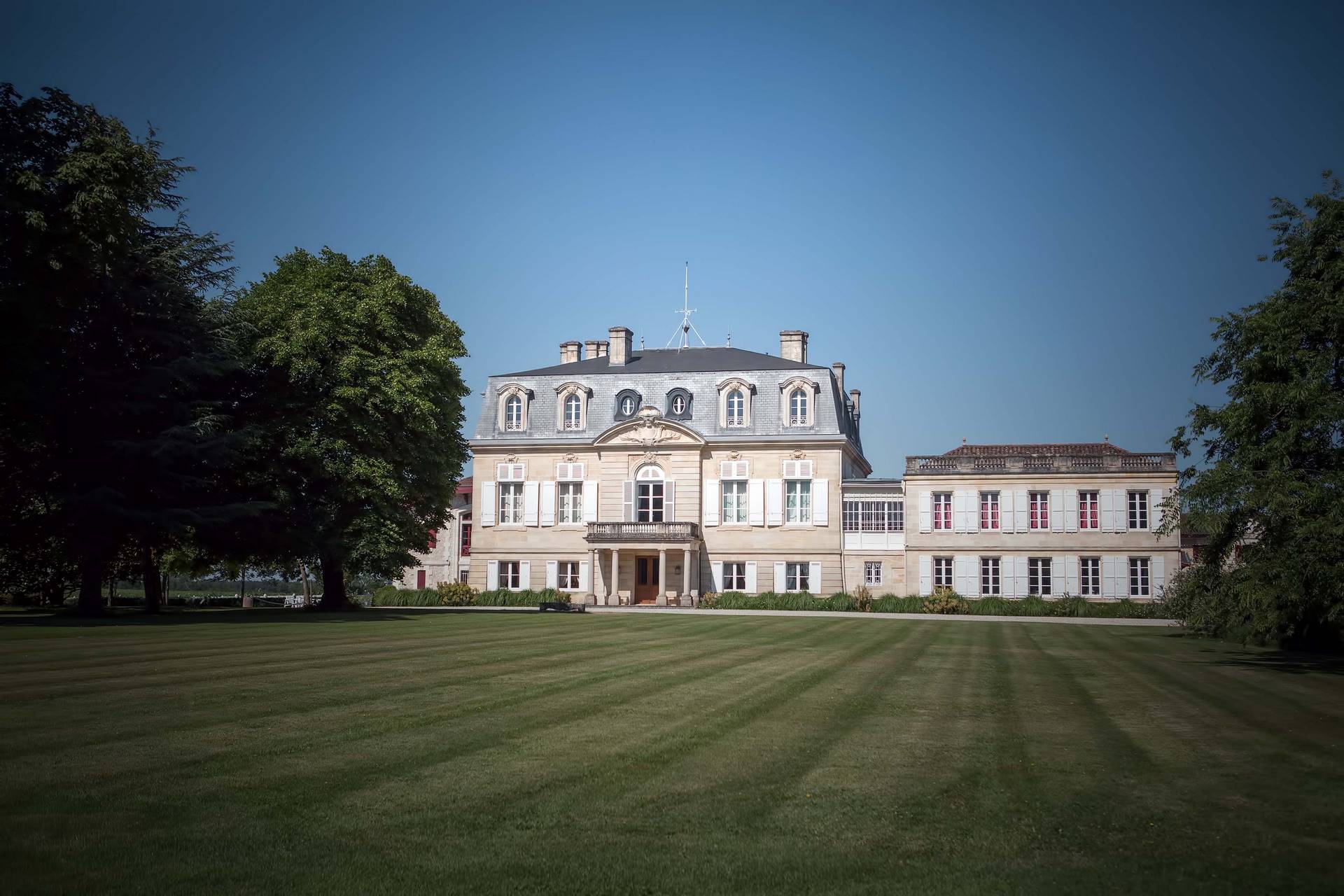
<h2>Architecture Before the First Pour</h2><p>Approaching Château Pichon-Longueville-Baron-de-Pichon along the D2, the road that threads through the Médoc's most concentrated run of classified châteaux, the building announces itself before any wine is opened. The nineteenth-century structure, with its steep-pitched rooflines and paired turrets, sits reflected in a rectangular forecourt pond that functions as a kind of natural framing device. Few architectural moments in Bordeaux are as deliberately composed, and the image has become shorthand for the region in a way that few single estates manage. This is not incidental. The Médoc's grand châteaux were built to signal permanence and hierarchy, and Pichon Baron's silhouette carries that weight with unusual directness.</p><p>The estate sits at D2, 33250 Pauillac, within the Pauillac appellation, where the 1855 Classification placed it as a Second Growth alongside a small peer group that includes <a href="https://www.enprimeurclub.com/wineries/chateau-pichon-comtesse">Château Pichon-Longueville-Comtesse-de-Lalande</a> directly across the road. That proximity is one of the more interesting quirks of Bordeaux geography: two estates sharing a name, a classification tier, and a boundary line, producing wines that read differently despite drawing from neighbouring parcels. For the visitor, the contrast is worth understanding before arrival.</p><h2>The Pauillac Context and What It Demands of the Wine</h2><p>Pauillac produces a style of Cabernet Sauvignon-dominant claret that has defined the international benchmark for the variety across generations. The appellation contains three First Growths, Lafite Rothschild, Latour, and Mouton Rothschild, alongside a dense concentration of Second through Fifth Growths that includes Château Lynch-Bages, Château Grand-Puy-Lacoste, and Château Clerc Milon, among others. The secondary market treats Second Growths from this appellation seriously, and estates at this classification level price and position against a narrow comparable set rather than the broader Bordeaux market.</p><p>Within that comparable set, Pichon Baron has historically been read as the more structured and tannic expression of the two Pichons, requiring more time in bottle to resolve. This is partly a function of vineyard composition, the estate draws heavily from the gravelly plateau south of Pauillac, and partly of winemaking approach. Winemaker Jean-René Matignon oversees production, and the wines under his direction have maintained the estate's reputation for building wines with backbone, the kind of structure that makes sense only when you consider a fifteen-to-twenty-year drinking window as the norm rather than the exception.</p><p>For visitors arriving to taste or tour, that context shapes how to engage with whatever is in the glass. A young vintage from Pichon Baron is not a wine that flattens easily into accessible fruit. It makes demands. That is the point. Other classified Pauillac estates at a similar tier, including <a href="https://www.enprimeurclub.com/wineries/chateau-batailley-pauillac-winery">Château Batailley</a> and <a href="https://www.enprimeurclub.com/wineries/chateau-haut-bages-liberal-pauillac-winery">Château Haut-Bages-Libéral</a>, offer different stylistic entry points within the same appellation if the preference is for earlier-drinking structure.</p><h2>The Estate's Wine Range and How It Is Structured</h2><p>The estate produces a grand vin and a second wine. This two-tier structure is standard practice among classified Médoc châteaux, but at Second Growth level it carries particular weight because the selection criteria for the grand vin are tighter and the second wine functions as a genuine alternative rather than a residual blend. The second label draws from younger vines and less favoured parcels and provides access to house style at a different price point, which matters in an appellation where the grand vin of a classified estate sits at a premium that many collectors treat as an investment allocation as much as a cellar purchase.</p><p>This architecture of range, grand vin plus second label, mirrors how most of Pauillac's serious classified houses operate. <a href="https://www.enprimeurclub.com/wineries/chateau-d-armailhac-pauillac-winery">Château d'Armailhac</a> and <a href="https://www.enprimeurclub.com/wineries/chateau-grand-puy-ducasse-pauillac-winery">Château Grand-Puy-Ducasse</a> follow similar logic. The distinction at Pichon Baron is that both labels carry the estate's architectural identity and classification weight, which shapes how négociants, merchants, and en primeur buyers position them relative to peers.</p><p>The 2025 Pearl 4 Star Prestige recognition reflects current standing in the estate's quality arc. Comparable left-bank estates in adjacent appellations, such as <a href="https://www.enprimeurclub.com/wineries/chateau-branaire-ducru-st-julien">Château Branaire Ducru in St-Julien</a> and <a href="https://www.enprimeurclub.com/wineries/chateau-boyd-cantenac-cantenac-winery">Château Boyd-Cantenac in Cantenac</a>, operate within a similar prestige-tier framework, and the cross-appellation comparison is useful for buyers building a Médoc cellar with range rather than depth in a single commune.</p><h2>Planning a Visit to the Médoc Corridor</h2><p>The D2 route that passes Pichon Baron forms the spine of the Médoc's most productive tasting itinerary. The density of classified châteaux along this corridor means that a single day can take in properties from Margaux in the south to Pauillac in the north, covering multiple appellations and classification levels. Pichon Baron's position on this route, directly adjacent to the Château Latour estate boundary and across from Pichon Lalande, places it at the northern end of a stretch that rewards unhurried travel.</p><p>Visits to classified Médoc châteaux typically require advance booking, and Pichon Baron is no exception. The estate does not operate as a walk-in tasting room. Organised visits, often combining a cellar tour with a tasting of current releases, are the standard format. Booking lead times vary by season, with the harvest period in September and October and the en primeur tasting week in April generating the most demand. Arriving outside these windows generally gives more flexibility, but the estate's profile means that even quieter months benefit from confirmed reservations.</p><p>For those building a broader Bordeaux itinerary, the right bank offers a useful stylistic counterpoint. <a href="https://www.enprimeurclub.com/wineries/chateau-belair-monange-saint-emilion-winery">Château Bélair-Monange in Saint-Émilion</a> and <a href="https://www.enprimeurclub.com/wineries/chateau-bastor-lamontagne">Château Bastor-Lamontagne in Preignac</a> provide Merlot-dominant and sweet wine reference points that place the Pauillac style in sharper relief. Further afield, <a href="https://www.enprimeurclub.com/wineries/chateau-cantemerle-haut-medoc">Château Cantemerle in Haut-Médoc</a> rounds out the classified Médoc picture at its southern edge.</p><p>For travellers drawing comparisons outside Bordeaux, the structural seriousness of aged Pauillac finds loose parallels in <a href="https://www.enprimeurclub.com/wineries/accendo-cellars">Accendo Cellars in St. Helena</a> on the Napa Valley side, or in the precision-led Alsatian approach at <a href="https://www.enprimeurclub.com/wineries/albert-boxler-niedermorschwihr-winery">Albert Boxler in Niedermorschwihr</a>. Meanwhile, for something entirely different in a French context, <a href="https://www.enprimeurclub.com/wineries/chartreuse-voiron-winery">Chartreuse in Voiron</a> and <a href="https://www.enprimeurclub.com/wineries/aberlour-aberlour-winery">Aberlour in Aberlour</a> represent the spirits end of the premium French and Scotch production spectrum, useful reference points for a wider drink-focused itinerary. And <a href="https://www.enprimeurclub.com/wineries/chateau-pedesclaux-pauillac-winery">Château Pédesclaux</a> rounds out the classified Pauillac roster for those committed to working through the appellation systematically.</p>
Know before you go
- Dress code
- smart_casual
- Reservations
- appointment_only
- Parking
- on_site_lot
Frequently asked
Where is Château Pichon-Longueville-Baron-de-Pichon located?
Château Pichon-Longueville-Baron-de-Pichon is located at D2, 33250 Pauillac, Pauillac.
What recognition does Château Pichon-Longueville-Baron-de-Pichon have?
Château Pichon-Longueville-Baron-de-Pichon has received recognition including: Castles don’t come more picture-perfect than the nineteenth century Château Pichon Baron, its turrets and spires reflected in the forecourt’s rectangular pond.; Pearl 4 Star Prestige (2025); Castles don’t come more picture-perfect than the ….
What should I taste at Château Pichon-Longueville-Baron-de-Pichon?
The estate produces a grand vin and a second wine under winemaker Jean-René Matignon, both Cabernet Sauvignon-dominant in the Pauillac tradition. The grand vin is the primary reference point: structured, age-worthy claret that sits within the Second Growth tier of the 1855 Médoc classification. If you are visiting the estate, prioritise the current vintage release alongside a library pour if offered, as the gap between young and mature expression tells the story of what Pauillac Cabernet is built to do.
Why do people go to Château Pichon-Longueville-Baron-de-Pichon?
Pichon Baron sits at the intersection of two draws that are difficult to separate: the wine and the building. The 19th-century château, with its turrets and spires reflected in the forecourt pond, is among the most photographed in the Médoc, earning Pearl 4 Star Prestige recognition in 2025. On the wine side, a Second Growth classification and winemaker Jean-René Matignon's direction give the estate credibility that goes beyond the postcard. It is positioned on the D2 alongside Latour and Léoville-Las Cases, which makes it a natural anchor for a structured Médoc tasting itinerary.
How far ahead should I plan for Château Pichon-Longueville-Baron-de-Pichon?
The Médoc high season runs from May through October, when the D2 corridor attracts significant trade and consumer visits from Bordeaux's en primeur calendar and summer tourism. Classified estates at this level typically require advance booking for tastings, and Pichon Baron is no exception. Planning two to four weeks ahead is reasonable outside peak season; for spring en primeur week or summer weekends, six to eight weeks is more reliable. Contact the château directly via their address at D2, 33250 Pauillac to confirm availability and visit formats.
What makes Château Pichon Baron's architecture historically significant among Médoc classified estates?
Built in the 19th century, the château is among the most architecturally elaborate in the Médoc, distinguished by its turrets and spires and the rectangular reflecting pond that mirrors the façade directly in front of it. That configuration, which effectively doubles the visual weight of the building, is unusual even in a region where classified châteaux compete on presentation. The estate received Pearl 4 Star Prestige recognition in 2025, a designation that accounts for property as well as wine. Winemaker Jean-René Matignon oversees production from this estate in Pauillac, where the physical setting and the Second Growth reputation reinforce each other.
Address
D2, 33250 Pauillac
Pauillac · Bordeaux
How it compares
Château Pichon-Longueville-Baron-de-Pichon
- Cuisine
- Cabernet Sauvignon, Merlot
- Price
- $$$$
- Awards
- World's 50 Best #19
- Notes
- Pauillac
- Cuisine
- Cabernet Sauvignon, Merlot
- Price
- $$$$
- Awards
- World's 50 Best #22
- Notes
- Pauillac
- Cuisine
- Cabernet Sauvignon, Merlot
- Price
- $$$$
- Awards
- 1 recognition
- Notes
- Pauillac
- Cuisine
- Cabernet Sauvignon, Merlot
- Price
- $$$$
- Awards
- 1 recognition
- Notes
- Pauillac
- Cuisine
- Cabernet Sauvignon, Merlot
- Price
- $$$$
- Awards
- 1 recognition
- Notes
- Pauillac
- Cuisine
- Cabernet Sauvignon, Merlot
- Price
- $$$$
- Awards
- 1 recognition
- Notes
- Pauillac