Made ByWinery
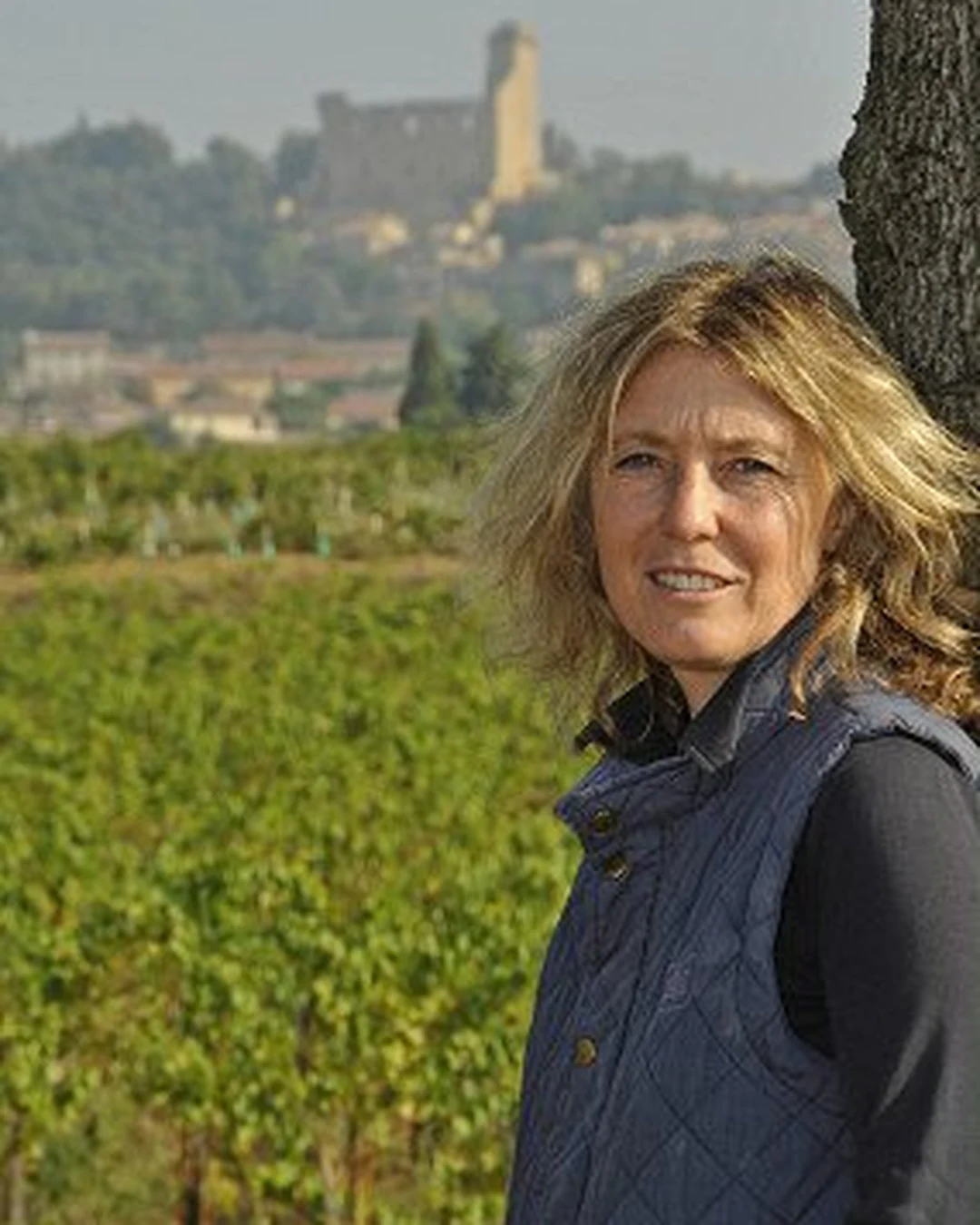
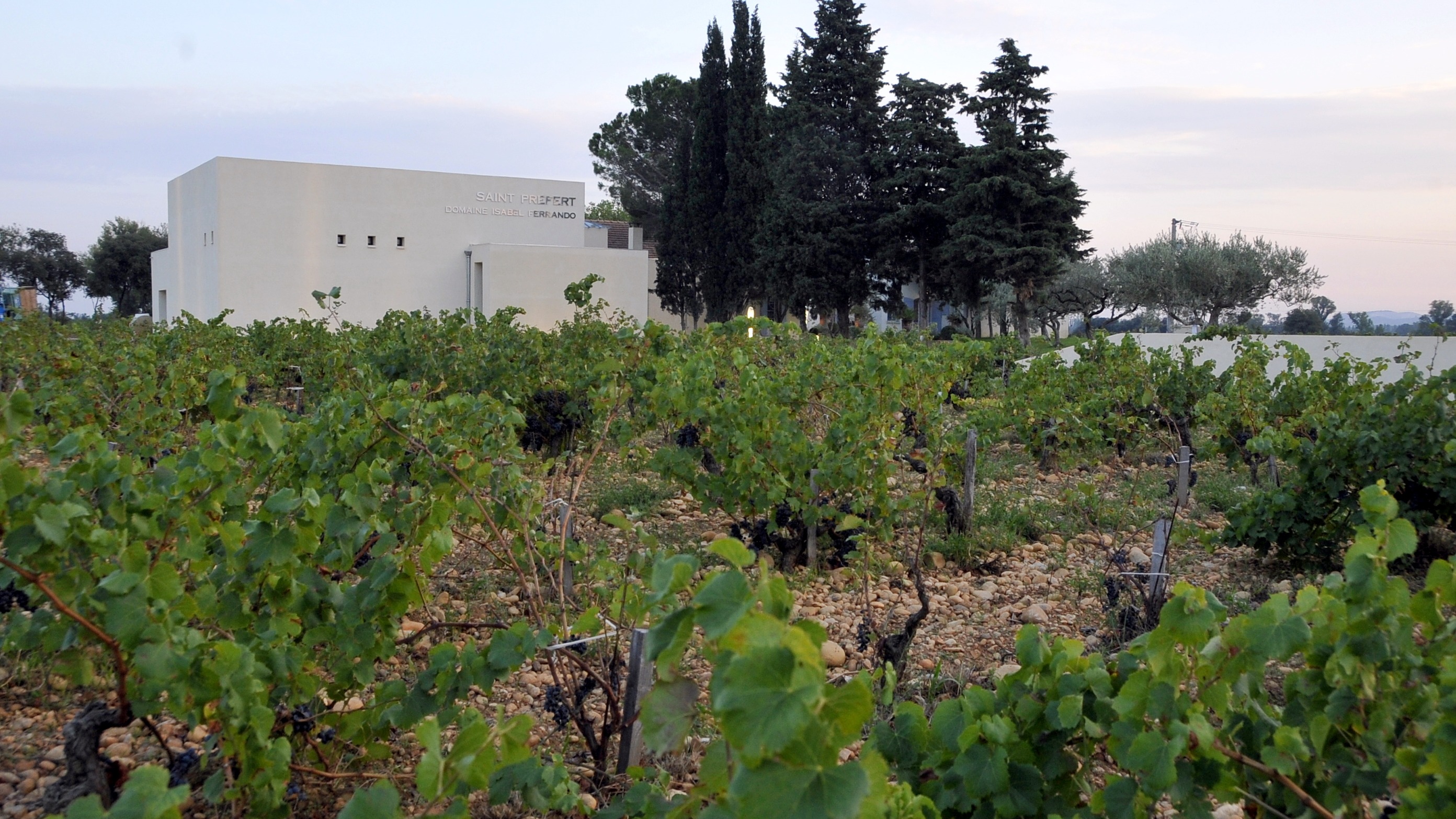
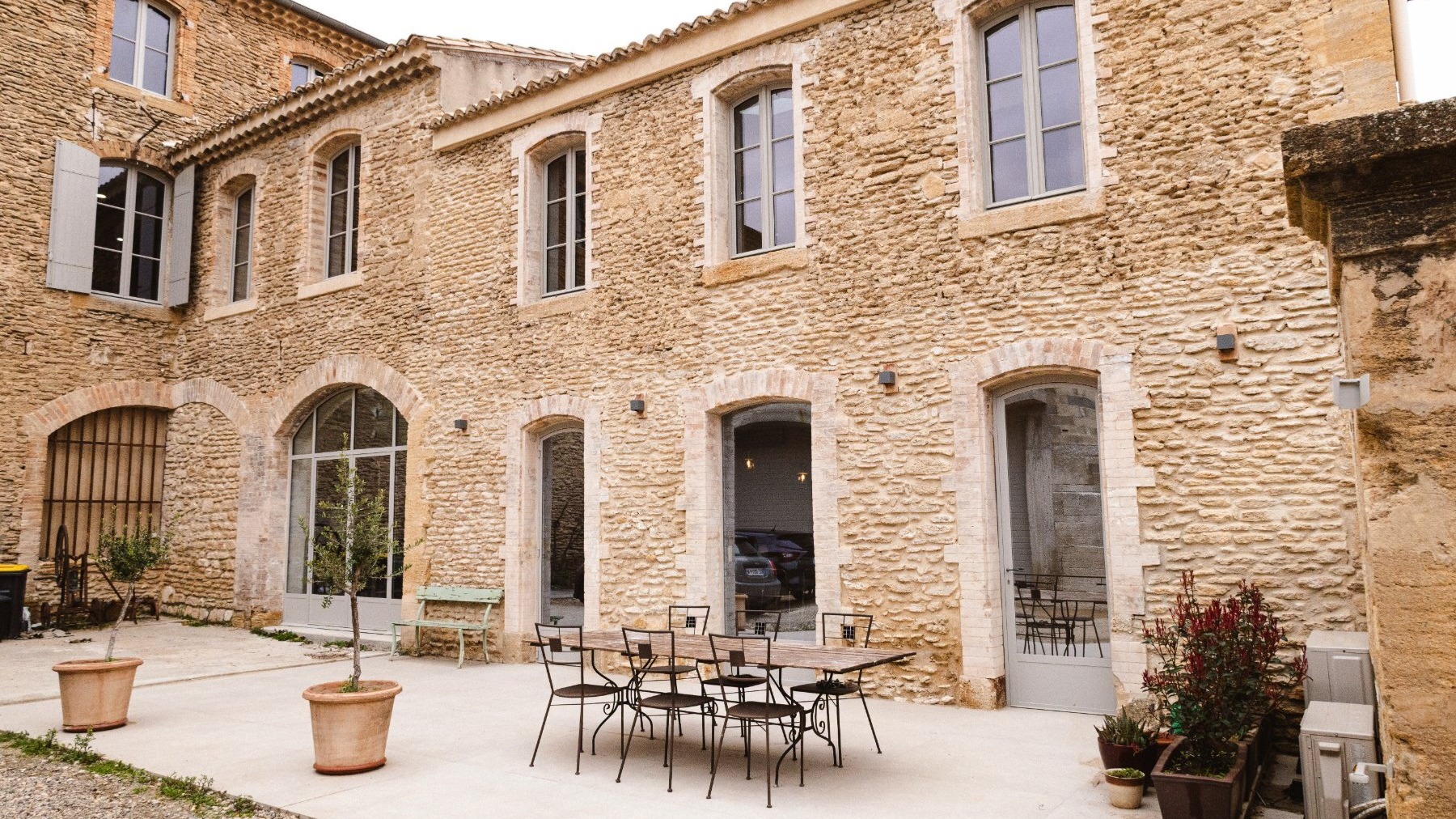
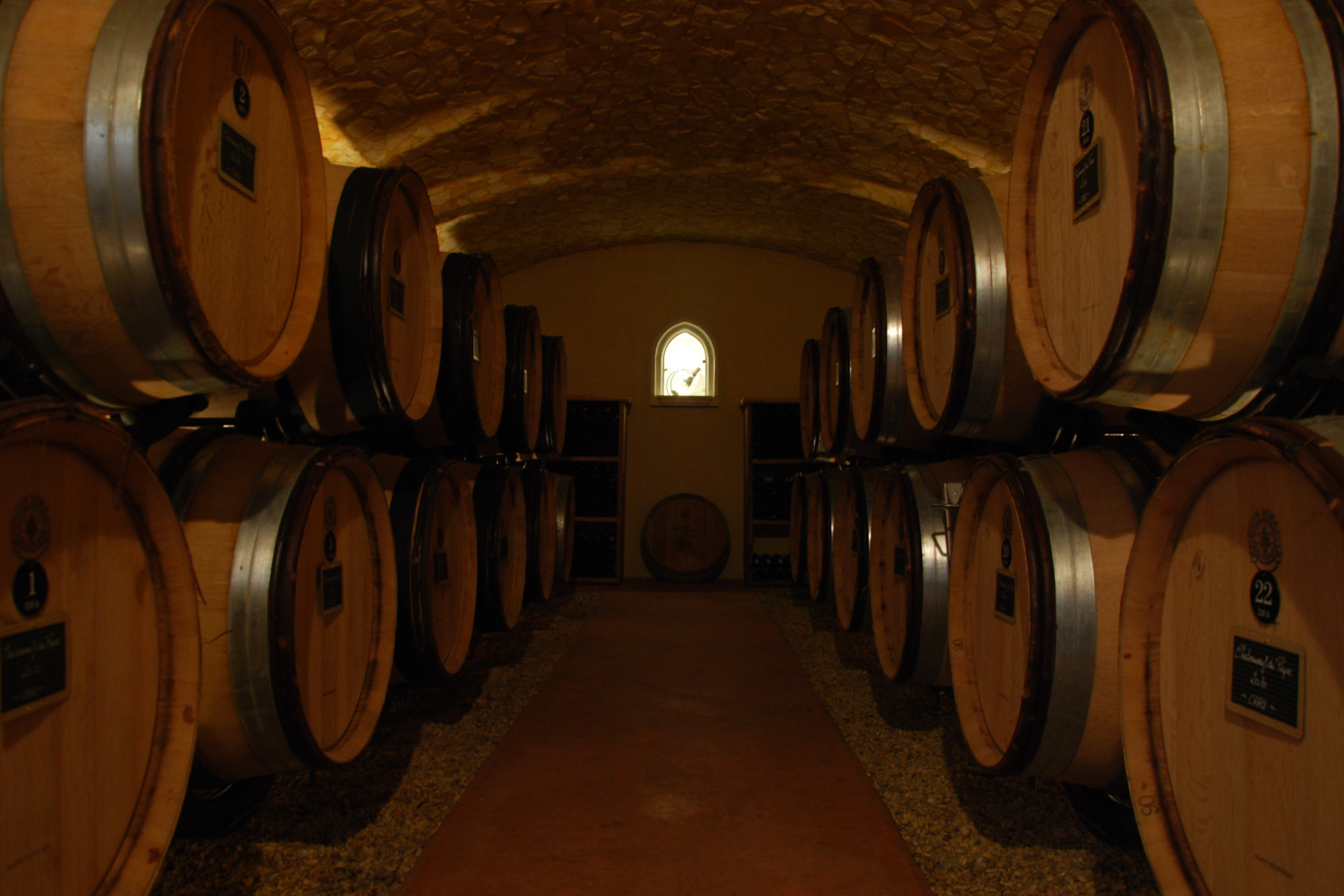
Domaine Saint Préfert is a Châteauneuf-du-Pape estate with roots dating to 1920, now producing under winemaker Isabel Ferrando. Holder of a Pearl 4 Star Prestige award in 2025, the domaine sits in the upper tier of southern Rhône producers defined by old-vine parcels and appellation-specific terroir discipline. Visitors approaching the estate find a property shaped as much by its geological inheritance as by any recent intervention.
At a glance
- Price
- $$$
- Neighborhood
- Châteauneuf-du-Pape
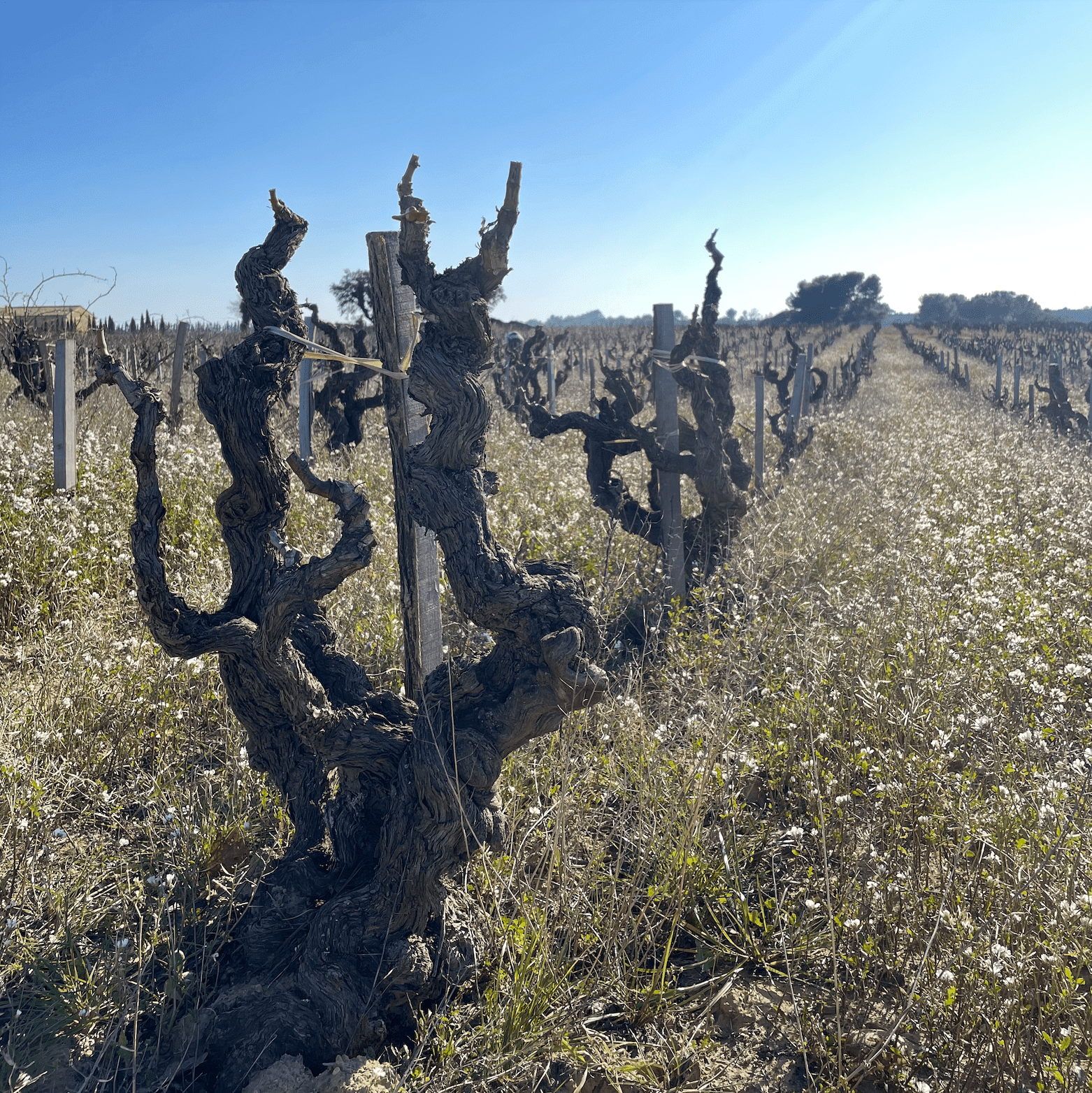
<h2>Old Stone, Old Vines: The Terroir Argument at Châteauneuf-du-Pape</h2><p>The D17 road into Châteauneuf-du-Pape carries you through a landscape that looks, at first glance, incompatible with great wine. The plateau is pale, sun-blasted, covered in the large rounded stones, galets roulés, that store daytime heat and radiate it back through the night. The mistral combs everything horizontal. Yields are punishing. This is the geological argument that Châteauneuf has been making since its appellation was formalised in 1936, and it is an argument that rewards producers who listen to the land rather than attempt to override it.</p><p>Domaine Saint Préfert, whose parcels occupy this same plateau, belongs to the cohort of estates where that geological inheritance is the primary text. Under winemaker Isabel Ferrando, the domaine has built a reputation grounded in old-vine intensity and appellation precision, earning a Pearl 4 Star Prestige award in 2025. In the context of the appellation, that recognition places the estate in a specific tier: not the household-name giants, but specialist producers whose wines circulate through serious collectors and allocation lists rather than retail shelves.</p><h2>What the Appellation Demands of Its Producers</h2><p>Châteauneuf-du-Pape permits up to 18 grape varieties, a complexity that few other appellations in France attempt. In practice, most producers anchor their blends in Grenache, supplemented by Syrah, Mourvèdre, and smaller contributions from varieties like Cinsault or Clairette. The blending decisions here are not aesthetic choices made in a vacuum, they reflect which varieties perform on which soil types, whether the pale sandy soils of the northwestern plateau, the clay-limestone terroirs of the east, or the heavy galets-covered zones that dominate the central plateau.</p><p>The domaine has had a century to understand its parcel inheritance. First-vintage dates of that era predate not just modern winemaking technology but the appellation classification itself. The vines that survived that period, through phylloxera's aftermath and the replanting waves of the mid-twentieth century, now carry the concentration and root depth that younger plantings cannot replicate in any accelerated timeframe. This is the central sourcing argument for old-vine Châteauneuf: the ingredient is the vine age, and it cannot be manufactured.</p><p>Producers working this appellation in the same quality tier include <a href="https://www.enprimeurclub.com/wineries/clos-des-papes-rhne">Clos Des Papes</a>, which has maintained consistent critical standing across multiple decades, and <a href="https://www.enprimeurclub.com/wineries/domaine-charvin">Domaine Charvin</a>, whose Grenache-dominant approach draws comparisons across the specialist collector market. <a href="https://www.enprimeurclub.com/wineries/chateau-rayas">Chateau Rayas</a> occupies its own rarefied category, with allocation scarcity that places it outside any conventional pricing comparison. <a href="https://www.enprimeurclub.com/wineries/domaine-de-la-solitude">Domaine de la Solitude</a> and <a href="https://www.enprimeurclub.com/wineries/domaine-du-clos-saint-jean-rhne">Domaine du Clos Saint Jean</a> complete a picture of the appellation's mid-to-upper tier, a group defined less by proximity to one another than by shared commitment to place-specific production. Saint Préfert sits inside that conversation, with its 2025 prestige recognition adding a current signal to its track record.</p><h2>Isabel Ferrando and the Question of Winemaker Continuity</h2><p>In appellations where estate reputations shift dramatically with winemaking changes, continuity carries a premium. The southern Rhône has seen enough generational transitions and ownership changes to make long-term custodianship a meaningful data point. Ferrando's tenure at Domaine Saint Préfert represents exactly that kind of continuity: a winemaker whose name has become synonymous with the estate's output and whose approach to the appellation's multi-varietal framework is well established.</p><p>The role matters here less as biography than as quality signal. In appellation terms, a winemaker who has worked the same parcels across multiple vintages develops a granular knowledge of site behaviour, which sections ripen ahead of others, where water retention differs, how the mistral affects specific parcels differently. That accumulated site knowledge is not transferable, and it contributes directly to the sourcing precision that distinguishes estates at this level from their more generic neighbours.</p><p>For comparison, the discipline of producer-specific sourcing is equally central to estates operating in entirely different French regions. <a href="https://www.enprimeurclub.com/wineries/albert-boxler-niedermorschwihr-winery">Albert Boxler in Niedermorschwihr</a> represents this same principle in Alsace, where individual vineyard parcels define the wine before any stylistic decision enters the picture. The logic is consistent: the ingredient, the specific parcel of specific vine age in a specific geological context, precedes the method.</p><h2>The 2025 Pearl 4 Star Prestige Award in Context</h2><p>Awards in the wine world function as calibration tools rather than verdicts. A Pearl 4 Star Prestige designation in 2025 places Domaine Saint Préfert within a defined quality bracket at a specific moment in time, and it is most useful when read alongside the estate's broader positioning. The appellation's most allocated producers, Rayas being the extreme case, operate beyond award systems in any practical sense. The awards-track tier immediately below that level, where Saint Préfert now sits with its 2025 recognition, is where serious buyers spend most of their attention.</p><p>Across France's wine regions, that awards-track tier tends to correlate with estates that have achieved quality consistency across at least a decade of vintages, combined with a production scale small enough to maintain parcel-level control. The southern Rhône's variable vintage conditions, the drought stress of warmer years, the rain complications of others, make that consistency harder to achieve than in more climatically stable appellations. A 2025 prestige award at an estate founded in 1920 suggests that the century of site knowledge is doing measurable work.</p><p>Other prestige-tier producers across France operating in similarly specialist frameworks include <a href="https://www.enprimeurclub.com/wineries/chateau-belair-monange-saint-emilion-winery">Château Bélair-Monange in Saint-Emilion</a> and <a href="https://www.enprimeurclub.com/wineries/chateau-branaire-ducru-st-julien">Château Branaire Ducru in St-Julien</a>, both of which anchor their reputations in terroir specificity rather than brand scale. The parallels are instructive: prestige-level production at any serious address involves the same underlying logic, whether in Bordeaux, Burgundy, or the southern Rhône.</p><h2>Visiting and Planning</h2><p>Châteauneuf-du-Pape sits roughly 15 kilometres north of Avignon, a distance that makes it accessible as a standalone day visit from the city or as part of a broader southern Rhône itinerary that might include producers further up the valley. The village itself is compact, with the ruined château offering orientation from elevation before descending to the cellar visits below.</p><p>Domaine Saint Préfert is located at 425 Chemin Saint-Préfert, 84230 Châteauneuf-du-Pape. Booking and visiting arrangements are best confirmed directly with the estate; no online booking infrastructure or phone contact is publicly listed. Given the estate's award profile and collector-facing market position, advance contact is the practical approach, walk-in availability at this tier of producer is not something to rely on, particularly during harvest periods in September and October or the spring en primeur window.</p><p>For a fuller picture of dining and wine experiences across the appellation and village, see our full Châteauneuf-du-Pape guide. Those planning a wider French wine itinerary might also consider <a href="https://www.enprimeurclub.com/wineries/chateau-bastor-lamontagne">Château Bastor-Lamontagne in Preignac</a>, <a href="https://www.enprimeurclub.com/wineries/chateau-batailley-pauillac-winery">Château Batailley in Pauillac</a>, or <a href="https://www.enprimeurclub.com/wineries/chateau-boyd-cantenac-cantenac-winery">Château Boyd-Cantenac in Cantenac</a> for a Bordeaux counterpart to the Rhône experience. Further afield, <a href="https://www.enprimeurclub.com/wineries/chartreuse-voiron-winery">Chartreuse in Voiron</a>, <a href="https://www.enprimeurclub.com/wineries/aberlour-aberlour-winery">Aberlour in Aberlour</a>, and <a href="https://www.enprimeurclub.com/wineries/accendo-cellars">Accendo Cellars in St. Helena</a> illustrate how the prestige-production model translates across entirely different traditions and geographies.</p>
Know before you go
- Dress code
- smart_casual
- Reservations
- appointment_only
- Parking
- on_site_lot
Frequently asked
Where do I go for Domaine Saint Préfert?
Domaine Saint Préfert is located at 425 Chem. Saint-Préfert, 84230 Châteauneuf-du-Pape, Châteauneuf-du-Pape.
Does Domaine Saint Préfert have any notable recognition?
Domaine Saint Préfert has received recognition including: Pearl 4 Star Prestige (2025).
What wines is Domaine Saint Préfert known for?
Domaine Saint Préfert produces wines within the Châteauneuf-du-Pape appellation, which permits up to 18 grape varieties and anchors most blends on Grenache. The estate has earned a Pearl 4 Star Prestige designation in 2025, placing it among the appellation's more closely watched producers. Winemaker Isabel Ferrando has been the shaping force behind the estate's style, which the broader critical conversation in the southern Rhône ties to precise terroir expression.
What's the main draw of Domaine Saint Préfert?
The combination of a named winemaker with sustained tenure and a 2025 Pearl 4 Star Prestige award gives Domaine Saint Préfert a credibility that many Châteauneuf-du-Pape estates take decades to establish. Isabel Ferrando's continuity at the helm matters in an appellation where winemaking changes have repeatedly reset estate reputations. The address at 425 Chemin Saint-Préfert places the domaine on one of the plateau's historically significant vineyard routes.
Should I book Domaine Saint Préfert in advance?
Châteauneuf-du-Pape estates of this recognition level typically receive visitors by appointment rather than open-door walk-ins, so contacting the domaine ahead of any planned visit is advisable. The estate sits roughly 15 kilometres north of Avignon, making it a focused half-day from the city. Confirming availability before travel is the practical approach, particularly during the harvest period in autumn when producer schedules tighten considerably.
How does Isabel Ferrando's role at Domaine Saint Préfert compare to other winemakers in the Châteauneuf-du-Pape appellation?
In an appellation with dozens of producers, having a named winemaker with documented tenure gives Domaine Saint Préfert a traceable stylistic identity that buyer and critic communities use as a reference point. Isabel Ferrando's stewardship underpins the estate's 2025 Pearl 4 Star Prestige recognition, a designation that functions as an external calibration of consistent quality. Few Châteauneuf-du-Pape estates at this level maintain the same degree of public winemaker attribution, which makes Ferrando's profile at the domaine a distinguishing factor within the appellation's peer group.
Address
425 Chem. Saint-Préfert, 84230 Châteauneuf-du-Pape
Châteauneuf-du-Pape · Rhone
How it compares
- Cuisine
- Grenache, Mourvèdre
- Awards
- 1 recognition
- Notes
- Châteauneuf-du-Pape, $$$
- Cuisine
- Grenache, Syrah
- Awards
- 1 recognition
- Notes
- Châteauneuf-du-Pape, $$$
- Cuisine
- Grenache, Mourvèdre
- Awards
- 1 recognition
- Notes
- Châteauneuf-du-Pape, $$$$
- Cuisine
- Grenache, Mourvèdre
- Awards
- 1 recognition
- Notes
- Châteauneuf-du-Pape, $$$$
- Cuisine
- Grenache, Syrah
- Awards
- 1 recognition
- Notes
- Châteauneuf-du-Pape, $$$
- Cuisine
- Grenache, Syrah
- Awards
- 1 recognition
- Notes
- Châteauneuf-du-Pape, $$$