Made ByWinery

One of Napa Valley's founding estates, Heitz Cellar has been making wine on the St. Helena Highway since 1961, placing it among the valley's oldest continuously operating producers. Winemaker Brittany Sherwood now stewards a legacy that earned a Pearl 4 Star Prestige rating in 2025. For collectors and serious occasion visitors, this address carries the kind of institutional weight that takes generations to accumulate.
At a glance
- Price
- $$$$
- Per person
- $85
- Neighborhood
- St. Helena
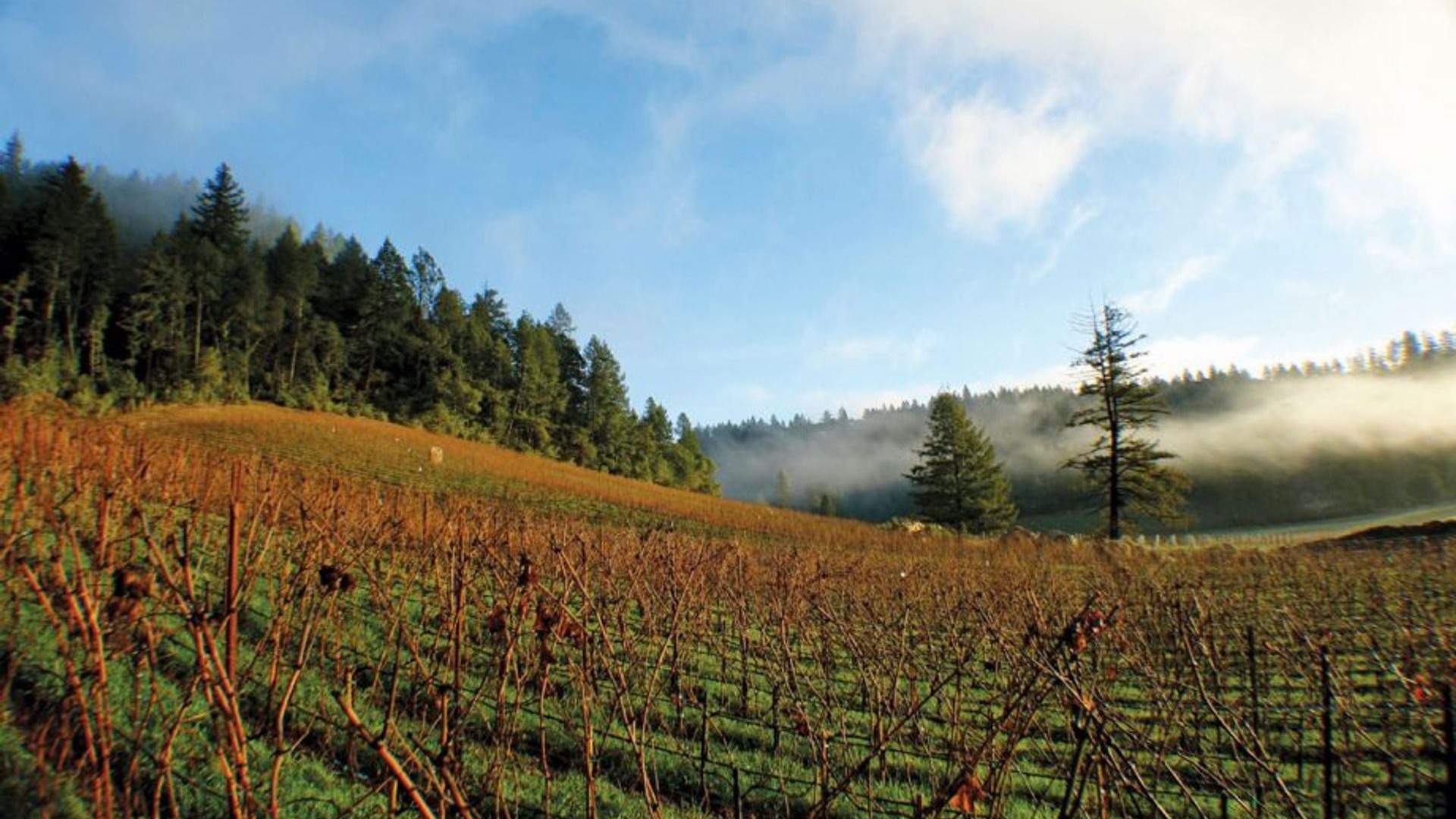
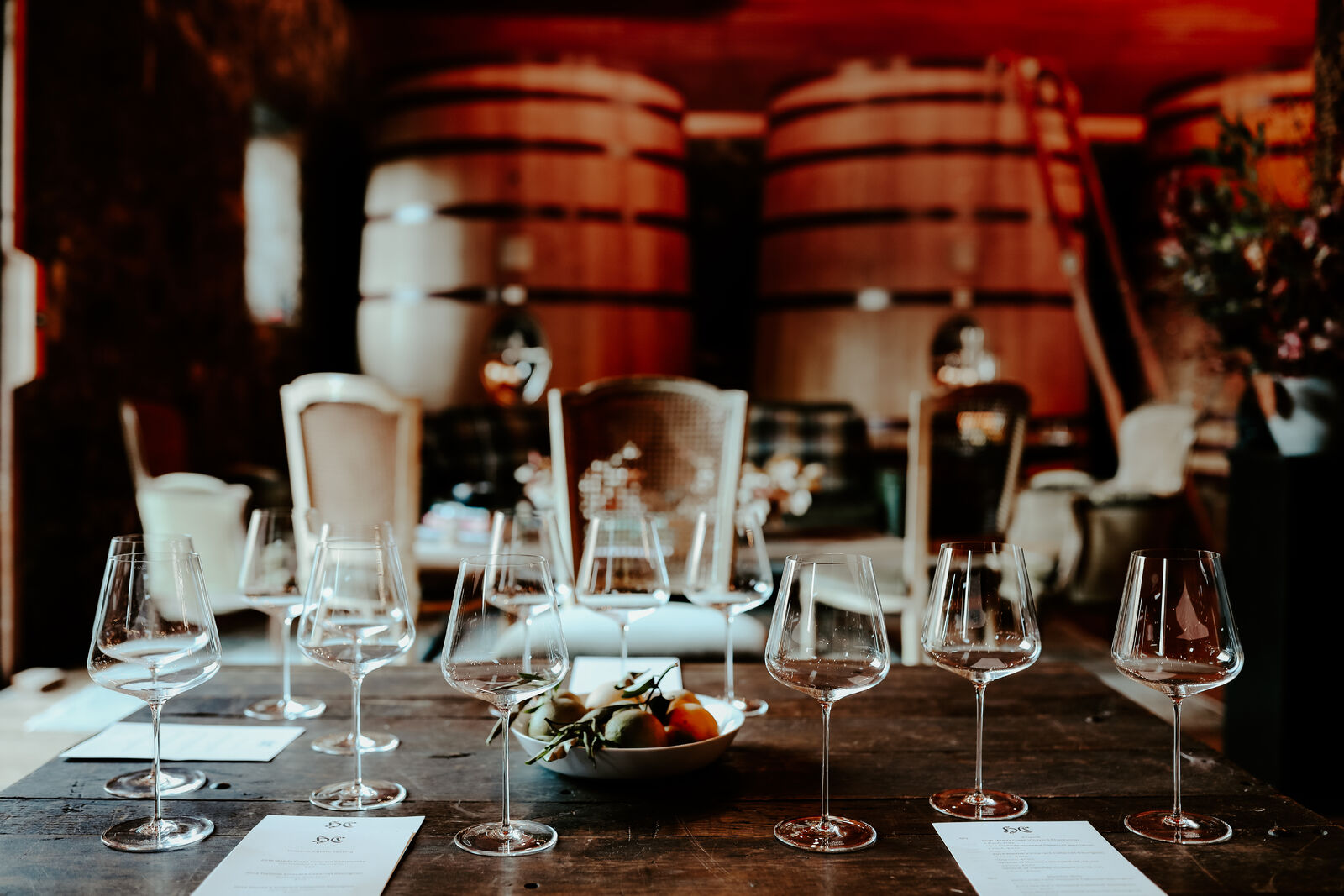
<h2>Six Decades on the St. Helena Highway</h2><p>Driving north on Highway 29 through St. Helena, the density of premium addresses thins out just enough that the established estates announce themselves with a certain earned quietness. Heitz Cellar Estate, at 436 St Helena Hwy, has occupied this stretch since 1961, a first-vintage date that places it at the founding generation of Napa's modern wine identity. Most of the valley's prestige producers trace their origin to the 1970s boom or later; Heitz predates that wave entirely. Arriving here, that chronological gap registers as physical weight: the property carries the settled, unhurried quality of somewhere that has never needed to explain itself to the market.</p><p>Napa's premium tier has fractured considerably over the past two decades. Large hospitality-focused estates compete on spectacle, while allocation-only cult producers court collectors through scarcity alone. Heitz occupies a different position: a house with genuine institutional memory, now held to contemporary standards by winemaker Brittany Sherwood and recognized with a Pearl 4 Star Prestige rating in 2025. That credential places it inside the valley's upper tier.</p><h2>The Weight of a Milestone Visit</h2><p>Occasion dining in wine country has its own grammar. A significant anniversary, a retirement, a milestone birthday: these events call for a place that carries meaning beyond a single menu or a fashionable address. The most resonant visits tend to connect the occasion to something larger, whether that is a tradition, a provenance, or a house whose history extends well past the moment. Heitz Cellar Estate operates at that frequency. A property that released its first vintage in 1961 offers something most of Napa cannot: the legitimate possibility that a bottle you open tonight was made before you were born, or before the person you are celebrating entered the wine world at all.</p><p>That temporal dimension shifts the register of a visit. Rather than a tasting experience framed around the current release and a photogenic pour, the context here is one of continuity. Collectors who have followed the estate for decades bring a different kind of attention; first-time visitors arrive with the sense that they are reading a chapter in a longer story. For special occasions, that depth of narrative is often exactly what a table of serious wine drinkers is looking for, and few Napa addresses can provide it with the same documentary evidence.</p><p>Nearby producers like <a href="https://www.enprimeurclub.com/wineries/accendo-cellars">Accendo Cellars in St. Helena</a> and <a href="https://www.enprimeurclub.com/wineries/blackbird-vineyards-napa-winery">Blackbird Vineyards</a> represent the more recent generation of prestige Napa producers, each building their own track record. Heitz simply has more of that record to draw on, and for an occasion visit, that distinction is material.</p><h2>Brittany Sherwood and the Continuity Question</h2><p>Every long-established wine house eventually faces the same problem: how does a winemaking identity survive leadership transition without losing the thread that made it worth preserving in the first place? The answer is rarely about replication. It requires a winemaker capable of understanding the house style as a living set of principles rather than a fixed formula.</p><p>Brittany Sherwood's position at Heitz represents the current answer to that continuity question. The Pearl 4 Star Prestige recognition in 2025 suggests the estate is maintaining the quality standard expected of a founding-generation Napa house. What that means in practice, from the vineyard sourcing through to the structural approach in the cellar, is the substance of any serious visit. The wines produced under her tenure are the current chapter in a line that runs back to 1961, and for collectors comparing production philosophy across established Napa houses, that lineage matters as a reference point.</p><p>For context on how winemaker credentials function across the valley's prestige tier, properties like <a href="https://www.enprimeurclub.com/wineries/darioush-winery-napa-winery">Darioush Winery</a> and <a href="https://www.enprimeurclub.com/wineries/artesa-vineyards-and-winery">Artesa Vineyards and Winery</a> offer comparison points across different ownership models and stylistic approaches. <a href="https://www.enprimeurclub.com/wineries/ashes-and-diamonds-winery">Ashes and Diamonds Winery</a> and <a href="https://www.enprimeurclub.com/wineries/clos-du-val">Clos Selene Winery</a> represent further variation in how Napa's established tier handles the tension between tradition and contemporary sensibility.</p><h2>Where Heitz Sits in the Napa Hierarchy</h2><p>Napa's premium identity is Cabernet-dominant, and the valley's most-discussed estates tend to cluster around that grape. The founding-generation producers, of which Heitz is one of the clearest examples, helped establish that identity in the first place. The property's 1961 start date preceded the 1976 Paris Tasting, which reset the world's understanding of California wine, and the estate produced during the period when Napa's benchmark style was still being defined rather than replicated.</p><p>That historical position creates a specific kind of authority. Newer prestige properties, however well-funded or critically acclaimed, are working within a framework that houses like Heitz helped construct. For collectors who care about that genealogy, the distinction is not sentimental: it affects how you read the wines, how you contextualize the house style, and what you are actually purchasing when you acquire a bottle with this address on the label.</p><p>Other long-established California producers at different ends of the geographic spectrum, including <a href="https://www.enprimeurclub.com/wineries/adelaida-vineyards">Adelaida Vineyards in Paso Robles</a>, <a href="https://www.enprimeurclub.com/wineries/alban-vineyards">Alban Vineyards in Arroyo Grande</a>, and <a href="https://www.enprimeurclub.com/wineries/alexander-valley-vineyards-geyserville-winery">Alexander Valley Vineyards in Geyserville</a>, show how different California regions have developed their own founding narratives. But within Napa specifically, the founding-generation cohort is small, and Heitz sits squarely within it.</p><h2>Planning a Visit</h2><p>The estate sits at 436 St Helena Hwy in St. Helena, well-placed within the valley's central corridor where a significant proportion of Napa's prestige addresses are concentrated. St. Helena's position on the highway means it is accessible from both Yountville to the south and Calistoga to the north, making it practical to combine with other visits in the same trip. Advance planning is advisable; visits are by appointment only. Visitors planning a wider exploration of the valley's prestige producers at a similar quality tier should consider pairing the visit with <a href="https://www.enprimeurclub.com/wineries/alpha-omega-winery-rutherford-winery">Alpha Omega Winery in Rutherford</a> or <a href="https://www.enprimeurclub.com/wineries/andrew-murray-vineyards">Andrew Murray Vineyards in Los Olivos</a> for a broader read on California's premium range.</p><p>For those for whom a single-region focus feels limiting, international reference points such as <a href="https://www.enprimeurclub.com/wineries/adelsheim-vineyard-newberg-winery">Adelsheim Vineyard in Newberg</a>, <a href="https://www.enprimeurclub.com/wineries/aberlour-aberlour-winery">Aberlour in Aberlour</a>, and <a href="https://www.enprimeurclub.com/wineries/achaia-clauss-patras-winery">Achaia Clauss in Patras</a> illustrate how the founding-generation producer narrative plays out in other wine cultures. The parallels are instructive: long-established houses in any region carry a weight of expectation that newer producers, regardless of critical reception, cannot replicate through effort alone.</p>
Know before you go
- Dress code
- smart_casual
- Reservations
- appointment_only
- Parking
- on_site_lot
- Payment
- credit_card, debit_card
- Outdoor seating
- Yes
Frequently asked
Is Heitz Cellar Estate award-winning?
Heitz Cellar Estate has received recognition including: Pearl 4 Star Prestige (2025).
Where can I find Heitz Cellar Estate?
Heitz Cellar Estate is located at 436 St Helena Hwy, St Helena, CA 94574, Napa.
What do visitors recommend trying at Heitz Cellar Estate?
Heitz Cellar has been defined by its Cabernet Sauvignon program since its 1961 founding, and that remains the logical focus of any tasting visit. Winemaker Brittany Sherwood now oversees the program, continuing the estate's Napa Cabernet-first identity. The estate's Pearl 4 Star Prestige rating (2025) reflects sustained output quality across the range.
What's the standout thing about Heitz Cellar Estate?
The 1961 founding vintage places Heitz Cellar among Napa's earliest modern producers, predating the 1976 Paris Tasting that put California wine on the international map. That chronological depth gives the estate a back-catalogue and institutional credibility that newer Napa houses simply cannot replicate. The Pearl 4 Star Prestige recognition in 2025 confirms the estate's continued standing in the current Napa hierarchy.
Do they take walk-ins at Heitz Cellar Estate?
Walk-in availability at a Pearl 4 Star Prestige-rated Napa estate on Highway 29 is not a reliable assumption, particularly during peak season from late spring through harvest. Advance contact through the estate's official channels is the practical approach before visiting 436 St Helena Hwy. Booking ahead is standard protocol at this tier of Napa wine estate.
How does Heitz Cellar's winemaker transition affect the estate's direction?
Winemaker Brittany Sherwood now leads production at an estate with over six decades of established Cabernet identity in St. Helena. The question of whether a long-established house preserves or reinterprets its signature style under new leadership is one Napa watchers follow closely, and Heitz's Pearl 4 Star Prestige rating in 2025 suggests continuity has been maintained at the quality tier. Visitors with a serious interest in Napa Cabernet will find the transition worth discussing during a tasting at 436 St Helena Hwy.
Who tends to like Heitz Cellar Estate most?
Collectors and serious wine drinkers focused on Napa's formative period will find the most to engage with here. The estate's 1961 origins predate the valley's commercial boom, which gives it a historical reference point that appeals to those interested in how Napa Cabernet developed as a category. Visitors drawn to winemaker continuity questions will also find Brittany Sherwood's stewardship of the program worth examining.
Address
436 St Helena Hwy, St Helena, CA 94574
St. Helena · Napa Valley
How it compares
- Awards
- 1 recognition
- Cuisine
- Cabernet Sauvignon, Chardonnay
- Notes
- St. Helena, $$$$
- Awards
- 1 recognition
- Cuisine
- Cabernet Sauvignon
- Notes
- Oakville, $$$$
- Awards
- 1 recognition
- Cuisine
- Cabernet Sauvignon
- Notes
- Oakville, $$$$
- Awards
- 1 recognition
- Cuisine
- Cabernet Sauvignon, Cabernet Franc
- Notes
- St. Helena, $$$$
- Awards
- 1 recognition
- Cuisine
- Cabernet Sauvignon
- Notes
- Napa Valley, $$$$
- Awards
- 1 recognition
- Cuisine
- Cabernet Sauvignon, Cabernet Franc
- Notes
- St. Helena, $$$$