Made ByRestaurant
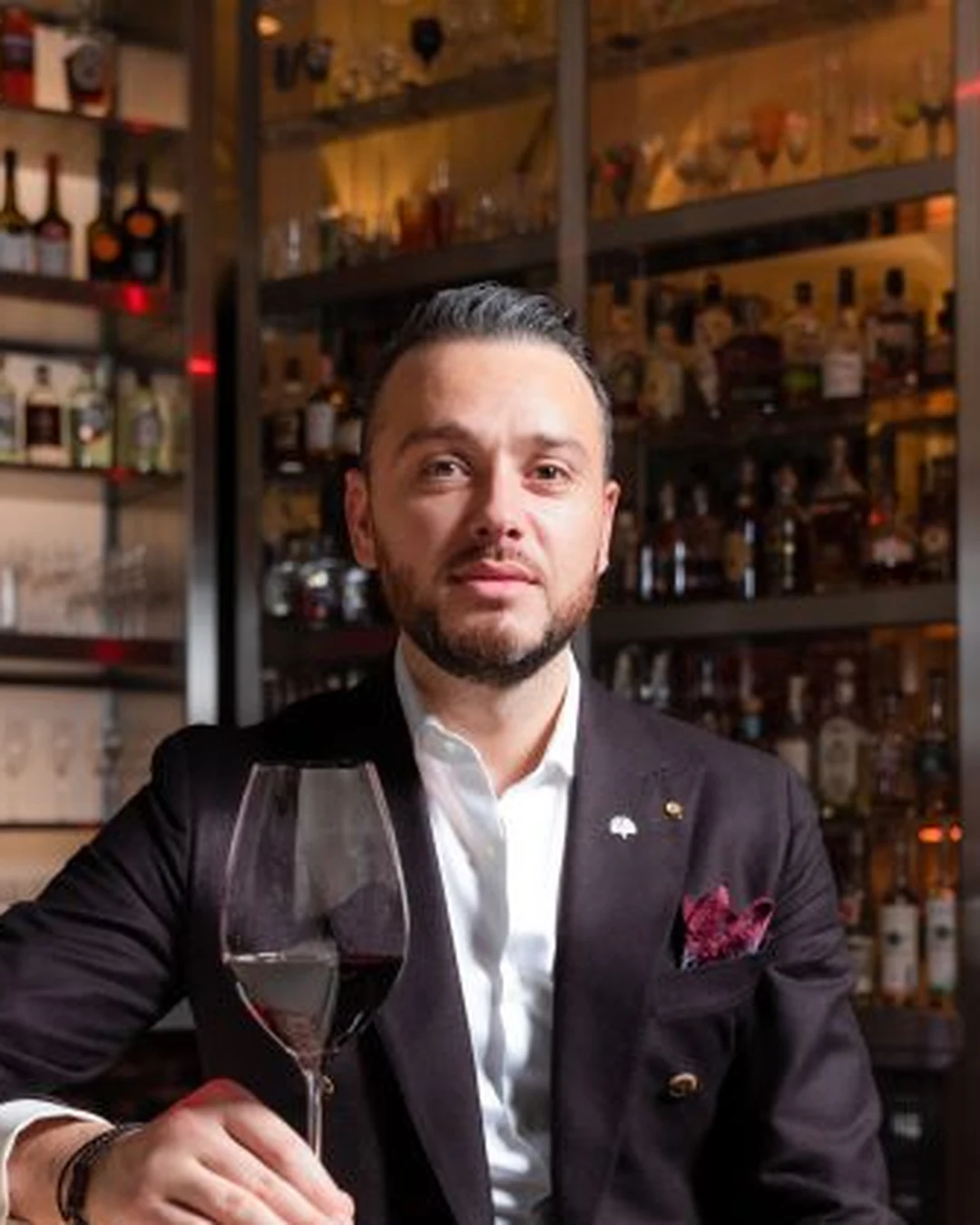
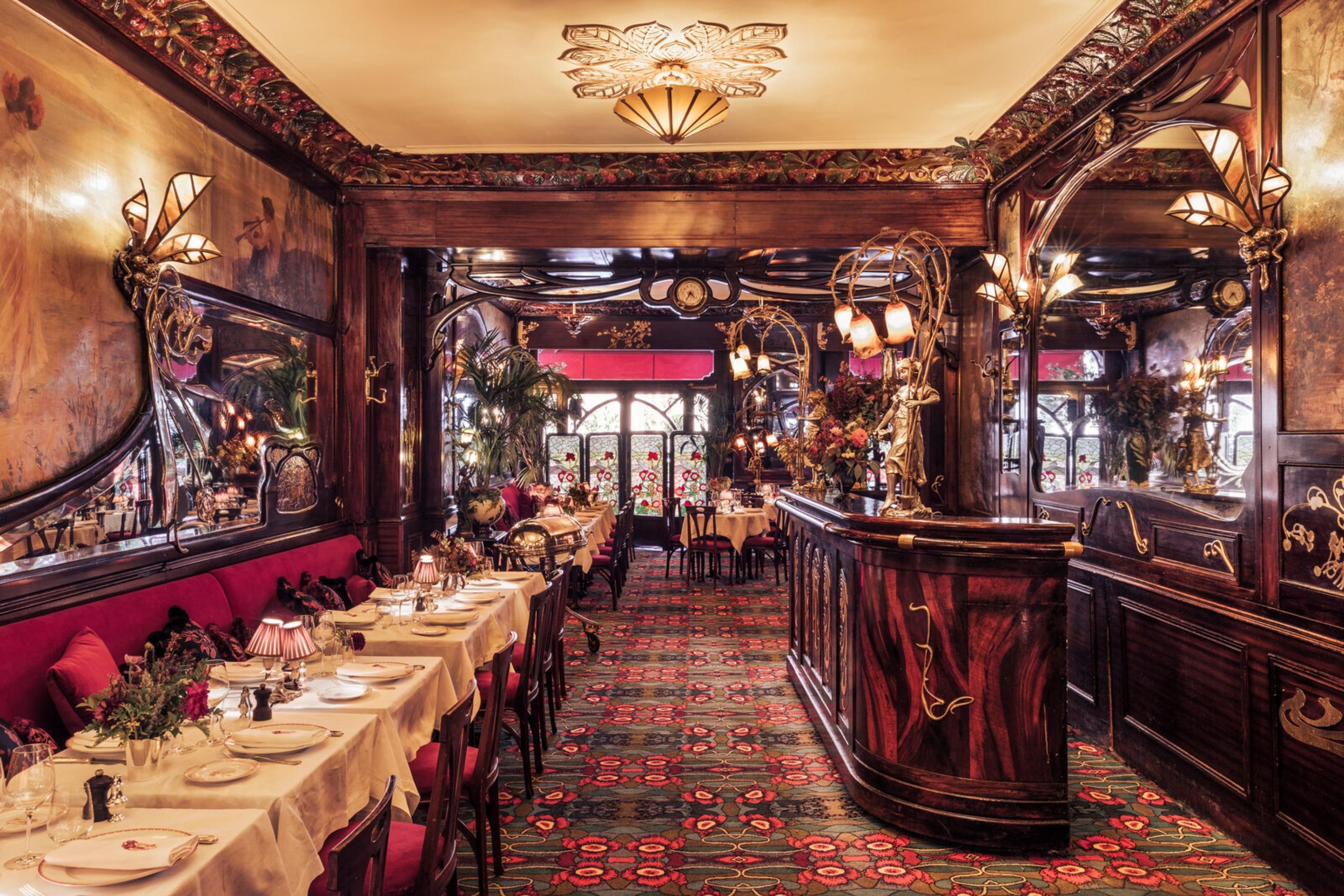
Opened in 1893 on the Rue Royale, Maxim's occupies a specific tier in Paris dining: a Belle Époque institution that carries Opinionated About Dining's Classical Europe ranking (No. 149, 2025) and a Google score of 4.2 across more than 1,300 reviews. Under chef Silvano Sollai, the kitchen holds to French classical technique while the room itself, Art Nouveau in full register, remains one of the most architecturally loaded dining spaces in the city.
At a glance
- Cuisine
- Classic French Fine Dining
- Price
- $$$$
- Per person
- $250
- Hours
- Mon: 7–11 PM; Tue: 7–11 PM; Wed: 7–11 PM; Thu: 7–11:30 PM; Fri: 7–11:30 PM; Sat: 12–2:30 PM, 7–11:30 PM; Sun: 12–2:30 PM, 7–11 PM
- Neighborhood
- Faubourg Saint-Honoré
- Rating
- 4.1 (1,756)
<h2>A Room With a Century of Evidence</h2><p>Few dining rooms in Paris carry architectural weight the way Maxim's does. The address at 3 Rue Royale opened in 1893, and the interior has remained in continuous conversation with its Art Nouveau origins ever since. Belle Époque ironwork, mirrored panels, deep banquettes, and painted ceilings make the room itself a kind of argument, one that the kitchen is expected to answer. That expectation shapes everything about how Maxim's operates in the current Paris dining scene: it is not competing against <a href="https://www.enprimeurclub.com/restaurants/epicure-paris-restaurant">Epicure</a> or <a href="https://www.enprimeurclub.com/restaurants/latelier-de-jol-robuchon-toile-paris-restaurant">L'Atelier de Joël Robuchon, Étoile</a> on modernist ambition. It is competing, instead, on the integrity of its classical French register and the condition of an irreplaceable space.</p><p>That distinction matters when you situate Maxim's inside the broader topology of Paris grand dining. Places like <a href="https://www.enprimeurclub.com/restaurants/le-taillevent-paris-restaurant">Le Taillevent</a> operate in the classical tier with active Michelin recognition. L'Ambroisie and Le Cinq at the Four Seasons George V anchor the €€€€ bracket at the very leading of formal French cuisine. Maxim's sits in a different register, defined less by point-in-time tasting menu invention and more by the continuity of a room and a tradition that stretches back to the Third Republic.</p><h2>Classical French Technique in a Gilded Room</h2><p>The editorial angle that clarifies Maxim's leading is not innovation. It is the relationship between inherited French classical technique and the weight of place. Classical French cooking, in its fullest expression, is itself a set of imported and synthesized methods, court cuisine formalized through the Escoffier system, absorbing regional produce from across France and refining it into a unified grammar of sauce, stock, and protein. Maxim's kitchen, under chef Silvano Sollai, operates inside that grammar rather than in dialogue with it.</p><p>This is worth contrasting with contemporaries working at the intersection of French method and outside influence. <a href="https://www.enprimeurclub.com/restaurants/sezanne-tokyo-restaurant">Sézanne in Tokyo</a>, for example, imports French classical training into a Japanese product context, producing a specific kind of creative tension. At the other end of the French regional spectrum, <a href="https://www.enprimeurclub.com/restaurants/bras-laguiole-restaurant">Bras in Laguiole</a> and <a href="https://www.enprimeurclub.com/restaurants/flocons-de-sel-megeve-restaurant">Flocons de Sel in Megève</a> draw technique into conversation with hyper-local terroir. Maxim's proposition is different from all of these: the technique is the tradition, and the room is the terroir.</p><p>What Sollai's kitchen delivers, within that frame, is classical French cooking that earned Opinionated About Dining's Classical Europe ranking, No. 149 in 2025. OAD's classical category specifically tracks restaurants where the tradition itself is the evaluation criterion, separating them from creative or contemporary categories. Appearing on that list at this address is not incidental; it reflects a consistent standard that a large and active reviewer base has validated. With 1,756 Google reviews at a 4.1 score, the audience is broad.</p><h2>Where Maxim's Fits in the Paris Dining Map</h2><p>Paris in 2025 offers more dining segmentation than at any previous point. The upper bracket now runs from innovation-led tasting menus (Alléno Paris au Pavillon Ledoyen, Plénitude) through contemporary Franco-Asian fusions like Kei, all the way to strict classicists. Maxim's occupies the classical end of that spectrum with a specific advantage: the address itself is unrepeatable. Rue Royale, a short distance from the Place de la Madeleine and the Place de la Concorde, sits inside the 8th arrondissement's concentration of formal dining in the way that few other streets can claim.</p><p>For context on what the broader French classical tradition looks like at its most sustained, it helps to trace the lineage. <a href="https://www.enprimeurclub.com/restaurants/paul-bocuse-lauberge-du-pont-de-collonges-collonges-au-mont-dor-restaurant">Paul Bocuse, L'Auberge du Pont de Collonges</a> in Collonges-au-Mont-d'Or, <a href="https://www.enprimeurclub.com/restaurants/auberge-de-lill-illhaeusern-restaurant">Auberge de l'Ill</a> in Illhaeusern, and <a href="https://www.enprimeurclub.com/restaurants/troisgros-le-bois-sans-feuilles-ouches-restaurant">Troisgros, Le Bois sans Feuilles</a> in Ouches each represent classical French cuisine at different points on the tradition-evolution axis. <a href="https://www.enprimeurclub.com/restaurants/hotel-de-ville-crissier-crissier-restaurant">Hotel de Ville Crissier in Crissier</a> and <a href="https://www.enprimeurclub.com/restaurants/mirazur-menton-restaurant">Mirazur in Menton</a> extend that conversation into different geographic and philosophical territory. Maxim's position among these is that of the urban, historically anchored classical house, the kind of institution that exists in every serious food capital but that Paris, specifically, generates with a particular combination of architectural seriousness and longevity.</p><p>Diners who want a more casual or wine-forward Paris experience, rather than formal classical service, will find their bearings better with <a href="https://www.enprimeurclub.com/restaurants/frenchie-bar-au-vins-paris-restaurant">Frenchie Bar au Vins</a> or with La Table d'AkiHiro, where the Franco-Japanese dynamic that Maxim's entirely sidesteps becomes the central proposition.</p><h2>Planning Your Visit</h2><p>Maxim's sits at 3 Rue Royale in the 8th arrondissement, between the Madeleine and the Concorde, accessible by Métro at Concorde (lines 1, 8, 12) or Madeleine (lines 8, 12, 14). The room carries the expectations of its category: formal dress is the safe assumption at an institution of this standing, and the service register has historically matched the architecture.</p>
Know before you go
- Dress code
- smart_casual
- Reservations
- essential
- Accessibility
- wheelchair_accessible
Frequently asked
Is there a head chef associated with Maxim’s?
The chef associated with Maxim’s is Silvano Sollai.
What awards or recognition does Maxim’s have?
Maxim’s has received recognition including: Opinionated About Dining Classical in Europe Ranked #149 (2025).
What part of town is Maxim’s in?
Maxim’s is located at 3 Rue Royale, 75008 Paris, France, Paris.
How hard is it to get a table at Maxim’s?
Reservations are recommended for Maxim’s in Paris. Confirm current policy via the venue's official channels.
What's Maxim’s best at?
Maxim’s is best approached through what it consistently signals in our data: French.
Address
3 Rue Royale, 75008 Paris, France
Faubourg Saint-Honoré
How it compares
Maxim’s
- Cuisine
- Classic French Fine Dining
- Awards
- 1 recognition
- Notes
- Faubourg Saint-Honoré, $$$$
- Cuisine
- Modern French Fine Dining
- Awards
- 1 recognition
- Notes
- Bastille, $$$$
- Cuisine
- Modern French Grill
- Awards
- —
- Notes
- 8th arrondissement, $$$$
- Cuisine
- Franco-Japanese Fusion
- Awards
- —
- Notes
- Montparnasse, $$$$
- Cuisine
- Modern French Brasserie
- Awards
- —
- Notes
- Élysée, $$$$
- Cuisine
- Contemporary French Fine Dining
- Awards
- —
- Notes
- 16th Arr., $$$$
In residence
Similar places
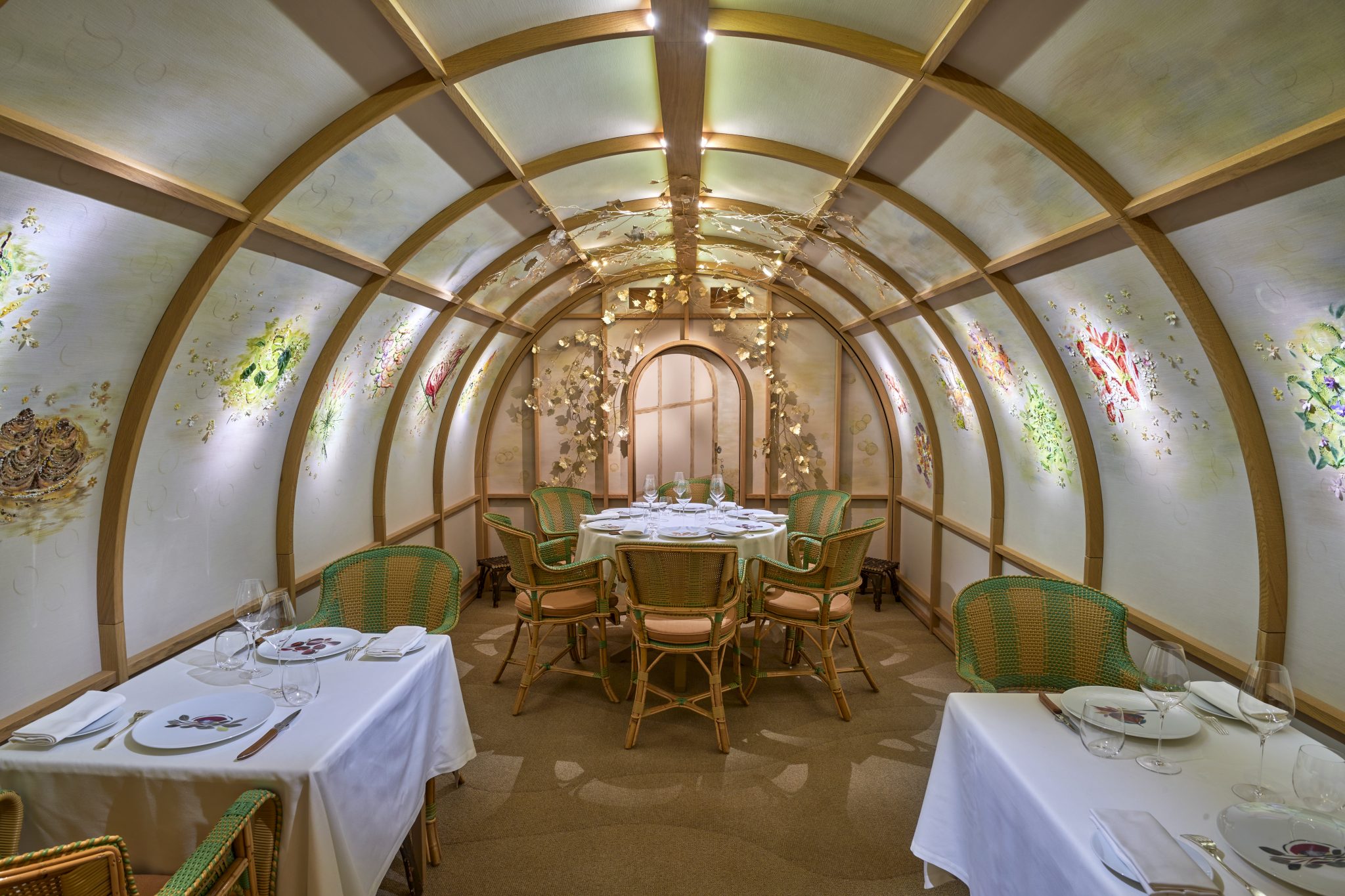
Vegetable-Focused French Fine Dining
Arpège
Paris, France
★★★ · 50 Best
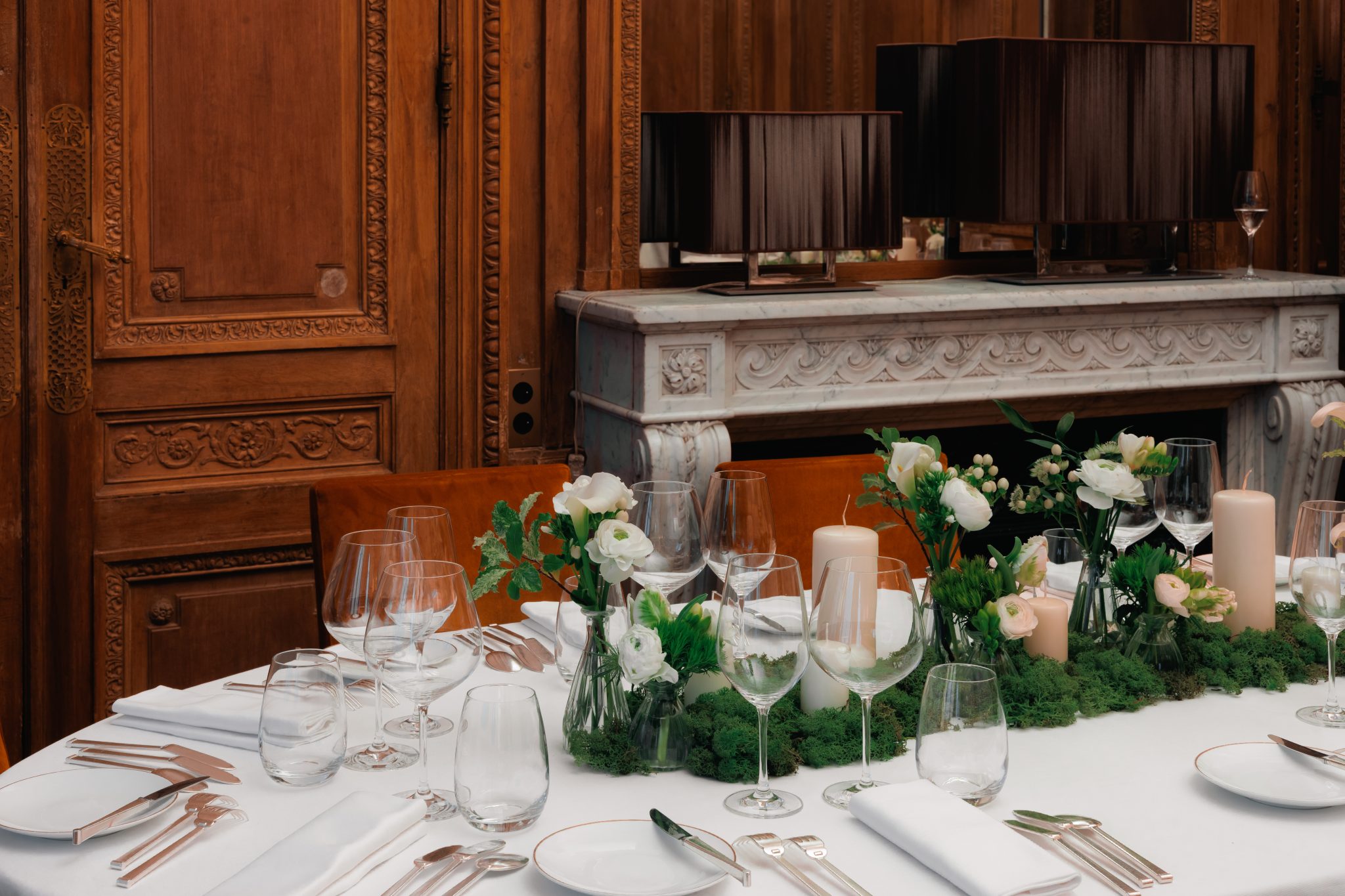
Classic and Modern French Fine Dining
Le Taillevent
Paris, France
★★ · 50 Best
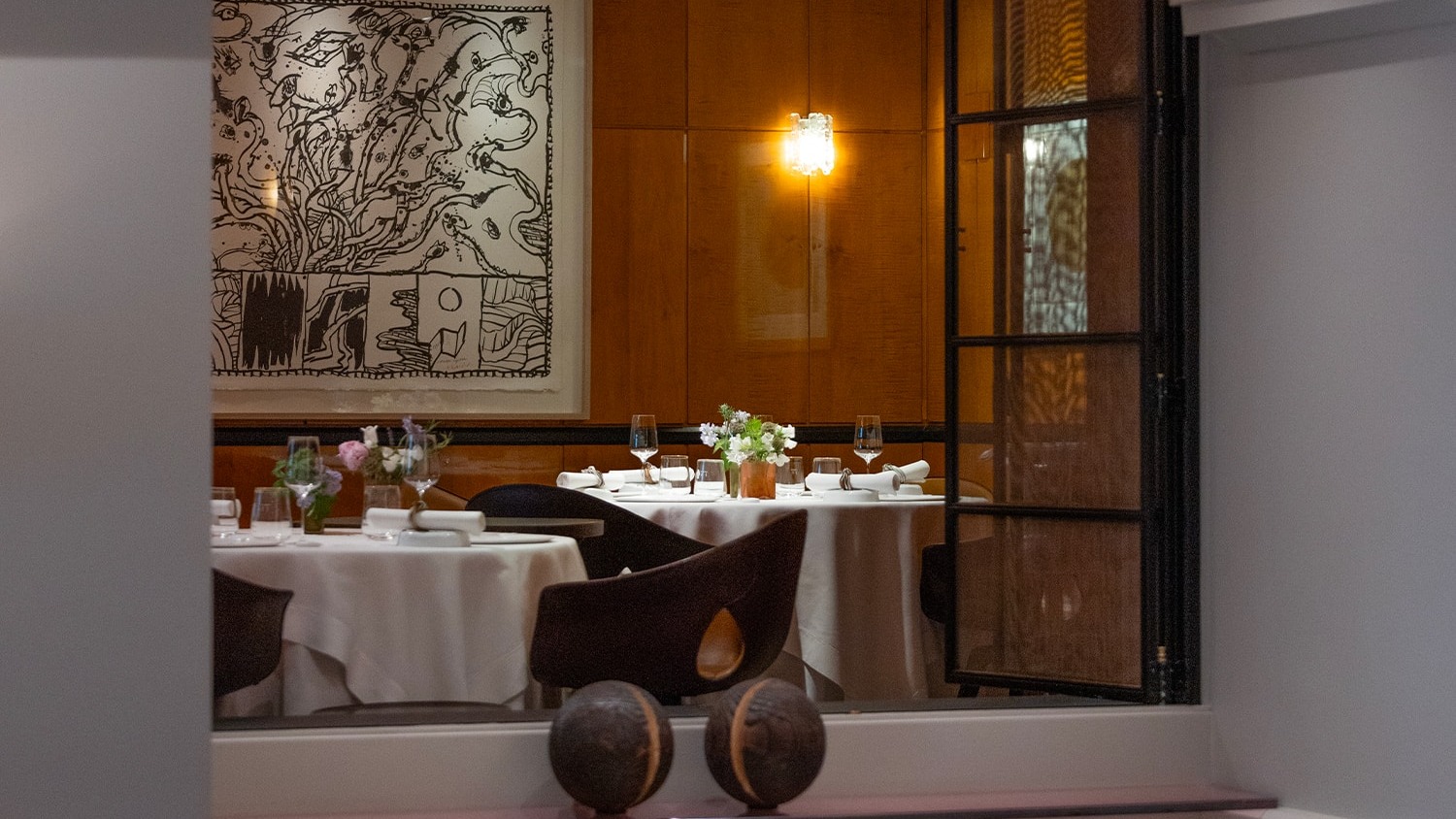
Avant-Garde French Fine Dining
Pierre Gagnaire
Paris, France
★★★ · 50 Best
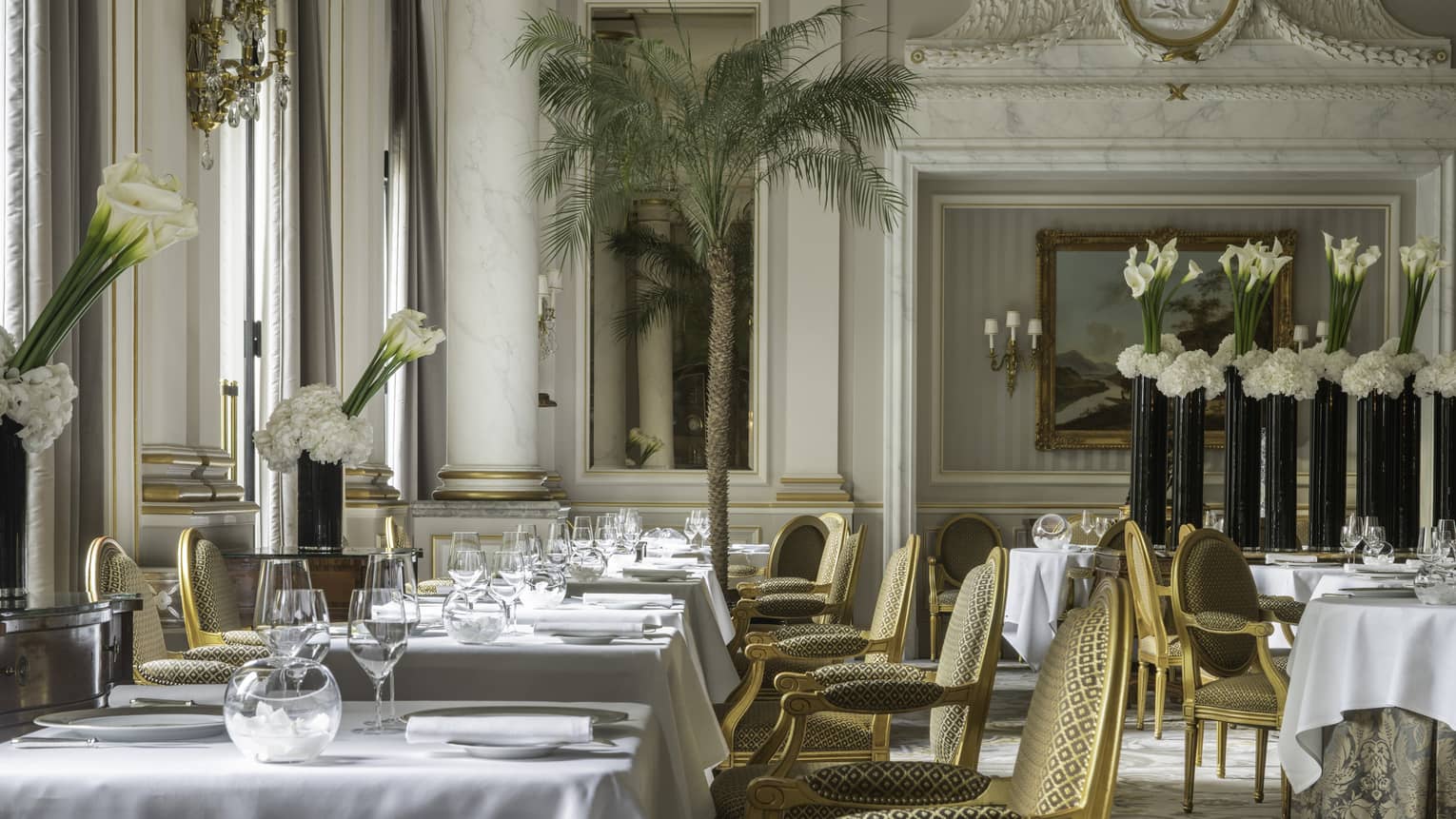
Modern French Fine Dining
Le Cinq
Paris, France
★★★ · 50 Best
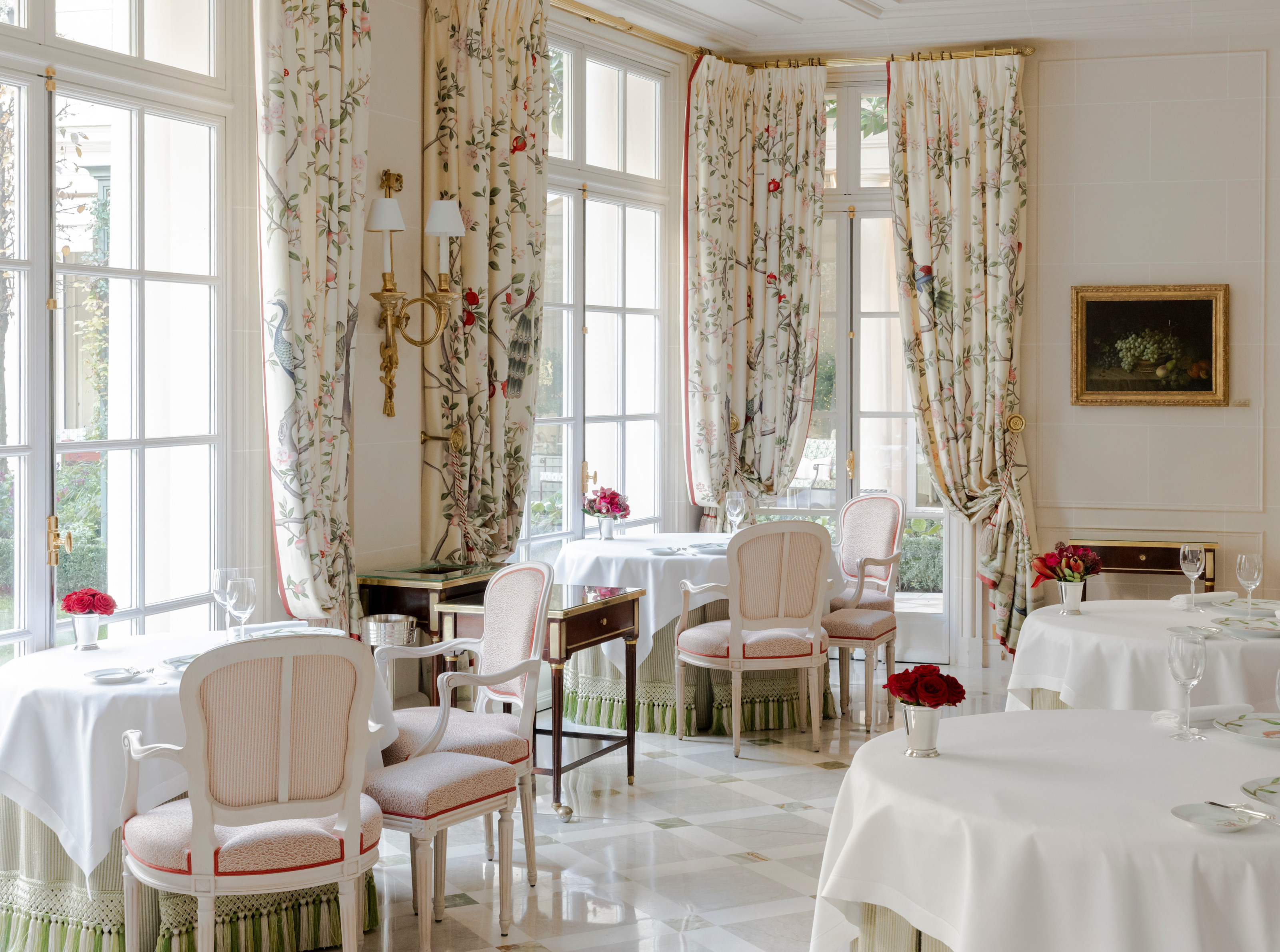
Contemporary French Fine Dining
Epicure
Paris, France
★★★
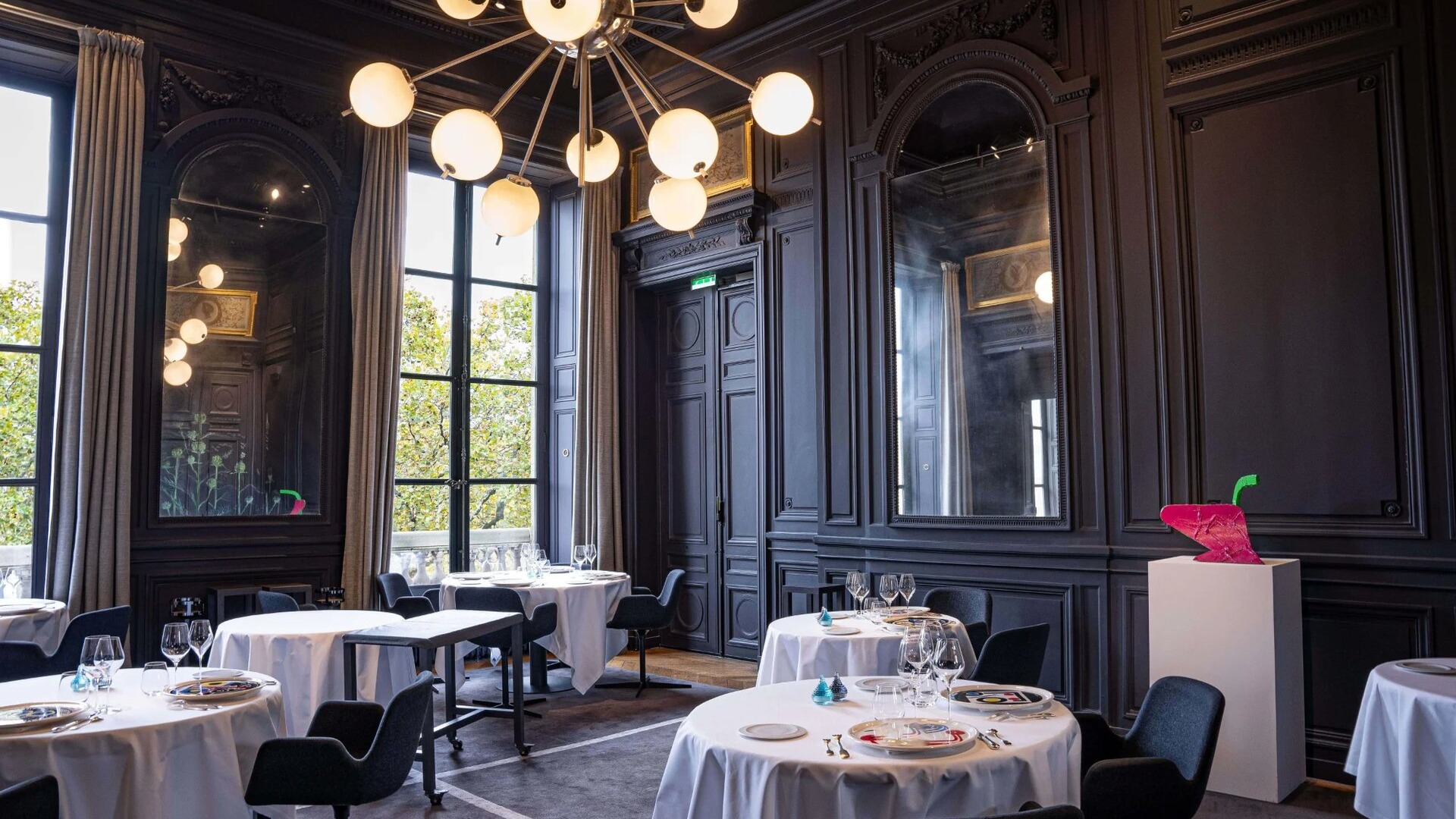
Classic French Fine Dining
Guy Savoy
Paris, France
★★ · 50 Best