Made ByRestaurant
Robuchon au Dôme
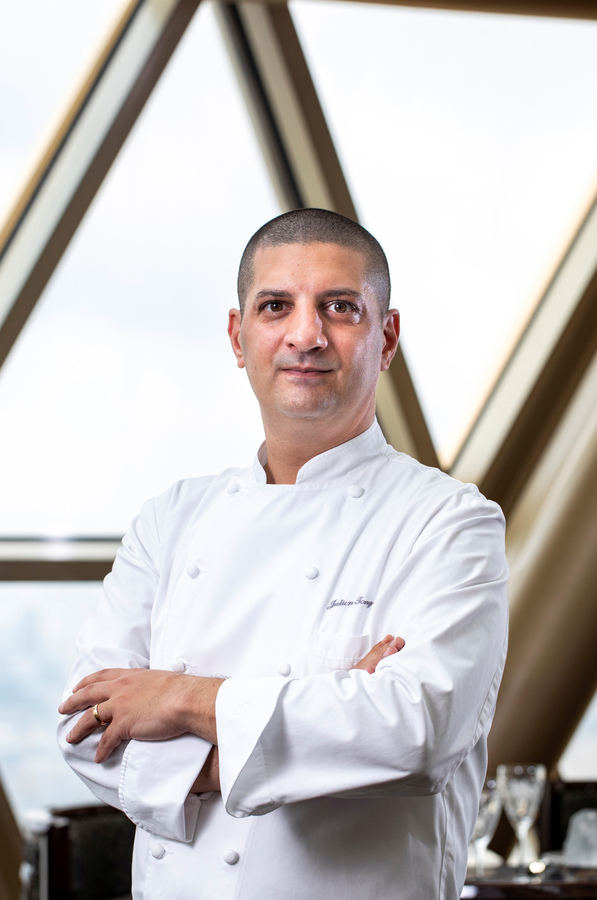
Chef in Residence
Julien Tongourian
Chef
- 01CuisineContemporary French Fine Dining
- 02CityMacau, Macau
- 03RecognitionThree Michelin Stars
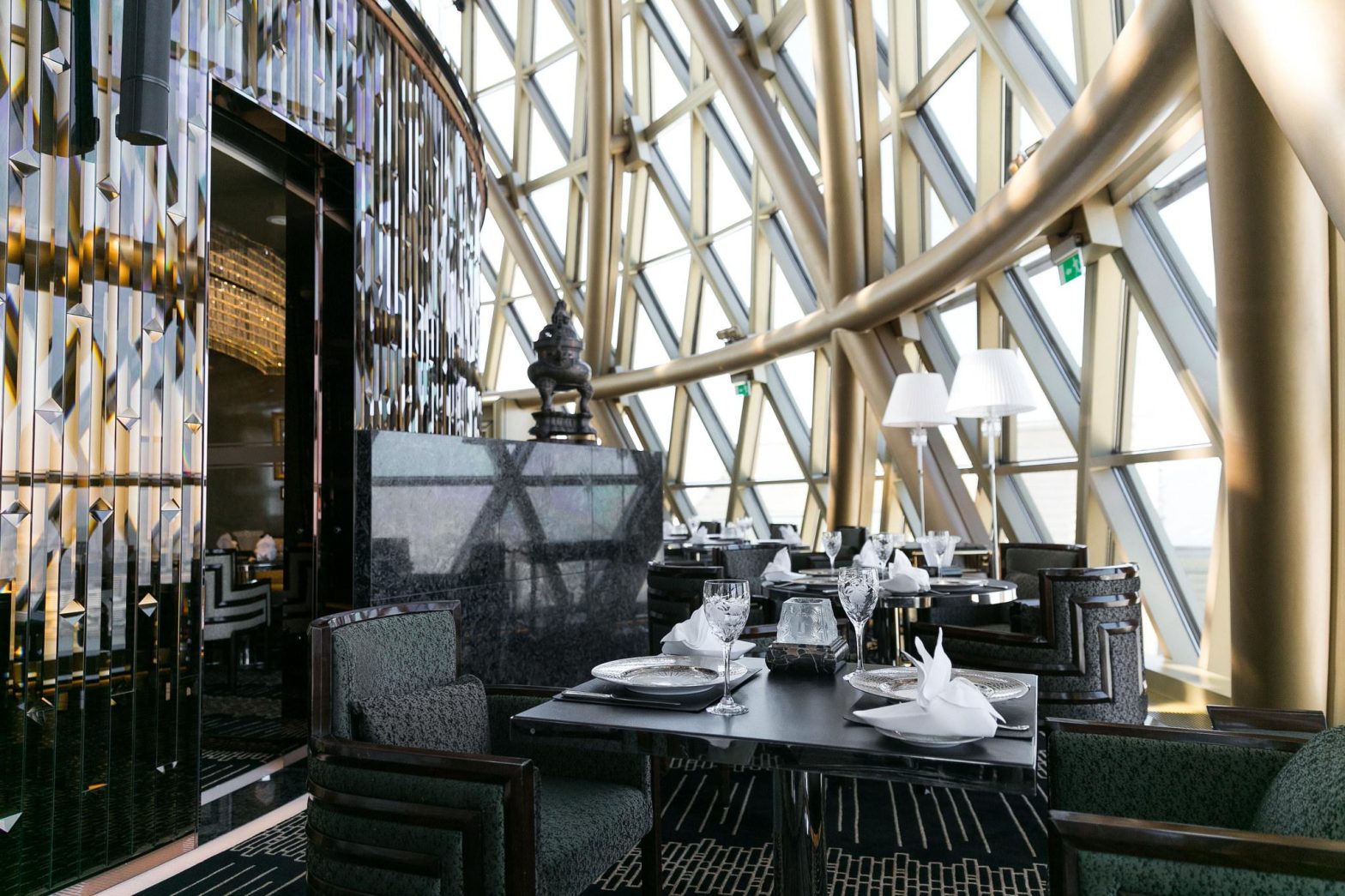
Macau's high-altitude French dining tier is defined by ceremony, cellar depth, and imported technique adapted to local supply lines. Robuchon au Dôme sits in that bracket with chef Julien Tongourian, contemporary French cooking, OAD Asia ranking recognition, La Liste 99-point scoring, and a wine program with six-figure inventory scale.
- 3 Michelin Stars
- Wine Spectator · Tier 3
At a glance
- Cuisine
- Contemporary French Fine Dining
- Price
- $$$$
- Per person
- $190
- Hours
- Mon: 12–2:30 PM, 6:30–10:30 PM; Tue: Closed; Wed: Closed; Thu: 12–2:30 PM, 6:30–10:30 PM; Fri: 12–2:30 PM, 6:30–10:30 PM; Sat: 12–2:30 PM, 6:30–10:30 PM; Sun: 12–2:30 PM, 6:30–10:30 PM
- Neighborhood
- Sé
- Rating
- 4.7 (435)
<p>The room announces Macau's appetite for grand dining before the first course: height, glass, polished service, and cellar culture for long evenings. In a city where casino-hotel dining moves between spectacle and precision, Robuchon au Dôme ties ceremony to French technique, provenance, and a wine list that shapes the meal as much as the kitchen.</p><p>Macau's premium French Contemporary scene is compact but serious. <a href="https://www.enprimeurclub.com/restaurants/alain-ducasse-at-morpheus-macau-47635">Alain Ducasse at Morpheus</a> offers another French reference point, while <a href="https://www.enprimeurclub.com/restaurants/8-otto-e-mezzo-bombana-macau-macau-restaurant">8 1/2 Otto e Mezzo Bombana (Macau)</a> anchors Italian fine dining. The useful comparison is how imported European formats translate in a city that rewards polished rooms, long wine lists, and menus built for regional ingredients and luxury supply chains.</p><blockquote class="pull-quote" data-citation-id="cite_7e9fd3fe_170a99c3"><p>“For example, a local red grouper fish is served salt-baked in rock salt to intensify the flavours of the sea, and Chinese hairy crabs take a starring role in a white truffle pasta throughout the autumn months.”</p><cite>Michelin Guide, 2023<sup data-citation-id="cite_7e9fd3fe_170a99c3"><a href="https://guide.michelin.com/hk/en/article/people/robuchon-au-dome-chef-julien-tongourian-s-vision-for-a-greener-kitchen" target="_blank" rel="noopener nofollow">4</a></sup></cite></blockquote><h2>French technique filtered through Macau's ingredient economy</h2><p>The kitchen's contemporary French identity matters because Macau is not a natural French dining capital like Paris or Lyon. Its dining culture is built on Portuguese history, Cantonese appetite, hotel capital, and cross-border produce routes. French cooking must do more than reproduce Parisian luxury; it has to justify itself through sourcing discipline and adaptation.</p><p>Michelin's 2026 assessment notes intricate, carefully plated cooking across set-menu and à la carte formats, with intensity of flavour rather than minimalism as the defining register, Michelin Guide 2026<sup data-citation-id="cite_7e9fd3fe_86ed3da1"><a href="https://guide.michelin.com/hk/en/macau-region/macau/restaurant/robuchon-au-dome" target="_blank" rel="noopener nofollow">1</a></sup>. The Robuchon idiom in Macau is not austere nouvelle cuisine; it is structured, decorative, and built for a room where bread, cheese, dessert, and wine function as separate acts.</p><blockquote class="pull-quote" data-citation-id="cite_7e9fd3fe_90cb482f"><p>“The location at the top of the Grand Lisboa Hotel makes for breathtaking views”</p><cite>Michelin Guide, 2026<sup data-citation-id="cite_7e9fd3fe_90cb482f"><a href="https://guide.michelin.com/us/en/macau-region/macau/restaurant/robuchon-au-dome" target="_blank" rel="noopener nofollow">5</a></sup></cite></blockquote><p>Provenance appears in the restaurant's public sustainability language. Michelin recorded a 2023 detail from its plastic-reduction work around egg deliveries, a small supply-chain change that matters because luxury dining often hides waste behind polish, Michelin Guide 2023<sup data-citation-id="cite_7e9fd3fe_9d6c0640"><a href="https://guide.michelin.com/hk/en/article/people/robuchon-au-dome-chef-julien-tongourian-s-vision-for-a-greener-kitchen" target="_blank" rel="noopener nofollow">2</a></sup>. At this level, sourcing is also how a hotel dining room buys, receives, stores, and presents products at scale.</p><p>Macau's high-end kitchens increasingly read as regional interpreters rather than static importers. Michelin's 2023 examples of local red grouper salt-baked in rock salt and autumn Chinese hairy crab folded into white truffle pasta show European technique and East Asian seasonality meeting without fusion shorthand. French Contemporary cooking here succeeds when the plate acknowledges where it is, not only where its grammar came from.</p><h2>The cellar is part of the city's luxury language</h2><p>Wine is central. The program lists strengths across Bordeaux, Burgundy, Germany, Rhône, California, Tuscany, Piedmont, Spain, Australia, Champagne, France, Portugal, and other regions, with 17,400 selections and a 500,000-bottle inventory. Those figures put the restaurant beyond venues where pairing is an accessory; in Macau, where gaming wealth built ambitious hotel cellars, the bottle list can be the clearest expression of institutional seriousness.</p><p>That scale changes how the food reads. French Contemporary menus with caviar, seafood, poultry, beef, cheese, and pastry may look familiar; the advantage comes from sequencing and wine context. A Bordeaux-heavy dinner, Burgundy-led progression, or German Riesling against richer sauces produces different versions of the same kitchen. For diners comparing French Contemporary rooms across Asia, that depth separates a luxury meal from a fully armed gastronomic program.</p><p>Recognition reinforces the point. Opinionated About Dining ranked Robuchon au Dôme No. 13 in its 2026 Top Restaurants in Asia list, after No. 11 in 2024 and No. 9 in 2023. La Liste scored it 99 points in 2025 and 2026, while Tatler included it in its 2025 Macau restaurant selection. Michelin's 2026 Macau announcement grouped Jade Dragon and Robuchon au Dôme as continuing reference points for the city's culinary excellence, Michelin Guide 2026<sup data-citation-id="cite_7e9fd3fe_d7a38b24"><a href="https://www.michelin.com/en/publications/products-and-services/the-michelin-guide-hong-kong-macau-18th-edition" target="_blank" rel="noopener nofollow">3</a></sup>.</p><p>Chef Julien Tongourian's role is a credential, not the whole story. Macau can now judge French dining against Asia-Pacific peers, not just other city hotel restaurants. Out-of-metro French Contemporary comparisons such as Amber, Feuille, Plaisance by Mauro Colagreco, Emmelyn, and Rêver sit in different markets but frame the same question: how much regional identity can a French-format dining room absorb before it becomes generic hotel luxury?</p><h2>How to place it within a Macau dining itinerary</h2><p>Robuchon au Dôme is a formal, high-spend choice in a city with more range than grand hotel dining suggests. For a broader read, Our full Macau restaurants guide contrasts luxury counters, regional Chinese rooms, Portuguese kitchens, and international hotel formats. The difference between this address and <a href="https://www.enprimeurclub.com/restaurants/a-lorcha-macau-restaurant">A Lorcha</a> is not simply price; it is heritage Portuguese comfort versus codified French dining ritual built around service cadence and cellar reach.</p><p>That contrast is why Macau rewards multi-meal planning. A grill-focused room such as <a href="https://www.enprimeurclub.com/restaurants/58-degree-grill-macau-47465">58 Degree Grill</a> answers a different appetite from a Nikkei-innovative address such as <a href="https://www.enprimeurclub.com/restaurants/aji-macau-restaurant">Aji</a>. The city's appeal is compression: French, Italian, Portuguese, Cantonese, Japanese-Peruvian, and casino-hotel luxury can fit within a short trip if every meal does not become the same white-tablecloth exercise.</p><p>Travellers using Macau in a wider China dining route can connect this meal to a mainland and regional circuit. #8 in Chengdu, 100 Century Avenue Cantonese in Shanghai, 167 Shan Hai Li in Fuzhou, 1913 in Hangzhou, 1927 Dong Yuan Si Chu in Xiamen, and 1949 - Duck de Chine in Beijing each show how Chinese regional dining holds its ground against imported luxury formats.</p><p>For French Contemporary context beyond Macau, 16 by Flo, French Contemporary in Taipei and 1890 by Gordon Ramsay, French Contemporary in London are useful reference points: same broad culinary language, different expectations around produce, service, and price tolerance. The Macau version is more theatrical, more cellar-driven, and more tied to high-rise luxury.</p><p>Treat the restaurant as the anchor meal of a Macau stay, not one stop in a crowded sprint. Pair it with a lower-key Portuguese lunch, keep the evening unhurried, and let the wine program work. For the rest of the trip architecture, Our full Macau hotels guide, Our full Macau bars guide, Our full Macau wineries guide, and Our full Macau experiences guide round out the city beyond the dining room.</p>
Know before you go
- Dress code
- smart_casual
- Reservations
- essential
- Parking
- valet
- Payment
- credit_card
- Accessibility
- wheelchair_accessible
Frequently asked
Is Robuchon au Dôme suitable for children?
It is a formal dining room at 43/F, Grand Lisboa, with jackets and ties required, so it suits older children who can handle a long meal. The Michelin 3-star setting and set-menu format make it a better fit for adults than for casual family dining.
What should I expect atmosphere-wise at Robuchon au Dôme?
Expect a formal room with panoramic Macau views from the top of Grand Lisboa and a service style that matches its Michelin 3-star status. The tone is polished and high-spend, with contemporary French cuisine from Julien Tongourian and a wine program that is part of the room's identity.
What cuisine category does Robuchon au Dôme fall under?
Robuchon au Dôme serves French Contemporary cuisine.
Is Robuchon au Dôme expensive?
Pricing at Robuchon au Dôme is listed as $$$$.
Where is Robuchon au Dôme in Macau?
Robuchon au Dôme is located at Macao, 43/F, Grand Lisboa, Macau.
Who's behind the kitchen at Robuchon au Dôme?
The chef associated with Robuchon au Dôme is Julien Tongourian.
Address
Macao, 43/F, Grand Lisboa
Sé
How it compares
- Cuisine
- French Contemporary
- Price
- $$$$
- Notes
- This venue
- Cuisine
- French Contemporary
- Price
- $$$
- Notes
- French Contemporary, $$$
- Cuisine
- French Contemporary
- Price
- $$$$
- Notes
- French Contemporary, $$$$
- Cuisine
- French Contemporary
- Price
- ¥¥¥
- Notes
- French Contemporary, ¥¥¥
- Cuisine
- French Contemporary
- Price
- ¥¥¥¥
- Notes
- French Contemporary, ¥¥¥¥
- Cuisine
- French Contemporary
- Price
- $$$$
- Notes
- French Contemporary, $$$$
In residence
Similar places
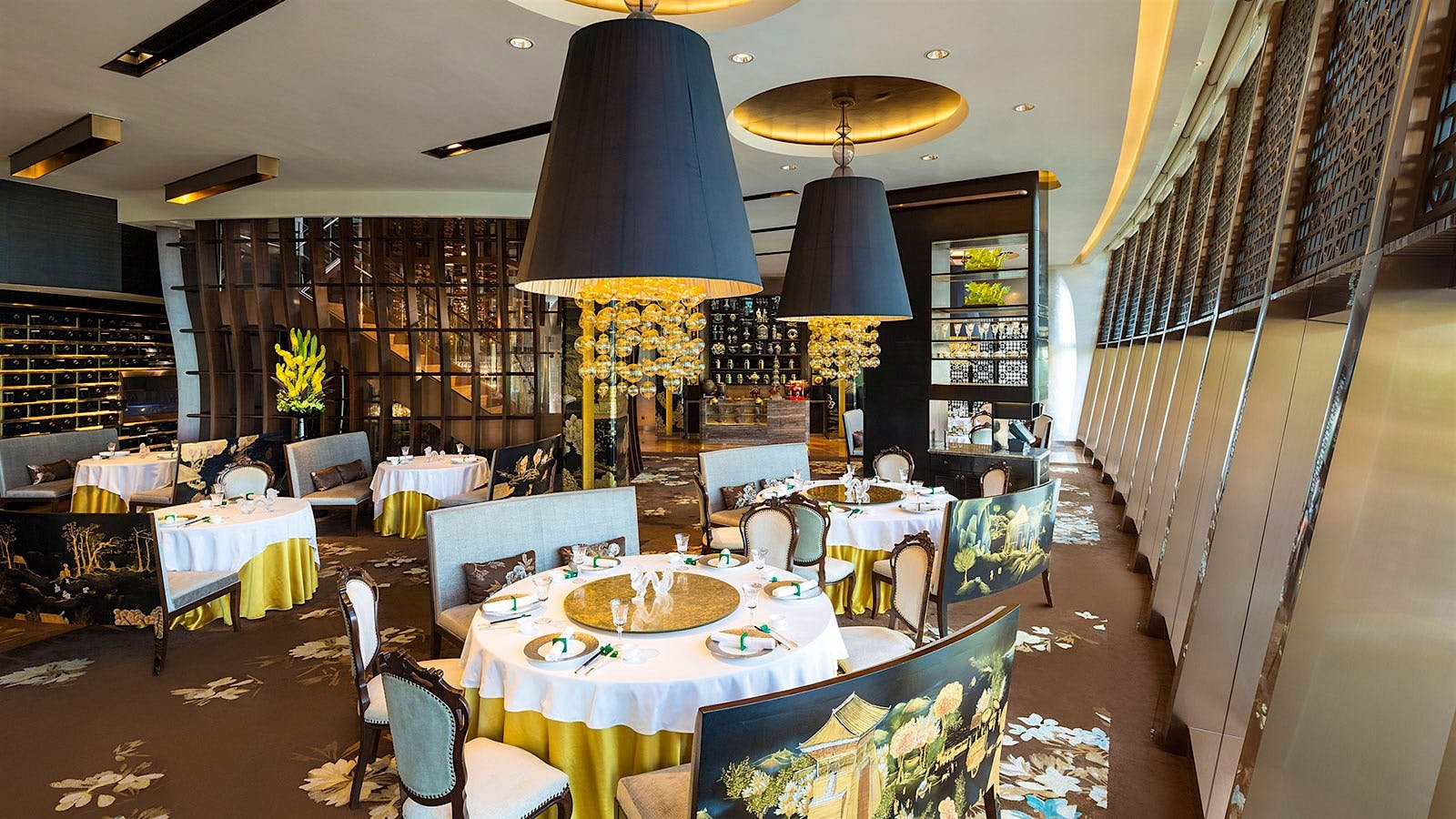
Three Michelin-Star Cantonese Fine Dining
Jade Dragon
Macau, Macau
★★★ · 50 Best
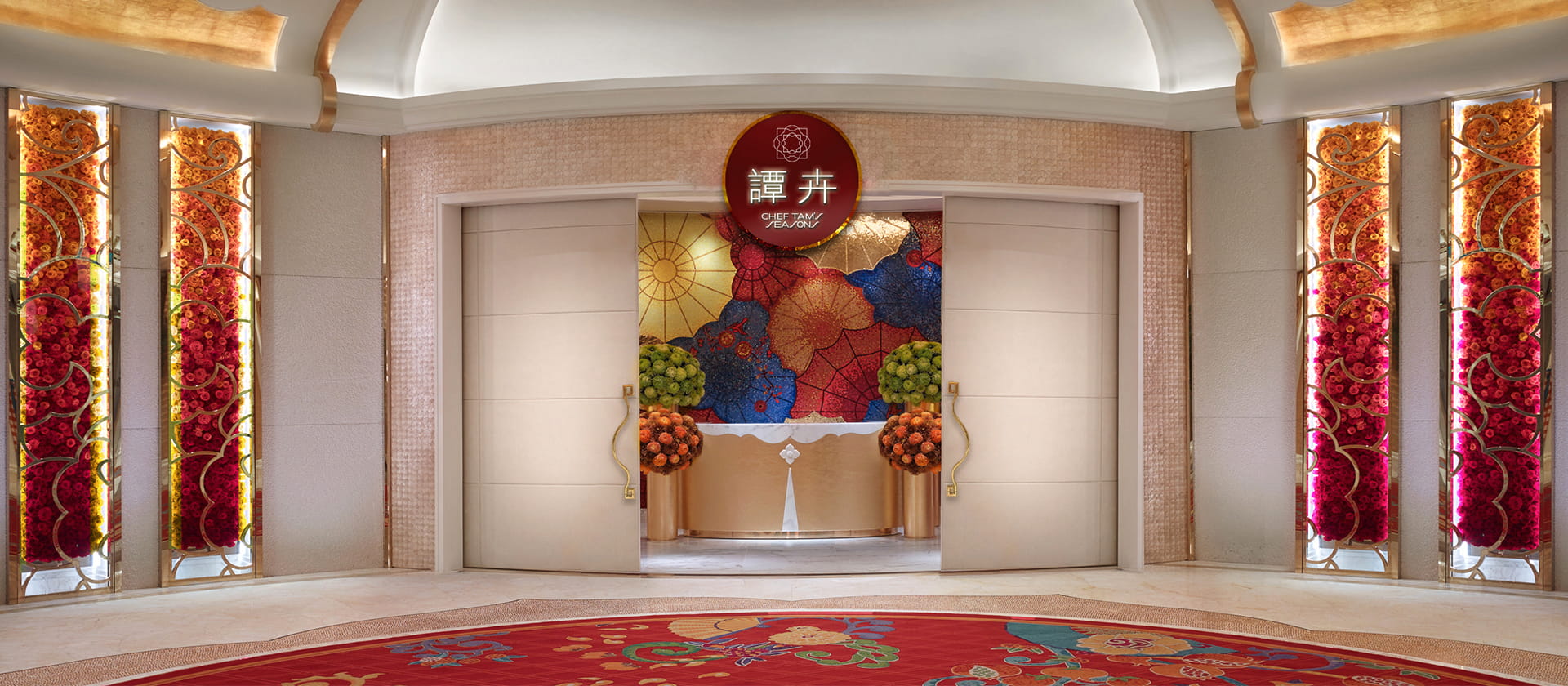
Modern Cantonese Fine Dining
Chef Tam's Seasons
Macau, Macau
★★ · 50 Best
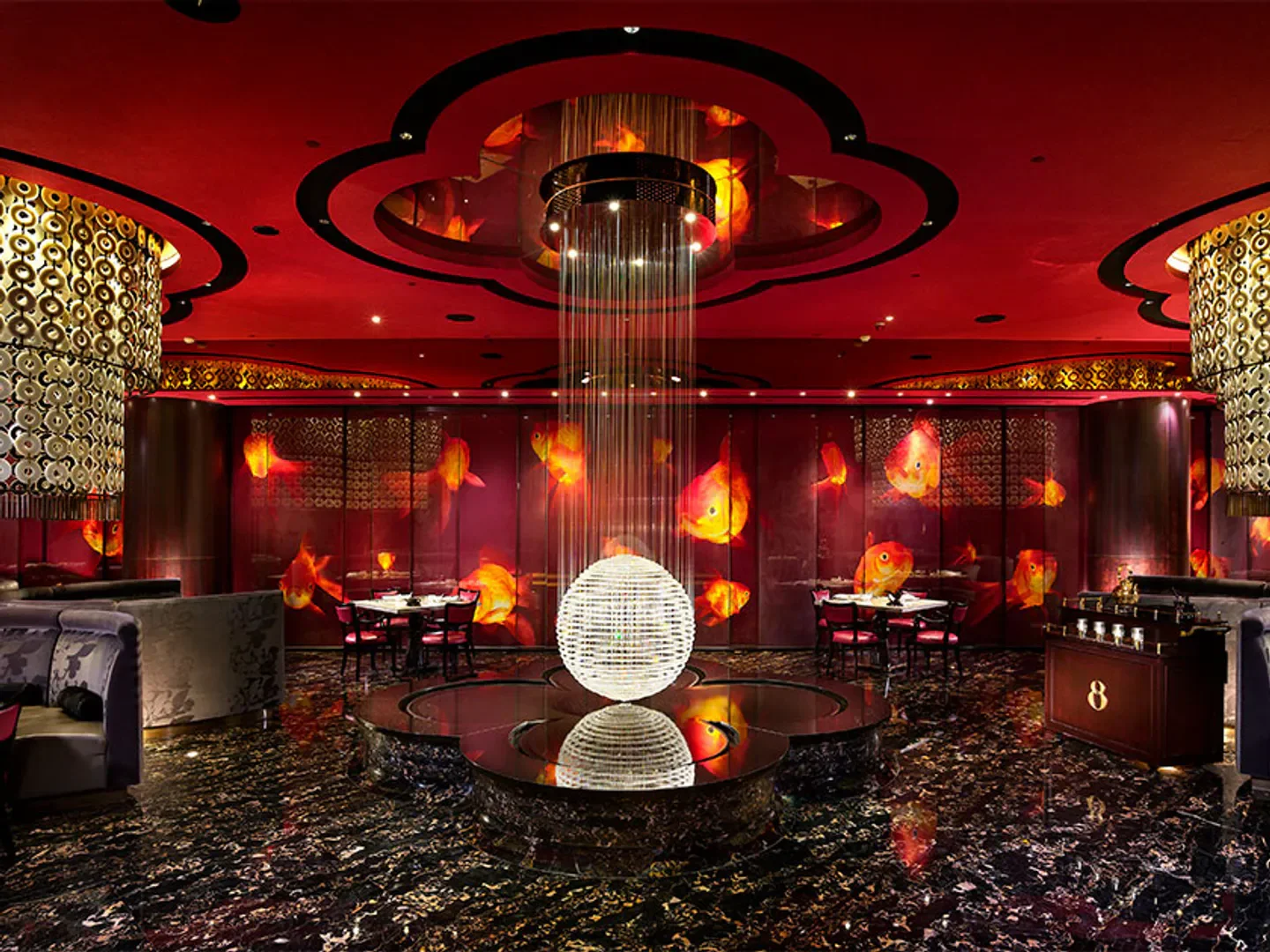
Modern Cantonese Fine Dining
The Eight
Macau, Macau
★★
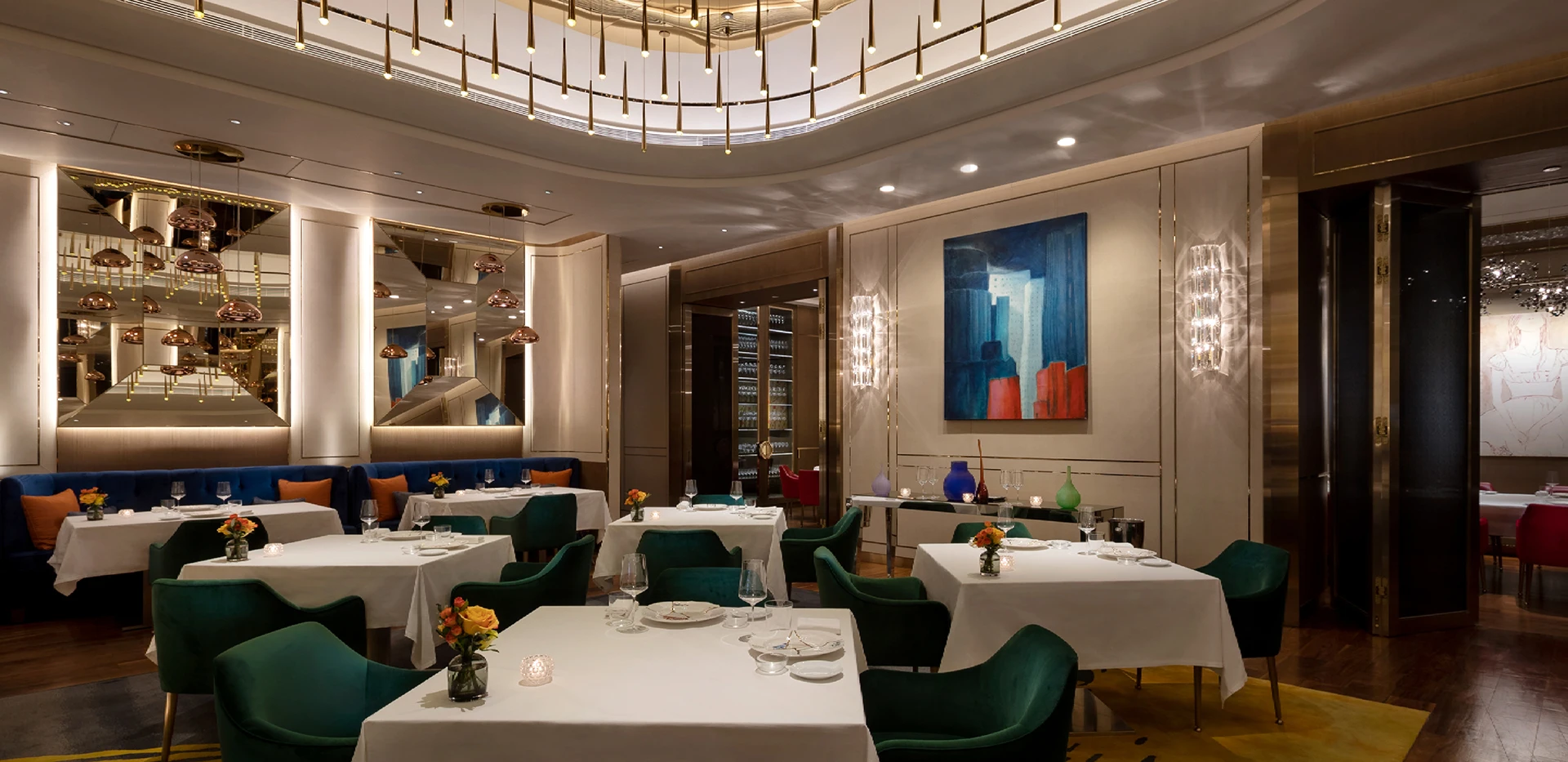
Modern Sicilian Italian Fine Dining
8 1/2 Otto e Mezzo Bombana (Macau)
Macau, Macau
★
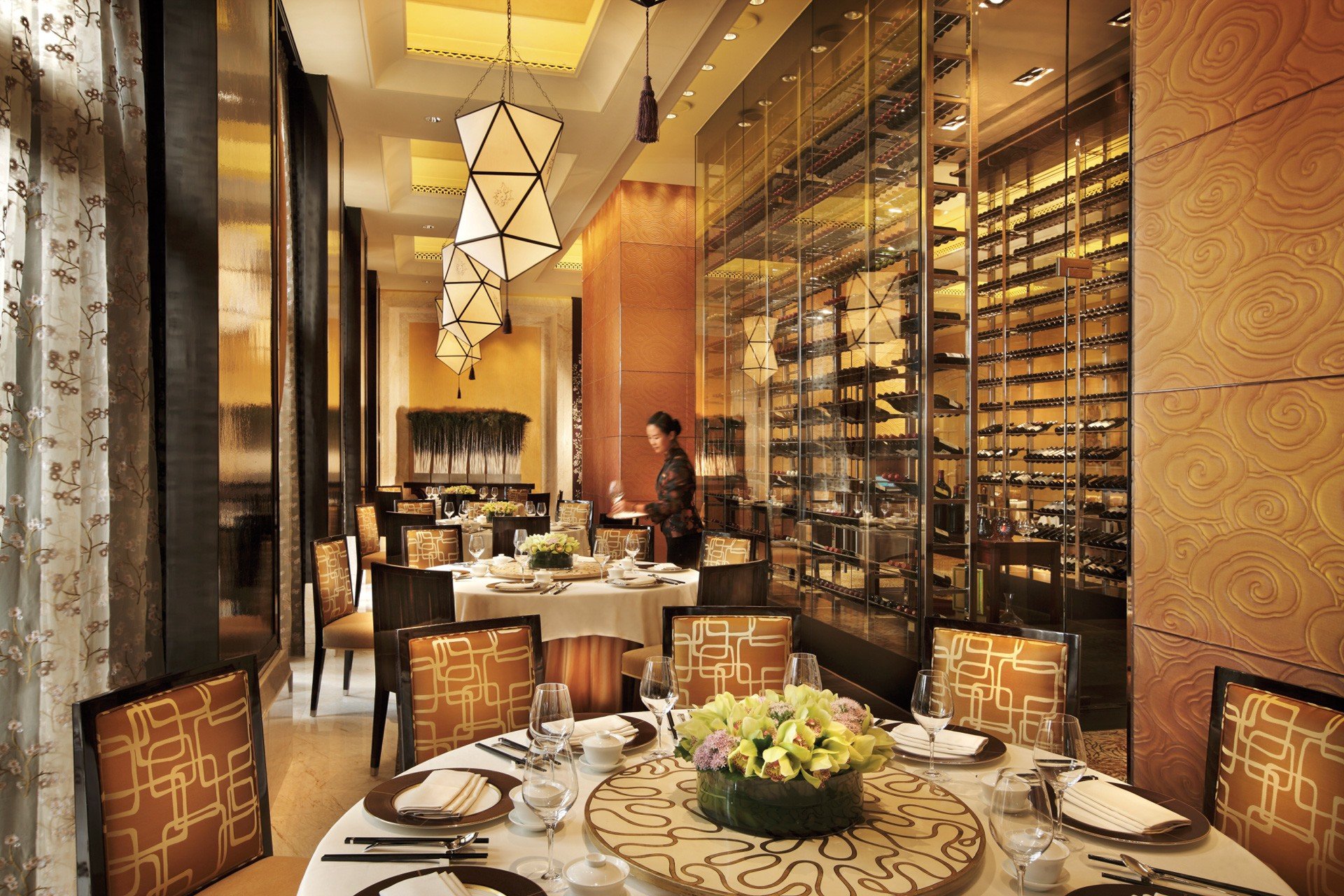
Cantonese Cuisine
Zi Yat Heen
Macau, Macau
★
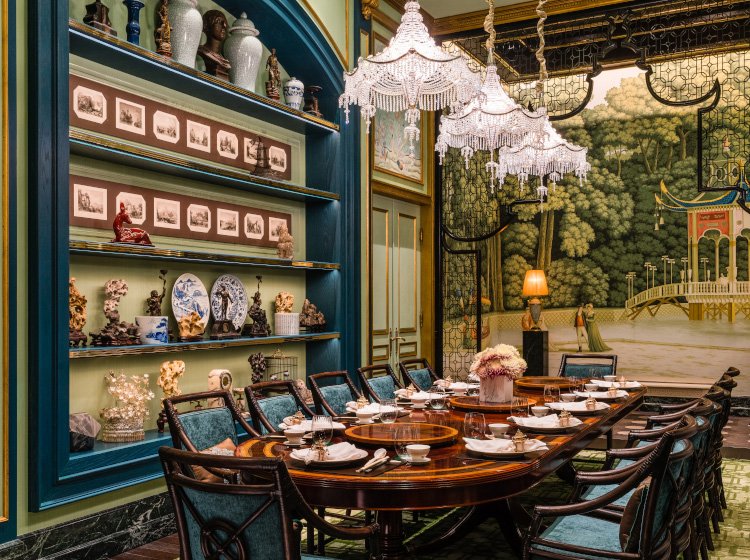
Modern Cantonese Fine Dining
Palace Garden
Macau, Macau
★