Made ByWinery

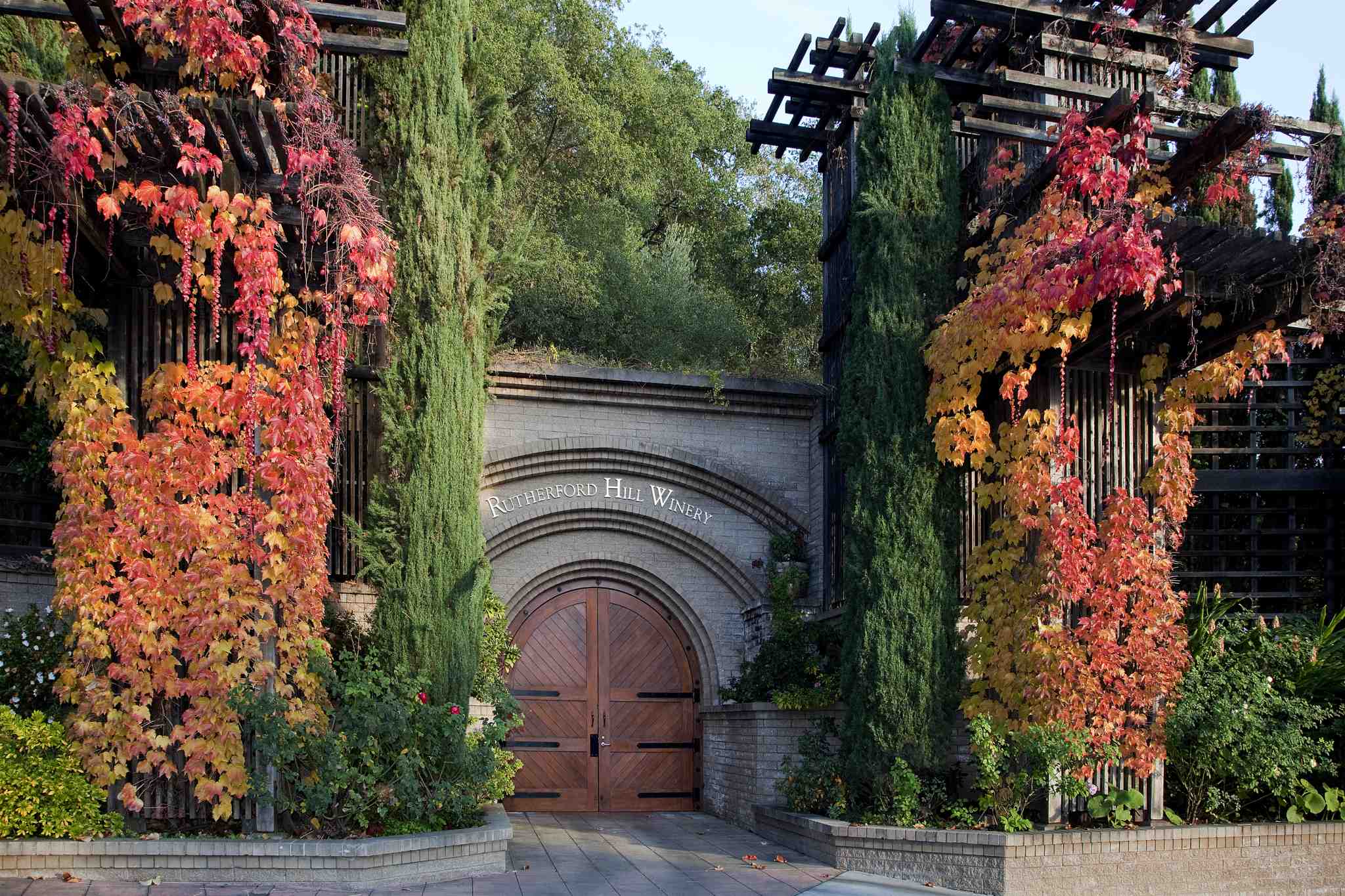
Rutherford Hill Winery has operated from its hillside position above the Napa Valley floor since its first vintage in 1976, earning a Pearl 2 Star Prestige rating from EP Club in 2025. Under winemaker Marisa Taylor, the property occupies a distinct tier among Rutherford-appellation houses, where the combination of elevation, cave infrastructure, and nearly five decades of production history places it in a serious comparable set.
At a glance
- Price
- $$$
- Per person
- $50
- Neighborhood
- Rutherford
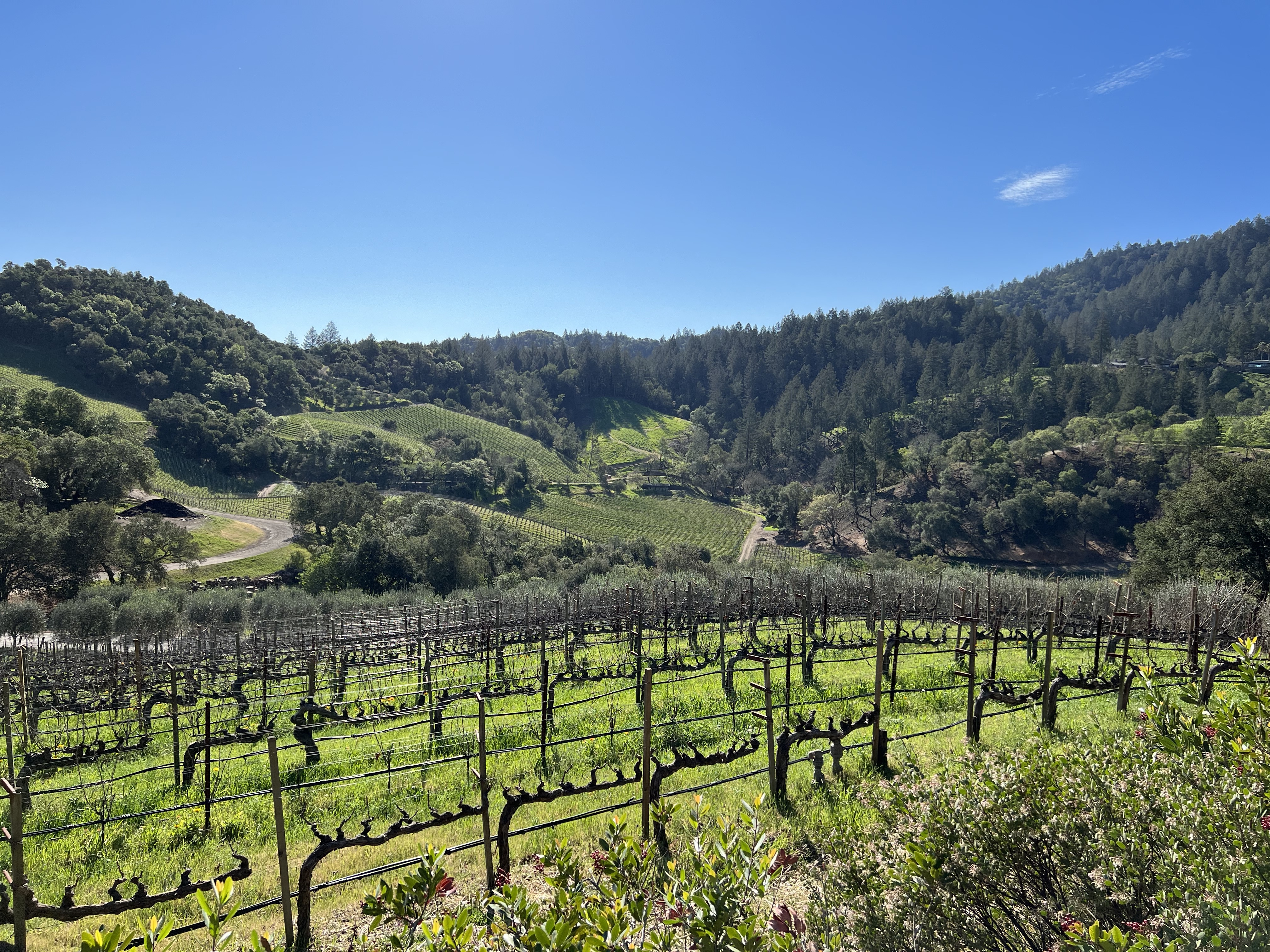
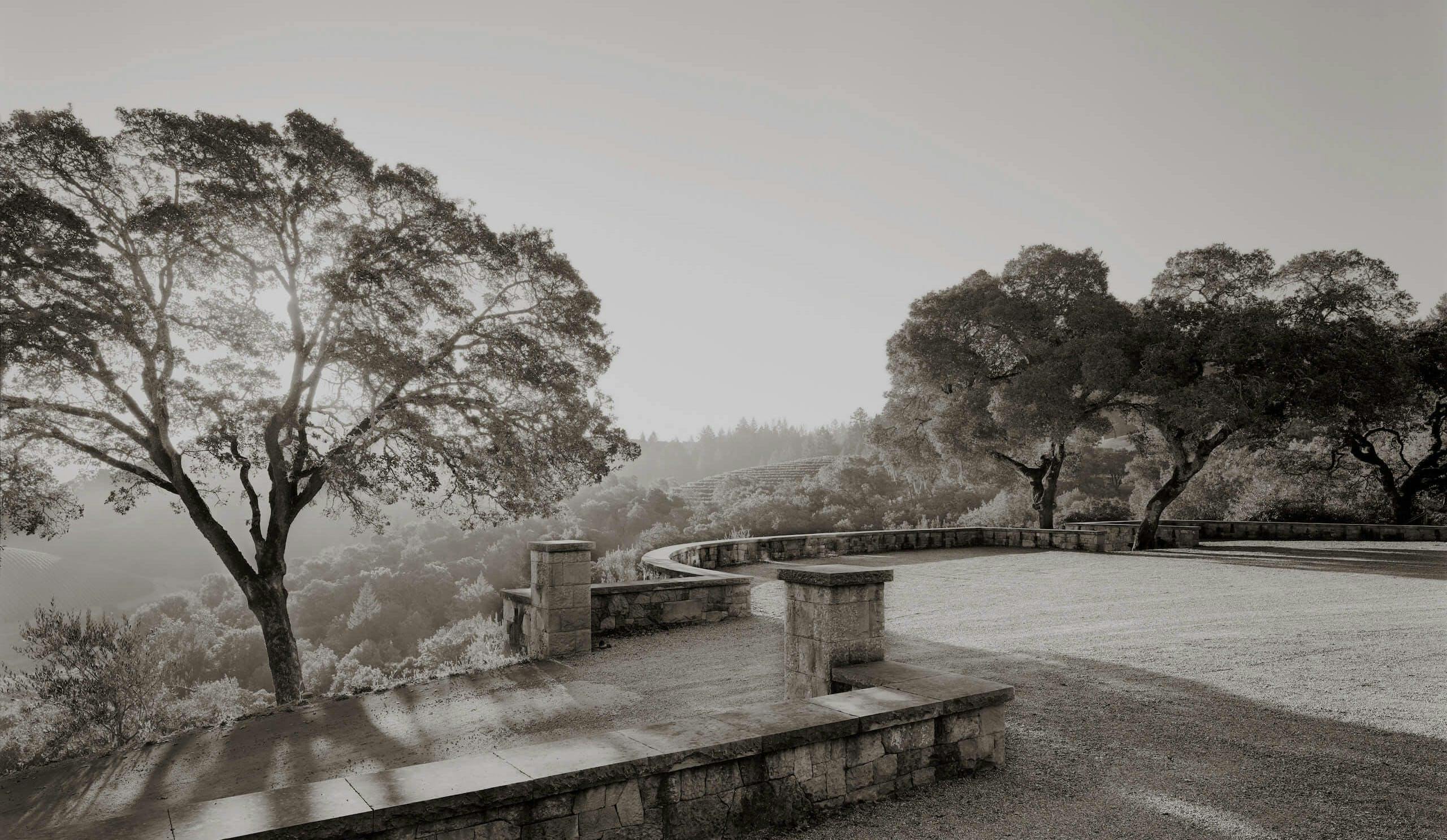
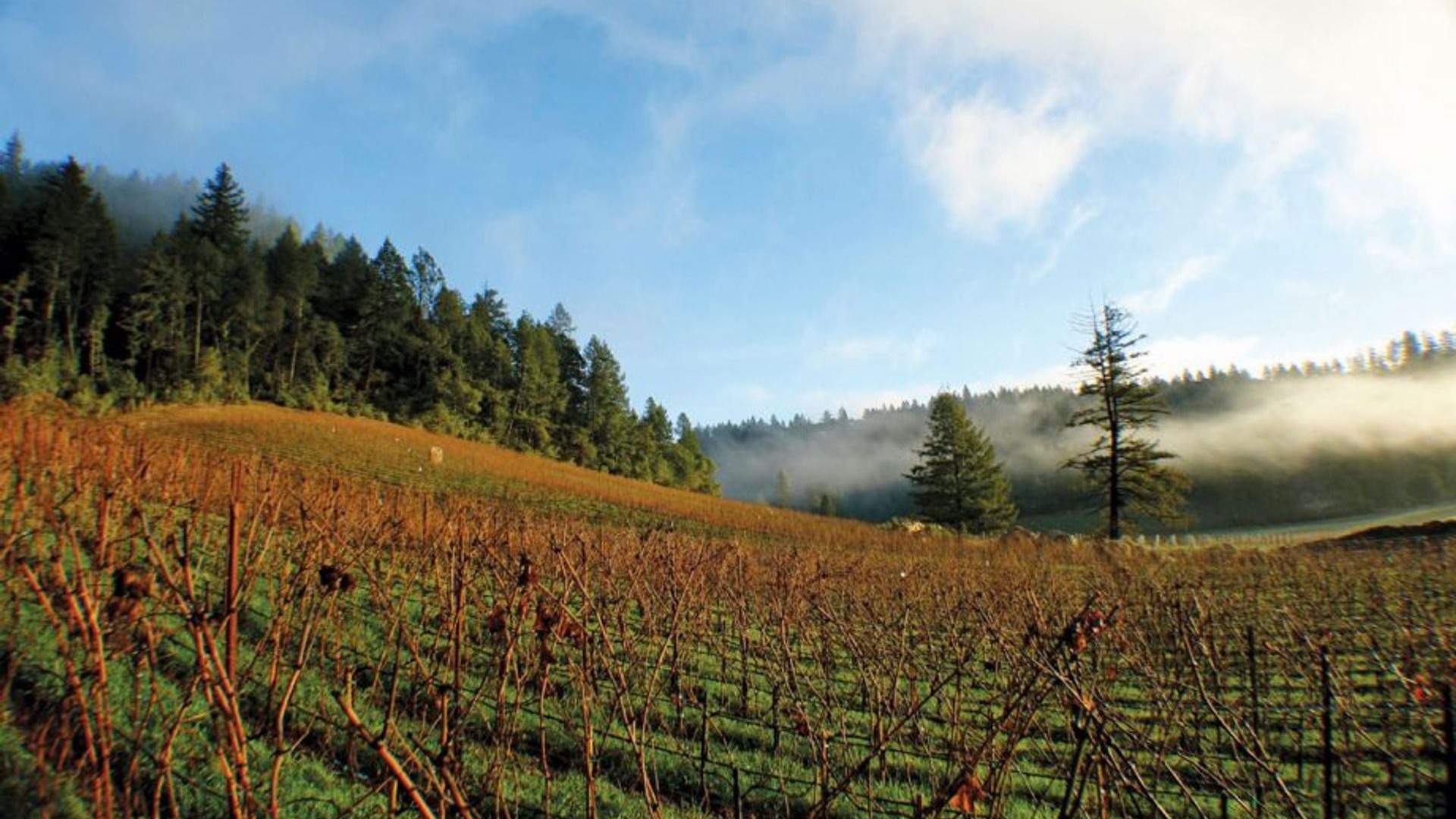
<h2>Where the Vaca Range Meets the Valley Floor</h2><p>The eastern bench of Napa Valley operates by different rules than the valley floor. Properties here sit at the boundary where the Vaca Mountains begin their rise, and the shift in elevation, drainage, and afternoon sun exposure produces wines that read differently from those grown a mile west. Rutherford Hill Winery, positioned along Rutherford Hill Road, belongs to this eastern-bench tradition. The approach to the property makes the geography legible before you have opened a single bottle: the valley spreads out below, and the sense of vertical separation from the valley floor is immediate and measurable.</p><p>That physical orientation is not incidental. In a region where terroir arguments can feel abstract, the hillside position at Rutherford Hill functions as a concrete differentiator. The views from the winery terrace place you above the fog line that settles into the valley on cooler mornings, and the orientation toward the afternoon sun on these slopes shapes the ripening window in ways that define the property's production style. For visitors coming from the flat-road wineries clustered along Highway 29, the change in perspective is notable. Comparable properties elsewhere on the eastern bench, including <a href="https://www.enprimeurclub.com/wineries/alpha-omega-winery-rutherford-winery">Alpha Omega Winery in Rutherford</a> and <a href="https://www.enprimeurclub.com/wineries/darioush-winery-napa-winery">Darioush Winery</a>, operate within the same appellation logic, though each occupies a distinct production and experience tier.</p><h2>Nearly Five Decades on the Bench</h2><p>Wineries with a first vintage of 1976 occupy a specific bracket in Napa's institutional memory. Properties that have operated continuously for decades have accumulated production data, vine age, and site knowledge that newer entrants cannot replicate quickly. Rutherford Hill sits in that cohort of established houses, and its 2025 Pearl 2 Star Prestige recognition from EP Club signals that the property continues to perform within a serious tier rather than coasting on historical standing alone.</p><p>Winemaker Marisa Taylor currently holds the production role, and within Napa's wine culture, the winemaker's position functions as an institutional signal. The continuity of recognition at Rutherford Hill suggests the current program maintains the property's established standards.</p><h2>The Cave System as Experience Infrastructure</h2><p>Rutherford Hill's cave network ranks among the more substantial in the Napa Valley. Caves in Napa have become a standard part of the premium winery experience format, but properties that built them early and at scale occupy a different tier from those that added limited cave infrastructure as a later amenity. A network of this size serves both a functional aging role and a visitor experience function, and the combination of those two purposes is what distinguishes cave-led properties from those offering only above-ground barrel rooms.</p><p>The atmosphere inside extensive cave systems shifts the sensory register of a tasting in ways that are difficult to replicate in a conventional tasting room. Temperature remains consistent at approximately 58 to 60 degrees Fahrenheit year-round, the humidity is controlled by the surrounding rock, and the acoustic quality of carved-stone tunnels creates a particular kind of quiet that separates the experience from outdoor terraces or glass-walled tasting rooms. Properties like <a href="https://www.enprimeurclub.com/wineries/blackbird-vineyards-napa-winery">Blackbird Vineyards</a> and <a href="https://www.enprimeurclub.com/wineries/ashes-and-diamonds-winery">Ashes and Diamonds Winery</a> have built strong reputations with different experience formats, but the cave-centered model at Rutherford Hill positions it within a specific subset of Napa producers for whom subterranean infrastructure is central to the visit.</p><h2>The Rutherford Appellation Context</h2><p>Rutherford as an AVA carries specific implications within Napa's appellation structure. The so-called Rutherford Dust, a regional descriptor for a textural quality associated with Cabernet Sauvignon grown in the appellation's distinctive alluvial soils, has been discussed in wine literature for decades and remains a point of reference among producers and buyers working in this part of the valley. Whether the descriptor holds up to strict sensory scrutiny is a separate question, but its persistence in the trade conversation signals that buyers and critics treat Rutherford-appellation Cabernet as a distinct tier within Napa's production hierarchy.</p><p>That appellation identity shapes where Rutherford Hill sits in the broader competitive map. Properties across the valley from <a href="https://www.enprimeurclub.com/wineries/artesa-vineyards-and-winery">Artesa Vineyards and Winery</a> to <a href="https://www.enprimeurclub.com/wineries/accendo-cellars">Accendo Cellars in St. Helena</a> operate within different appellation registers, and the specific Rutherford address gives this property a terroir argument that is both historically grounded and commercially legible. For visitors comparing properties across multiple California wine regions, the contrast with <a href="https://www.enprimeurclub.com/wineries/adelaida-vineyards">Adelaida Vineyards in Paso Robles</a> or <a href="https://www.enprimeurclub.com/wineries/adelsheim-vineyard-newberg-winery">Adelsheim Vineyard in Newberg</a> illustrates how different appellation identities function across wine country.</p><h2>Terrace, Cave, and the Structure of the Visit</h2><p>The experience architecture at Rutherford Hill organizes itself around two primary settings: the outdoor terraces that capture the valley view and the cave network that runs through the hillside. Properties that offer a meaningful transition between those two environments during a tasting create a structural contrast that most single-room venues cannot match. The terrace delivers the geographic argument visually; the caves deliver it physically through the rock and soil the vines root into. That sequence, from view to underground, from abstract landscape to literal ground, gives the visit a narrative logic that goes beyond a standard pour-and-explain format.</p><p>Rutherford Hill sits within the cluster of eastern-bench properties that reward a dedicated half-day rather than a quick stop. The combination of cave tours, terrace time, and serious wine programming positions it alongside <a href="https://www.enprimeurclub.com/wineries/clos-selene-winery">Clos Selene Winery</a> in the category of Napa visits that require adequate time to engage with fully. Visitors building a valley itinerary across several days might also consider how properties further afield, including <a href="https://www.enprimeurclub.com/wineries/alexander-valley-vineyards-geyserville-winery">Alexander Valley Vineyards in Geyserville</a> or <a href="https://www.enprimeurclub.com/wineries/andrew-murray-vineyards">Andrew Murray Vineyards in Los Olivos</a>, fit into a broader California wine circuit. For those making international comparisons, <a href="https://www.enprimeurclub.com/wineries/achaia-clauss-patras-winery">Achaia Clauss in Patras</a> and <a href="https://www.enprimeurclub.com/wineries/aberlour-aberlour-winery">Aberlour in Aberlour</a> show how Old World estate producers with comparable institutional age handle visitor programming differently. Similarly, <a href="https://www.enprimeurclub.com/wineries/alban-vineyards">Alban Vineyards in Arroyo Grande</a> illustrates what a California producer focused on a different varietal tradition looks like at a comparable quality tier.</p><h2>Planning Your Visit</h2><p>Rutherford Hill Winery is located at 200 Rutherford Hill Road, Rutherford, California 94573. Advance reservations are recommended. The property's combination of cave infrastructure, hillside views, and nearly fifty years of production history places it in a tier where the experience warrants more than a casual walk-in approach. Visitors who have allocated time for a structured tasting, including the underground portion, will engage with the site more completely than those treating it as a brief stop between other appointments.</p><hr></hr>
Know before you go
- Dress code
- smart_casual
- Reservations
- recommended
- Parking
- on_site_lot
- Payment
- credit_card
- Outdoor seating
- Yes
- Groups
- Welcomed
Frequently asked
What should I expect atmosphere-wise at Rutherford Hill Winery?
The visit divides between two distinct settings: open terraces on the eastern hillside with direct views across the valley floor, and the cave network below, which runs at a cooler, quieter register than the outdoor spaces. The eastern bench position, above the Rutherford AVA floor, gives the property a sense of remove that the valley's more road-adjacent wineries lack. Rutherford Hill earned a Pearl 2 Star Prestige rating in 2025, which reflects a hospitality standard that holds across both the outdoor and underground portions of the experience.
What accolades does Rutherford Hill Winery have?
Rutherford Hill Winery has received recognition including: Pearl 2 Star Prestige (2025).
What do visitors recommend trying at Rutherford Hill Winery?
The cave-based tasting experience draws consistent attention, largely because Rutherford Hill's cave network is among the more extensive in Napa Valley. Rutherford as an AVA is associated with a particular textural quality in Cabernet Sauvignon, locally called Rutherford Dust, and the winery's eastern bench positioning puts it in direct conversation with that appellation character. Winemaker Marisa Taylor oversees production, so any current release from the estate is the logical starting point for understanding what the bench site and appellation context actually produce.
Where exactly is Rutherford Hill Winery?
Rutherford Hill Winery is located at 200 Rutherford Hill Rd, Rutherford, CA 94573, Napa.
Address
200 Rutherford Hill Rd, Rutherford, CA 94573
Rutherford · Napa Valley
How it compares
- Price
- $$$
- Awards
- 1 recognition
- Notes
- Rutherford, Merlot, Cabernet Sauvignon
- Price
- $$$
- Awards
- 1 recognition
- Notes
- St. Helena, Cabernet Sauvignon, Zinfandel
- Price
- $$$
- Awards
- 1 recognition
- Notes
- Stags Leap District, Cabernet Sauvignon, Merlot
- Price
- $$$
- Awards
- 1 recognition
- Notes
- Atlas Peak, Cabernet Sauvignon, Cabernet Franc
- Price
- $$$
- Awards
- 1 recognition
- Notes
- Howell Mountain, Cabernet Sauvignon, Chardonnay
- Price
- $$$
- Awards
- 1 recognition
- Notes
- Carneros, Chardonnay, Syrah