Made ByRestaurant
Sankt Annæ
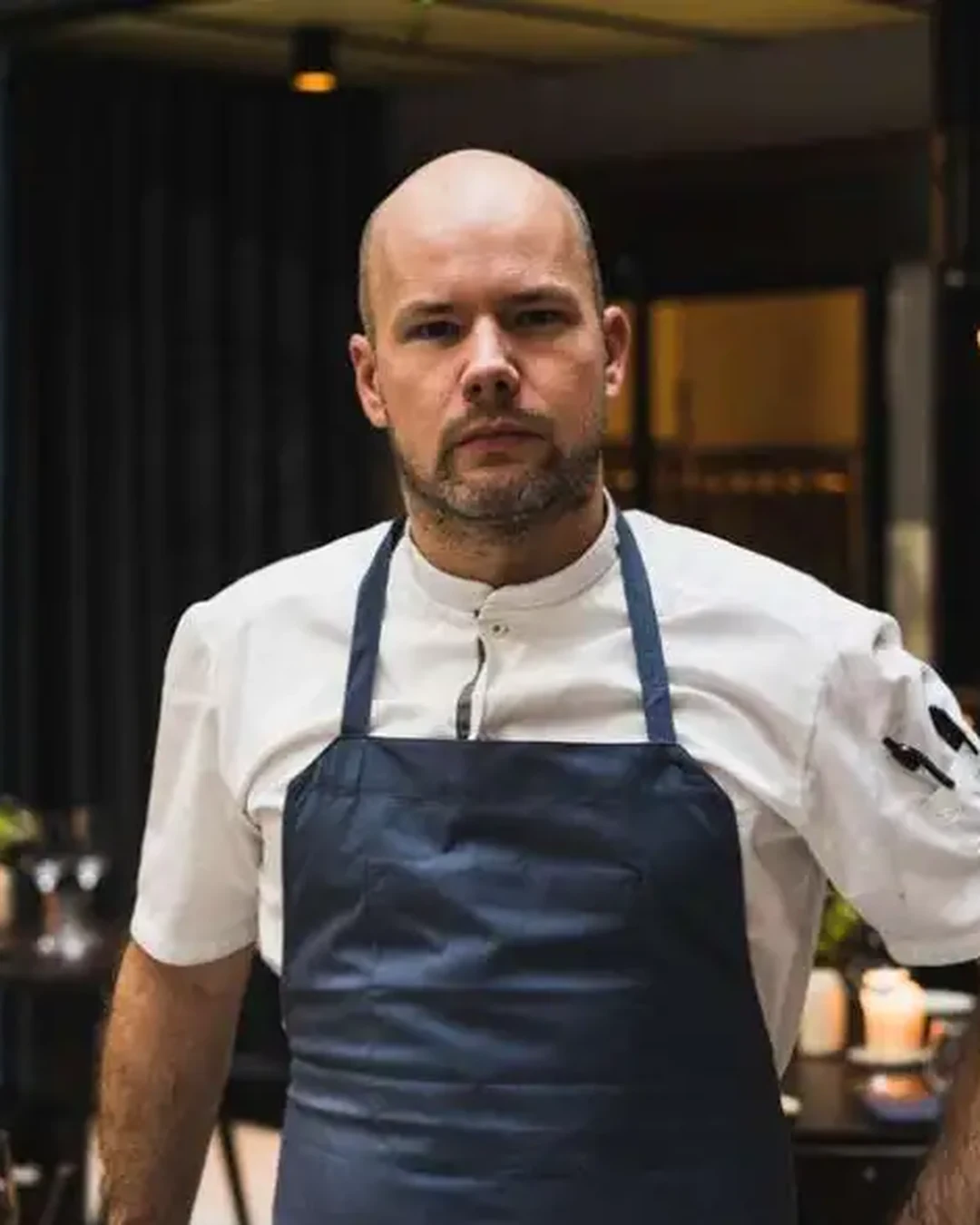
Chef in Residence
Will Smith
Chef
- 01CuisineTraditional Danish Smørrebrød
- 02CityCopenhagen, Denmark
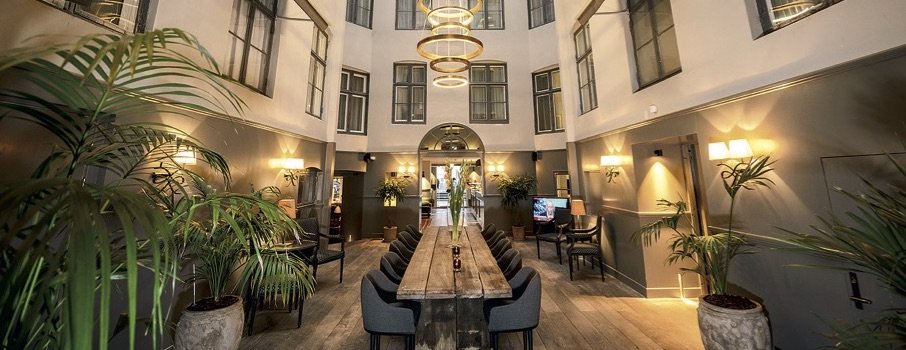
Sankt Annæ occupies a considered position in Copenhagen's smørrebrød tradition: a Michelin Plate holder ranked #462 on Opinionated About Dining's 2025 Casual Europe list, sitting at the mid-price tier where craft and accessibility intersect. Located on Sankt Annæ Plads in Indre By, it represents the open-faced sandwich format at its most purposeful, without the theatrical pricing of the city's New Nordic fine-dining circuit.
At a glance
- Cuisine
- Traditional Danish Smørrebrød
- Price
- $$
- Per person
- $35
- Hours
- Mon: Closed; Tue: 11 AM–4 PM; Wed: 11 AM–4 PM; Thu: 11 AM–4 PM; Fri: 11 AM–4 PM; Sat: 11 AM–4 PM; Sun: Closed
- Neighborhood
- Indre By
- Rating
- 4.4 (356)
<h2>A Square, a Format, and What Lunchtime Looks Like Here</h2><p>Sankt Annæ is a restaurant in Copenhagen serving Traditional Danish Smørrebrød at about $35 per person. Walking toward it from Nyhavn or Kongens Nytorv, you pass the kind of architecture that reminds you this part of the city was built to project stability. The address at number 12 fits that register. The room does not announce itself aggressively. Smørrebrød restaurants rarely do.</p><p>That restraint is partly the format's character. Open-faced sandwiches on dense rye bread, <em>rugbrød</em>, have been Copenhagen's working and civic lunch for generations, and the tradition carries its own discipline: the bread is a foundation, not a vehicle for excess. Toppings are layered with attention to proportion. Garnishes follow convention. The sustainability argument for smørrebrød, often underplayed, is actually embedded in the format itself: rugbrød ferments slowly, keeps well, and generates less waste than most bread formats. Toppings draw on preserved, cured, and pickled ingredients that extend shelf life naturally. This is not a cuisine that discovered sustainability as a trend; it arrived at it through centuries of pragmatic northern European cooking.</p><h2>Where Sankt Annæ Sits in the Smørrebrød Tier</h2><p>Copenhagen's smørrebrød restaurants now occupy a clear hierarchy. At the leading sits <a href="https://www.enprimeurclub.com/restaurants/schonemann-copenhagen-restaurant">Schönemann</a>, the benchmark address that has defined the format's fine-dining ceiling for over a century. Below that, a mid-tier has developed where Michelin recognition and OAD placement signal quality without the full pageant of white-tablecloth pricing. Sankt Annæ operates in that middle register, holding both a Michelin Plate and an OAD Casual Europe ranking of #462 in 2025. The $35 per person price point positions it well below the city's fine-dining circuit, represented by venues like <a href="https://www.enprimeurclub.com/restaurants/geranium-copenhagen-restaurant">Geranium</a> and Noma, while sitting above the city's casual grab-and-go lunch options.</p><p>The OAD Casual Europe list is a useful signal here. It reflects consistency and informed execution over spectacle. A placement at #462 on a continent-wide list in a format as specific as smørrebrød is a credential that speaks to repetition and reliability. Google reviewers, who tend to skew toward broader appeal, have given it a 4.4 across 346 reviews, a figure that holds up at that volume without the artificial inflation common in venues with fewer ratings.</p><p>For comparison within the city's smørrebrød scene, Møntergade and Restaurant Palægade operate in overlapping territory, each with their own editorial recognition. The format is specific enough that differentiation happens in the detail: sourcing choices, rye bread character, the quality of the pickled herring, the balance of fat in a liver pâté.</p><h2>The Sustainability Logic of the Format</h2><p>It is worth understanding smørrebrød not as a novelty but as one of Scandinavia's most coherent responses to low-waste cooking. The format predates modern sustainability discourse by several centuries. Rugbrød, made from sourdough-fermented rye, has a dense crumb that resists staleness far longer than wheat bread. Toppings in the classical repertoire, smoked fish, pickled vegetables, cured meats, aged cheeses, are preservation techniques masquerading as garnishes. Even the portioning logic, individual open-faced pieces rather than shared platters, reduces plate waste.</p><p>Copenhagen's broader dining culture has made sustainability a central conversation since the early 2000s, driven partly by the influence of institutions like Noma on supply chain thinking and by the city's progressive food policy frameworks. Smørrebrød restaurants benefit from this context while often predating it: their sourcing from Danish fisheries, local dairy, and regional farms is structural rather than performative. The question for any smørrebrød address in 2025 is less whether it sources responsibly and more what level of care it applies to execution within that framework.</p><p>Sankt Annæ's position on Sankt Annæ Plads also matters geographically. The square sits close to the harbour, historically the artery through which Danish seafood and preserved goods entered the city. That proximity to the original supply chain of the format is not incidental to understanding why certain addresses in this part of Indre By carry particular authority in the smørrebrød tradition.</p><h2>Copenhagen Dining Beyond the Sandwich Counter</h2><p>Visitors arriving specifically for the city's broader dining range will find Sankt Annæ useful as a lunch anchor before exploring the full spectrum. The New Nordic fine-dining circuit runs from Jordnær in Gentofte to the city's central tables, while the bar scene, including <a href="https://www.enprimeurclub.com/restaurants/mikkeller-copenhagen-restaurant">Mikkeller</a> for craft beer, covers different ground entirely. For those extending beyond Copenhagen, the Danish restaurant network includes Frederikshøj in Aarhus, <a href="https://www.enprimeurclub.com/restaurants/henne-kirkeby-kro-henne-restaurant">Henne Kirkeby Kro in Henne</a>, <a href="https://www.enprimeurclub.com/restaurants/alimentum-aalborg-restaurant">Alimentum in Aalborg</a>, <a href="https://www.enprimeurclub.com/restaurants/aro-odense-restaurant">ARO in Odense</a>, and Domæne in Herning. For smørrebrød specifically outside Copenhagen, <a href="https://www.enprimeurclub.com/restaurants/anx-aarhus-restaurant">anx in Aarhus</a> represents the format's regional development.</p><p></p><h2>Know Before You Go</h2><div class="callout-box"><p>Address: Sankt Annæ Pl. 12, 1250 Indre By, Copenhagen, Denmark</p><p>Cuisine: Smørrebrød (traditional Danish open-faced sandwiches)</p><p>Price range: €€ (mid-range)</p><p>Awards: Michelin Plate (2025); Opinionated About Dining Casual in Europe #462 (2025)</p><p>Google rating: 4.4 from 346 reviews</p><p>Neighbourhood: Indre By, close to Sankt Annæ Plads and the inner harbour</p><p>Booking: Contact the venue directly for current availability</p><p>Leading for: Lunch; the smørrebrød format is a midday tradition in Copenhagen and most dedicated addresses operate accordingly</p></div><h2>What Should I Eat at Sankt Annæ?</h2><p id="cuisine">The smørrebrød format provides a reliable framework for what to expect. Classical versions anchor the menu: pickled herring with onion and capers, smoked salmon on rugbrød, roast beef with remoulade and crispy onions, and liver pâté with pickled beetroot are all canonical pieces in the tradition. The Michelin Plate recognition and OAD ranking suggest that execution within that framework meets a consistent standard. Chef Will Smith leads the kitchen. The format is inherently seasonal and ingredient-led, meaning the specific combination of toppings shifts with what Danish fisheries and farms are producing. Given the €€ price point and the harbour-adjacent address in Indre By, this is a lunch proposition rather than an evening destination, the format and the neighbourhood both point in that direction. For the broader smørrebrød canon, <a href="https://www.enprimeurclub.com/restaurants/schonemann-copenhagen-restaurant">Schönemann</a> remains the reference point for comparison.</p>
Know before you go
- Dress code
- smart_casual
- Reservations
- recommended
- Parking
- street
- Outdoor seating
- Yes
Frequently asked
Who's behind the kitchen at Sankt Annæ?
The chef associated with Sankt Annæ is Will Smith.
What should I eat at Sankt Annæ?
The menu follows the classical smørrebrød framework, so anchoring your order around pickled herring with onion and capers or smoked fish on rye is a reliable starting point. These preparations represent the format's core logic: open-faced ryebread (rugbrød) as the base, with cured or pickled proteins that reflect the low-waste Scandinavian tradition the format was built on. Sankt Annæ holds a Michelin Plate (2025) and ranks #462 on Opinionated About Dining's Casual Europe list, which signals execution that meets a consistent standard without venturing into the high-concept territory of Schönemann at the top of the Copenhagen smørrebrød tier. Ordering three to four pieces across herring, meat, and egg preparations is the conventional approach.
Is Sankt Annæ more mid-range or high-end?
Pricing at Sankt Annæ is listed as €€.
Address
Sankt Annæ Pl. 12, 1250 Indre By, Denmark
Indre By
How it compares
Sankt Annæ
- Cuisine
- Traditional Danish Smørrebrød
- Price
- $$
- Awards
- Michelin Plate
- Notes
- Indre By
- Cuisine
- Danish Bakery & Specialty Coffee
- Price
- $$
- Awards
- 3 recognitions
- Notes
- Vesterbro-Kongens Enghave
- Cuisine
- Danish Bakery & Café
- Price
- $$
- Awards
- 3 recognitions
- Notes
- Indre By
- Cuisine
- Classic Danish Patisserie
- Price
- $$
- Awards
- 3 recognitions
- Notes
- Indre By
- Cuisine
- Organic Danish Bakery Café
- Price
- $$
- Awards
- 3 recognitions
- Notes
- Nørrebro
- Cuisine
- Artisanal Danish Ice Cream & Sorbets
- Price
- $$
- Awards
- 3 recognitions
- Notes
- Østerbro
In residence
Similar places

Avant-Garde Molecular Gastronomy with Social Commentary
Alchemist
Copenhagen, Denmark
★★ · 50 Best
Modern New Nordic Pescatarian
Geranium
Copenhagen, Denmark
★★★ · 50 Best
New Nordic Fine Dining
Noma
Copenhagen, Denmark
★★★ · 50 Best

New Nordic Cuisine
Kadeau
Copenhagen, Denmark
★★★ · 50 Best
Classic French Fine Dining
Kong Hans Kaelder
Copenhagen, Denmark
★★
Modern French Fine Dining
Søllerød Kro
Copenhagen, Denmark
★