Made ByRestaurant
Single Thread Farm
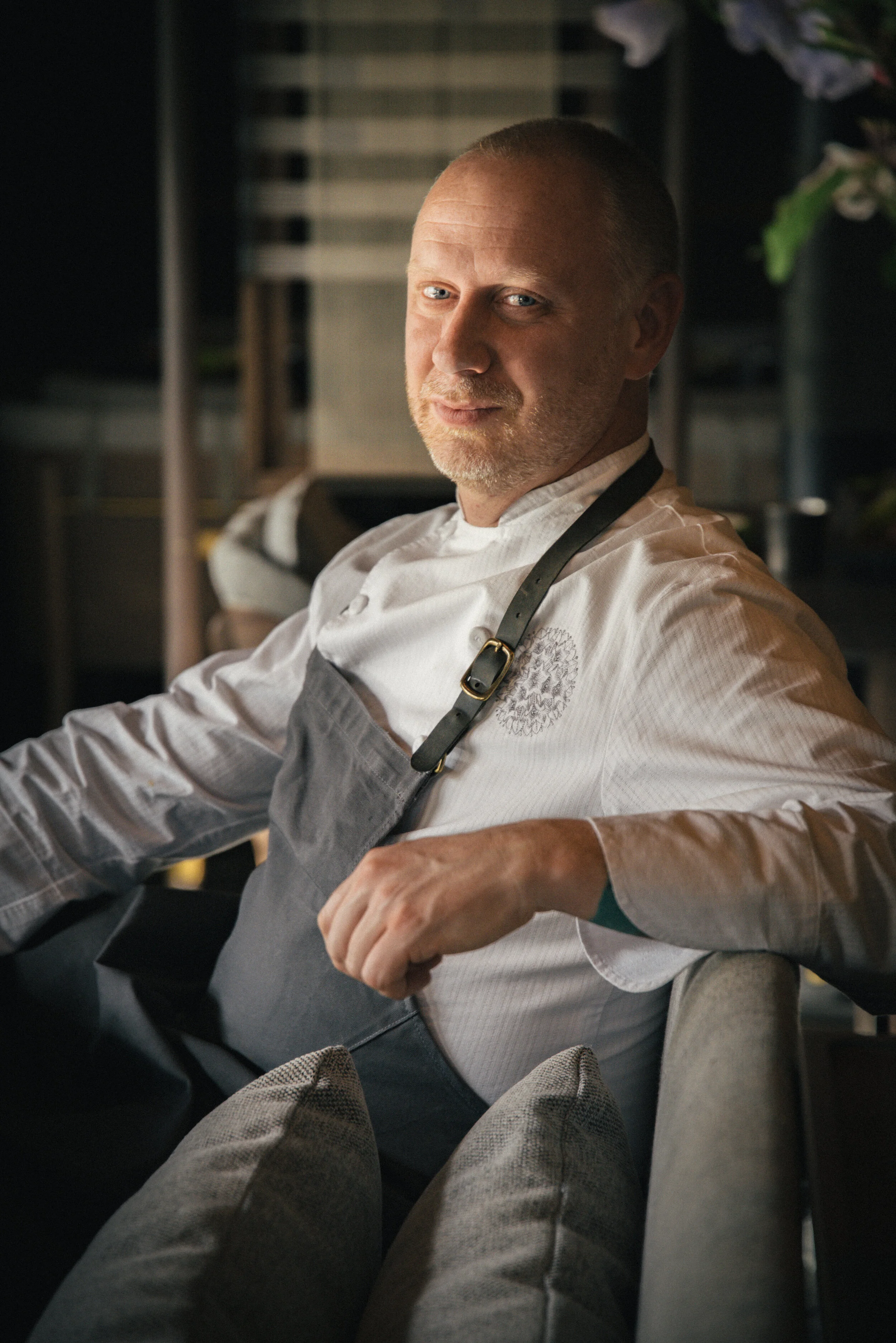
Chef in Residence
Kyle Connaughton
Chef
- 01CuisineJapanese-influenced Californian Kaiseki
- 02CityHealdsburg, United States
- 03RecognitionThree Michelin Stars
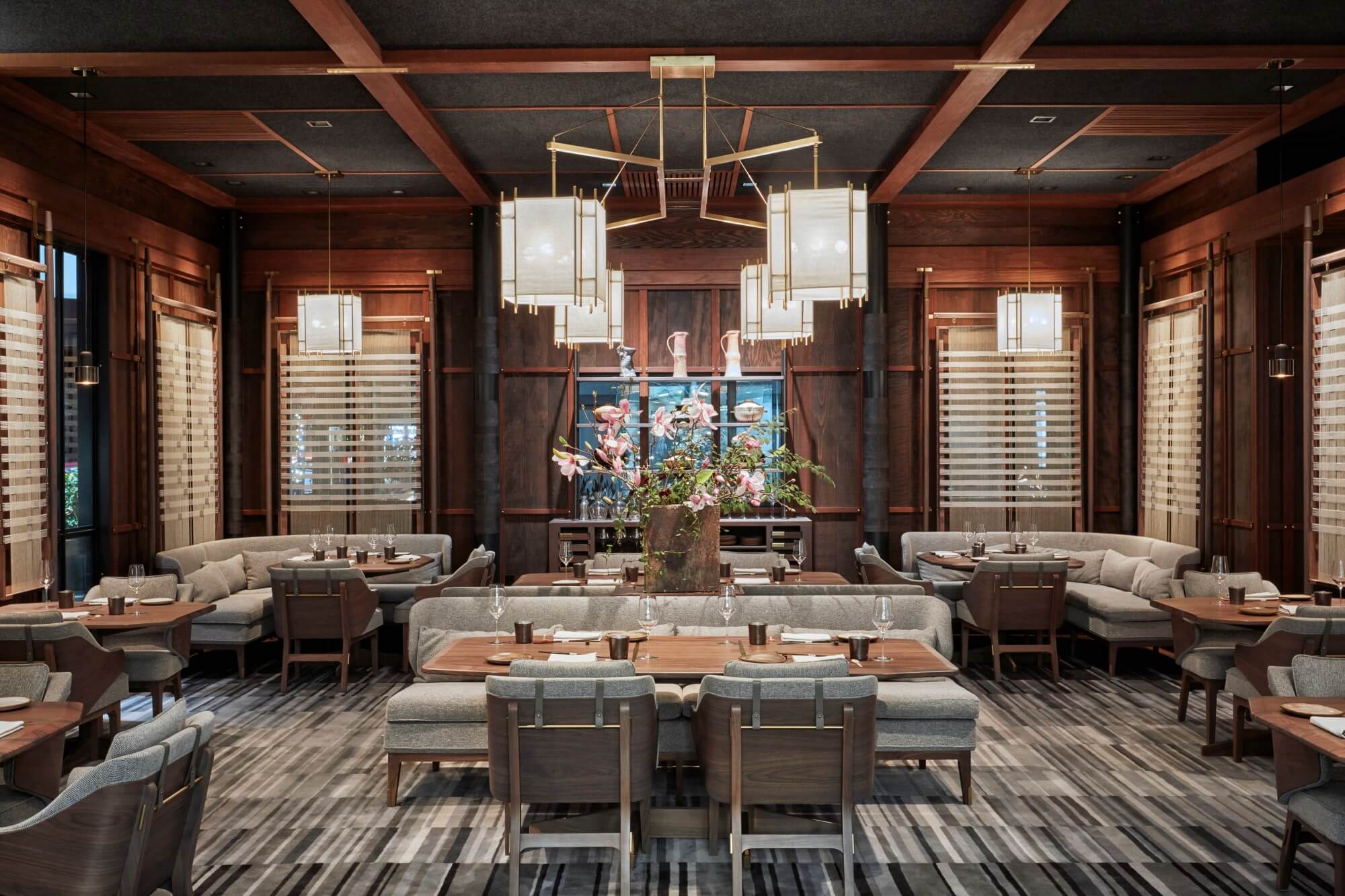
Single Thread Farm sits at the point where Sonoma agriculture meets the discipline of Japanese multi-course dining. The Healdsburg restaurant carries three Michelin stars for 2025, La Liste 99 points for 2026, and a 2026 OAD North America rank of No. 4, with the farm, inn, wine program, and kitchen operating as one tightly controlled hospitality system.
- 3 Michelin Stars
- World's 50 Best · #8
- Wine Spectator · Tier 3
At a glance
- Cuisine
- Japanese-influenced Californian Kaiseki
- Price
- $$$$
- Per person
- $450
- Neighborhood
- Healdsburg
- Rating
- 4.6 (721)
<p>In Healdsburg, Single Thread Farm is best described from the verified essentials: a $$$$ restaurant serving Progressive - Japanese cuisine under chef/owner Kyle Connaughton. The available listing emphasizes harmony with nature, with fruits, vegetables, and herbs grown on the estate's farm and harvested daily. It also describes Connaughton as inspired by the rhythm of the seasons and Japanese cooking.</p><p>That makes the restaurant a distinctive Healdsburg fine-dining option without needing to overstate unverified details. For comparison, diners may also look at regional restaurants such as Troubadour, The Matheson, Farmhouse Inn & Restaurant, Auro, and Press Restaurant. The useful question is not an invented menu format or score, but whether Single Thread Farm’s Progressive - Japanese point of view, farm connection, and $$$$ positioning fit the kind of dinner you want in Healdsburg.</p><h2>Progressive Japanese cooking, seasonal rhythm, and a daily-harvest farm emphasis</h2><p>The verified cuisine category is Progressive - Japanese. The restaurant’s published recognition language points to seasonality, nature, and an estate farm as central to the experience: fruits, vegetables, and herbs are grown on the farm and harvested every day. Those details support a reading of Single Thread Farm as a restaurant where the agricultural source is part of the identity, not just background language.</p><p>Specific course counts, menu structure, seating details, and service format are not verified here, so they should not be treated as fixed facts. What can be said with confidence is that the restaurant is positioned at the $$$$ level, is associated with chef/owner Kyle Connaughton, and presents a Progressive - Japanese style in Healdsburg.</p><p>Connaughton’s role matters because the verified description connects his cooking to seasonal rhythms and Japanese inspiration. In a region where many restaurants draw on agriculture, Single Thread Farm’s confirmed distinction is the direct reference to estate-grown fruits, vegetables, and herbs harvested daily.</p><h2>Recognition language centers on nature, seasonality, and the estate farm</h2><p>The verified recognition text describes Single Thread Farm as embodying an art de vivre in harmony with nature. It highlights the estate farm and the daily harvest of fruits, vegetables, and herbs, along with Kyle Connaughton’s seasonal and Japanese inspiration. Specific star ratings, ranked-list placements, wine-list statistics, cellar strengths, and staff titles are not verified here and should not be stated as confirmed facts.</p><p>Because the confirmed price level is $$$$, diners should approach Single Thread Farm as a premium Healdsburg restaurant. Its verified identity rests on Progressive - Japanese cuisine, chef/owner Kyle Connaughton, and the farm language attached to the venue’s recognition.</p><p>The competitive logic is clear enough without unsupported claims. Farmhouse Inn & Restaurant, Press Restaurant, Auro, Troubadour, and The Matheson offer useful points of comparison for diners considering a premium meal in the region. Single Thread Farm’s confirmed lane is the meeting point of Healdsburg, Progressive - Japanese cooking, and an estate-farm sensibility.</p><h2>How to think about the Healdsburg trip around dinner</h2><p>The practical decision is whether Single Thread Farm should anchor an evening in Healdsburg. Verified hours list service every day from 4–8:45 pm, which makes it an evening restaurant based on the available information. The dress code is business casual, and the price category is $$$$.</p><p>Healdsburg rewards context. Before or after a dinner built around Single Thread Farm’s Progressive - Japanese identity, use Our full Healdsburg restaurants guide to understand the city’s range. For lodging strategy, see Our full Healdsburg hotels guide; for general trip planning, Our full Healdsburg guide can help frame the visit.</p><p>For readers comparing Japanese influence across American dining, it is better to keep the comparison general unless a specific venue is verified. Single Thread Farm’s confirmed profile is already clear: Progressive - Japanese cuisine in Healdsburg, led by Kyle Connaughton, with recognition language centered on nature, seasonality, and daily harvests from the estate farm.</p><p>The editorial case is direct: Single Thread Farm is a premium Healdsburg restaurant whose verified identity combines Progressive - Japanese cooking, chef/owner Kyle Connaughton, business-casual dress, evening hours, and an estate-farm emphasis. Those facts are enough to frame it honestly without relying on unverified course counts, awards, wine statistics, lodging details, or service claims.</p>
Know before you go
- Dress code
- business_casual
- Reservations
- essential
- Parking
- on_site_lot
- Payment
- credit_card
- Accessibility
- wheelchair_accessible
Frequently asked
Is Single Thread Farm child-friendly?
No specific child policy is verified here. Single Thread Farm is a $$$$ Healdsburg restaurant with a business-casual dress code and evening hours from 4–8:45 pm daily.
Is Single Thread Farm formal or casual?
Single Thread Farm lists a business-casual dress code. It is a $$$$ restaurant in Healdsburg under chef/owner Kyle Connaughton.
What type of food is Single Thread Farm known for?
Single Thread Farm serves Progressive - Japanese cuisine.
What should I budget for a meal at Single Thread Farm?
Pricing at Single Thread Farm is listed as $$$$.
What days is Single Thread Farm closed?
Verified hours list Single Thread Farm open Monday through Sunday from 4–8:45 pm.
What's Single Thread Farm's location?
Single Thread Farm is located in Healdsburg.
Address
131 North St, Healdsburg, CA 95448
Healdsburg
How it compares
- Cuisine
- Progressive - Japanese
- Price
- $$$$
- Notes
- This venue
- Cuisine
- French
- Price
- $$$$
- Notes
- French, $$$$
- Cuisine
- Contemporary
- Price
- $$$$
- Notes
- Contemporary, $$$$
- Cuisine
- Californian
- Price
- $$$$
- Notes
- Californian, $$$$
- Cuisine
- Contemporary, Contemporary Californian (Fine Dining)
- Price
- $$$$
- Notes
- Contemporary, Contemporary Californian (Fine Dining), $$$$
- Cuisine
- $$$$ · Modern Cuisine
- Price
- $$$$
- Notes
- $$$$ · Modern Cuisine, $$$$
In residence
Similar places
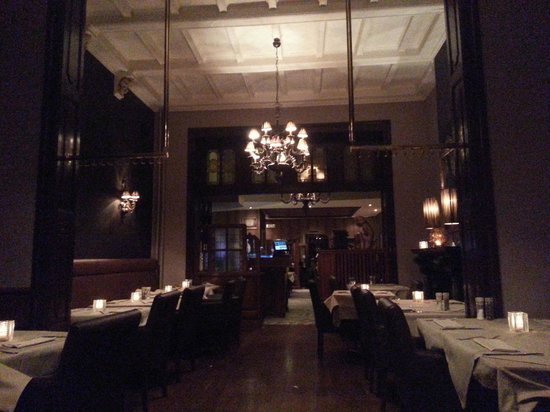
Modern French Bistro
Troubadour
Healdsburg, United States
★
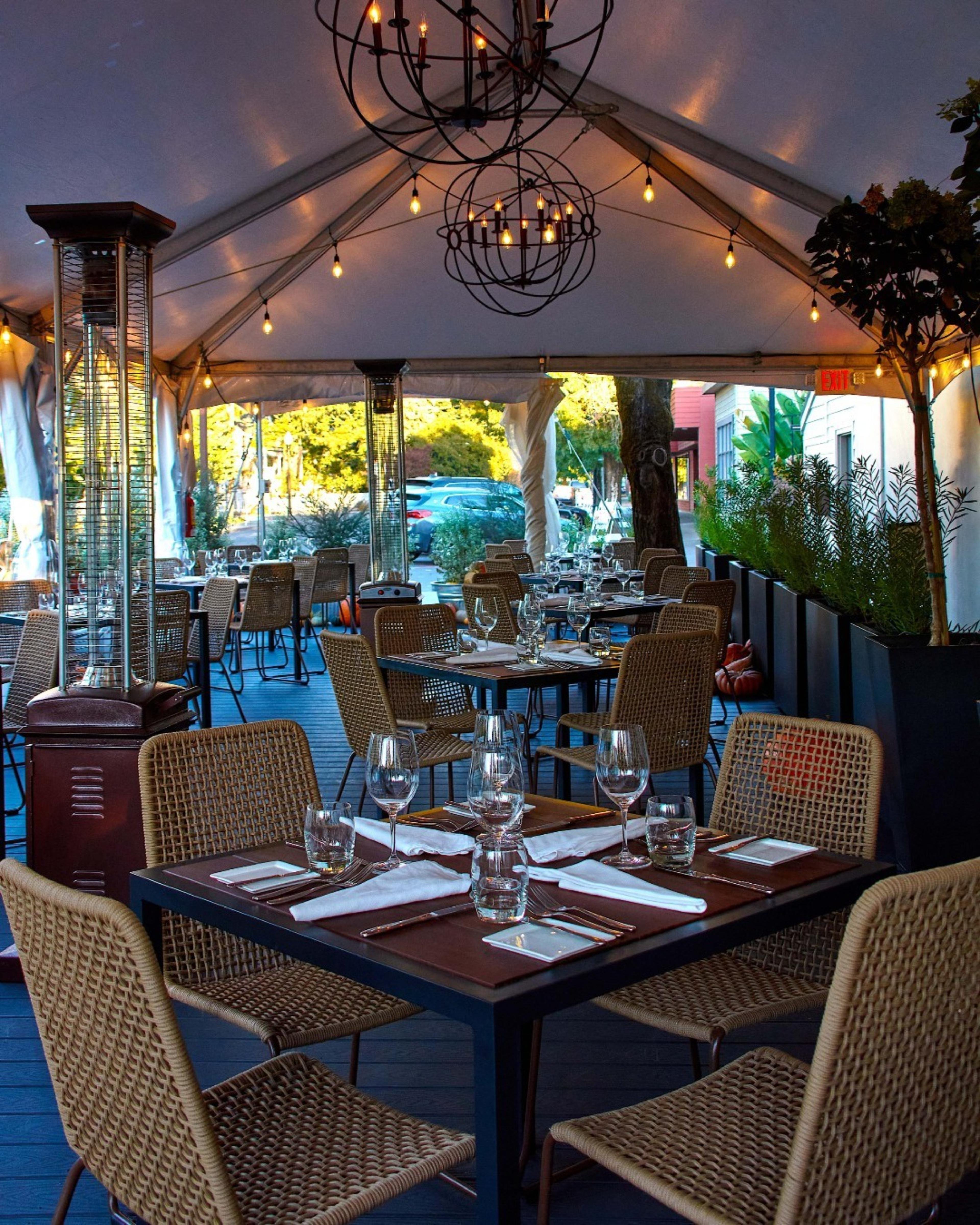
Contemporary American with French Influences
Valette
Healdsburg, United States
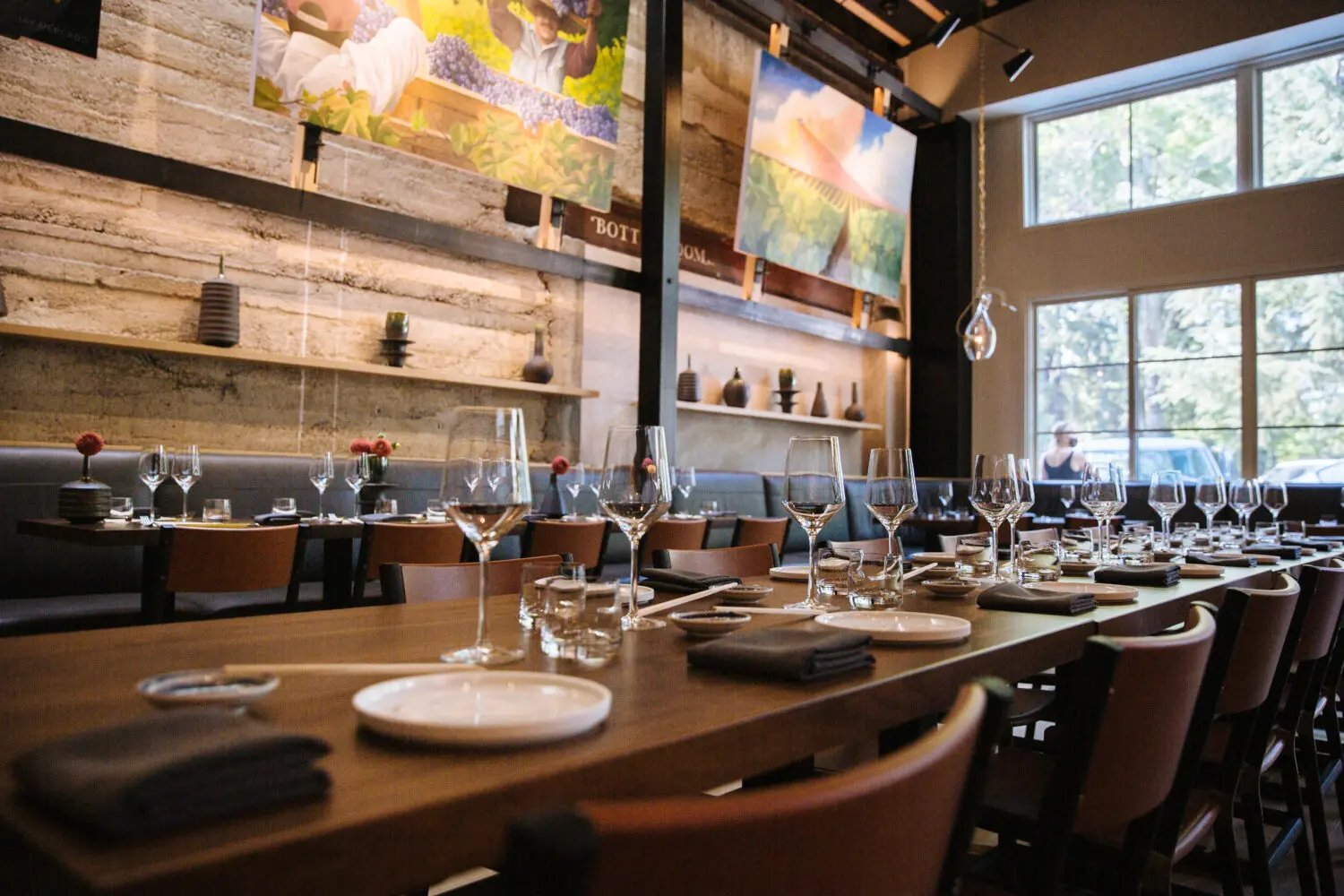
Micro-Seasonal Farm-to-Table with Sushi
The Matheson
Healdsburg, United States
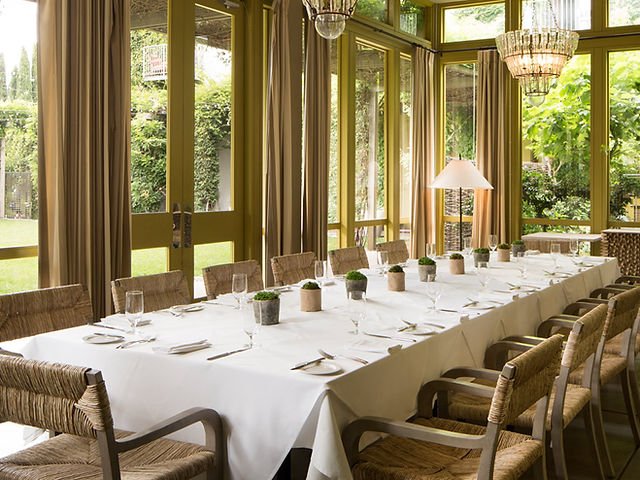
Progressive American
Dry Creek Kitchen
Healdsburg, United States
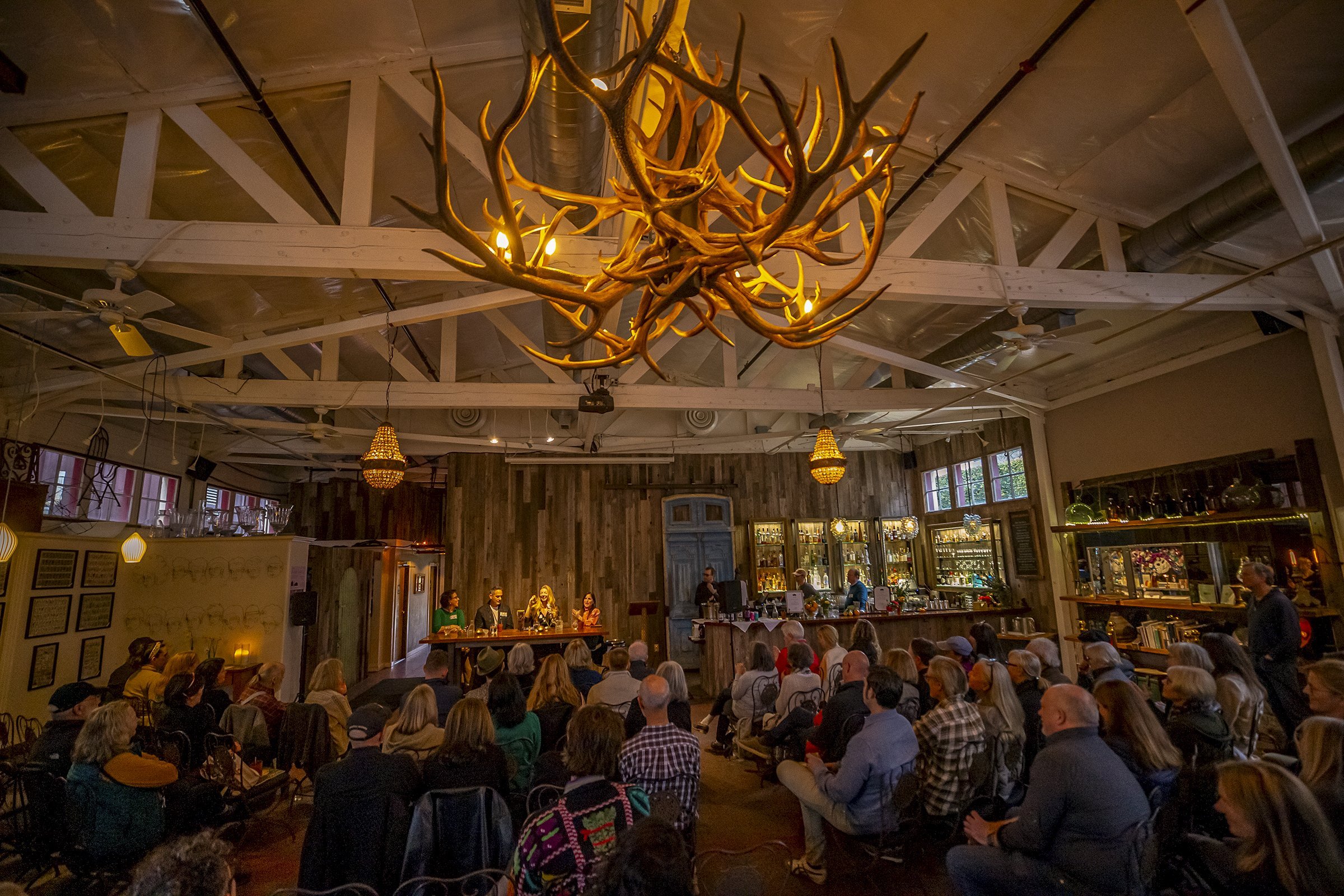
Contemporary American Farm-to-Table
Barndiva
Healdsburg, United States
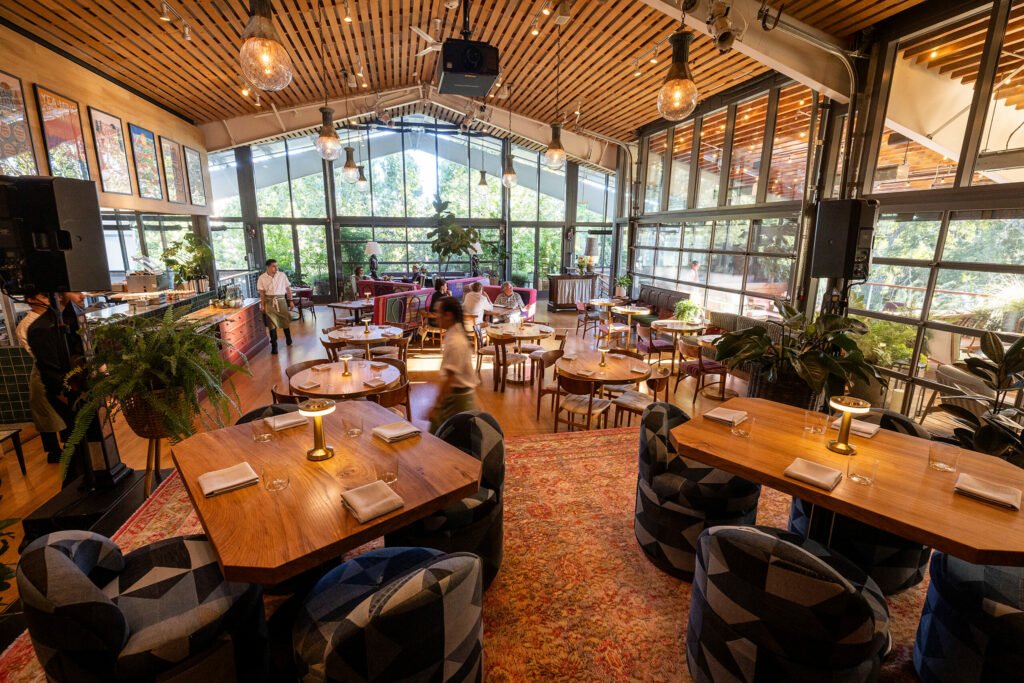
Plant-Based American Farm-to-Table
Little Saint
Healdsburg, United States