Winemaker
Alessandro Noli
Directeur & Maître de Chai, Clos de Tart
- Discipline
- Winemaker
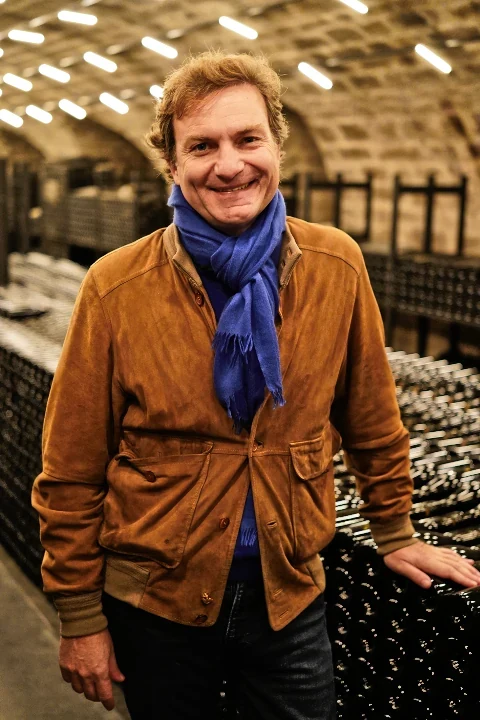
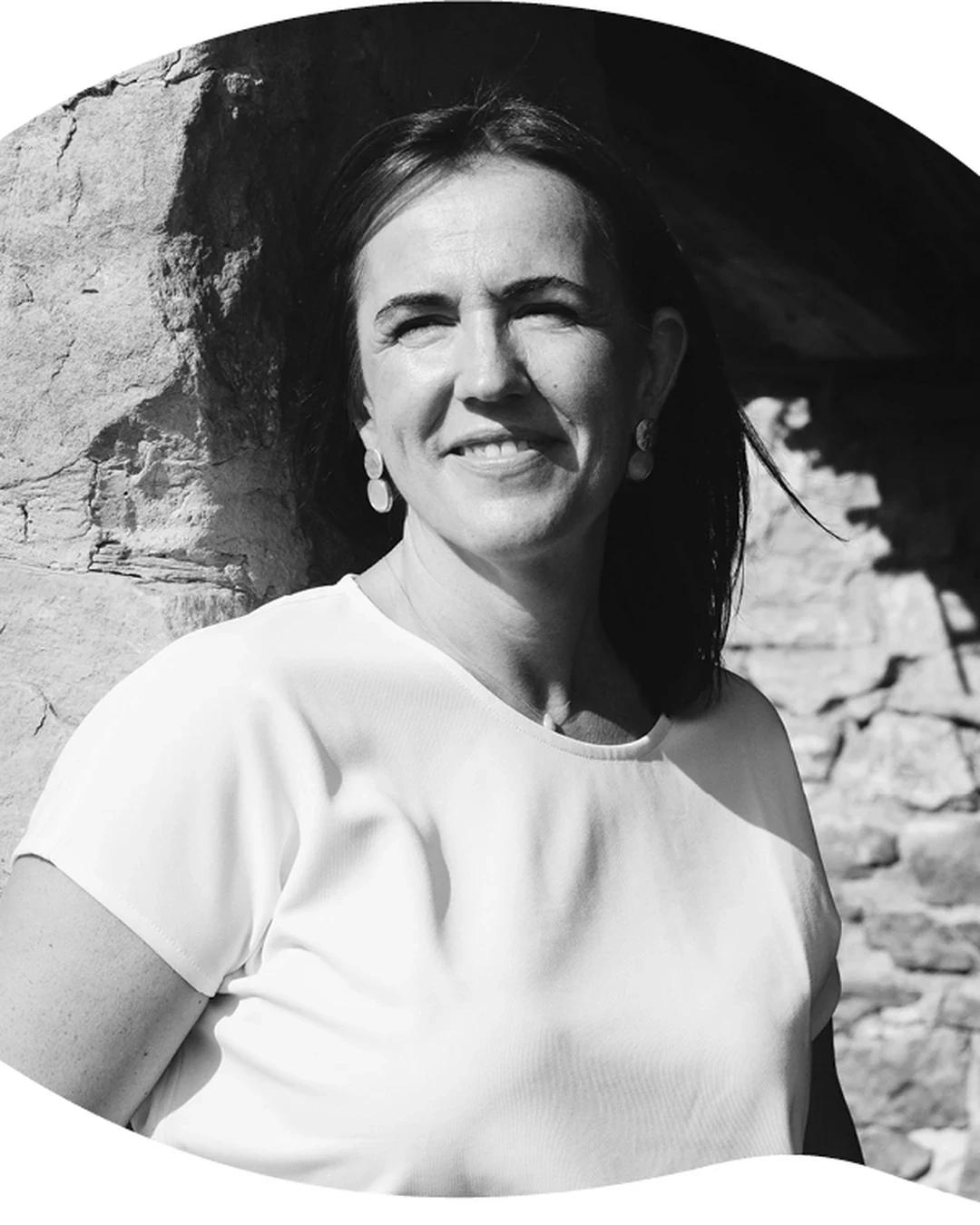
Portrait of Alessandro Noli
i. Biography
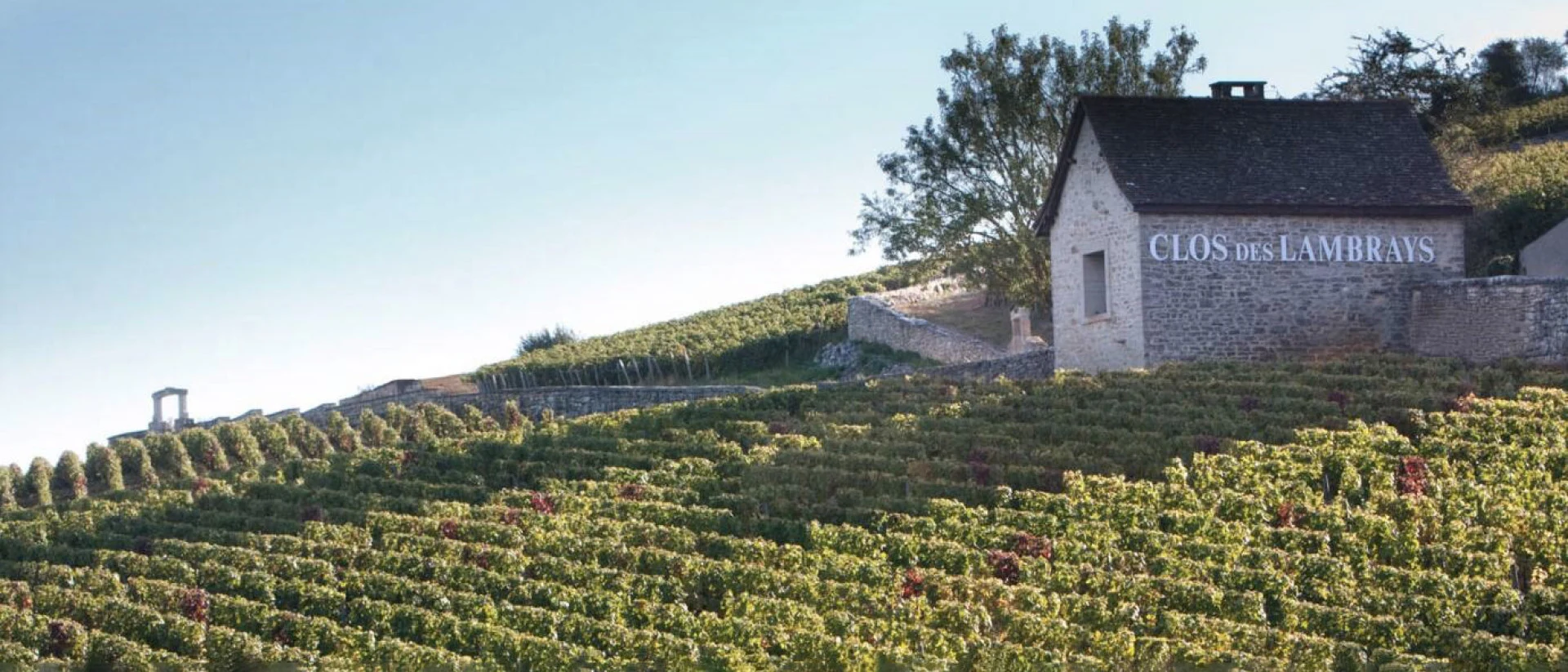
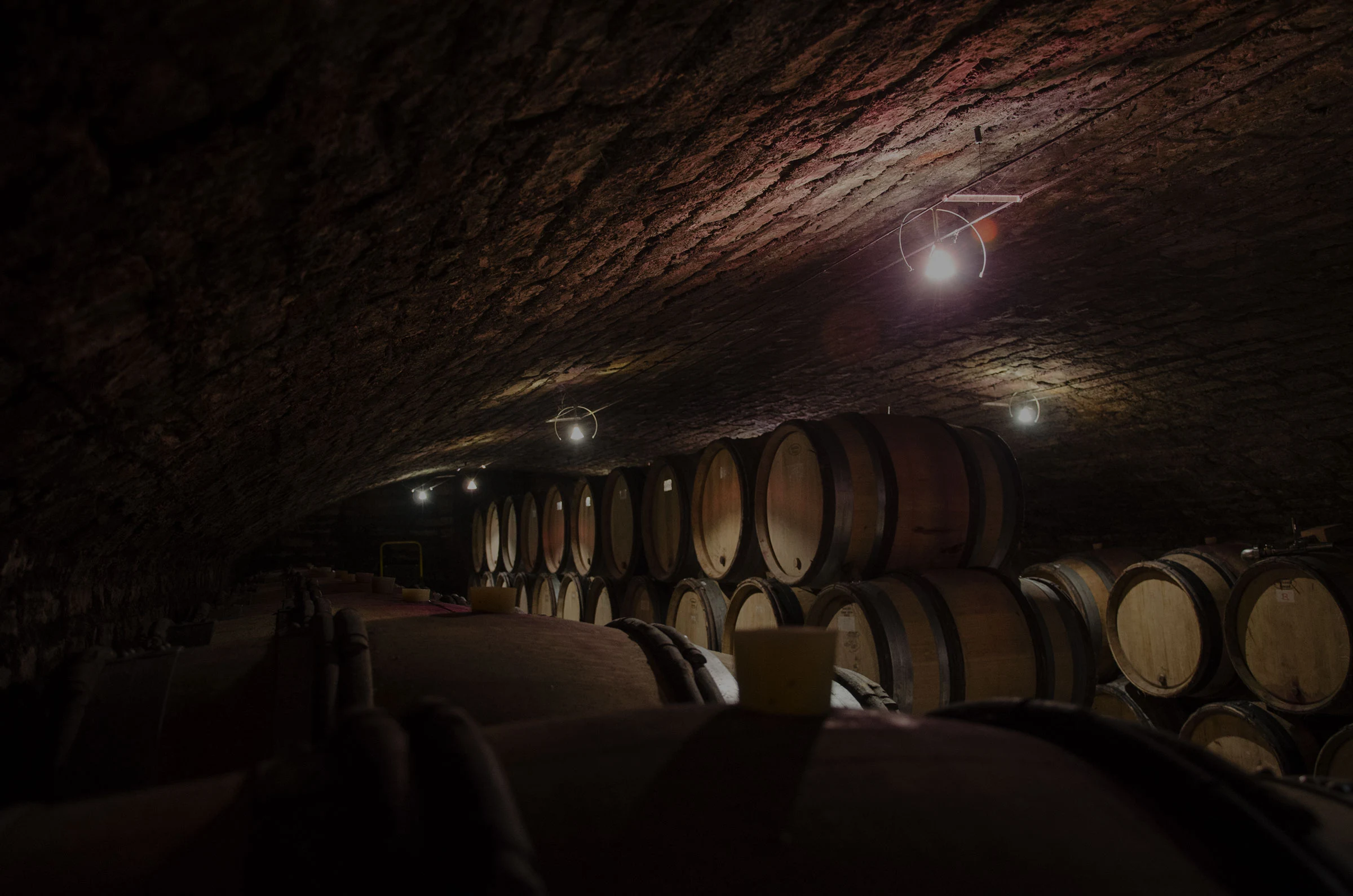
Alessandro Noli is director and régisseur at Clos de Tart in Morey-Saint-Denis, Burgundy, France, where his work has focused on vineyard discipline, cellar restraint, and a finer, more elegant style of wine. Since 2019, he has guided the domaine toward gentler vinification, precise whole-cluster proportions, and reduced new oak usage, aiming not to lessen the site’s natural power but to change how that power is carried. He has said he wants to find the more feminine side of a wine that he feels has a masculinity that comes naturally. Noli’s career shows a steady grounding in field work before cellar polish. From 2006, he worked as a vineyard worker at Château Latour, an experience that gave him a strong foundation in observation, soil, weather, and vine management. He later worked at Domaine d’Eugénie from 2009 to 2011, where he implemented a biodynamic program. From 2011 to 2019, he was head and winemaker at Château-Grillet in Rhône, France, a role that placed his field training in a setting shaped by precision, patience, and terroir-driven craft. At Clos de Tart, Noli has treated whole-cluster decisions as parcel work rather than cellar habit. He divided the estate into 12 sectors and analyzes each plot at the University of Bordeaux to determine ideal whole-bunch quantities and trial blends. Soil composition, plant material, pruning type, and vine age are all part of the estate’s internal map, and trial blending is used to test proportion before final decisions are made. His method links vineyard reading and cellar choice, with the eventual shape of the wine beginning in the parcels rather than in the cellar. Extraction has also shifted toward texture and restraint. Noli said he stopped completely with pigeage and began foulage, describing it as ten times gentler and less brutal. He has emphasized that he likes tannins to be silky, and his approach reflects a broader move away from force and toward attention to feel. Oak use has been recalibrated as part of the same direction. On the Grand Cru, he tried 70% new oak, and on La Forge, 50%. The wines remain structured, but the frame is more measured, with closer attention to clarity, proportion, and how much support fruit and site actually need. Noli’s work has also been shaped by the practical thresholds of yield, dryness, harvest timing, and freshness. He has spoken of being very happy with a crop that gave 34 hl/ha, which he described as the most he had ever made, and has noted a legal limit of 35 hl/ha. On another crop, he said the team produced 28 hl/ha, aimed for 32 to 33, and harvested relatively early to preserve freshness in the wine. His account places the craft in the details of crop level and seasonal conditions, with attention to how those choices are carried from vine to cellar without overworking the material. The named signatures associated with his work include 2019 Clos de Tart Grand Cru, 2019 Clos de Tart, 2021 Clos de Tart, 2021 Morey St. Denis 1er Les Forges de Tart, and 2022 Morey St. Denis 1er Les Forges de Tart.
The Sunday letter
Read Made By's new profiles every Sunday.
Meet the chefs, winemakers and sommeliers behind the places we cover. See a sample below before you subscribe.
See a sample of the Sunday emailOne email a week. Unsubscribe from any issue.
Explore
Similar Winemakers


The Sunday letter
Get the next Made By profile in your inbox.
We send one email every Sunday morning with the people we profiled that week.
See a sample of the Sunday emailOne email a week. Unsubscribe from any issue.