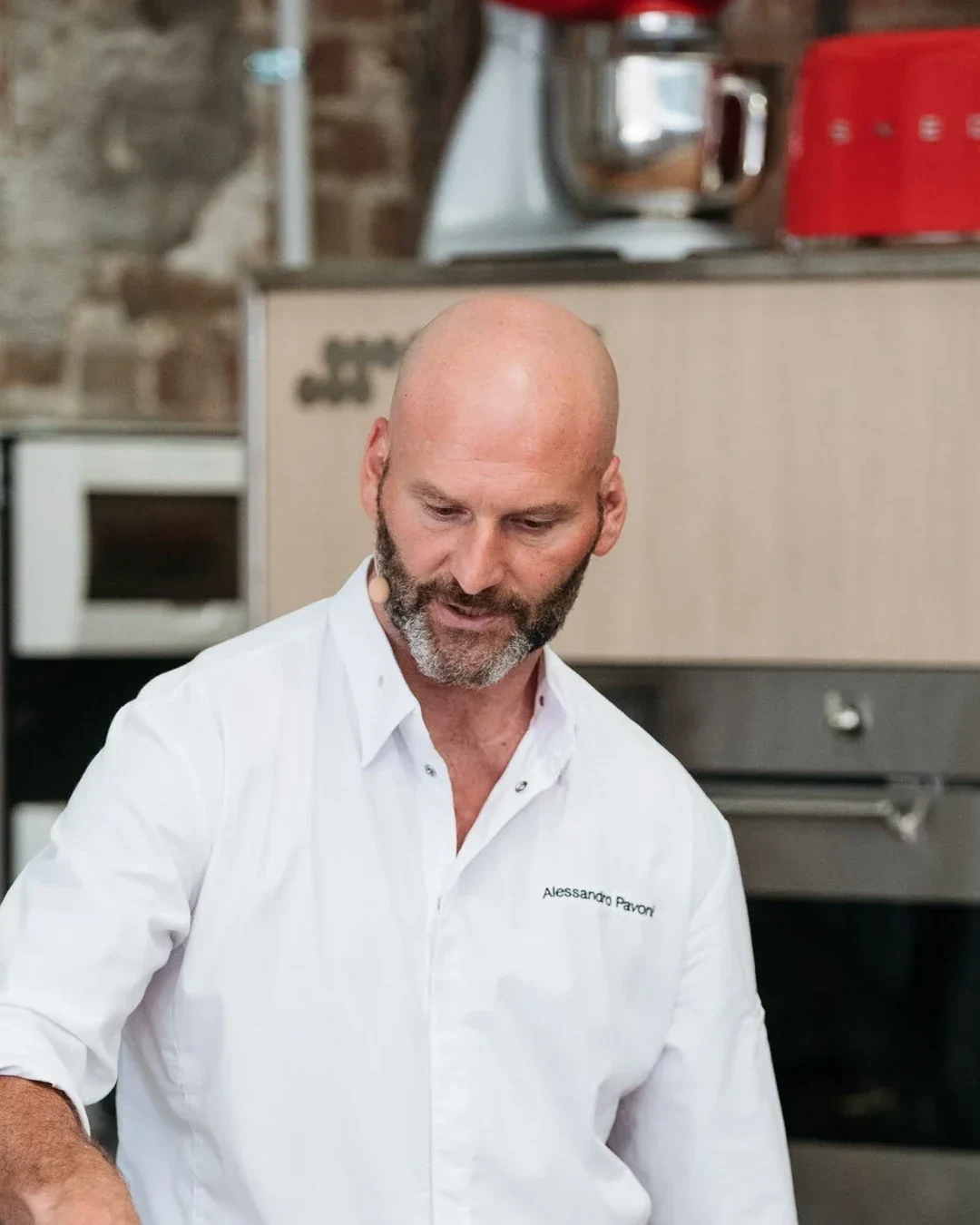
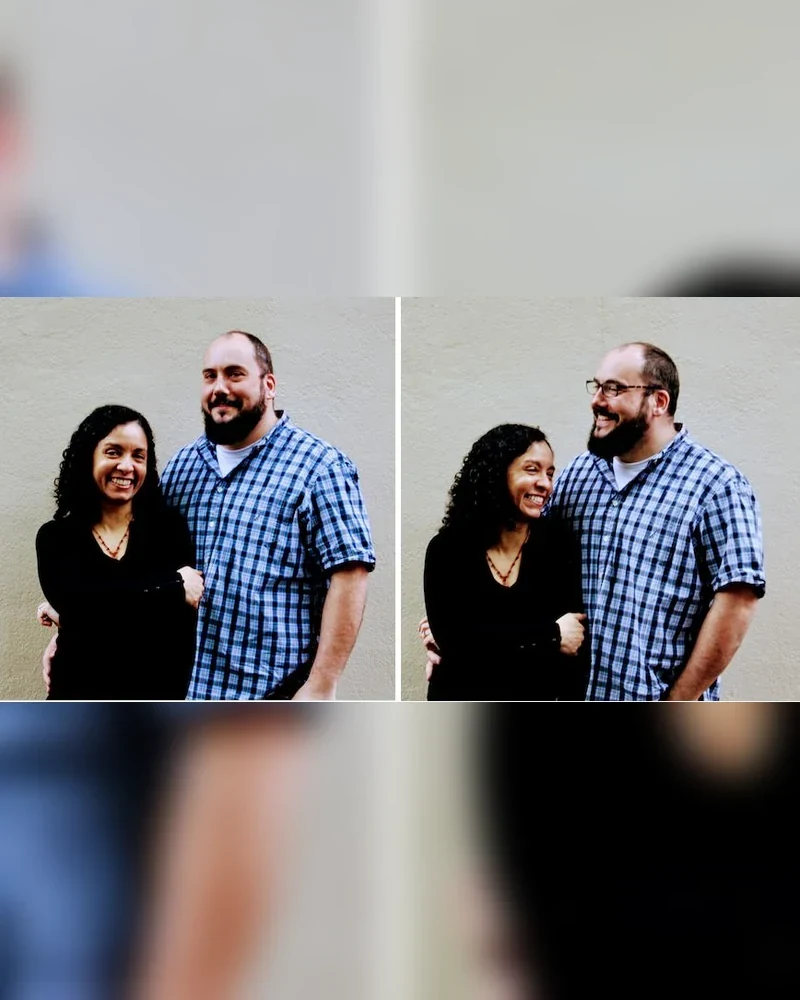
Portrait of Alessandro Pavoni
i. Biography
Alessandro Pavoni has built a career across kitchens in Italy, France, Bermuda, and Sydney, with a style shaped by freshness, restraint, and careful control. At Ormeggio at The Spit in Mosman, Sydney, Australia, he set the terms of the cooking around seafood and produce that could carry the plate without excess. His approach favors direct flavors, simple dressings, and fresh herbs that keep the composition clear. He has said that fresh seafood and produce are central to his cooking, and that he likes to keep dressings and sauces simple so they do not mask the flavor of the dish. His career began with chef roles at Carlo Magno in Brescia, Italy, La Rotonde in France, Villa Fiordaliso in Lake Garda, Italy, and Restaurant Lido in Bermuda. In 2005, he became Executive Chef at Park Hyatt Sydney in Australia, taking on a larger operational role in a major hotel setting. In 2009, he moved into the dual role of chef and patron at Ormeggio at The Spit, where the work became tied to a defined place and a more personal point of view. His professional credits also include Maestro Hospitality. Today, Alessandro is chef of Via Alta and chef of Chiosco By Ormeggio. Pavoni’s cooking is marked by consistency across different kitchens and by a preference for precision over ornament. His method is ingredient-led and measured, allowing seafood and produce to remain legible on the plate. The result is a style that reads as confident and restrained, built on technique but unwilling to overpower the core of the dish. One of the strongest threads in his work is the balance between refinement and memory. He has spoken about loving hearty, traditional, simple mountain food from childhood, including big cuts of meat on charcoal and huge pots of polenta, while also noting that this style would not be as elegant as the food at Ormeggio. That contrast helps frame his cooking: it carries the discipline of high-level restaurant work, but it is also rooted in plain, direct flavors. Risotto is listed among his signature dishes, and it fits the same language of patience and texture that runs through his cooking. It suits a kitchen approach that values slow tightening of flavor rather than display. Across his career, the pattern is clear. Pavoni moves from one distinct kitchen to another, but keeps a steady focus on simplicity, freshness, and control. His work reflects the cities and restaurants that shaped him, while remaining anchored in a cooking style that trusts the ingredient and keeps the plate clear.
The Sunday letter
Read Made By's new profiles every Sunday.
Meet the chefs, winemakers and sommeliers behind the places we cover. See a sample below before you subscribe.
See a sample of the Sunday emailOne email a week. Unsubscribe from any issue.
The Sunday letter
Get the next Made By profile in your inbox.
We send one email every Sunday morning with the people we profiled that week.
See a sample of the Sunday emailOne email a week. Unsubscribe from any issue.