James Beard Award winner
Alexander Smalls
- Discipline
- James Beard Award winner
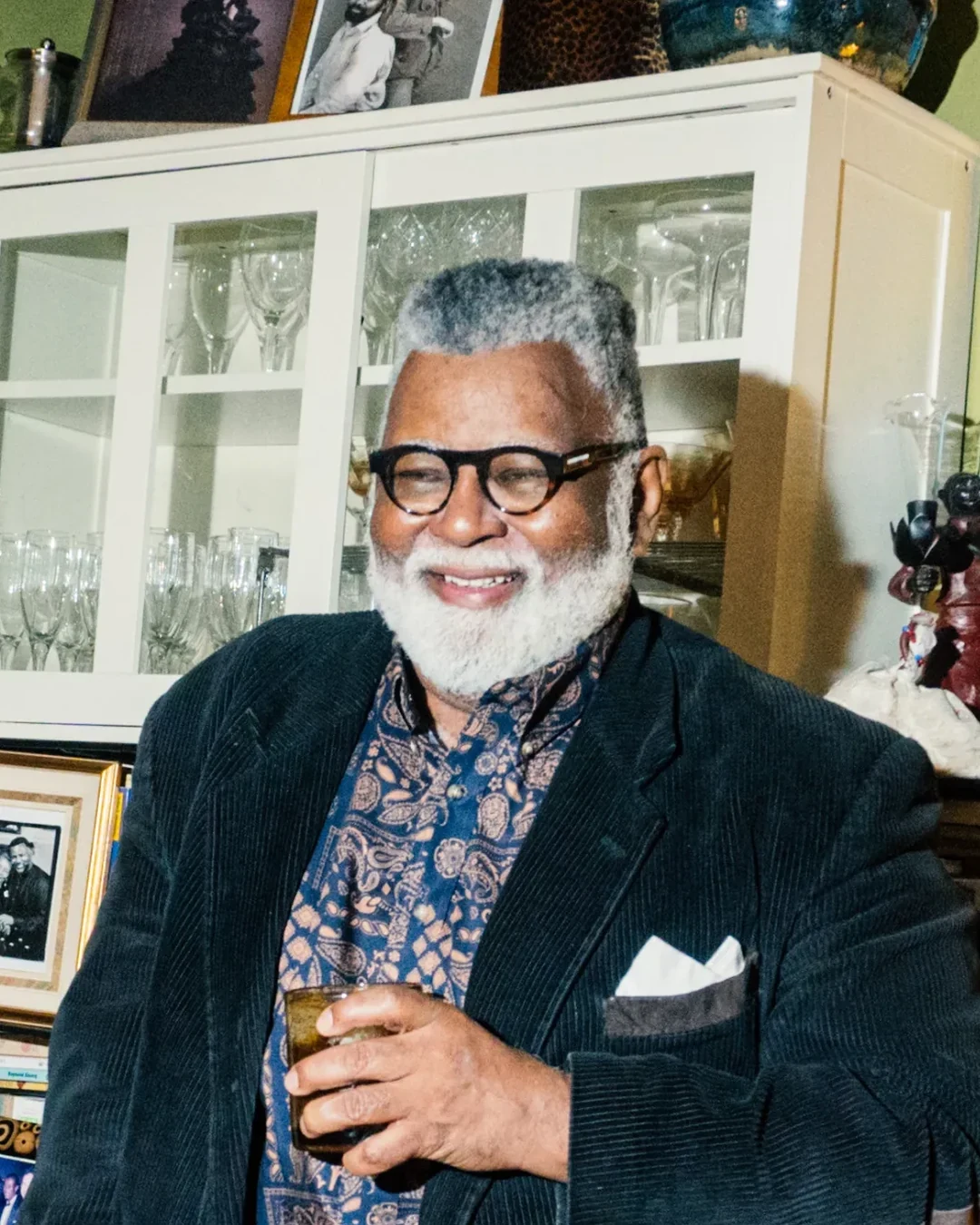
Portrait of Alexander Smalls
i. Biography
As he put it: “what is it? Maybe we can do this together!” The line fits Alexander Smalls, whose work moves between stage craft and hospitality without treating either as a sideline. Opera trained one part of the practice; restaurant-making trained another. In both, the task is the same: shape an experience, hold attention, and give a room something to gather around.
The Sunday letter
Read Made By's new profiles every Sunday.
Meet the chefs, winemakers and sommeliers behind the places we cover. See a sample below before you subscribe.
See a sample of the Sunday emailOne email a week. Unsubscribe from any issue.
The Climb
Formal training at Spartanburg High School, Wofford College, and Curtis Institute of Music gave Alexander Smalls a base in discipline before he first made his mark as an opera singer. That background matters in the kitchen as much as it did onstage: timing, phrasing, pacing, and the ability to carry a room all translate. His later restaurant work reads less like a change of medium than a shift in toolset, from aria to service, from performance to the daily work of hospitality. Chef-owner roles at Café Beulah in New York City, Sweet Ophelia's in New York City, and Shoebox Café marked the next phase of that practice. The titles point to authorship, not just management: each room was something Alexander Smalls was responsible for shaping as a whole, from the food to the atmosphere. The move from singer to chef-owner did not replace one discipline with another. It widened the frame. Co-owner roles at The Cecil in New York City and Minton's in New York City carried that same logic forward. In both cases, the work sits at the point where dining meets culture, with the room doing more than serving a meal. The throughline in Smalls’ career is control of cadence, setting, and meaning — a way of building places where food and memory can operate in the same register.
Today
One introduced a new kind of restaurant in New York City; the other draws on Harlem supper-club history and live music. Together, they reflect a career shaped by both food and performance. That framing fits Alexander Smalls because his work has always been about how a room behaves. A new kind of restaurant in New York City suggests experimentation in format and expectation. Harlem supper-club history and live music point to a different but related craft: building a dining room with lineage, rhythm, and social charge. His practice sits where those two ideas meet. What links the work is not novelty for its own sake, but an attention to composition. Restaurants become structures for arranging food, sound, and people so the whole reads with purpose. The result is a career that keeps food close to culture, and culture close to service, without separating one from the other.
Career - opera singer - chef-owner — Café Beulah, New York City - chef-owner — Sweet Ophelia's, New York City - chef-owner — Shoebox Café - co-owner — The Cecil, New York City - co-owner — Minton's, New York City Education: Spartanburg High School; Wofford College; Curtis Institute of Music
Signature
Alexander's signature dishes include Between Harlem and Heaven, When Alexander Graced the Table, Meals, Music & Muses, and The African Kitchen. The titles read like working notes from a practice built around place, memory, and sound. Between Harlem and Heaven sets up a conversation between geography and aspiration. When Alexander Graced the Table frames the meal as an event with a point of view. Meals, Music & Muses ties his food work directly to performance, while The African Kitchen suggests a broader field of reference. Taken together, they show a body of work that uses naming itself as part of the craft.
Recognition
Alexander's honors include James Beard Award (2019), Legacy Award (2014), Grammy Award, and Tony Award. The awards track the scope of the work. James Beard Award (2019) and Legacy Award (2014) place his culinary practice in the public record, while Grammy Award and Tony Award reflect a career that has also operated in music and theater. For an artisan working across disciplines, that range is part of the point: the recognition follows the craft wherever it is practiced.
FAQ Where did Alexander Smalls t
Explore


The Sunday letter
Get the next Made By profile in your inbox.
We send one email every Sunday morning with the people we profiled that week.
See a sample of the Sunday emailOne email a week. Unsubscribe from any issue.