Cognac
Alexandre Gabriel
- Discipline
- Cognac
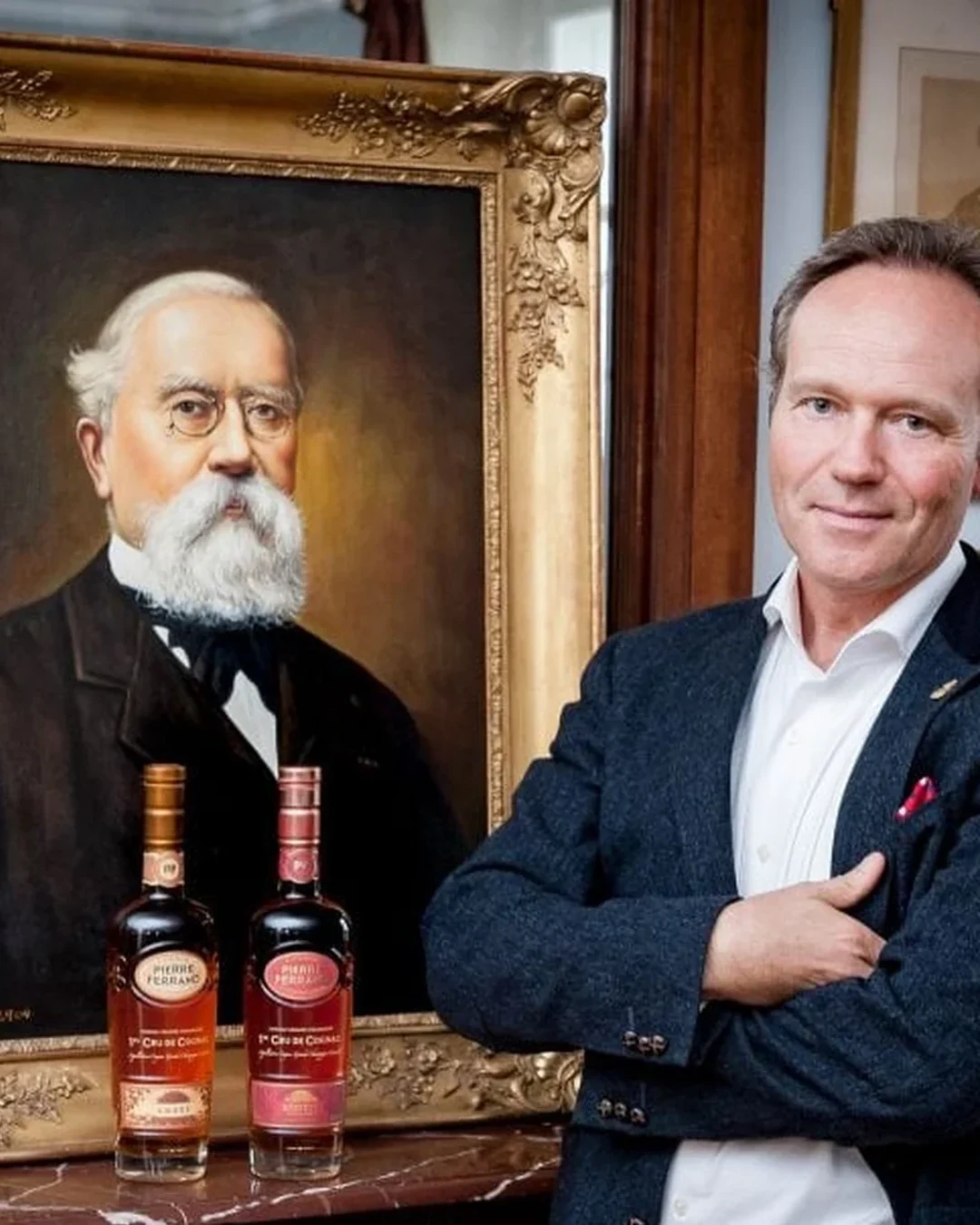
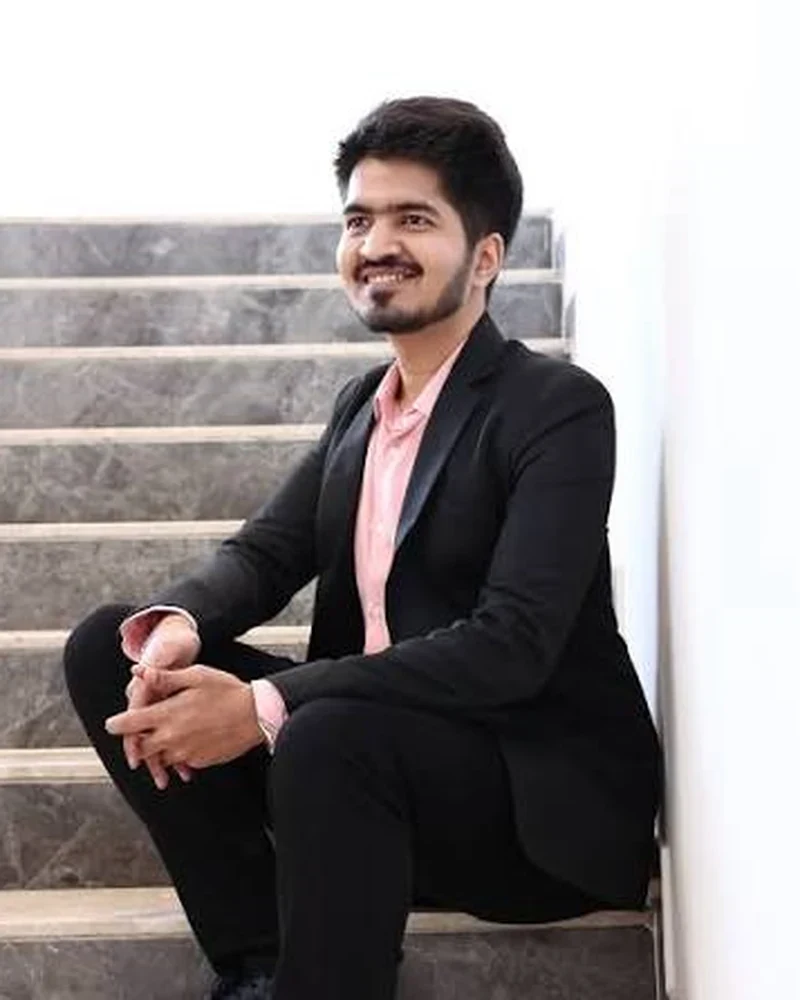
Portrait of Alexandre Gabriel
i. Biography
The American Distilling Institute honored Alexandre Gabriel in 2017, but the more useful read of the work starts upstream of the still. Distilling depends first on farm material: fruit, grain, cane, botanicals, and the growers who make them available. Gabriel states the trade position plainly: “I like to remind everyone that a spirit distiller is first and foremost working with farm products and is part of the farming chain. Behind every spirit, there is a farmer somewhere growing something for it to exist.” Spirits practice at Maison Ferrand is treated as a chain of agriculture, distillation, maturation, and service. In the work associated with Gabriel, cognac, gin, and rum are not only categories for the back bar; they are liquids built for drinkers and for bartenders, whose own craft decides how those spirits meet a glass, a room, and a guest.
The Sunday letter
Read Made By's new profiles every Sunday.
Meet the chefs, winemakers and sommeliers behind the places we cover. See a sample below before you subscribe.
See a sample of the Sunday emailOne email a week. Unsubscribe from any issue.
The Climb
Systems work shaped the early formation before the cellar work. Alexandre Gabriel worked as an intern for a state senator in charge of the judiciary committee in United States, a setting defined by procedure, consequence, and institutional discipline. Those habits translate readily to spirits: decisions accumulate, and every finished bottle carries the effect of many hands, materials, and constraints. Maison Ferrand has been the central vehicle since 1989, when Gabriel became its founder. As president and owner of Cognac Ferrand, he works at the junction of inherited method and ongoing adjustment. The task is not static preservation; it is custody of forms, tools, and ideas that still have to function in production.
Current Practice
Gabriel is founder of Maison Ferrand, and he is owner of Cognac Ferrand. His specialty is cognac. Cognac work at Château de Bonbonnet is framed through refinement using a 16th-century technique. The production language is practical: copper charentais stills, time, wood, and controlled patience. Gin production uses progressive infusion procedures of botanicals. The method builds aroma and structure in stages, joining tradition, including the use of charentais stills, with experimentation aimed at spirits that can stand in tasting and in cocktails. Cellar practice extends into Barge 166, a floating cellar on the Seine at Issy-les-Moulineaux, France, used for dynamic aging of spirits in 2022. The point is not novelty for its own sake; it is a controlled test of maturation under motion, set against a broader view of spirits as the embodiment of history, emotions and experience. Gabriel also frames pleasure as a responsibility: “We always say that we are a product of pleasure, making life better, and if that awakens some deep feeling of hurt, are we still on our mission?” Experiment, in this register, is one route by which a practice becomes inherited. Gabriel applies that especially to rum: “Rum is not finite. The experiments that we are doing today are the traditions of tomorrow. That’s the beauty of rum; it’s an art form, but it’s alive.”
Career - Founder — Maison Ferrand (1989–present) - President and Owner — Cognac Ferrand, Grande Champagne district of Cognac - Intern — state senator in charge of the judiciary committee, United States
Signature
Signature spirits include Citadelle gin, Planteray XO 20th Anniversary rum, and Barge 166. Read as a set, they show the range of the house practice associated with Gabriel: botanical work, aged rum, and cellar experimentation, all tied to the same premise that a spirit begins in agriculture and is completed in use.
Credentials
In 2017, the American Distilling Institute honored Gabriel. The recognition sits beside work defined by farm sourcing, cognac technique, cellar trials, and respect for bartenders as working users of the liquid. The through-line remains concrete: something grown, someone growing it, a distiller handling it, and a spirit made for shared pleasure.
FAQ Where did Alexandre Gabriel work before? Earlier in their career, Alexandre Gabriel worked at state senator in charge o
Explore
The Sunday letter
Get the next Made By profile in your inbox.
We send one email every Sunday morning with the people we profiled that week.
See a sample of the Sunday emailOne email a week. Unsubscribe from any issue.