Sommelier
Amy Thurmond
- Discipline
- Sommelier
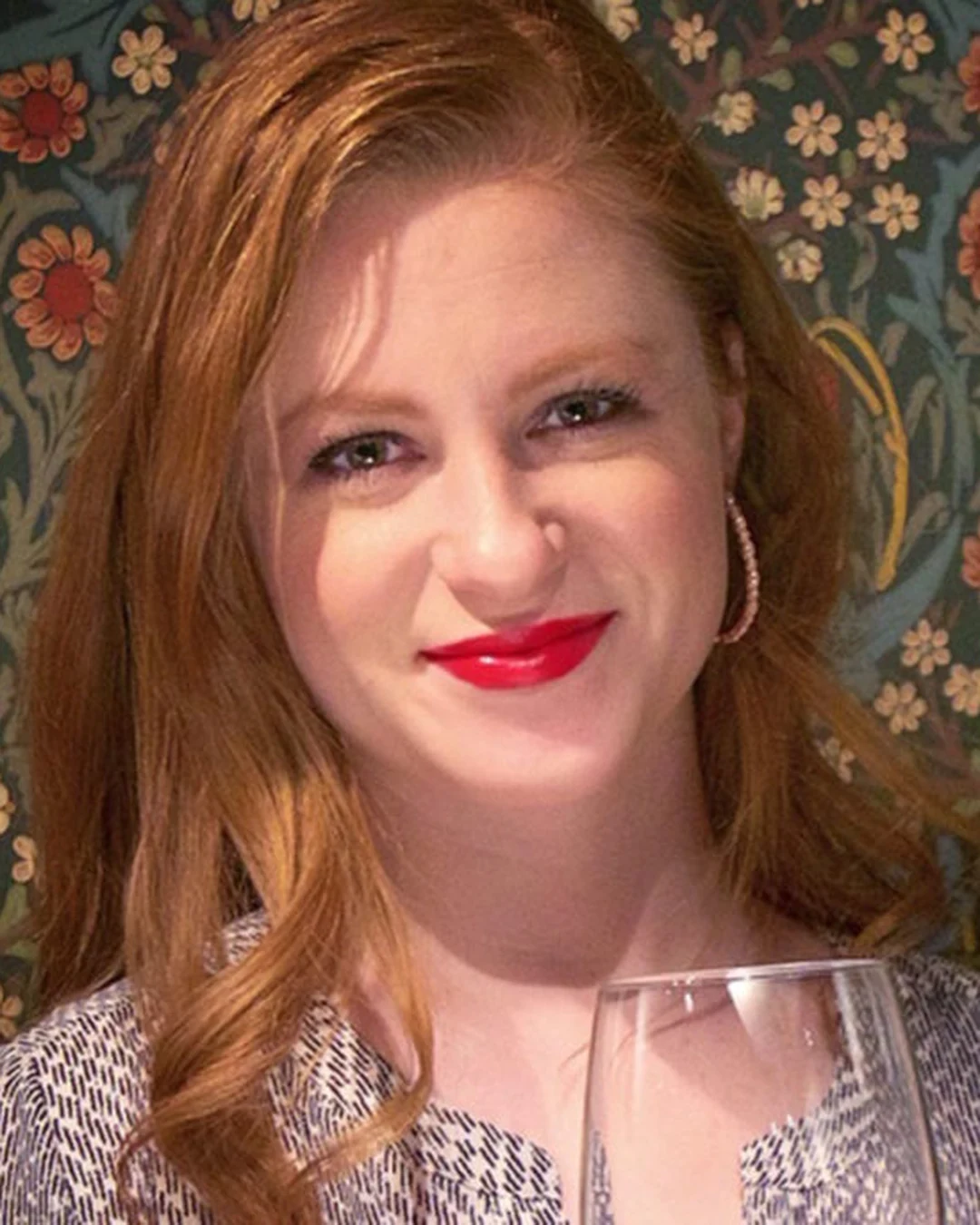
Portrait of Amy Thurmond
i. Biography
At a Glance Bartending gave Amy Thurmond a sharper palate, and the bar became a place where repetition turned into refinement. That work builds a practical sense of balance, texture, and restraint, and Thurmond names it plainly: the glass, the pour, and the pace of service all train the senses as much as the hands. For beverage work, continual study remains part of the job. Thurmond says, “I think as a beverage professional, it is always important to continue learning and educating oneself.” The point is not arrival but upkeep: staying current through tasting, reading, and recalibrating to the field as it shifts. Moving from bartending to the floor to sell wine widened her range across hospitality. Thurmond says, “Starting as a bartender and moving on to the floor to sell wine makes me well rounded.” The shift ties together two modes of service: the close control of the bar and the more guided, conversational work of wine sales.
The Sunday letter
Read Made By's new profiles every Sunday.
Meet the chefs, winemakers and sommeliers behind the places we cover. See a sample below before you subscribe.
See a sample of the Sunday emailOne email a week. Unsubscribe from any issue.
In Their Words “I think as a beverage professional, it is always important to continue learning and educating oneself.” That outlook places study inside the practice itself. For Thurmond, beverage work stays useful only when it keeps taking in new information, new standards, and new ways to read flavor. “Starting as a bartender and moving on to the floor to sell wine makes me well rounded.” The breadth here each role sharpens a different part of service. Bartending builds palate and control; wine sales on the floor adds perspective and table-side judgment. Thurmond frames that range as a working advantage, not a finish line.
FAQ
Explore


The Sunday letter
Get the next Made By profile in your inbox.
We send one email every Sunday morning with the people we profiled that week.
See a sample of the Sunday emailOne email a week. Unsubscribe from any issue.