Chef
Antoine Bonnet
- Discipline
- Chef
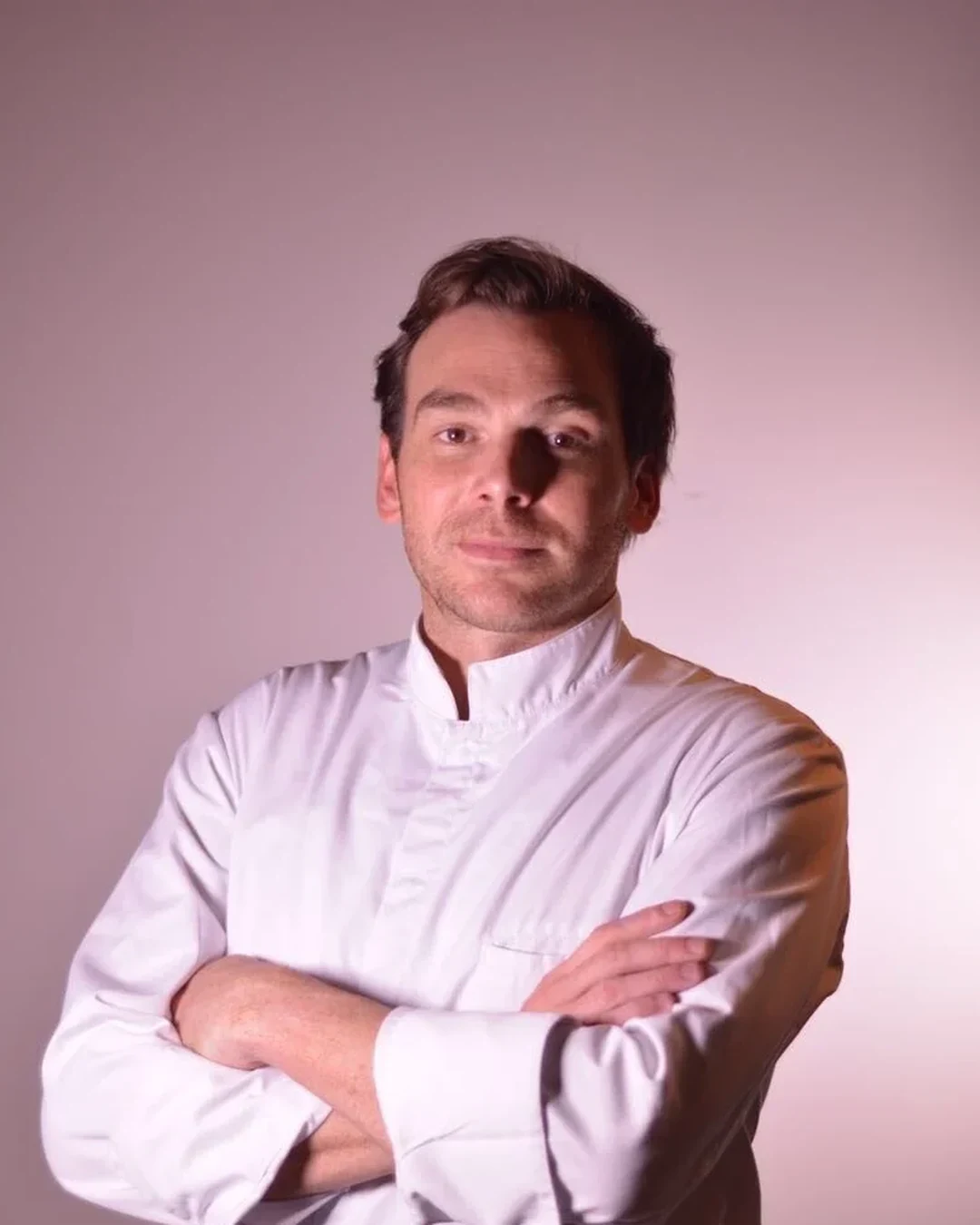
Portrait of Antoine Bonnet
i. Biography
"It happened a bit by chance," says Antoine Bonnet of Quinsou in Paris, but the work that followed has none of the looseness of chance. The cooking is built on selection, control, and repetition: products chosen with care, kept close to the people who grow and raise them, then placed in a modern French register without losing their first clarity. Naturalness is the through line, and Bonnet uses it as a working method rather than a slogan.
The Sunday letter
Read Made By's new profiles every Sunday.
Meet the chefs, winemakers and sommeliers behind the places we cover. See a sample below before you subscribe.
See a sample of the Sunday emailOne email a week. Unsubscribe from any issue.
The Climb
The brigade at Michel Bras, which Antoine Bonnet joined in 1997, gave the work its first frame of precision and authority. That early stage set the terms for what came after: a kitchen discipline that could carry into larger roles without softening the technical standard. In Paris from 2012 to 2015, Bonnet served as chef at Le Sergent Recruteur and, in parallel, as director of operations at La Jeune Rue in Paris. Those appointments sharpened the practical side of the craft, including the way a kitchen, an address, and the network around them have to be held together. Since 2015, Antoine Bonnet has been patron / chef of Quinsou and private chef Antoine Bonnet / Kitchen Analytics. The shift reads as a tightening of focus rather than a change in direction, with the same discipline carried into a more personal, contemporary expression.
Today
At Quinsou in Paris, the cooking stays organized around naturalness. Antoine Bonnet works from carefully selected products and a producer-focused approach, with season and source kept in clear view. The dishes are not built to obscure their ingredients; they are built to leave ingredients legible, with their shape, aroma, and character intact. That producer relationship carries real weight in the kitchen. For Bonnet, it is part of both the economics and the ethics of the plate, grounding the menu in a responsibility that sits alongside taste rather than behind it.
Career - patron / chef — Quinsou, Paris (2015–present) - private chef — Chef Antoine Bonnet / Kitchen Analytics, France & international - member of the brigade — Michel Bras (from 1997) - chef — Le Sergent Recruteur, Paris (2012–2015) - director of operations — La Jeune Rue, Paris (2012–2015)
Signature
Antoine Bonnet's signature dishes include Asperges-morilles / Green asparagus and morel sauce, Steamed sea bass with zucchini, and Roasted lobster with asparagus. Each one points to the same preference: a composed plate, a restrained gesture, and a product allowed to hold the center.
In Their Words “Of course, it represents a cost. I pay my producers in a way that allows them to live from their work. But I do not want to make meat a luxury product. It is a neighborhood butcher shop at reasonable prices.”
Recognition
The dishes most closely associated with Antoine Bonnet make the method plain. Steamed sea bass with zucchini keeps fish and vegetable in the foreground instead of using them as a base for display. Roasted lobster with asparagus follows the same line: luxury ingredients, but handled through proximity, season, and restraint. What identifies the cooking is not ornament. It is the insistence that naturalness remain the guiding thread, and that modern cuisine can stay in step with producers without losing clarity.
FAQ Where did Antoine Bonnet work before? Antoine Bonnet's earlier career included Michel Bras, Le Sergent Recruteur, and La Jeune Rue. What is Antoine Bonnet known for? natural, ingredient-led modern French cuisine.
Explore

The Sunday letter
Get the next Made By profile in your inbox.
We send one email every Sunday morning with the people we profiled that week.
See a sample of the Sunday emailOne email a week. Unsubscribe from any issue.