Winemaker
Arnaud Mortet
Winemaker, Domaine Denis Mortet
- Discipline
- Winemaker
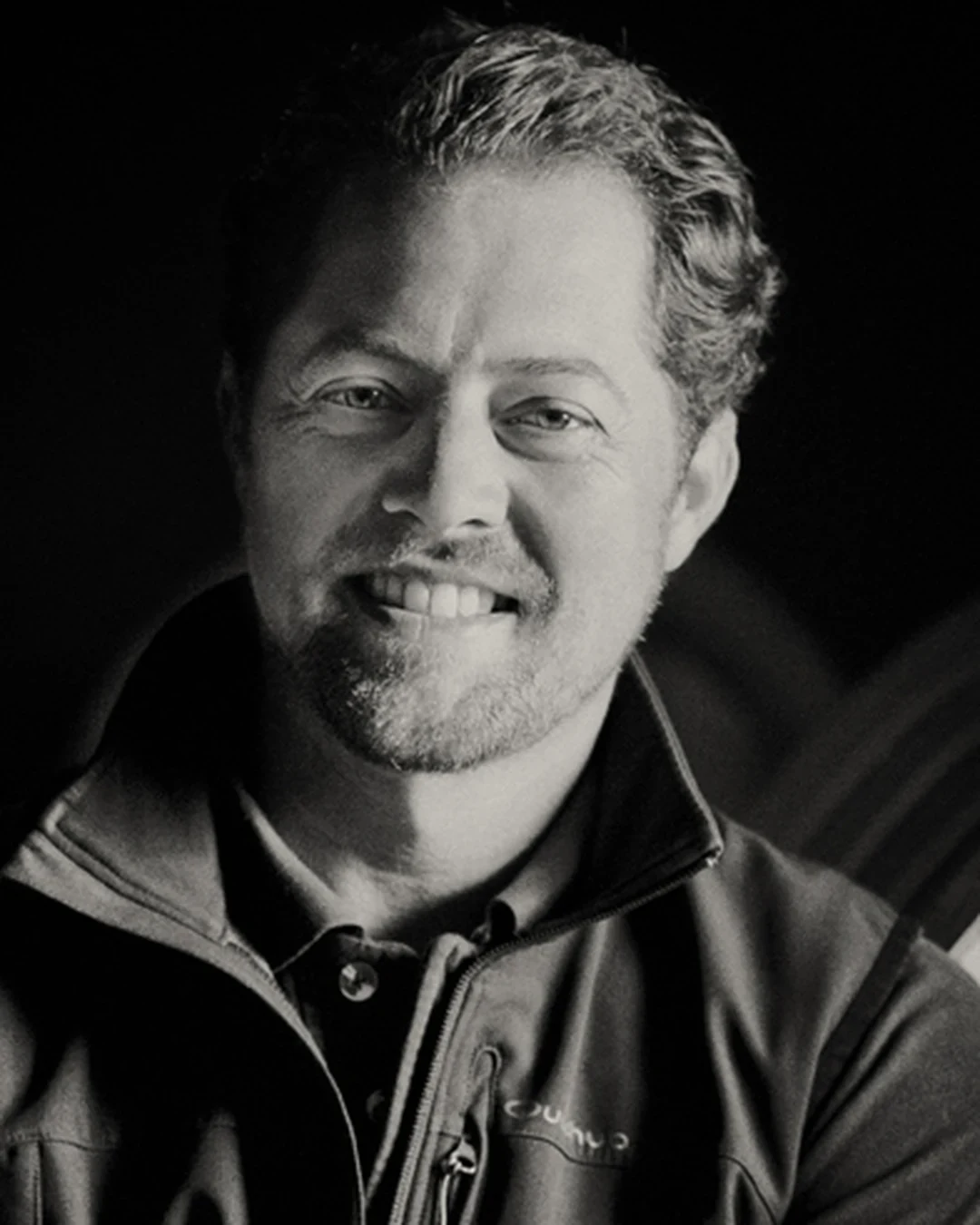
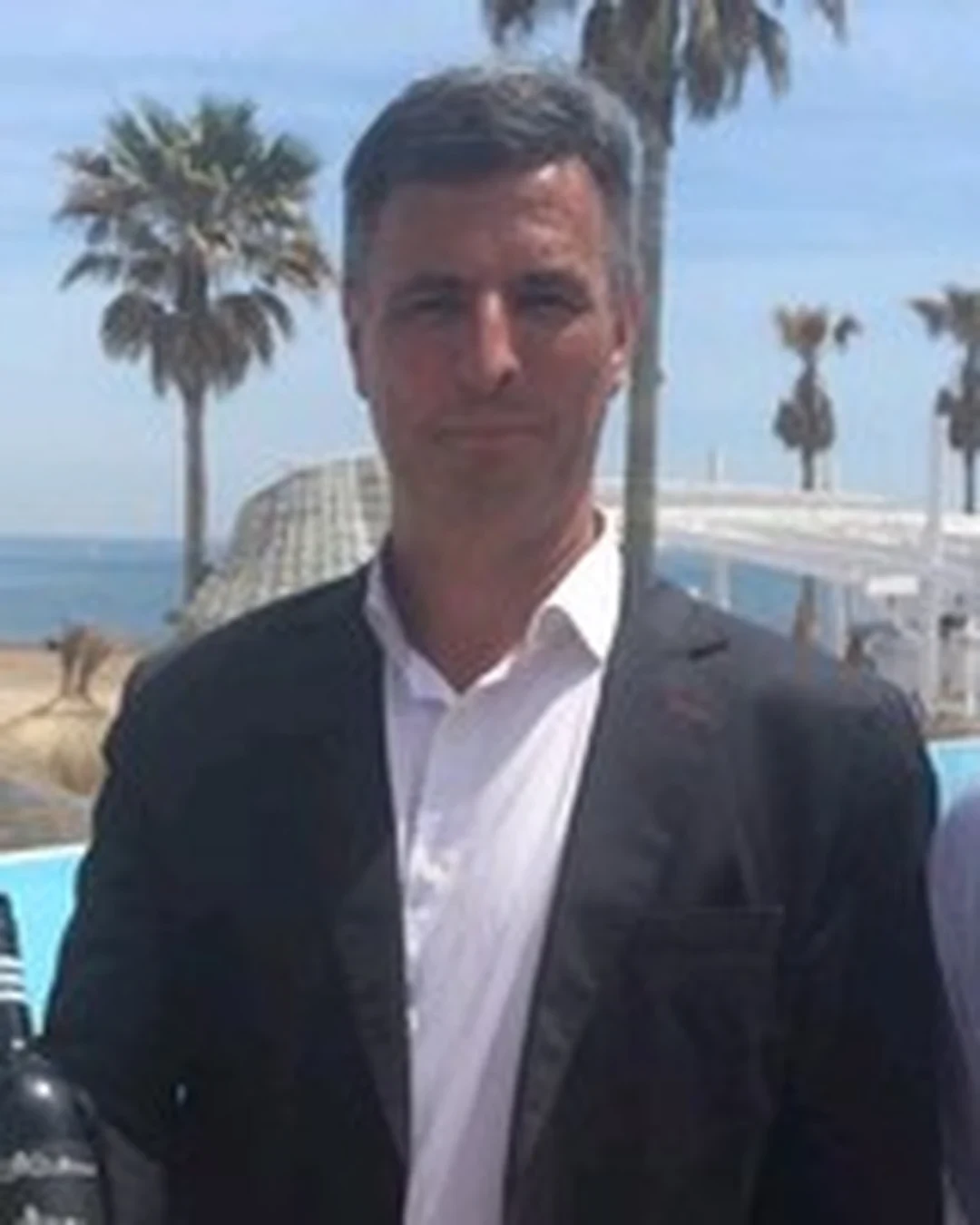
Portrait of Arnaud Mortet
i. Biography
Since 2006, Arnaud Mortet has been chef/owner of Domaine Denis Mortet in Gevrey-Chambertin. In trade terms, that means the work and the responsibility sit in the same hands: one role, one estate, one standard to uphold across the day-to-day.
The Sunday letter
Read Made By's new profiles every Sunday.
Meet the chefs, winemakers and sommeliers behind the places we cover. See a sample below before you subscribe.
See a sample of the Sunday emailOne email a week. Unsubscribe from any issue.
Today
The present tense is the point at Domaine Denis Mortet, where Arnaud Mortet has run the estate since 2006. That continuity is not decorative; it is the operating condition of the role. Chef/owner asks for attention to the work in front of you while keeping the estate legible as a whole, and that balance is what his position describes.
Career - chef/owner — Domaine Denis Mortet, Gevrey-Chambertin (2006–present)
Signature
Read plainly, that sets a method of restraint: draw what is needed, leave the rest intact, and avoid forcing the material past its own character. His own line, "I want the precision of today and the soul of yesterday," gives the same instruction in fewer words. Precision points to control and exactness; soul points to continuity, memory, and the older register the work still carries.
In Their Words “I want the precision of today and the soul of yesterday.” The sentence is compact, but it does real work. It sets modern exactness alongside inherited character, and it does so without softening either term. For Arnaud Mortet, the value is in keeping those two pressures in the same sentence: the discipline of the present and the weight of what preceded it at Domaine Denis Mortet in Gevrey-Chambertin.
Recognition
Arnaud Mortet’s recognition is bound to Domaine Denis Mortet in Gevrey-Chambertin. Since 2006, the connection between chef/owner and estate has been the point of reference, and the clarity of that association is itself the marker: a role held over time, with a standard expressed as much through restraint as through presence.
FAQ What is Arnaud Mortet known for? Arnaud Mortet is known for running Domaine Denis Mortet in Gevrey-Chambertin. What are Arnaud Mortet's most notable roles? His notable role is chef/owner at Domaine Denis Mortet. What is Arnaud Mortet's craft? Chef/owner — Domaine Denis Mortet (Gevrey-Chambertin) (2006–present).
Explore
Similar Winemakers
The Sunday letter
Get the next Made By profile in your inbox.
We send one email every Sunday morning with the people we profiled that week.
See a sample of the Sunday emailOne email a week. Unsubscribe from any issue.