Co-Founder of Side Door SG
Bannie Kang
- Discipline
- Co-Founder of Side Door SG
Made By record
Awards & recognition
1 total
1 winner

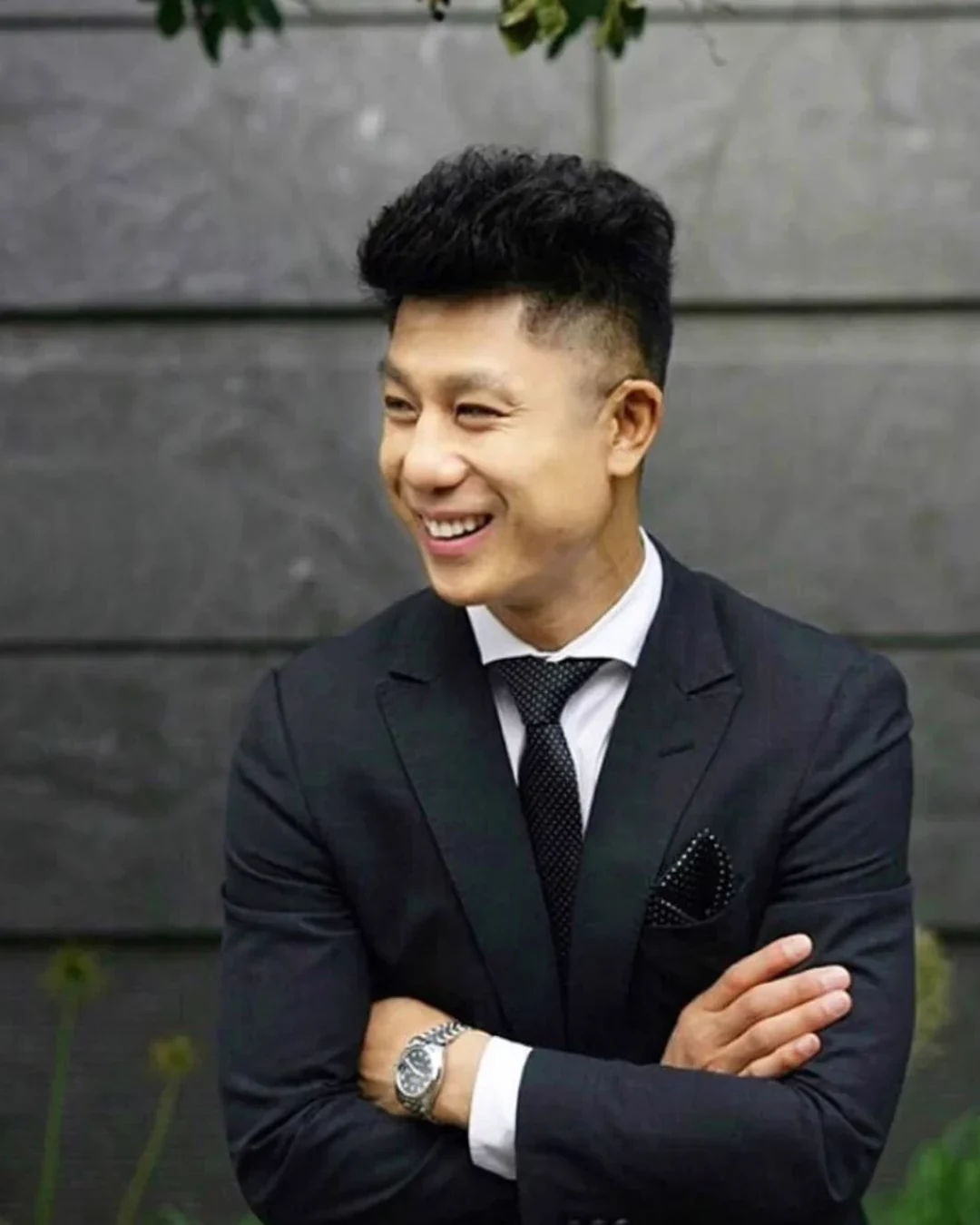
Portrait of Bannie Kang
i. Biography
"My grandmother used to make hwachae for me, now I make it for her."
The Sunday letter
Read Made By's new profiles every Sunday.
Meet the chefs, winemakers and sommeliers behind the places we cover. See a sample below before you subscribe.
See a sample of the Sunday emailOne email a week. Unsubscribe from any issue.
The Path
Service training in a hotel dining room teaches timing before it teaches authorship. In Singapore from 2010, Bannie Kang worked as a waitress at Swissôtel The Stamford, Singapore, where the work was floor craft: greeting, pacing, attention, and the practical reading of a room. The move from South Korea to Singapore that year also had a direct purpose — to practice English — and that daily contact with guests became part of the foundation. Bar craft entered through repetition rather than declaration. From 2010, Bannie also worked as bartender at City Space, Singapore, stepping from floor service into bottles, glassware, ice, and counter conversation. Cocktails were not yet familiar territory, but the trade rewards observation: mise en place, listening, controlled movement, and the ability to hold a guest’s attention without overworking the moment. The progression at Anti:dote in Fairmont Singapore, marked the shift from learning service to building a point of view. Bannie worked there as bartender before becoming Head Bartender at Anti:dote in Fairmont Singapore (until 2020). Ownership work began in 2020, when Bannie became co-founder at Mu in Taipei (from 2020). The current role as co-founder of Side Door brings the Singapore bar experience back into a project with her name attached to the room, the drinks, and the hospitality structure.
The Work Today
A small bar asks different things of a bartender than a large room. The margin for distance is narrow: the drink, the food, the welcome, and the conversation are all close to the guest. In Side Door, Bannie’s current work is tied to that scale of service — compact, direct, and dependent on clarity rather than spectacle. Her description of the project is practical: "We plan to serve modern classic cocktails based on Asian flavours with fine tapas in a small cosy bar." For a working bartender, the statement sets the brief. Modern classics provide structure; Asian flavours define the reference points; fine tapas place food inside the hospitality model; the small room sets the tempo. The craft position is in the balance. “Modern classic cocktails” requires restraint and recognisable architecture. “Asian flavours” gives the drinks memory, appetite, and regional direction without removing them from bar discipline. “Fine tapas” keeps the offer social and modular. In that frame, Bannie’s work today continues the service habits built from 2010 onward: attention, fluency with guests, and drinks made to carry personal material without losing form.
Career - Co-founder — Side Door, Neil Road, Singapore - Waitress — Swissôtel The Stamford, Singapore (from 2010) - Bartender — City Space, Singapore (from 2010) - Bartender — Anti:dote, Fairmont Singapore - Head Bartender — Anti:dote, Fairmont Singapore (until 2020) - Co-founder — Mu, Taipei (from 2020)
Signature
Signature cocktails such as The Thinker, Jack Meets Sage, Hwachae, Non-Fruit Beer, and Kumquatini show a bar vocabulary built through naming, contrast, and memory. The list moves between idea, ingredient, reference, and play: a useful register for cocktails that need to be readable to guests before the first sip. Hwachae carries the clearest lineage. The line — "My grandmother used to make hwachae for me, now I make it for her" — places the drink inside a family exchange rather than treating it as a borrowed flavour. In cocktail terms, the work is not only adaptation; it is translation from a remembered form into a served one, with care moving back across generations. The Thinker, Jack Meets Sage, Non-Fruit Beer, and Kumquatini widen that signature range without requiring extra explanation. Their value, as names, is that they set expectation and tone: reflective, sharp, playful, bright. For a bartender, that is part of authorship — giving the guest an entry point before technique takes over.
In Their Words “I moved to Anti:dote where I met my fir
Explore
The Sunday letter
Get the next Made By profile in your inbox.
We send one email every Sunday morning with the people we profiled that week.
See a sample of the Sunday emailOne email a week. Unsubscribe from any issue.