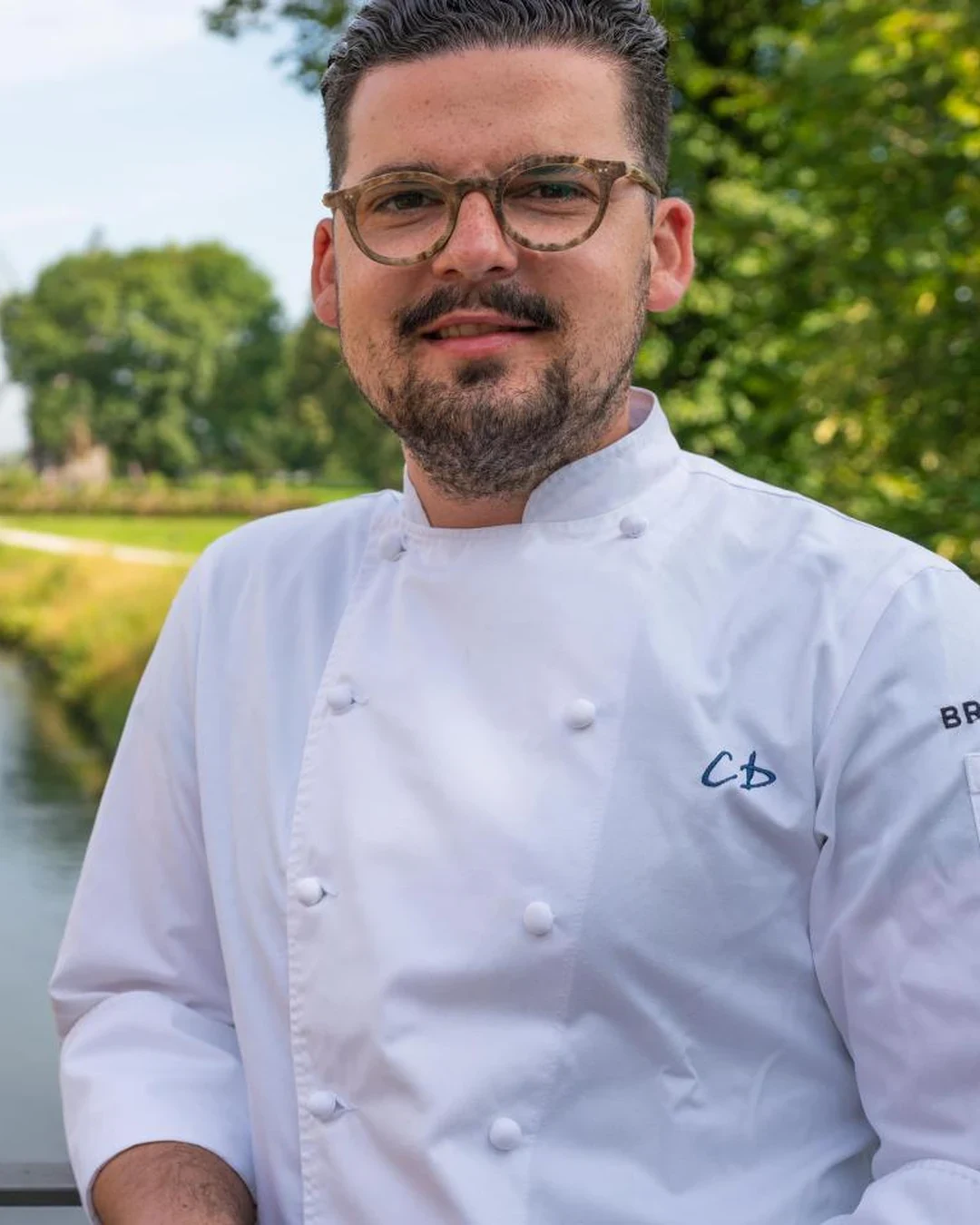
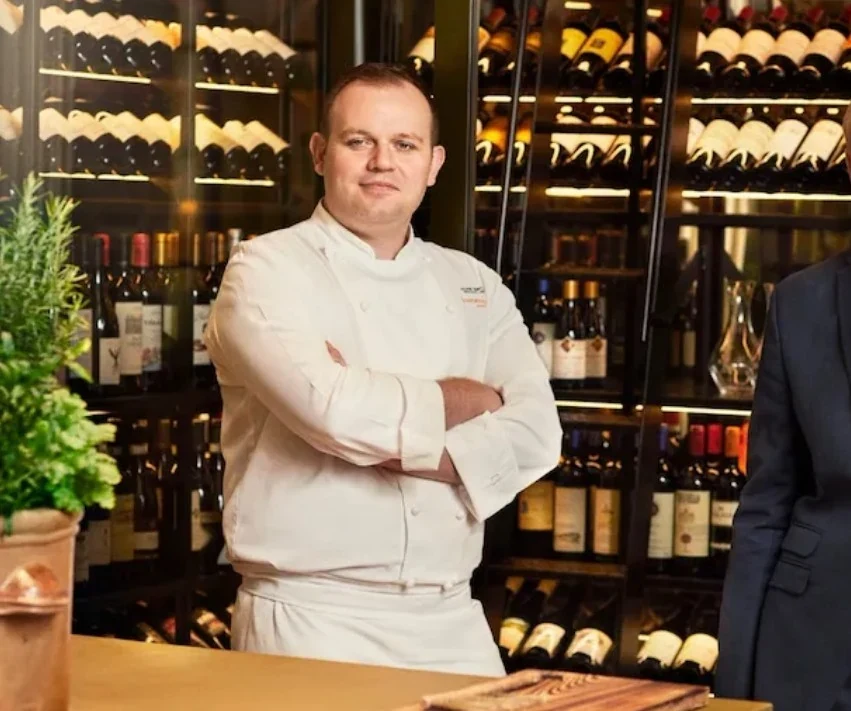
Portrait of Camille Delcroix
i. Biography
The Climb
Early kitchen work is where Camille Delcroix built the habits that matter: exact timing, stamina, and a refusal to let service drift. At Le Musigny restaurant in Valenciennes, then as Sous Chef at Château de Beaulieu in Busnes, the work was defined by repetition and precision, the kind that trains a brigade as much as it trains a cook. Since 2021, he has been chef of Bacôve, where those same controls are applied at a broader scale.
The Sunday letter
Read Made By's new profiles every Sunday.
Meet the chefs, winemakers and sommeliers behind the places we cover. See a sample below before you subscribe.
See a sample of the Sunday emailOne email a week. Unsubscribe from any issue.
Today
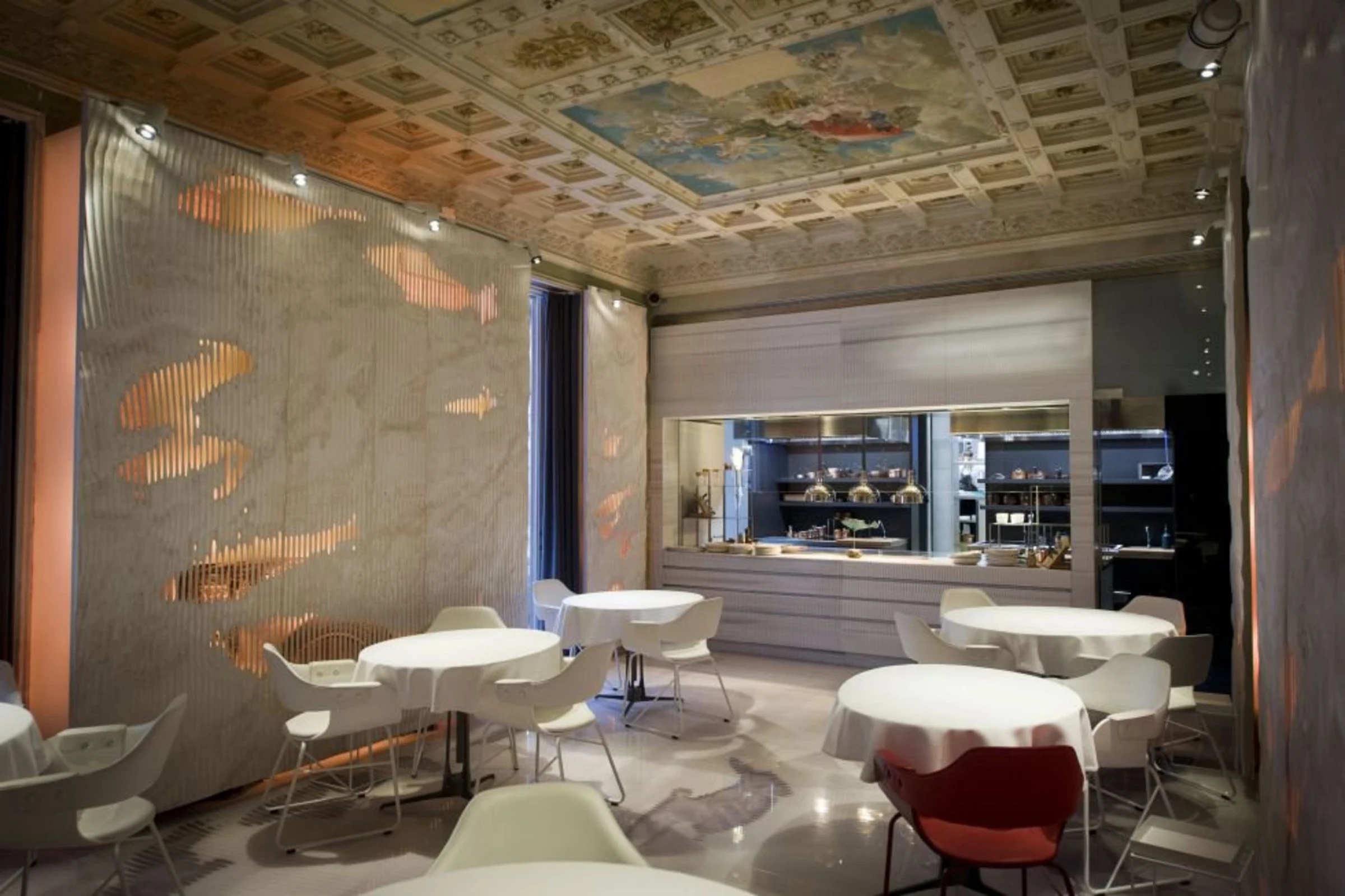
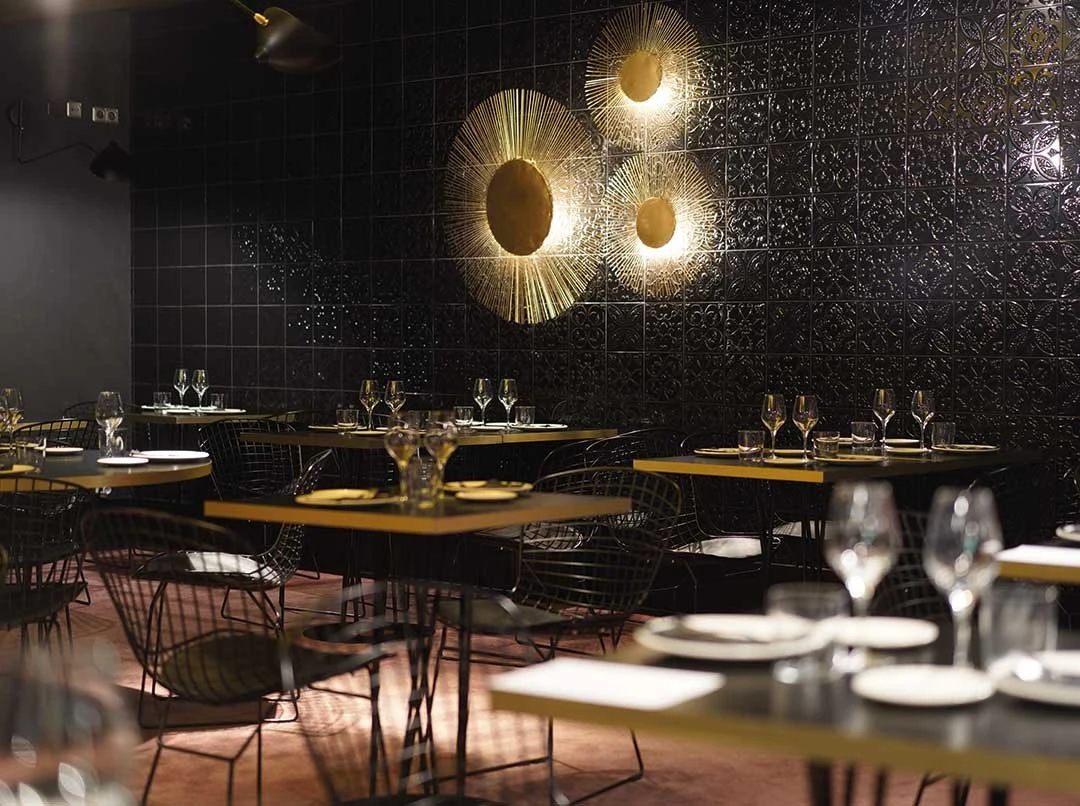
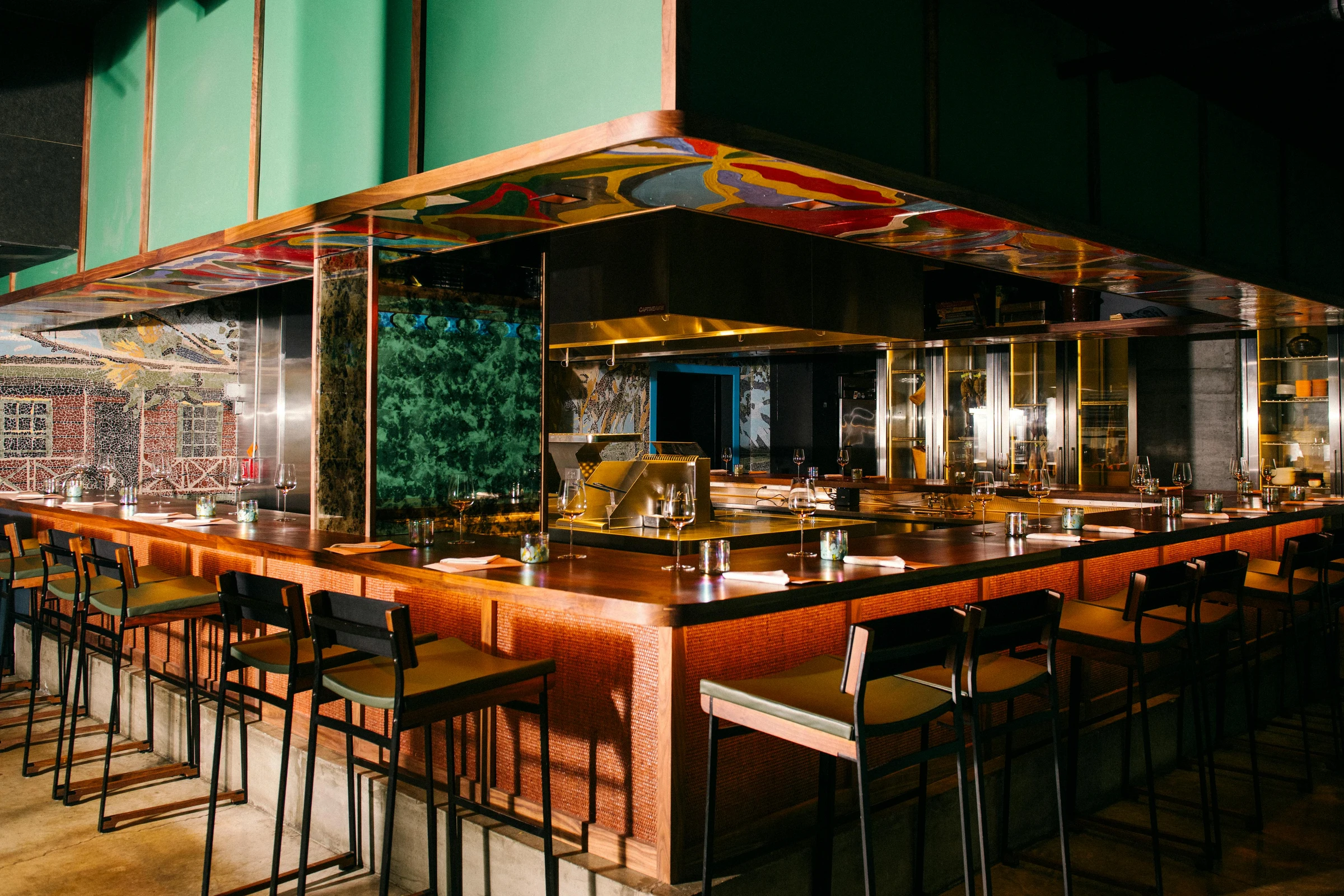
At Bacôve, regional identity is built into the cooking and the room itself, with local culture present in both the menu and the decoration. That gives the restaurant a clear working language: place on one side, technique on the other, with no need for ornament to explain either. Camille Delcroix leans on local producers and a culinary line that is direct, attentive to texture and color, and shaped by the landscape around him. Plancha cooking sits at the center of the kitchen, used for the caramelization and surface detail that give fish, meat, and vegetables their immediate finish. That link to the surrounding territory is part of the restaurant’s daily operating logic, not a decorative claim. As Camille Delcroix puts it: “In the marsh there’s an incredible biotope, extraordinary local producers 30 km around. 35 market gardeners work as they used to, on 4,000 ha.” Bacôve reads from that context: the local is treated as working material, and the kitchen follows the rhythm of the land rather than borrowing from it.
In Their Words “My favorite function is really the plancha because we have an incredible caramelization, whether with fish, meat or vegetables, which never stick.”
Career - Chef — Bacôve, Saint-Omer (2021–present) - Chef — Le Musigny restaurant, Valenciennes - Sous Chef — Château de Beaulieu, Busnes
FAQ Where did Camille Delcroix work before? Camille Delcroix's earlier career included Le Musigny restaurant and Château de Beaulieu. What recognition has Camille Delcroix received? One Michelin star (2024).
The Sunday letter
Get the next Made By profile in your inbox.
We send one email every Sunday morning with the people we profiled that week.
See a sample of the Sunday emailOne email a week. Unsubscribe from any issue.