Winemaker
Carlo Maria Cerutti
- Discipline
- Winemaker
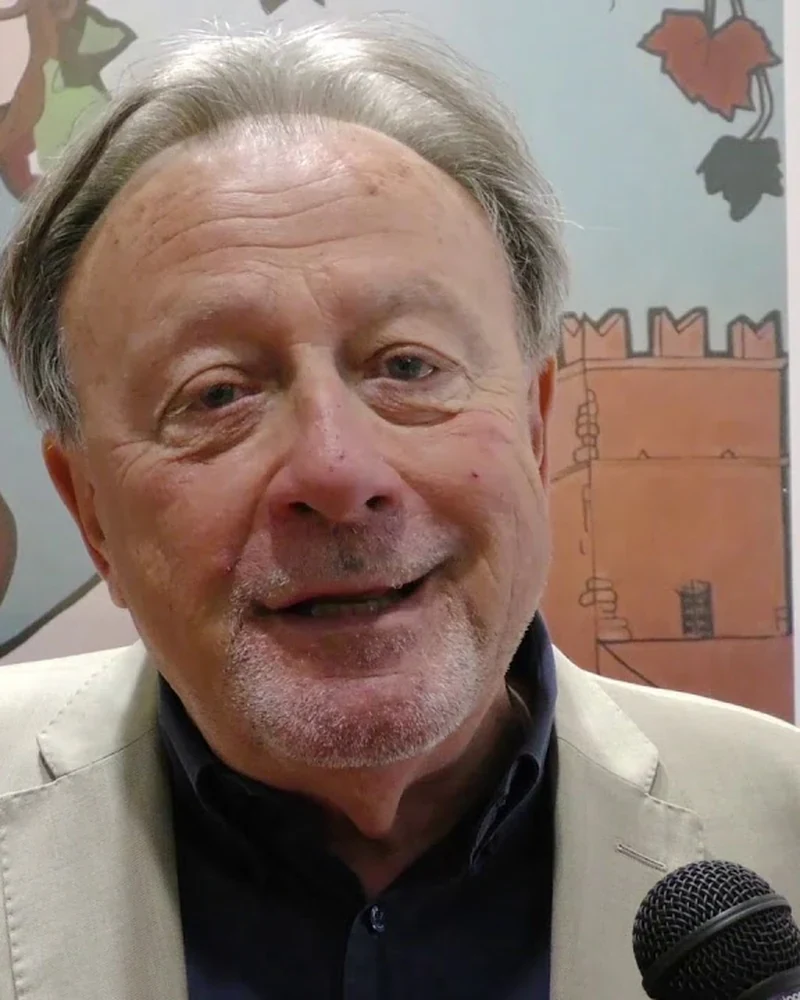
Portrait of Carlo Maria Cerutti
i. Biography
Carlo Maria Cerutti is the winemaker of Corteforte in Fumane, and his story begins, fittingly, with a sense of place that is older than the bottles it now yields. The estate is an old fortified property acquired in 1989, a structure with the weight of history in its stones and the quiet insistence of the hillside vineyards around it. Wine production began in 1990, and from that point forward the work remained anchored to the slope, the soil, and the particular rhythms of this corner of Fumane.
The Honours
The clearest recognition attached to Cerutti is the role itself: winemaker at the Fumane estate. It is a title that carries more than administration or technique; it suggests stewardship, continuity, and a close allegiance to the place where the wines are made. In a region where names can travel far beyond their slopes, Cerutti’s work is fixed to a specific address and to two specific specialties: Valpolicella and Amarone. The wines are tied not only to category, but to landscape—hillside fruit, local character, and the disciplined shaping of what the vineyard gives. A later remark gives a glimpse of how he connects wine, place, and story. Speaking of a particular Amarone, he said, "We wanted to dedicate this special wine, this particular Amarone, to the goddess Walda, hoping that she would bring us the same luck she brought to Valpolicella." The line has the air of both reverence and intimacy, as if the wine were not merely made, but addressed.
The Craft
Cerutti makes Valpolicella and Amarone in a style described as elegant, yet still bold and full of fruit and earth. Those terms create a pleasing tension: a wine that moves with refinement, but does not lose its substance; a style that can be polished without becoming detached from the ground that formed it. The craft note is specific to the estate’s core wines. Valpolicella gives the work its regional frame, while Amarone offers depth, concentration, and a more expansive register for fruit and earth. Together they suggest a cellar language that values both brightness and weight, restraint and force. The wines are not presented here through an extended catalogue of cuvées, scores, or cellar mythology. Instead, their identity rests on a more elemental pairing: hillside-grown fruit in Fumane, and the steady hand that shapes it into bottles with presence and lift.
The Career
In 1989, the old fortified estate was acquired. In 1990, wine production began, and Cerutti tended the hillside vineyards and made wine there. That early combination of vineyard work and winemaking is central to understanding his career, because it places him on both sides of the process: the agricultural labor of the slopes and the careful decisions that turn grapes into Valpolicella and Amarone. The current role continues from that foundation. As winemaker, Cerutti’s name remains tied to the estate’s production in Fumane and to the wines that define it: Valpolicella and Amarone made with elegance, bold fruit, and earth.
Signature
Carlo's signature wines include Amarone, Vigneti di Osan Red (Amarone della Valpolicella Classico), and Amarone della Valpolicella Classico "Riserva" 2008.
In Their Words “We wanted to dedicate this special wine, this particular Amarone, to the goddess Walda, hoping that she would bring us the same luck she brought to Valpolicella.” “This year we are celebrating our 30th year of production.”
FAQ What is Carlo Maria Cerutti's current role? As of 2026, Carlo Maria Cerutti is Winemaker. What is Carlo Maria Cerutti known for? Valpolicella and Amarone.
The Sunday letter
Get new profiles like Carlo Maria Cerutti every Sunday.
One email a week with the chefs, winemakers and artisans we have just profiled, and the places they run.
One email a week. Unsubscribe from any issue.
Explore

The Sunday letter
Get the next Made By profile in your inbox.
We send one email every Sunday morning with the people we profiled that week.
One email a week. Unsubscribe from any issue.