Chef
Christian Puglisi
- Discipline
- Chef
Made By record
Awards & recognition
2 total
verified records

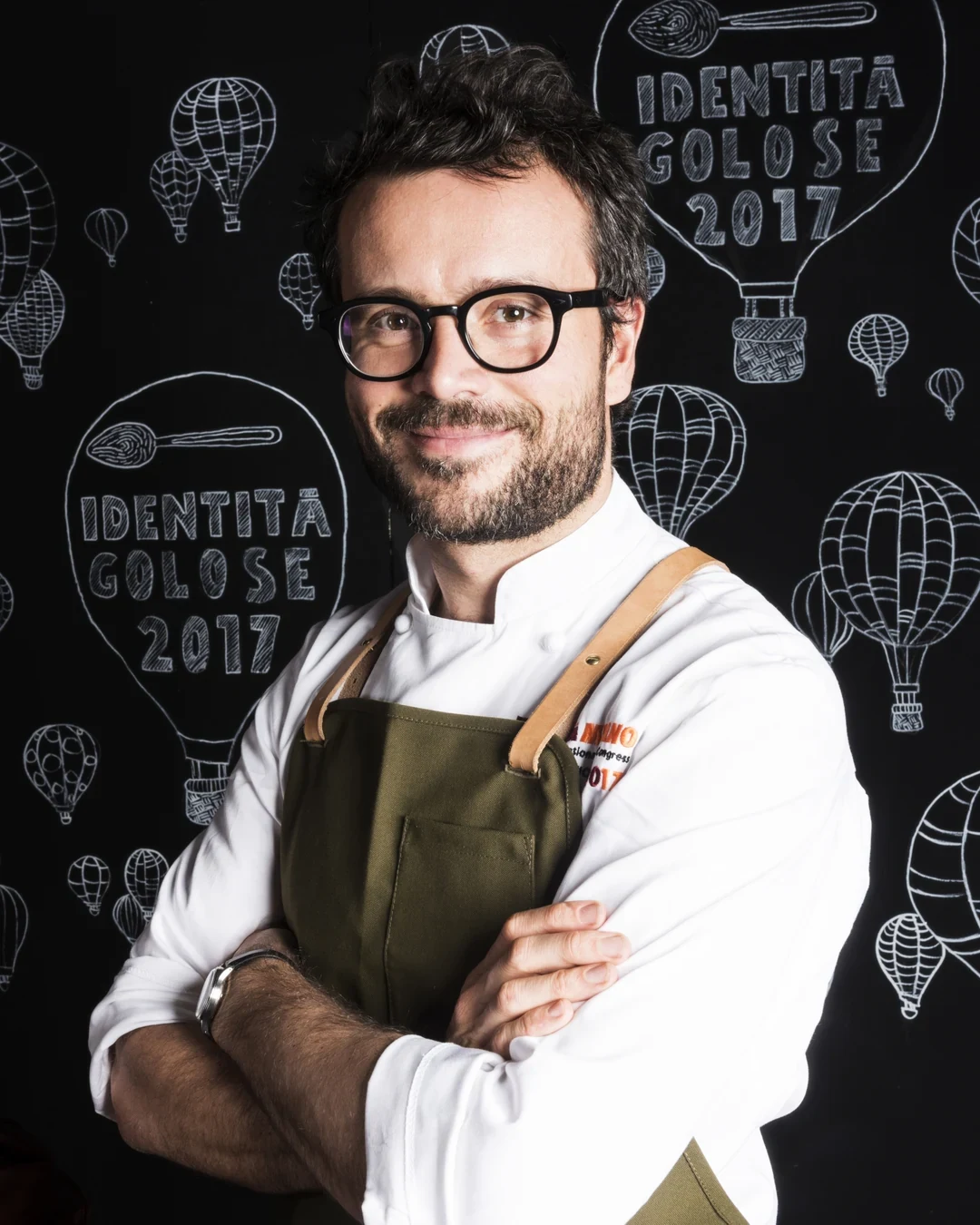
Portrait of Christian Puglisi
i. Biography
Christian Puglisi is a food writer and regenerative farmer whose work has extended from restaurant kitchens into agriculture, research, and education. Early in his career, he worked as sous chef at Noma in Copenhagen before becoming chef and restaurateur at Relæ in Copenhagen. His restaurant work became known for a narrow, forceful style defined by intensity, austerity, and a minimal setting, with cooking built around organic products prepared with straightforward yet innovative zest. Rather than relying on excess, the work emphasized restraint, product choice, plate structure, and disciplined handling. Relæ marked a shift from participation in a broader Copenhagen culinary moment to a more concentrated authorial project. The room’s minimal design and kitchen practice made space for food that could appear spare before revealing detail through sequence and restraint. Puglisi later expanded his restaurant work through Manfreds in Copenhagen, Bæst in Copenhagen, and Mirabelle in Copenhagen, where he built distinct expressions as restaurateur. Across these rooms, the shared question was how familiar eating formats could carry serious craft without becoming decorative. The work connected simplicity and intensity, craft and provocation, immediate eating and slower food systems, with the dining room treated as part of a larger chain of decisions from growing and sourcing to preparation and service. His later work widened further into writing and agriculture. Today, Puglisi is a food writer and regenerative farmer. At Farm of Ideas, organic farming, food research, and chef education meet in a single frame, linking production with inquiry. Cultivation, responsibility, and craft are tested through growing, studying, and teaching food together. This focus keeps attention on the systems around the plate rather than only the plate itself, including soil, production, learning, and language. Bæst remains one of the clearest expressions of his approach. Its cooking centers on grilled meat, charcuterie, and pizza, using many organic and house-made ingredients, including bread, sausages, and mozzarella. The food is direct, but its directness depends on process. Bread, sausages, and mozzarella are not treated as accessories. They are part of the restaurant’s structure and show where labor is placed. Accessible restaurant language is paired with disciplined production, and familiar forms are handled with attention to sourcing and making. In this way, convivial eating is connected to the same line of work that runs through Puglisi’s writing and farming. Puglisi’s career combines restaurant craft, organic production, and a practical interest in how food work is organized before it reaches service. His restaurants, writing, and farming all reflect a continuing concern with restraint, ingredient quality, and the relationship between making and eating.
The Sunday letter
Read Made By's new profiles every Sunday.
Meet the chefs, winemakers and sommeliers behind the places we cover. See a sample below before you subscribe.
See a sample of the Sunday emailOne email a week. Unsubscribe from any issue.
Explore

The Sunday letter
Get the next Made By profile in your inbox.
We send one email every Sunday morning with the people we profiled that week.
See a sample of the Sunday emailOne email a week. Unsubscribe from any issue.