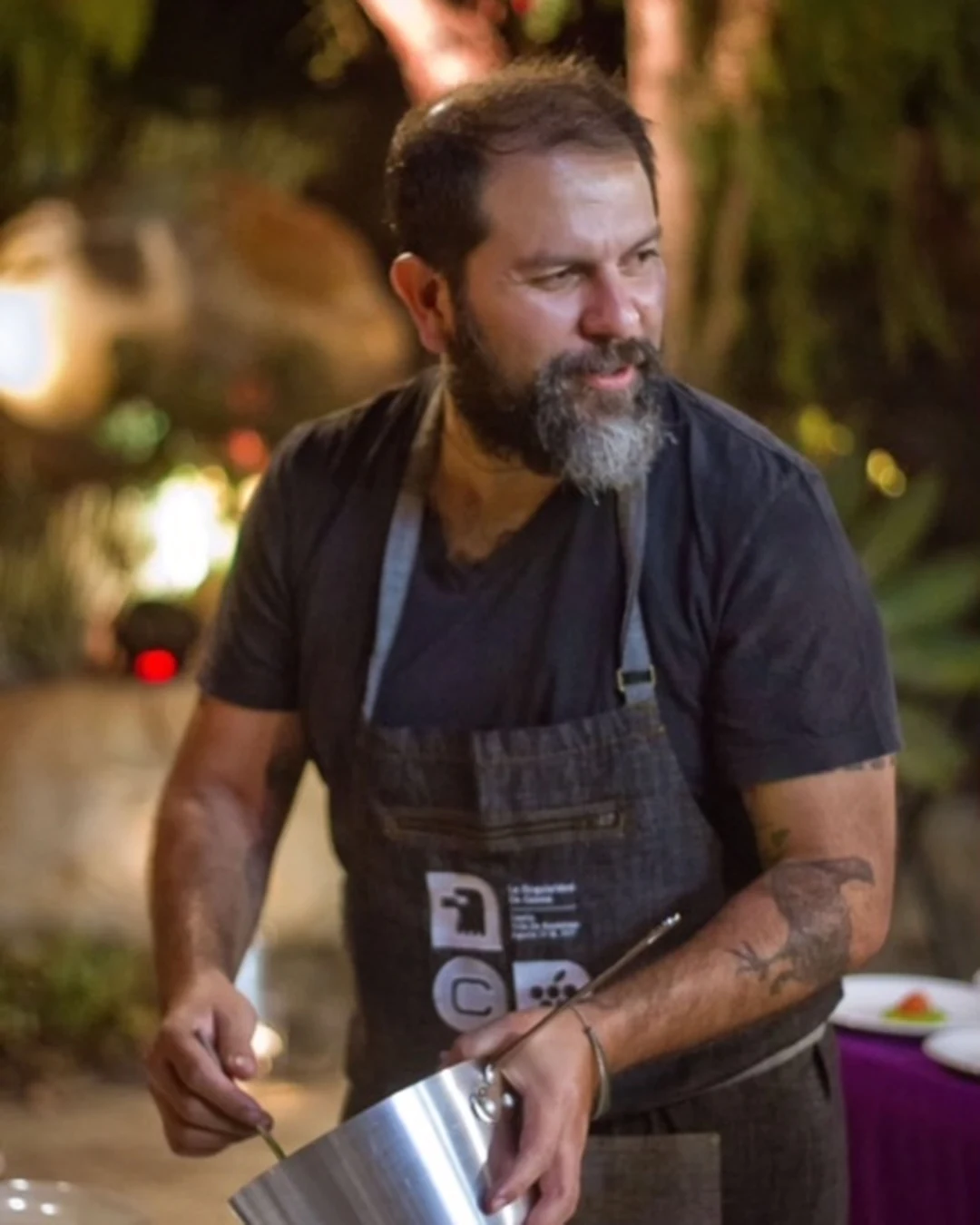
i. Biography
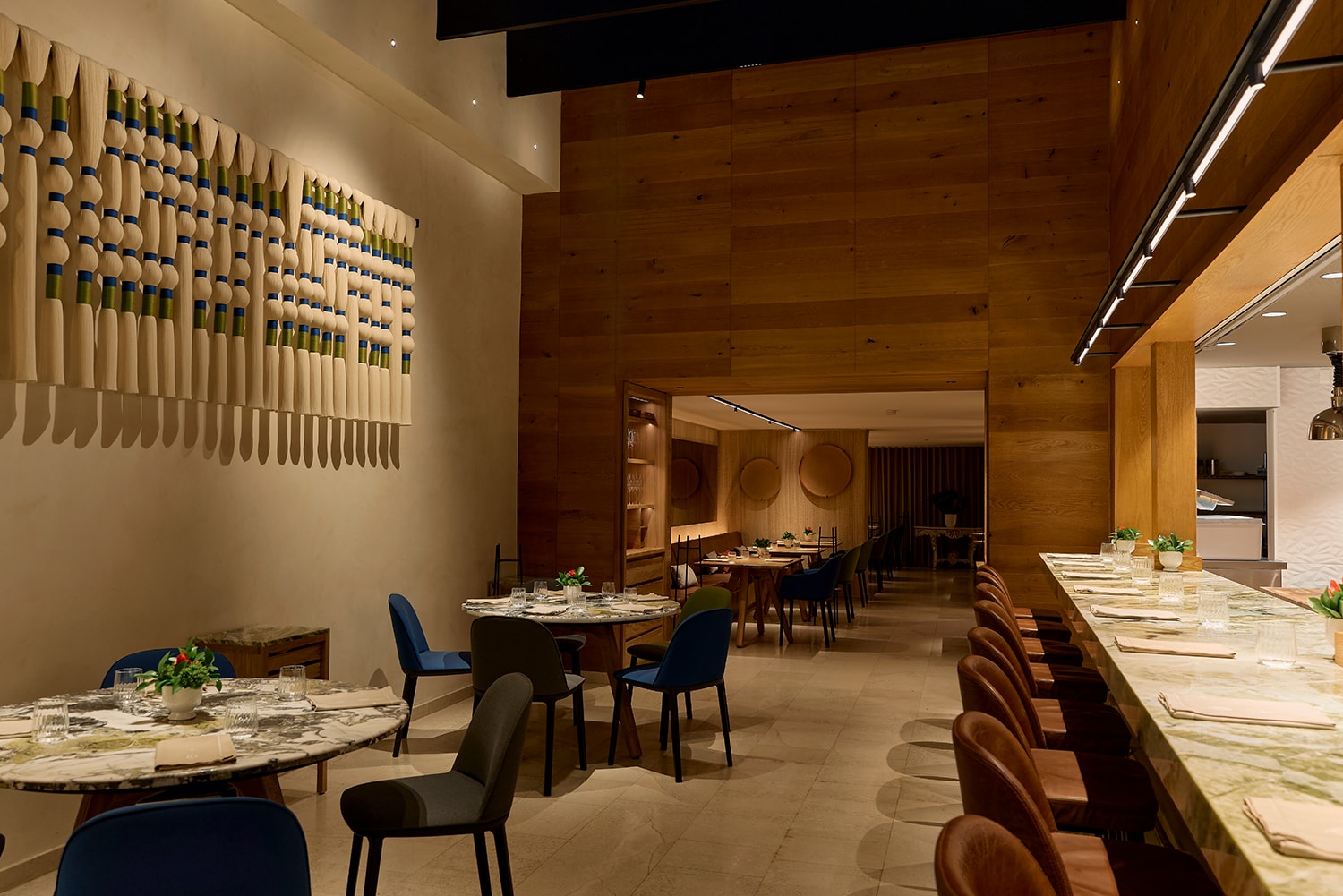
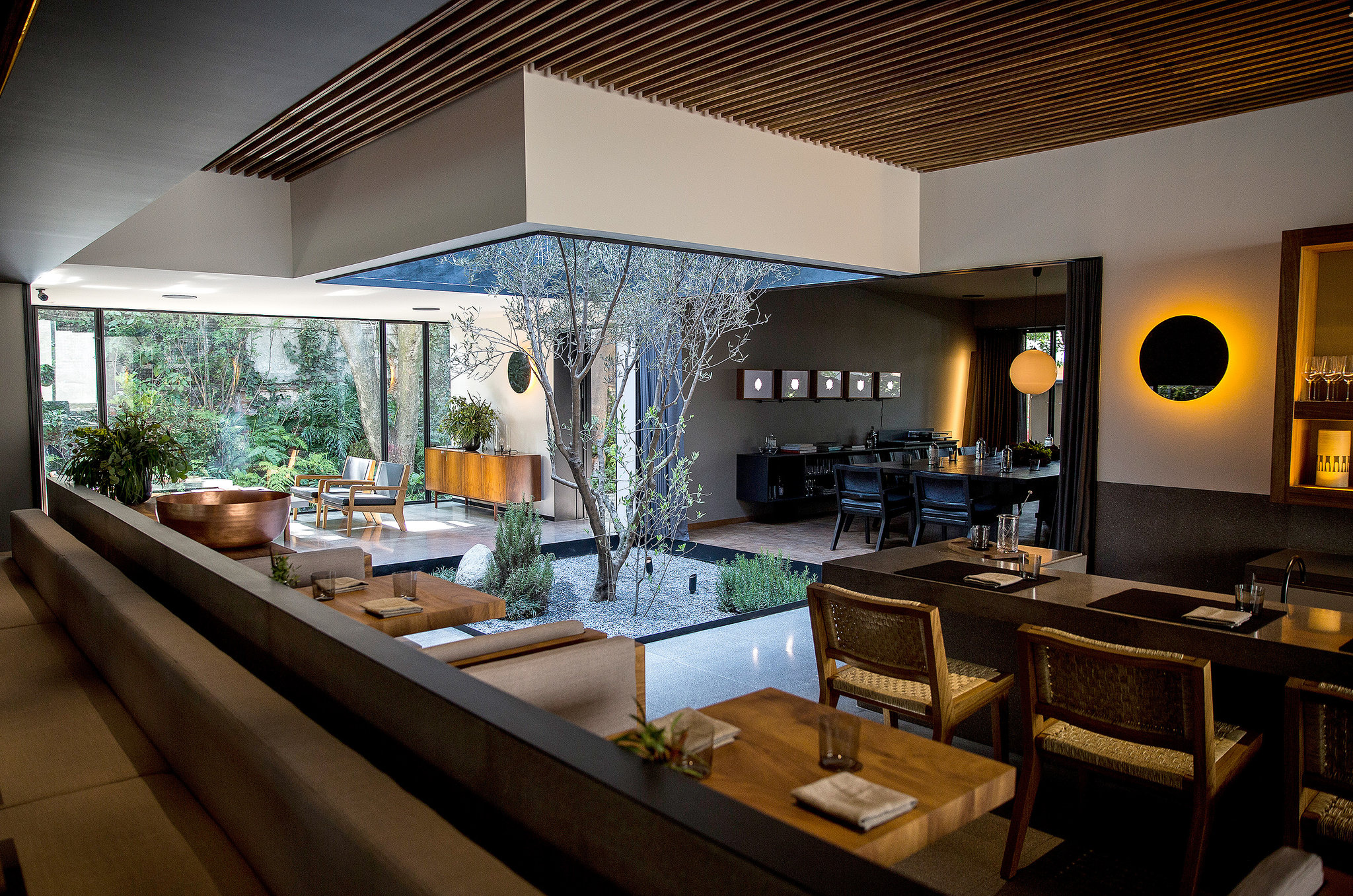
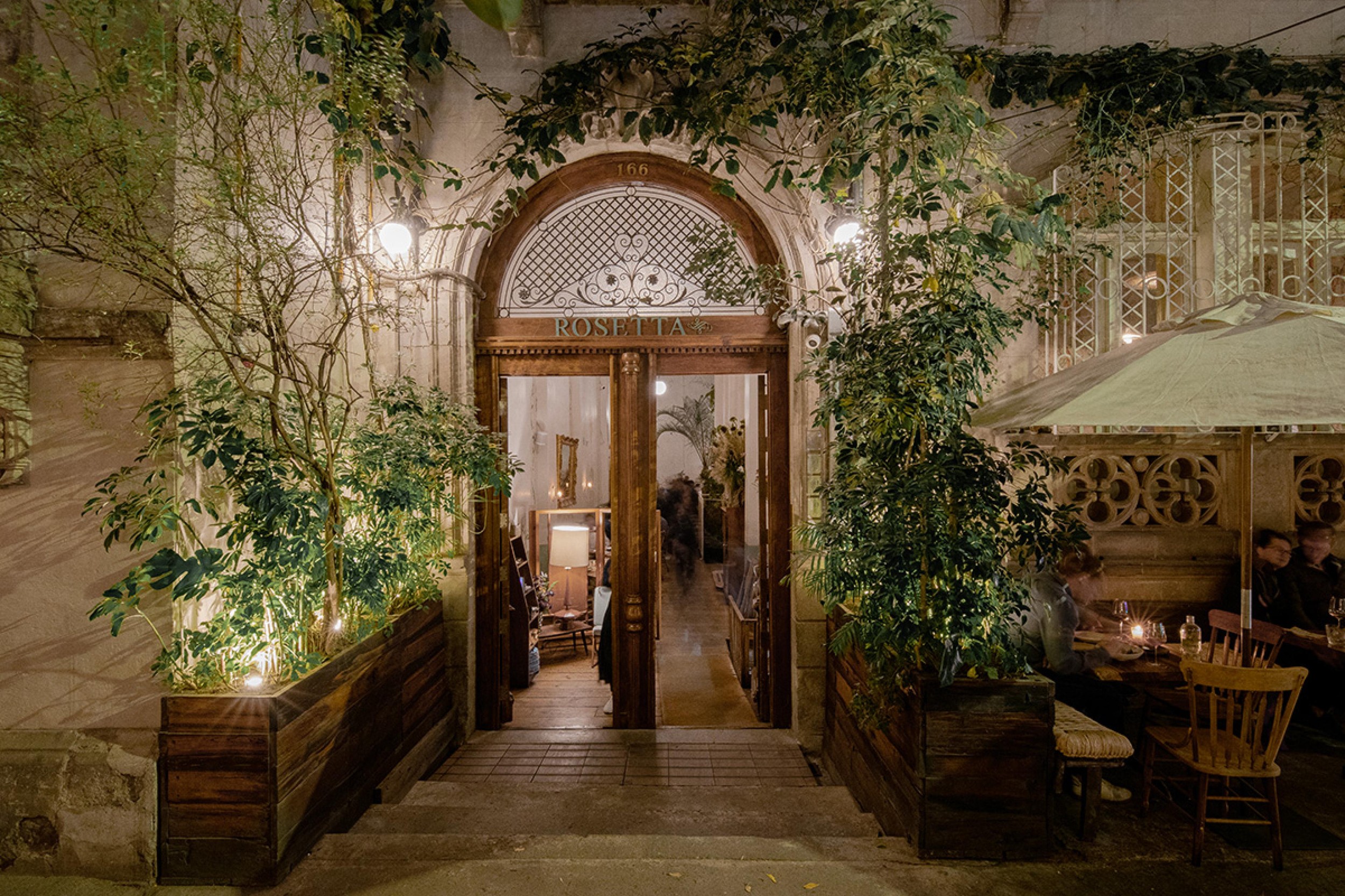
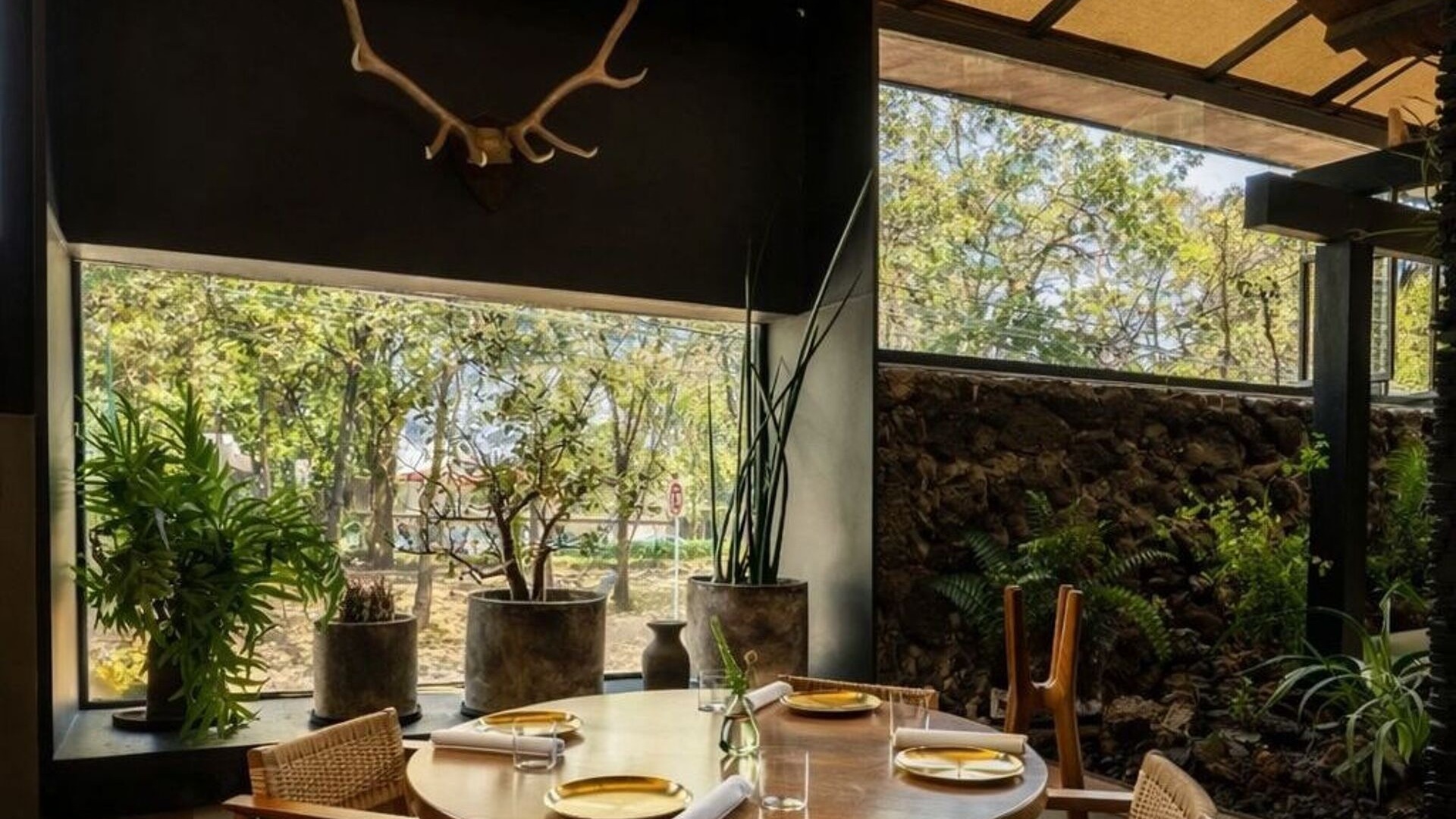
Molino El Pujol in Mexico City is built around the daily work of masa under the direction of Enrique Olivera, a chef trained at the Culinary Institute of America. The line of practice holds formal restaurant discipline beside Mexican foodways: corn, mole, street food, and the technical handling of familiar forms. A tortilla, a sauce, a tamal, or a fish set over heat is treated as craft work, not shorthand for simplicity.
Coming Up
Formal culinary training at Culinary Institute of America gave Enrique Olivera a structured base before his cooking settled into its own register. The relevance is practical: technique, sequencing, and precision applied to Mexican ingredients and traditions that are often described too broadly. His work stays concerned with how flavor is built, how memory is organized into method, and how a cuisine can remain active without being fixed in place. Publishing three culinary books in Spanish extended that same work into written form. The page becomes another station for the craft: food as culture, technique, ingredient, and idea. The books sit alongside service and menu development as a way of naming practices that often live first in the hand, the palate, and repetition. The current set of roles places Mexican cooking across several formats: Enrique is chef/owner of Pujol, chef of Cosme (since 2015), chef of Carao, and directing chef of the Mexico City tortilleria. Mexico City, New York City, Riviera Nayarit, and a masa-focused setting each ask for a different expression. The through-line is inquiry into Mexican cooking—its ingredients, regional range, street-level forms, and capacity for exacting contemporary restaurant work.
The Current Work
The present map of the work runs across Mexico City, New York City, and Riviera Nayarit, with Olivera moving between a flagship dining room, Cosme, Carao, and a tortilleria under his direction. Each address carries a distinct function. The flagship holds the most formal register. Cosme places the cooking inside another dining culture. Carao works from Riviera Nayarit. The tortilleria reduces the frame to masa, heat, and daily mechanics. Corn work is the center at that corn-focused tortilleria serving tacos, tortillas, elotes, and tamales. The format is direct: corn is the subject rather than a support. Masa carries texture, aroma, heat, and handwork, with technically grounded cooking offered at street-food prices. The seriousness is in the handling; the form stays close to the street and to everyday appetite. Regional technique anchors the named dish pescado zarandeado at Carao in Riviera Nayarit: a fresh whole fish marinated and grilled in a traditional local fashion. The preparation keeps coastal cooking tied to method rather than scenery. Place is read through seasoning, heat, and the treatment of the fish.
Signature
Mole madre is the named signature associated with Enrique Olivera. Within his work, mole is handled as accumulated method: a preparation concerned with depth, continuity, and layering rather than mere sauce work. The dish condenses the larger practice—Mexican technique given time, structure, and close attention.
Acclaim
Recognition for the work includes Pujol ranked #25 in World's 50 Best Restaurants (2016), Pujol ranked #1 in Mexico and #20 in the world at the World's 50 Best Restaurant Awards, and Michelin Bib Gourmand for Molino El Pujol. The range matters: an internationally ranked restaurant and a corn-focused tortilleria are both being read through craft. In Olivera’s case, the honors point to Mexican foodways expressed at different scales without dropping technical rigor.
Profile updated July 2026
FAQ
Asked of Enrique
What is Enrique Olivera's current position?
Enrique Olivera runs Molino El Pujol under his direction.
Where did Enrique Olivera train or study?
Enrique Olivera trained at Culinary Institute of America and Published three culinary books in Spanish.
What recognition has Enrique Olivera received?
Pujol ranked #25 in World's 50 Best Restaurants (2016).