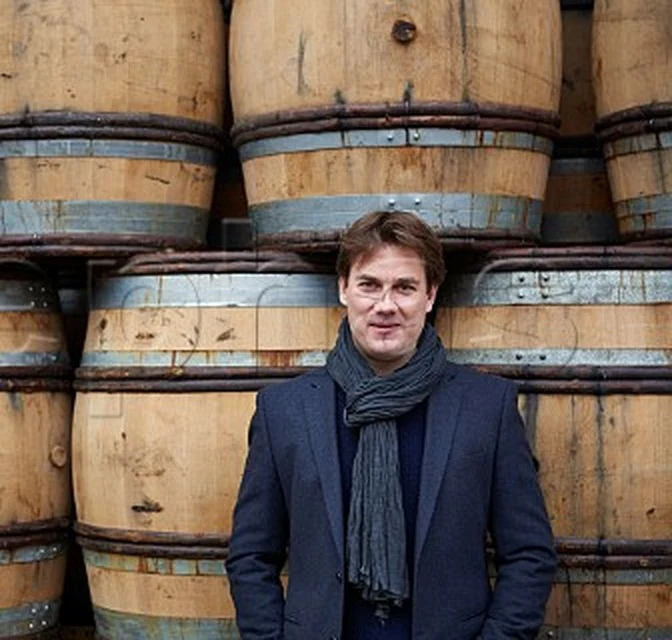
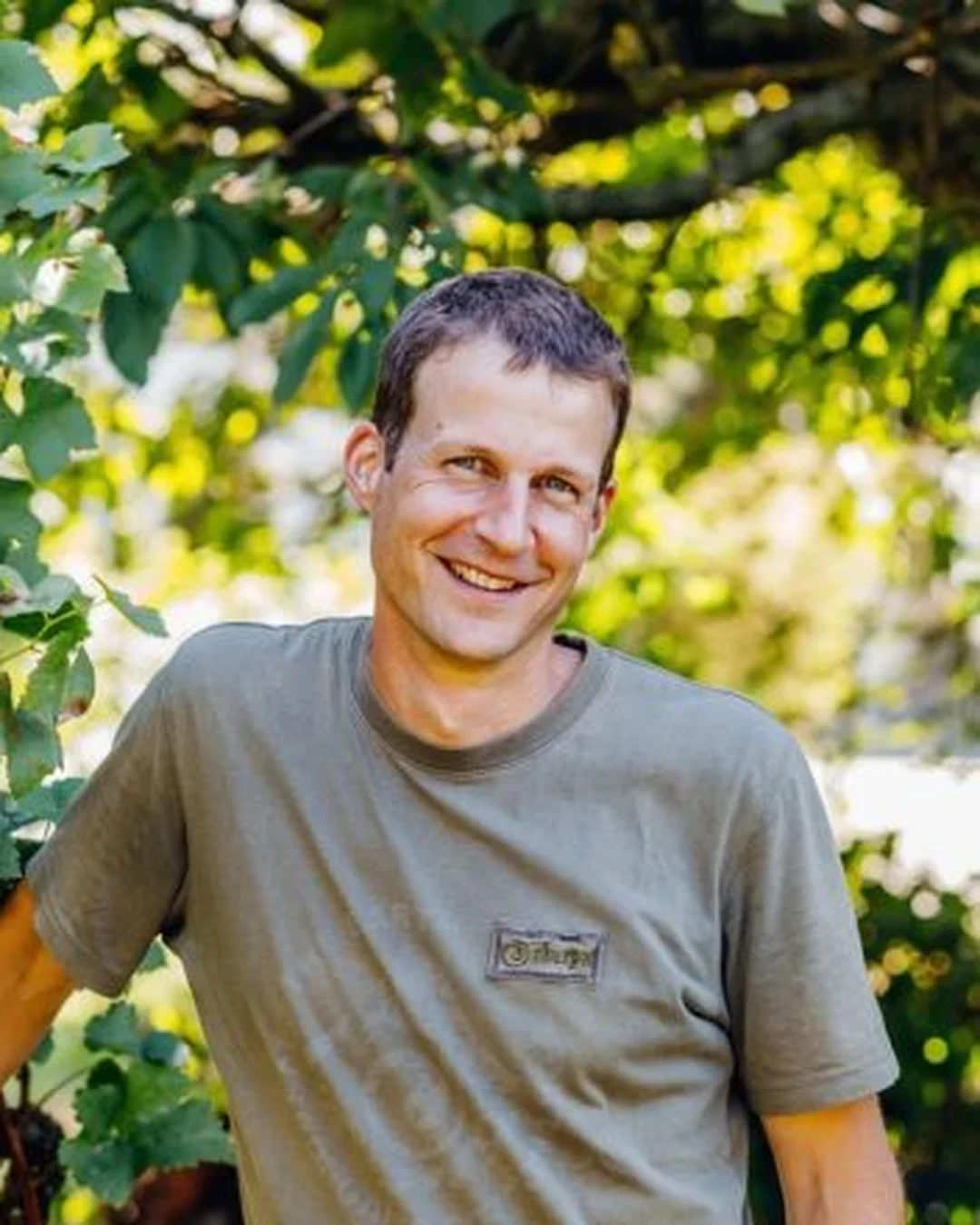
Portrait of Jérôme Flous
i. Biography
Jérôme Flous is Technical Director of Vines & Wines at Domaine Faiveley, where he has held responsibility since 2007 for continuity from vineyard work through cellar decisions, élevage, and bottling. His remit brings together vine cultivation, production oversight, and the final passage into bottle, with a focus on Burgundy winemaking that must respond closely to site and season. His path into that work combined study and practical experience. He trained in Quality Engineering in Bordeaux and at Université des Sciences – Bordeaux, where he took on the discipline that supports analysis, process control, and sensory assessment in wine. He then gained experience through internships at Château Guiraud and Château Smith Haut Lafitte, where harvest conditions and cellar timing shaped decision-making. Further work with the Occitane Group in the South of France and technical services and consulting at Michel Paetzold added broader experience in diagnosis, precision, and adaptation across production contexts. At Domaine Faiveley, Flous has applied that background to a Burgundian domaine system spanning holdings across the Côte de Nuits and the Côte Chalonnaise. His work is associated with refined, polished red and white wines, and with a house style shaped toward softer tannins, clearer fruit expression, and balance. In practical terms, extraction is handled for texture rather than force, freshness is protected, and structure is managed to support fruit rather than dominate it. The emphasis is on detail in process, since he sees that as one of the ways finesse is built. His approach is adjusted to the vintage rather than repeated as habit. In 2019, he used a very fast vinification for Pinot Noir, with only a few days of cold pre-fermentation, a very fast fermentation, small punch-downs, soft pumping-over at the end, and pressing as soon as fermentation was complete. He considered that soft handling necessary to preserve aromatic complexity and freshness. For 2017, he described the vintage as a renewal and noted that it was a nice vintage for volume, with frosted vines helping to compensate, while green harvesting was needed to keep control, though only to a limited extent. He has also said that long élevage is preferred, with bottling for premier cru and grand cru wines expected from February to April. The wines selected as an overview of the 2019 vintage included Corton “Clos des Cortons Faiveley” Grand Cru Monopole, Corton-Charlemagne Grand Cru, Nuits-Saint-Georges 1er Cru “Les Saint-Georges”, Gevrey-Chambertin 1er Cru “Les Cazetiers”, Clos-de-Vougeot Grand Cru, and Puligny-Montrachet 1er Cru “Champ Gain”. Together they reflect the range of his work across red and white Burgundy, grand cru and premier cru, where the aim is to preserve detail and origin through careful technical choices.
The Sunday letter
Read Made By's new profiles every Sunday.
Meet the chefs, winemakers and sommeliers behind the places we cover. See a sample below before you subscribe.
See a sample of the Sunday emailOne email a week. Unsubscribe from any issue.
Explore
In the same rooms
Similar Winemakers
The Sunday letter
Get the next Made By profile in your inbox.
We send one email every Sunday morning with the people we profiled that week.
See a sample of the Sunday emailOne email a week. Unsubscribe from any issue.