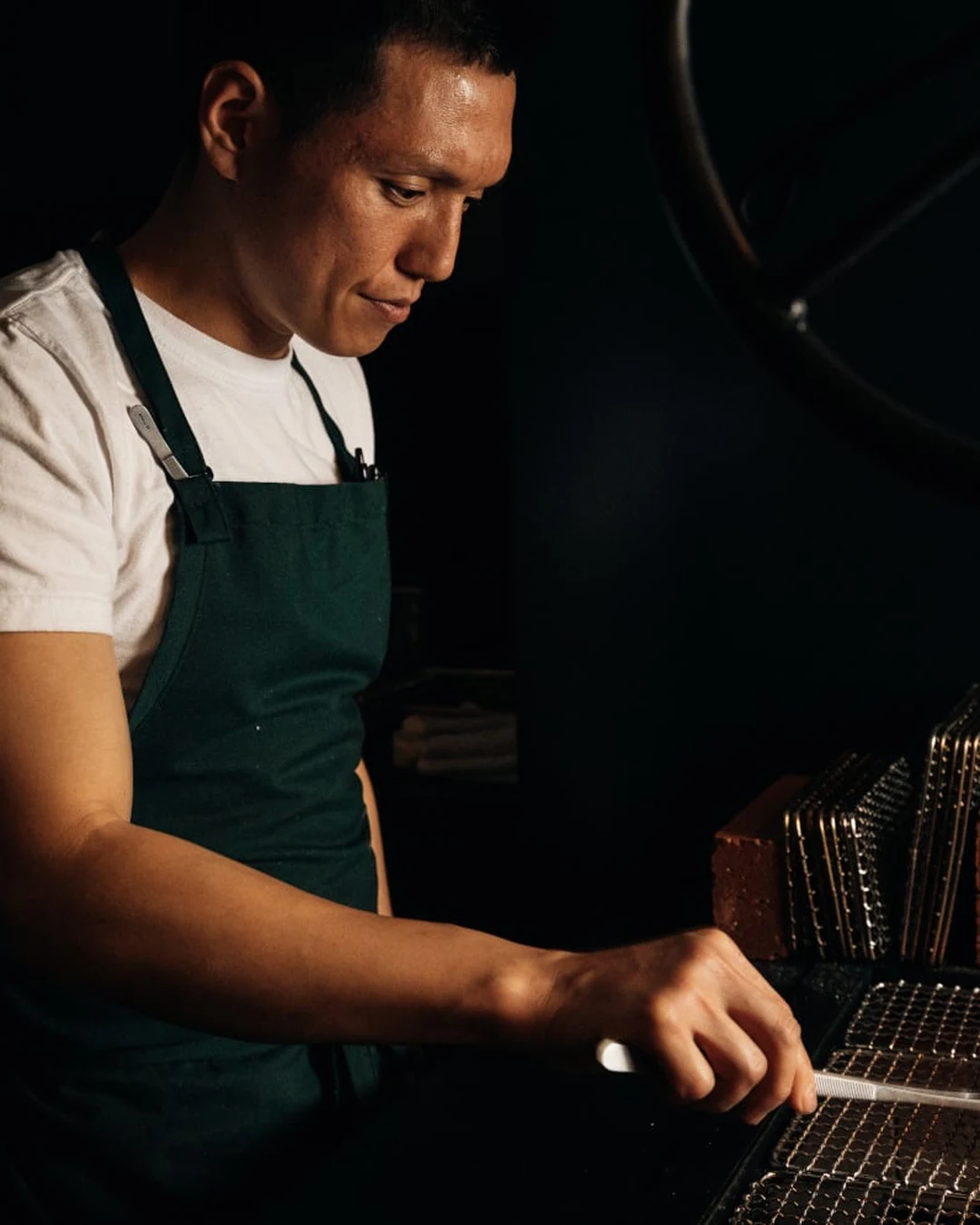
i. Biography
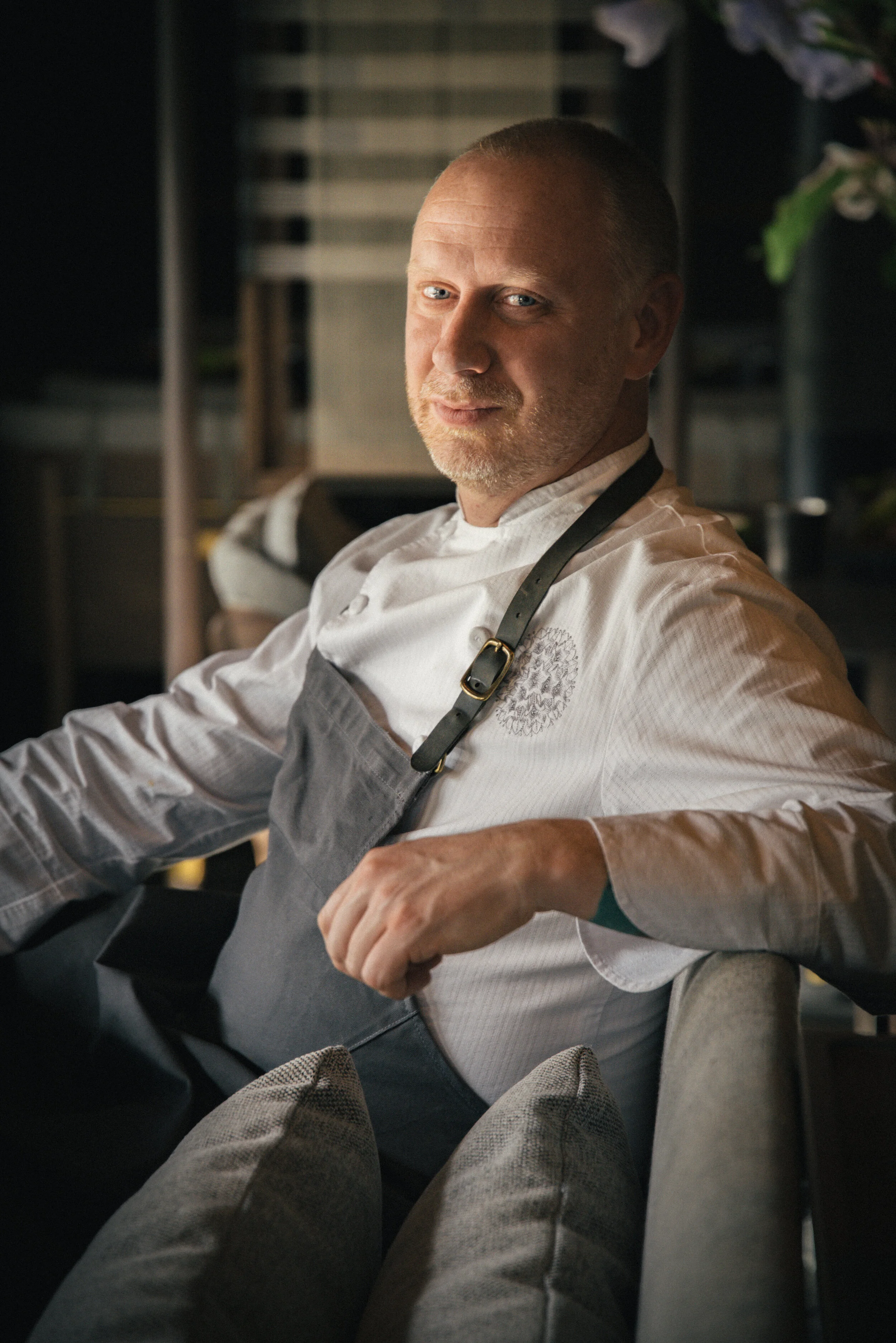
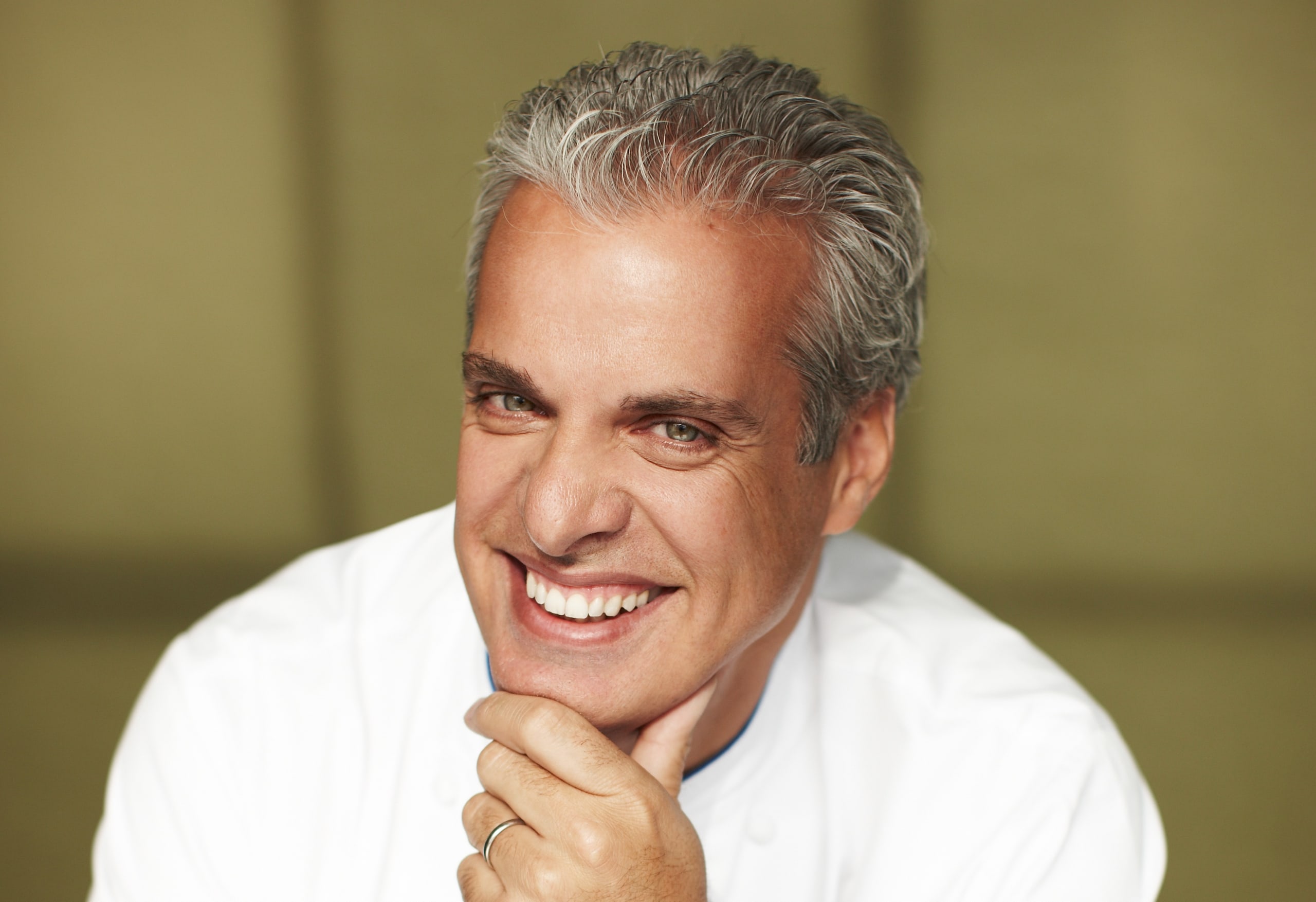
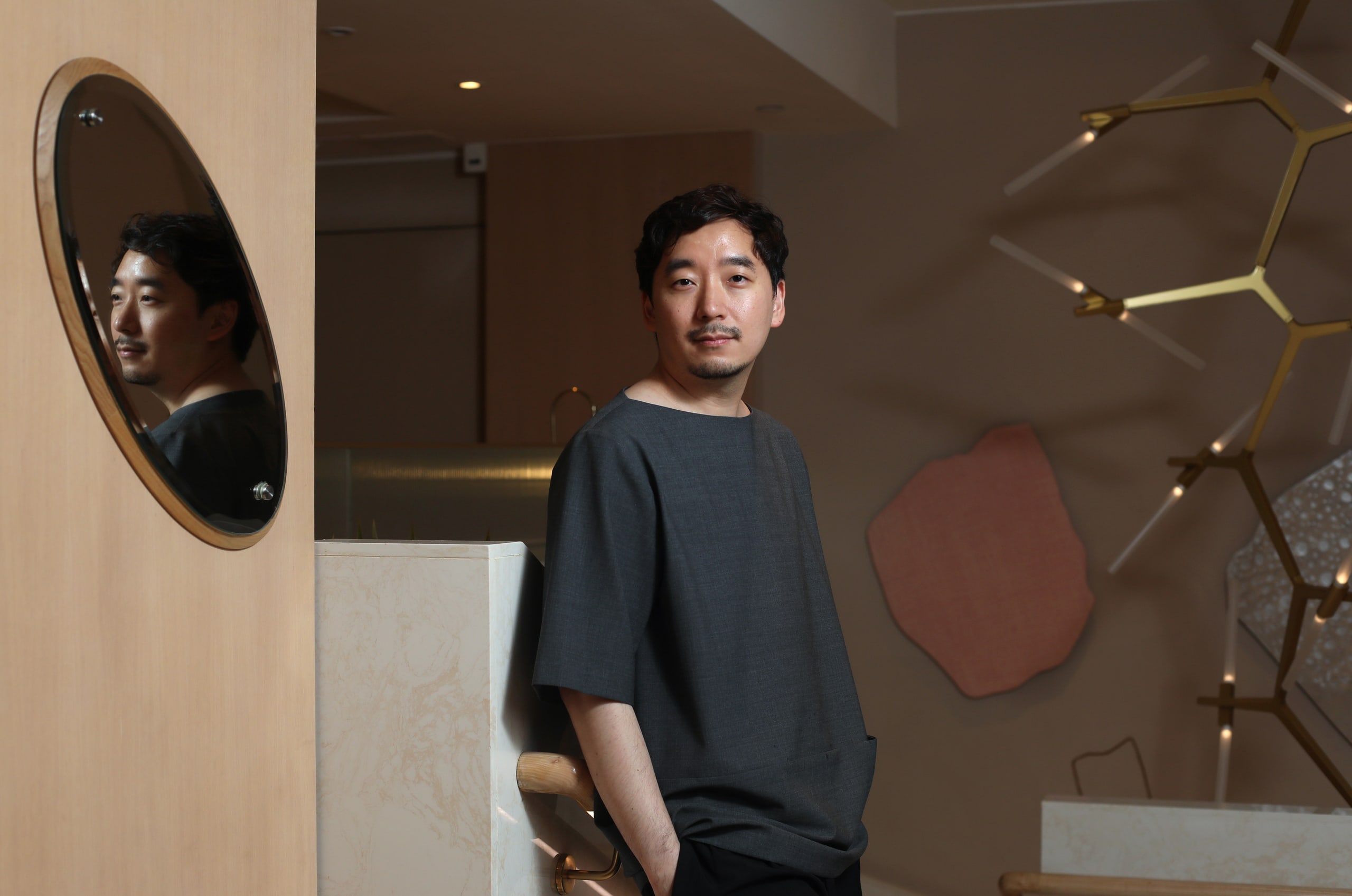
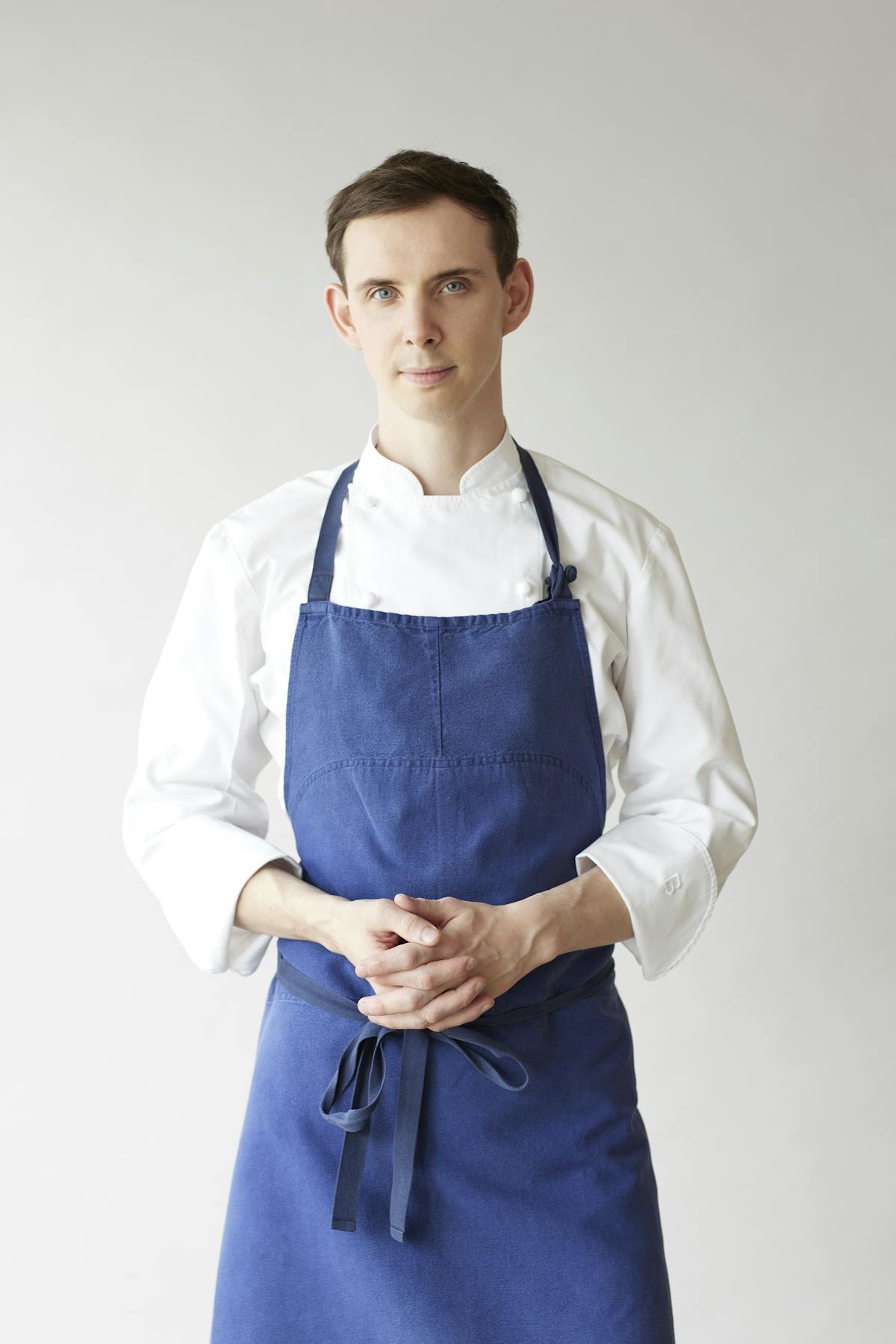
The restaurant is a partnership with Corey Lee, organized around Korean cooking made precise without being stripped of its edges. In Jeong-in Hwang’s work, accessibility is treated as a technical problem: bringing guests into the food while keeping the culture legible. As he has put it: "We wanted to develop a menu that could be approachable even for non-Koreans, so they could really enjoy."
The Path
Training gives Korean cooking its repeatable structure: knife work, heat, seasoning, restraint, and the discipline to make those decisions consistently. Jeong-in Hwang trained at Kimpo University and SAN HO WON, where that structure became part of his working vocabulary. The emphasis is not on gesture, but on control: flavor built carefully, heat managed with intention, ingredients handled clearly. Fine dining adds another layer of rigor to that base. In San Francisco, Hwang worked alongside Chef Corey Lee at Benu, where timing, texture, balance, and service-level consistency sharpened the work. That setting placed Korean ideas inside a broader restaurant language, with heritage and refinement sharing the plate without either one erasing the other. Kitchen leadership turns that discipline into a daily system. Jeong-in is Executive Chef / partner of SAN HO WON (since 2021) and Executive Chef of restaurant group that includes Benu. Those roles require more than menu authorship: standards have to be held, cooks guided, and craft renewed through repetition, service after service.
The Work Today
Korean cooking at SAN HO WON is built to be specific and open at the same time. Hwang works as chef and partner in a restaurant designed for guests with deep familiarity and for those meeting certain flavors, textures, or forms for the first time. The work depends on making smoke, broth, fermentation, sweetness, heat, and comfort readable without making them generic. The name carries its own definition. "The name SAN HO WON is three Korean words put together: Mountain Tiger Origin. The name comes from Korea’s identity as the land of mountains and tigers." Naming functions here as orientation, not decoration. Mountain, tiger, and origin give the restaurant a frame of Korean place and identity before the food arrives. Within that frame, Hwang’s cooking treats tradition as usable material: something to work through carefully, not something to freeze. The menu still has to serve the present room. Approachability is handled as a craft decision, not a concession. A dish can be generous without being simplified beyond recognition, and it can be precise without becoming remote. That balance defines the work at SAN HO WON: Korean cooking presented with polish, warmth, and enough clarity for more guests to enter it.
Signature
Signature dishes include Kimchi Pozole at SAN HO WON and Egg Soufflé at SAN HO WON.
Distinctions
Jeong-in Hwang has received MICHELIN Guide: One Michelin Star for SAN HO WON (2022). Jeong-in's honors include One Michelin Star for SAN HO WON (2022). The recognition marks the restaurant’s clarity of purpose and Hwang’s role in shaping a Korean kitchen where specificity and hospitality are not treated as opposing values.
Profile updated July 2026
FAQ
Asked of Jeong-in
What does Jeong-in Hwang currently do?
Jeong-in Hwang is chef at Hai Nan Zai — Street Food.
Where did Jeong-in Hwang train or study?
Jeong-in Hwang trained at Kimpo University and SAN HO WON.
What recognition has Jeong-in Hwang received?
One Michelin Star for SAN HO WON (2022).