i. Biography
The Ascent
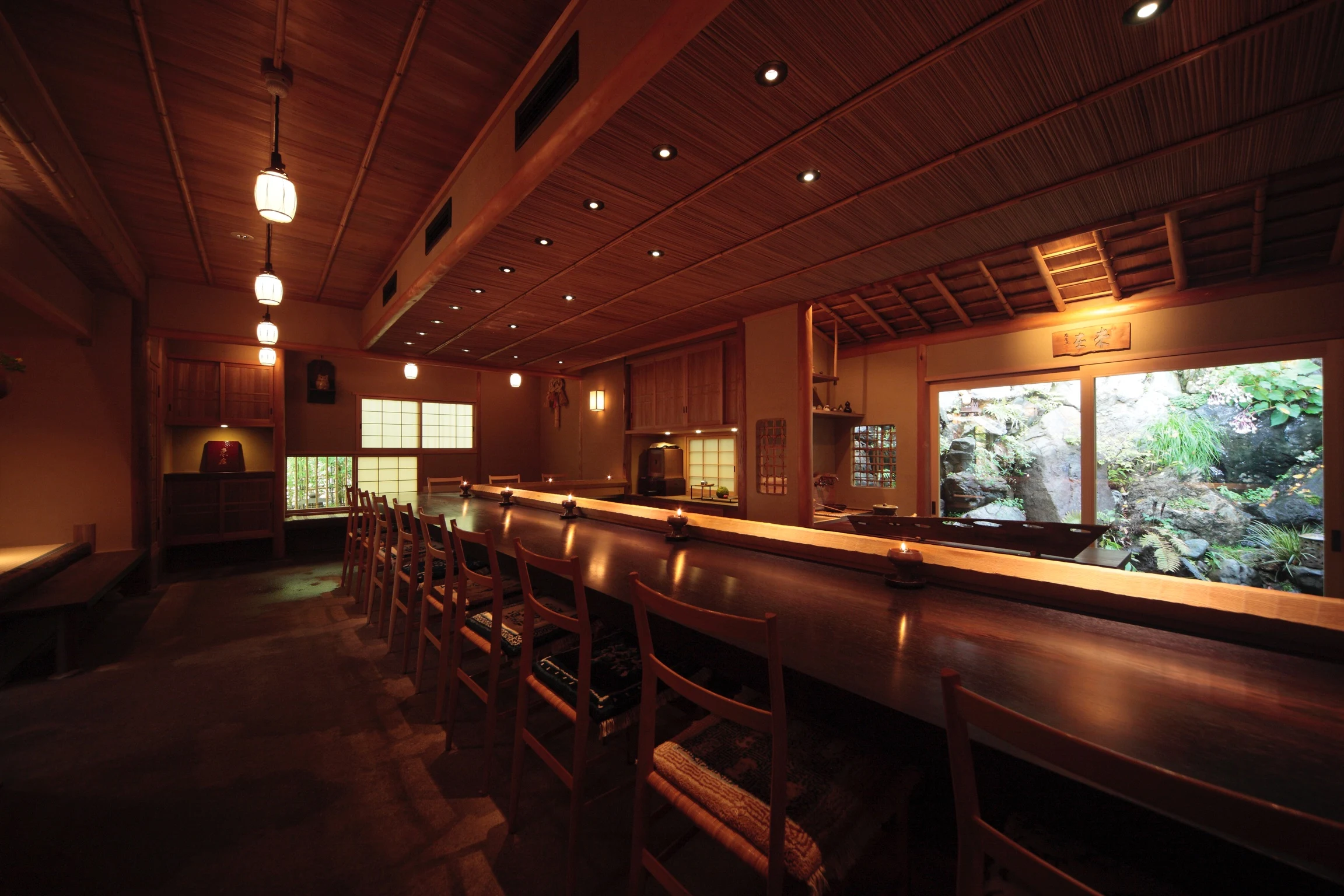
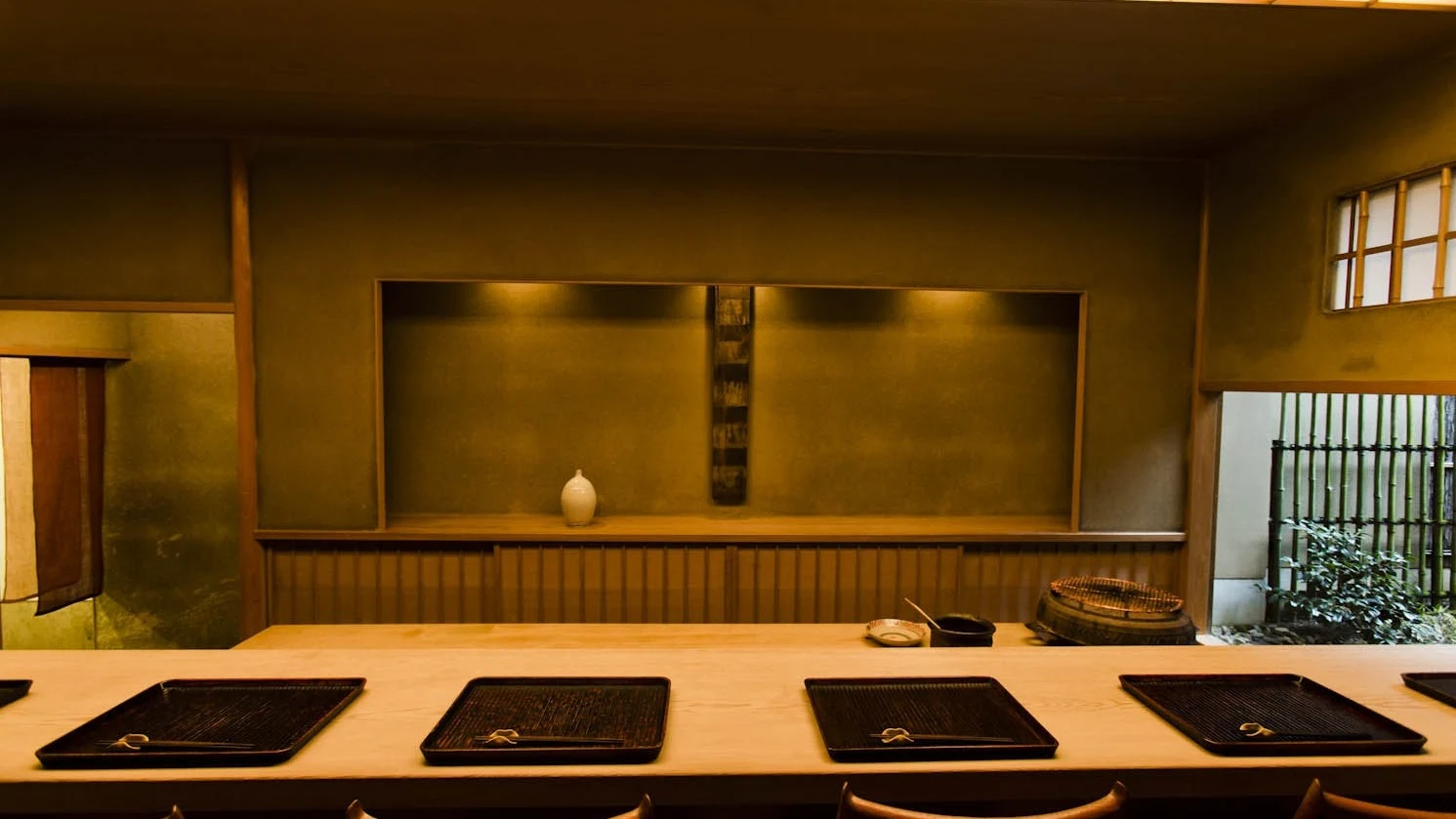
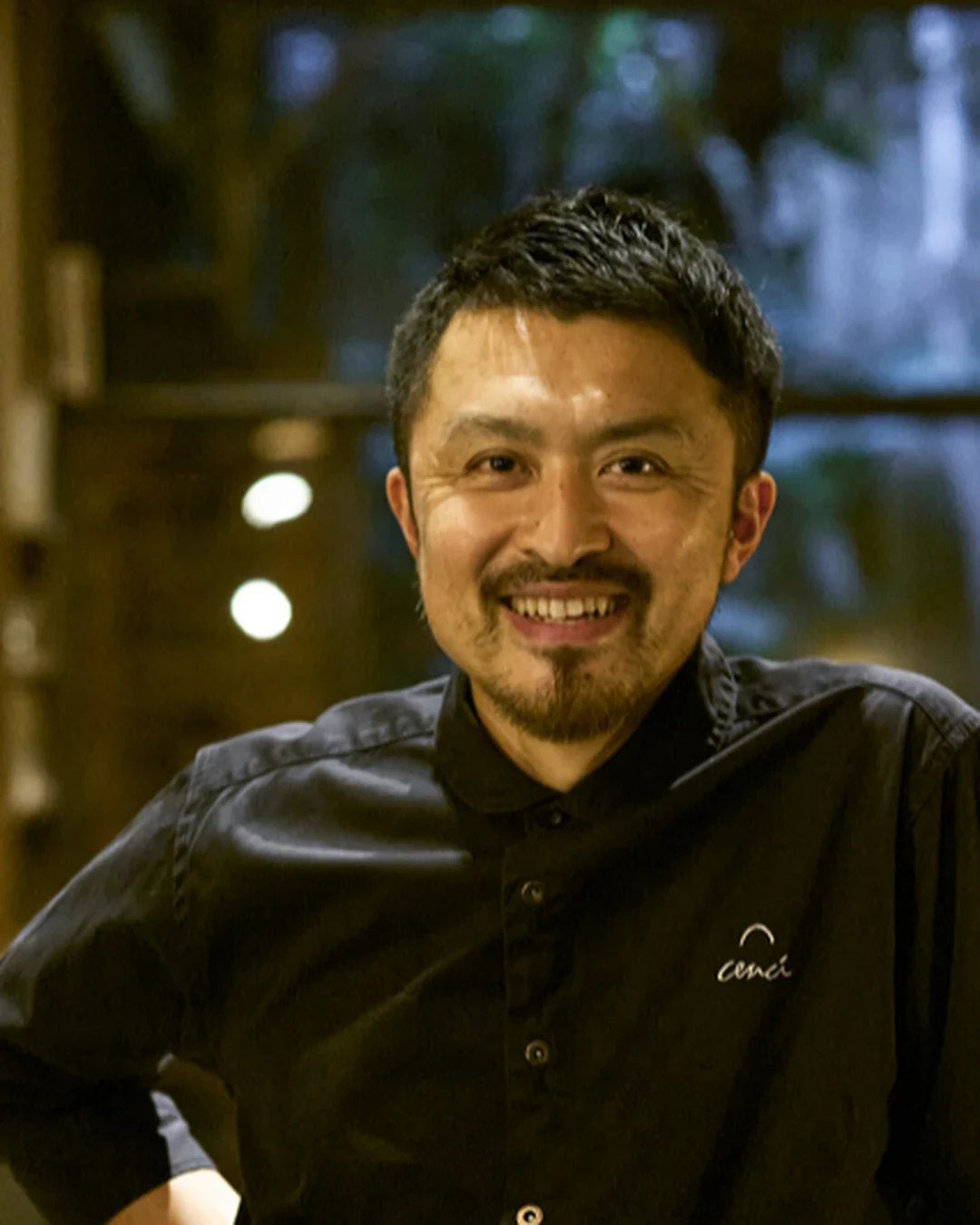
Italian heritage cuisine in Kyoto requires translation without dilution: structure, pasta logic, aroma, and restraint have to sit inside a kitchen culture built around season, timing, and ingredient peak. In that context, Ken Sakamoto trained at Trattoria Il Pappalardo in Kyoto, Japan, taking on the grammar of Italian cooking while working in a city where seasonality is a working method rather than a garnish. The head chef role at Il Ghiottone put that translation under service pressure. Italian forms had to carry local produce and a Japanese sense of calibration without losing their origin. Sakamoto’s work there sharpened both authority and place: technique in service of a cuisine that could read as Italian in structure and local in sensitivity. A restaurant opened by its cook sets the clearest terms of the craft. In 2014, Sakamoto opened cenci as owner and head chef, building a dining room around precision, intimacy, and a menu fluent in more than one culinary register. Since 2025, the same approach has extended to SHIROUX, Halekulani Okinawa, where Sakamoto has held the role of Consulting Chef while remaining tied to the questions of season, texture, and balance.
Current Practice
The cooking at cenci works from Italian heritage cuisine and Japanese precision, using top native produce in a hyper-seasonal 10-course tasting menu. The format depends on pacing rather than display: vegetables, temperature, texture, and seasoning have to carry the logic of the moment. In Sakamoto’s kitchen, Italian structure provides warmth and generosity; Japanese precision gives the meal its clean edges. Fresh local vegetables are central to the restaurant’s creative cooking. Treated as primary material rather than garnish, they bring color, bite, fragrance, and immediacy to the table. The craft is in keeping place legible: the city is not scenery around the menu, but one of the working ingredients in it. At SHIROUX in Okinawa, Japan, the consulting role added another regional register in 2025. The menu under Sakamoto’s direction combines that earlier sensibility, Okinawan bounty, and ingredients from Japan and around the world, with seasonal ingredients and techniques that blend tradition and innovation. The task is a familiar one for working cooks: let one region’s refinement meet another region’s abundance without flattening either. “I am deeply honored to be named Consulting Chef of Halekulani Okinawa’s SHIROUX. I look forward to incorporating Okinawa’s rich local ingredients and cultural heritage to create innovative and captivating dishes.”
Signature
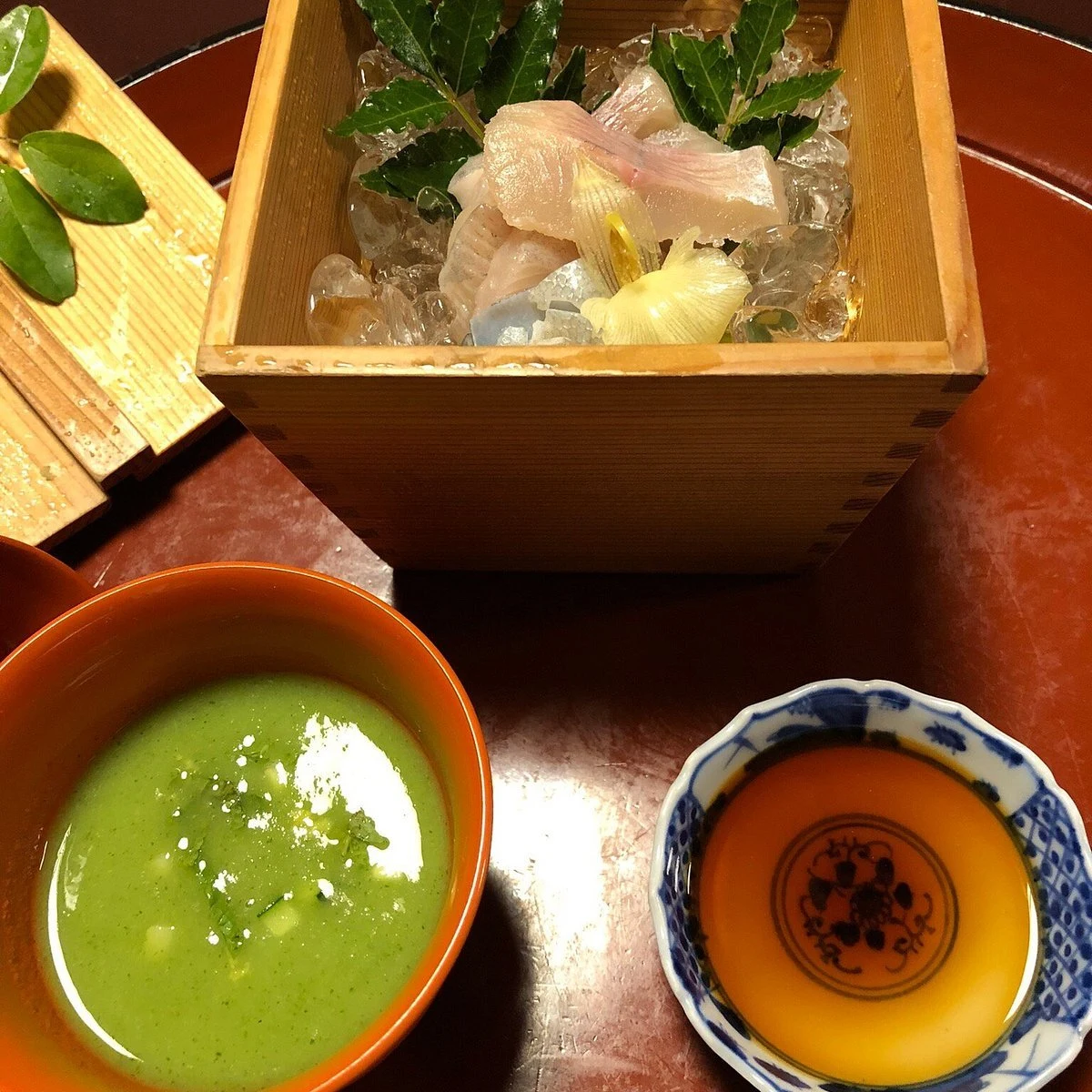
Signature dishes include SHIROUX dish “Red Grouper” and SHIROUX dish “Aged Breeding Beef.” The pair sets out two different handling problems: delicacy and freshness from the sea, and depth and maturity in beef. In Sakamoto’s current work, the emphasis is not excess but focus, with composition, texture, temperature, and restraint used to keep the ingredient readable.
Accolades
Ken's honors include Asia’s 50 Best Restaurants list placement for cenci (2022), MICHELIN One-Star rating for cenci (2022), The Great Chef of Tomorrow (2019), and Japan’s 100 outstanding chefs and restaurants (2017). Those recognitions track a body of work built from disciplined training, a personal dining room in Kyoto, and a broader consulting role at SHIROUX, Halekulani Okinawa. The through-line is not a single accolade, but steady refinement of Italian heritage cuisine through Kyoto produce, Japanese precision, and close attention to season.
Profile updated July 2026
FAQ
Asked of Ken
Who is Ken Sakamoto?
Ken Sakamoto is owner and head chef.
Where did Ken Sakamoto work before?
Earlier in their career, Ken Sakamoto worked at Trattoria Il Pappalardo and Il Ghiottone.
What recognition has Ken Sakamoto received?
Asia’s 50 Best Restaurants list placement for cenci (2022).