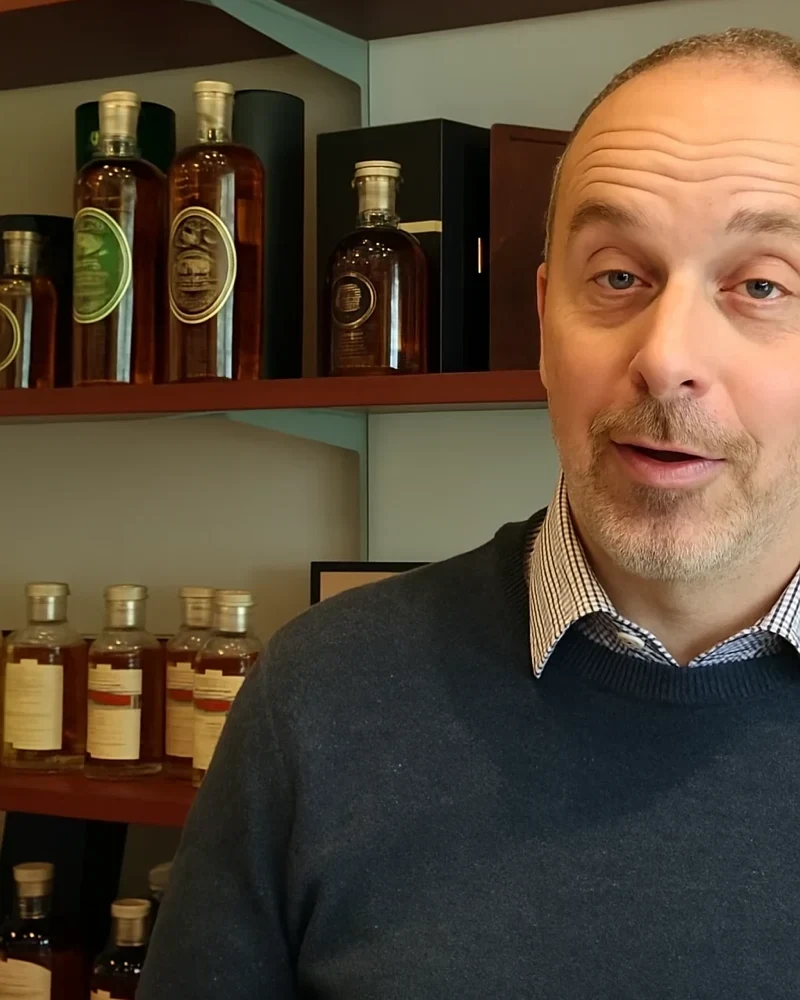
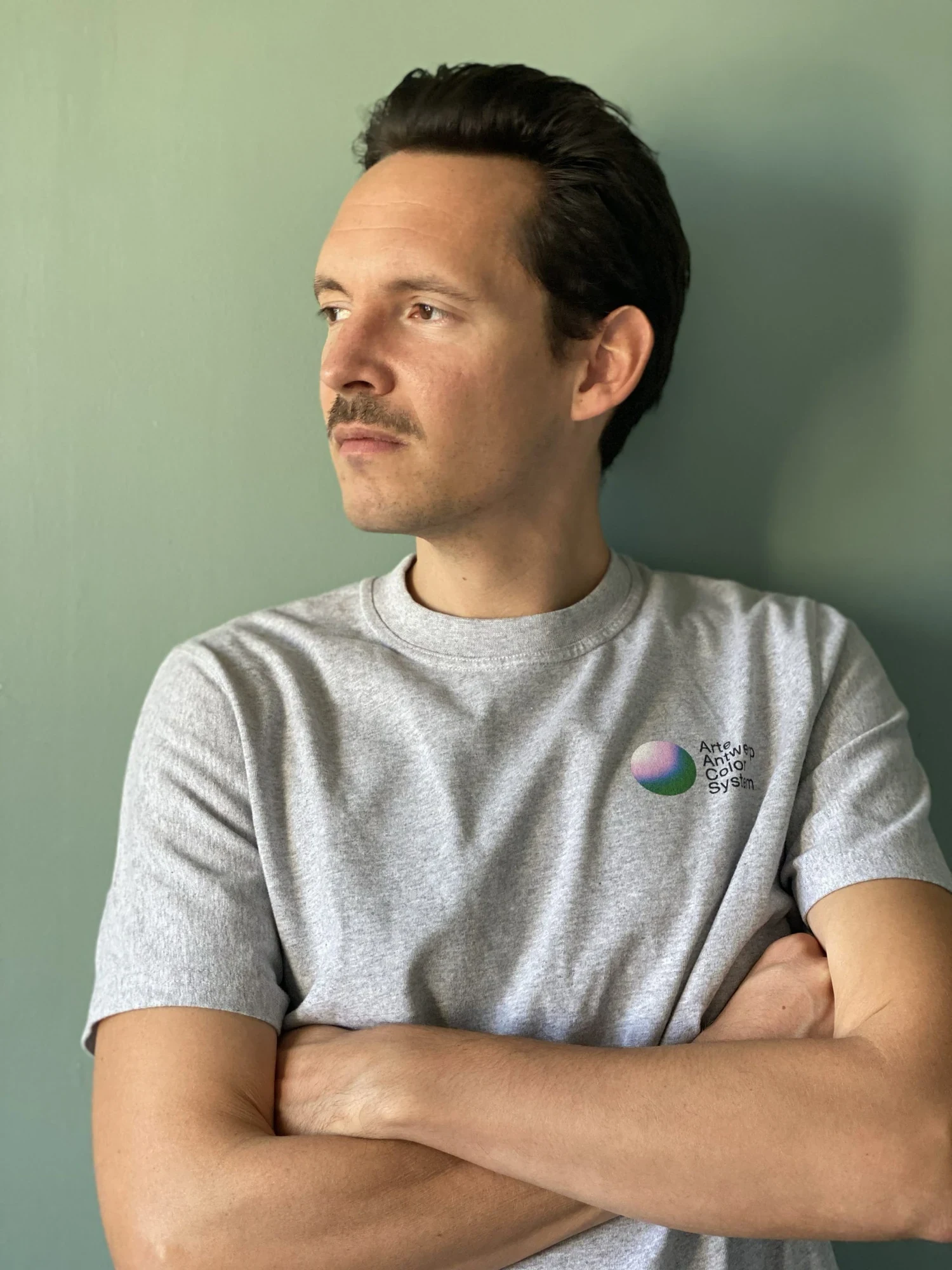
Portrait of Luigi Barbero
i. Biography
Coming Up
At Distilleria Sibona, the work moved from operational responsibility to ownership without a break in continuity. Luigi Barbero began as Co-Managing Director at Distilleria Sibona in Cuneo, IT from 2000, then served as administrator at Distilleria Sibona in Piobesi d'Alba, Italy, before becoming one of the owners at Distilleria Sibona in Piobesi d'Alba, Italy. The progression reflects stewardship built from within: close handling of a house rooted in place, and a long familiarity with what gives it its identity.
Where They Are Now
The current Co-Managing Director role keeps the emphasis on selection, distillation, and aging rather than presentation. Luigi Barbero’s work centers on choosing local grape marc, carrying out precise distillation, discarding the initial and final distillate cuts, and allowing extended barrel aging to shape the spirit slowly. Among the house’s distinctive offerings are barrel-aged grappas and local vermouths, both tied to tradition and to the place that produces them.
Career - Co-Managing Director — Distilleria Sibona, Cuneo, IT (from 2000) - Administrator — Distilleria Sibona, Piobesi d'Alba, Italy - One of the owners — Distilleria Sibona, Piobesi d'Alba, Italy
Signature
The house signatures associated with Luigi Barbero are Grappa Riserva Speciale Barolo Millesimata, Bitter 20 Aperitivo, Amaro, Grappa Riserva Botti Da Madeira, and Grappa Riserva Botti Da Porto. Taken together, they show a range of house expression: depth, bitterness, brightness, and the measured influence of barrel aging.
In Their Words “We are all ambassadors of our territory.”
Honors
No awards are cited for Luigi Barbero.
FAQ What is Luigi Barbero's current role? As of 2026, Luigi Barbero is Co-Managing Director. Where did Luigi Barbero work before? Luigi Barbero's earlier career included Distilleria Sibona, Distilleria Sibona, and Distilleria Sibona. What is Luigi Barbero known for? Uses careful selection of the best local grape marc, precise distillation techniques, discards the initial and final distillate cuts, and ages spirits in barrels for extended periods to make grappas that are smooth, enjoyable, complex, and richly aromatic.
The Sunday letter
Get new profiles like Luigi Barbero every Sunday.
One email a week with the chefs, winemakers and artisans we have just profiled, and the places they run.
One email a week. Unsubscribe from any issue.
The Sunday letter
Get the next Made By profile in your inbox.
We send one email every Sunday morning with the people we profiled that week.
One email a week. Unsubscribe from any issue.