i. Biography
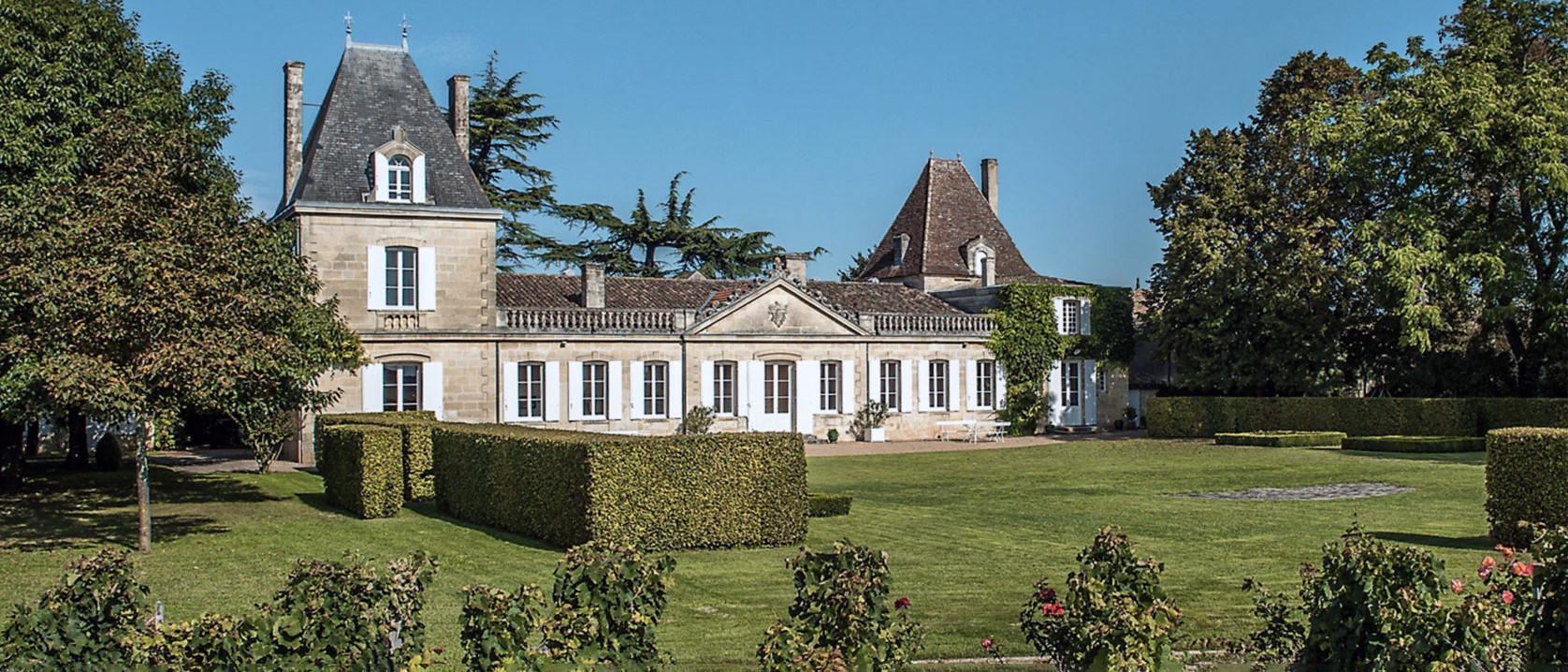
Pomerol begins underfoot: soils, exposures, climate, grape variety, the patient variables that decide whether a red wine carries weight or simply color. Since 1979, French oenologist Michel Rolland has managed the family estate Château Le Bon Pasteur in Pomerol, France, making that place a fixed point in work built around terroir and its quiet pressures.
The Estate
Born on 24 December 1947, Rolland trained at the Bordeaux Faculty of Oenology, where the study of wine was tied to analysis as much as appetite: climate, soils, orientations, varieties, and the ways each factor changes the finished glass. In 1979, the same year he took over management at Château Le Bon Pasteur, he also became manager of the family estate Château Rolland-Maillet in Saint-Émilion, France, and Château Bertineau St-Vincent in Lalande de Pomerol, France. The pattern is precise: not one abstract Bordeaux résumé, but three named family properties across neighboring appellations, each with its own ground and its own demands. The point is never just ripeness or polish in isolation; it is the reading of site, then the conversion of that reading into wine.
In the Cellar
Rolland’s specialty is making outstanding wines, mostly reds, from less esteemed terroirs and vineyards. That sentence says a great deal about the cellar logic: attention is not reserved only for celebrated parcels, and ambition is not treated as the privilege of famous ground. The technical frame is terroir, understood through climate, grape variety, soils, and orientations. In practice, that means a wine is approached as a set of conditions before it becomes a bottle: what the season gives, what the vine carries, how the soil holds or sheds, how a slope or exposure changes the fruit. In 2004, he worked as consulting oenologist at Château Fonplégade in Saint-Émilion, France. That appointment adds another named Right Bank address to the map of his work. His involvement with Wine Paths was explained through the growth of wine tourism.
The Bottlings
The wines most closely associated with Rolland’s craft are predominantly red, and the defining task is transformation without pretending that site does not matter. Less esteemed vineyards are not blank canvases; they are particular pieces of land, marked by climate, soils, grape variety, and orientation. That is why the estate work matters. Château Le Bon Pasteur gives the biography a Pomerol center, while the family properties in Saint-Émilion and Lalande de Pomerol widen the lens without losing the Right Bank texture of the story.
Profile updated July 2026
FAQ
Asked of Michel
What is Michel Rolland known for making?
Michel Rolland is known for making outstanding wines, mostly reds, from less esteemed terroirs and vineyards.
Where does Michel Rolland work?
He has managed Château Le Bon Pasteur in Pomerol since 1979. He also became manager of Château Rolland-Maillet in Saint-Émilion, France, and Château Bertineau St-Vincent in Lalande de Pomerol, France, in 1979, and worked as consulting oenologist at Château Fonplégade in Saint-Émilion, France, in 2004.
What style or method defines Michel Rolland's work?
His work is defined by terroir, especially the influences of climate, grape variety, soils, and orientations.