Chef-Owner
Minoru Ogawa
Chef-Owner, Sushi Ogawa
- Discipline
- Chef-Owner
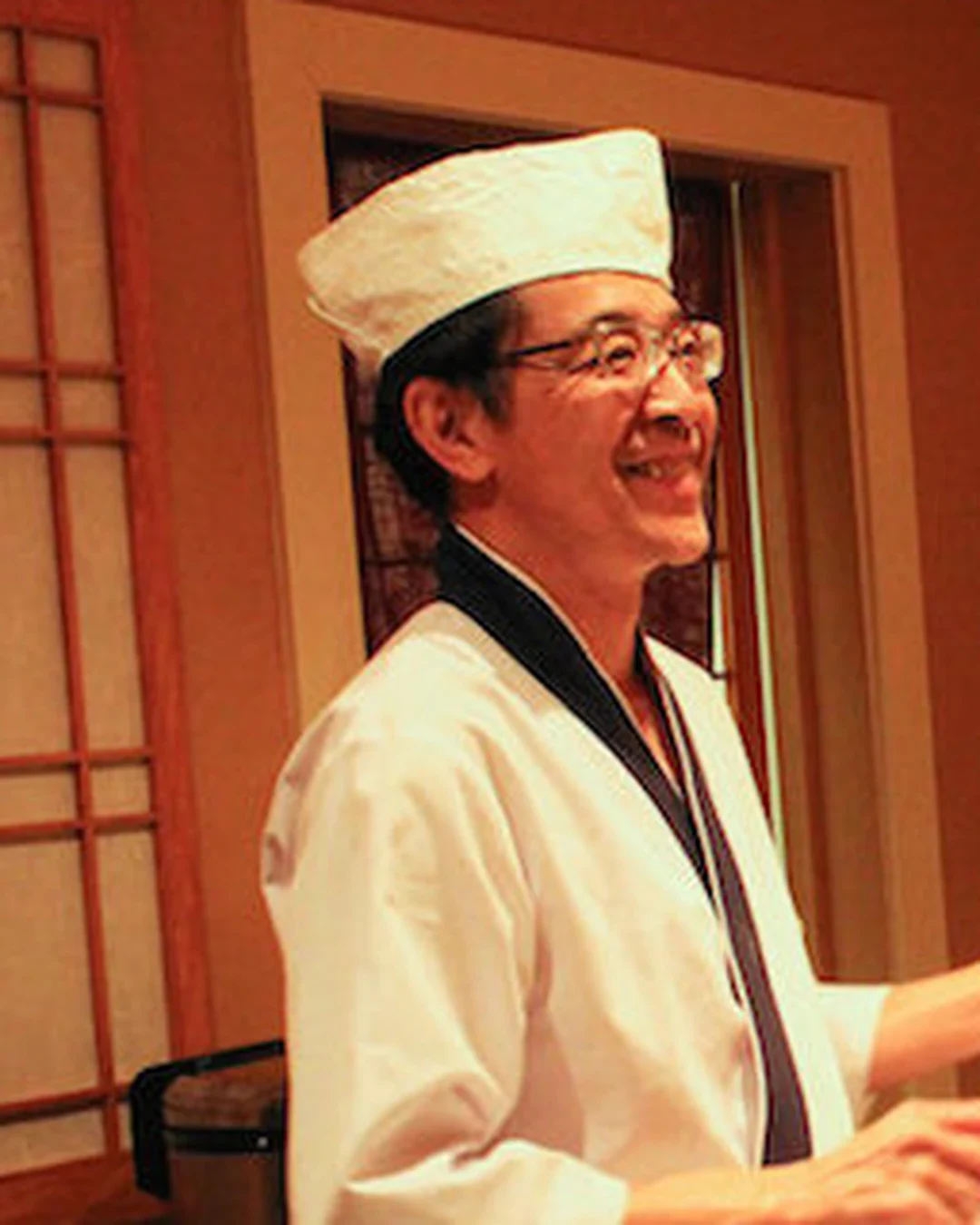
Portrait of Minoru Ogawa
i. Biography
The Honours
Recognition in sushi is earned through control rather than display: a piece of fish placed at the right moment, handled without excess, and supported by rice, seasoning, temperature, and pace. In Minoru Ogawa’s work, that discipline shows through a framework of careful selection, restrained handling, and sequencing built around the fish. Honour at the counter is a matter of structure. Each bite has to carry its place in the meal, and each ingredient needs enough space to register without garnish doing the work. Ogawa’s cooking treats the least showy decision as the most consequential one when it protects texture, clarity, and finish.
The Sunday letter
Read Made By's new profiles every Sunday.
Meet the chefs, winemakers and sommeliers behind the places we cover. See a sample below before you subscribe.
See a sample of the Sunday emailOne email a week. Unsubscribe from any issue.
The Craft
Sourcing for omakase depends on relationships as much as purchasing. Monthly travel to Japan supports the supplier network behind Minoru Ogawa’s seasonal, premium ingredients, giving the meal a changing center while keeping the format exacting. The work includes the conversations, trust, and recalibration required to bring exceptional seafood into a precise service. Restraint is the operating principle at Sushi Ogawa. Flavorings are held back so the fish remains the focus, and the meeting point between rice, fish, and seasoning is brief and deliberate. Composition serves the seafood rather than competing with it. Edomae practice in Philadelphia is expressed through fish sourced directly from Toyosu Market and centuries-old techniques. The craft emphasis stays on seafood condition, timing, and the precision required for a long-form tasting. Ogawa’s role is to assess the fish, choose the right treatment, and know when technique should recede so the ingredient can carry the piece. Minimalism at the counter can hide the chain of labor behind it. Across these settings, Ogawa’s sushi depends on sourcing, preparation, and sequencing that ask the diner to register cut, temperature, clean finish, and the way one piece sets up the next.
The Career
Sushi programs at East Coast locations of the Mandarin Oriental placed Minoru Ogawa’s work before demanding hospitality audiences across multiple properties. The role required consistency, control, and the ability to deliver sushi within high-level service systems. In 2013, Sushi Capitol in Washington, DC gave that work a focused public stage. Sushi Ogawa followed in 2016, allowing the omakase format to tighten around counter cadence and the direct exchange between chef and guest. Collaboration became part of the next chapter in 2019, when Ogawa teamed up with the partners behind Zeppelin in Washington, DC. By 2023, his detail-oriented approach was part of preparations for Kappo's D.C. Debut. The through-line is refinement: sourcing, restraint, and disciplined execution carried from one project to the next.
Signature
Homeyaki Ebi Tamago sits inside Minoru Ogawa’s signature language of balance. The dish reads as comforting and familiar while still depending on the measured handling that defines his omakase work.
FAQ What is Minoru Ogawa's current role? Minoru Ogawa is Master Chef at Ogawa Sushi & Kappo. What is Minoru Ogawa known for? Edomae (Edo-style) sushi.
Explore

The Sunday letter
Get the next Made By profile in your inbox.
We send one email every Sunday morning with the people we profiled that week.
See a sample of the Sunday emailOne email a week. Unsubscribe from any issue.