Chef
Sase Satoshi
- Discipline
- Chef
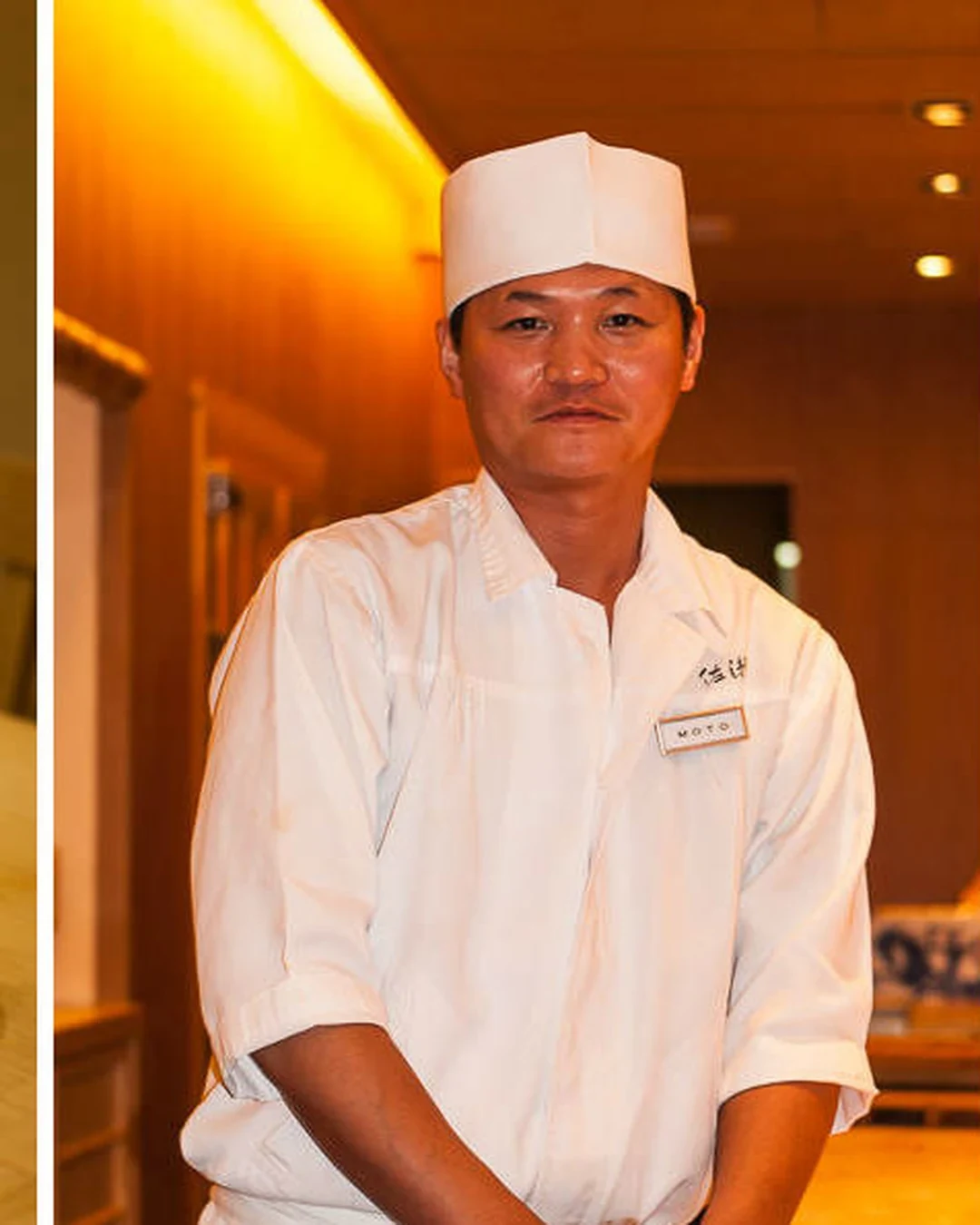
Portrait of Sase Satoshi
i. Biography
The Path
The early record shows a kitchen foundation built in Sapporo, Japan, where Sase Satoshi worked as chef at Sushi Zen. That role matters less as a biographical note than as the base layer of the craft: the place where discipline, repetition, and service set the terms for what came next. In 2018, the work moved to Central, Hong Kong, with Sase Satoshi stepping into the role of Executive Chef at Sushi Sase Hanare. The shift from chef to Executive Chef marks a clear change in responsibility, from executing within a kitchen to directing it. From there, the path continued in a measured line toward ownership and fuller authorship.
The Sunday letter
Read Made By's new profiles every Sunday.
Meet the chefs, winemakers and sommeliers behind the places we cover. See a sample below before you subscribe.
See a sample of the Sunday emailOne email a week. Unsubscribe from any issue.
The Work Today
At Sushi Sase in Central, Hong Kong, Sase Satoshi holds both founder and Executive Chef, a combination that keeps the restaurant’s direction and its daily operation under one roof. The work is defined by that overlap: the person shaping the place is also the one carrying the service, and the restaurant’s identity is built directly from that arrangement. What is notable in this stage is continuity. The foundation laid at Sushi Zen in Sapporo, Japan, and the step into executive leadership at Sushi Sase Hanare in Central, Hong Kong in 2018 both read into the current role at Sushi Sase. The result is a practice that has moved from apprenticeship in the kitchen to command of the kitchen without losing the discipline of either.
Career - Founder — Sushi Sase, Central, Hong Kong - Executive Chef — Sushi Sase, Hong Kong - Chef — Sushi Zen, Sapporo, Japan - Executive Chef — Sushi Sase Hanare, Central, Hong Kong (from 2018)
Acclaim
Sase Satoshi's honors include award-winning Executive Chef, a recognition that fits a record built through progression in role and responsibility, and through the establishment of Sushi Sase in Central, Hong Kong.
FAQ What is Sase Satoshi's current role? Sase Satoshi is Executive Chef. Where did Sase Satoshi work before? Sase Satoshi's earlier career included Sushi Zen and Sushi Sase Hanare. What recognition has Sase Satoshi received? Award-winning Executive Chef.
Explore



The Sunday letter
Get the next Made By profile in your inbox.
We send one email every Sunday morning with the people we profiled that week.
See a sample of the Sunday emailOne email a week. Unsubscribe from any issue.