Chef
Seiji Yamamoto
Owner-Chef, Nihonryori RyuGin
- Discipline
- Chef
- Venue
- RyuGin · Restaurant
Made By record
Awards & recognition
2 total
1 winner


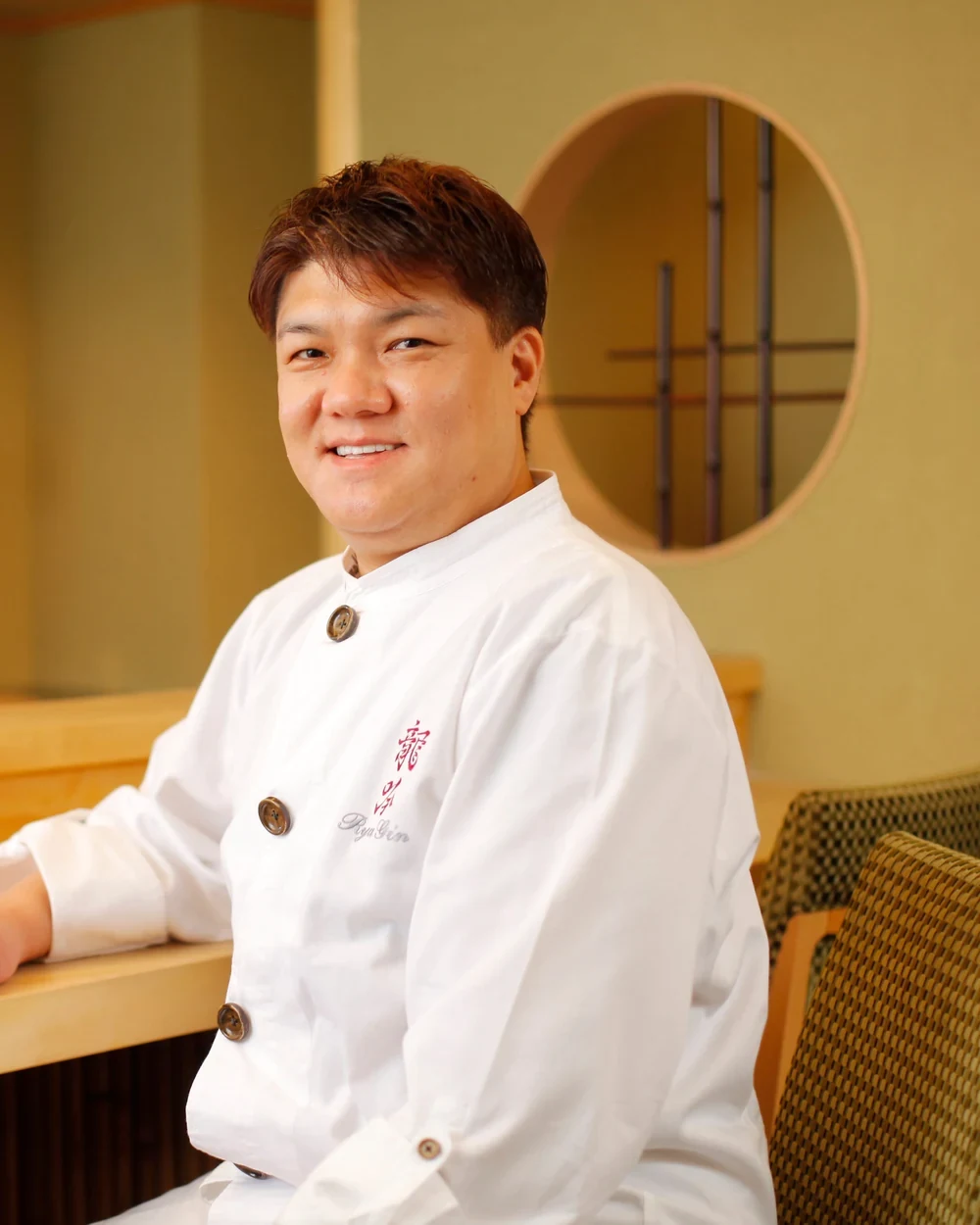
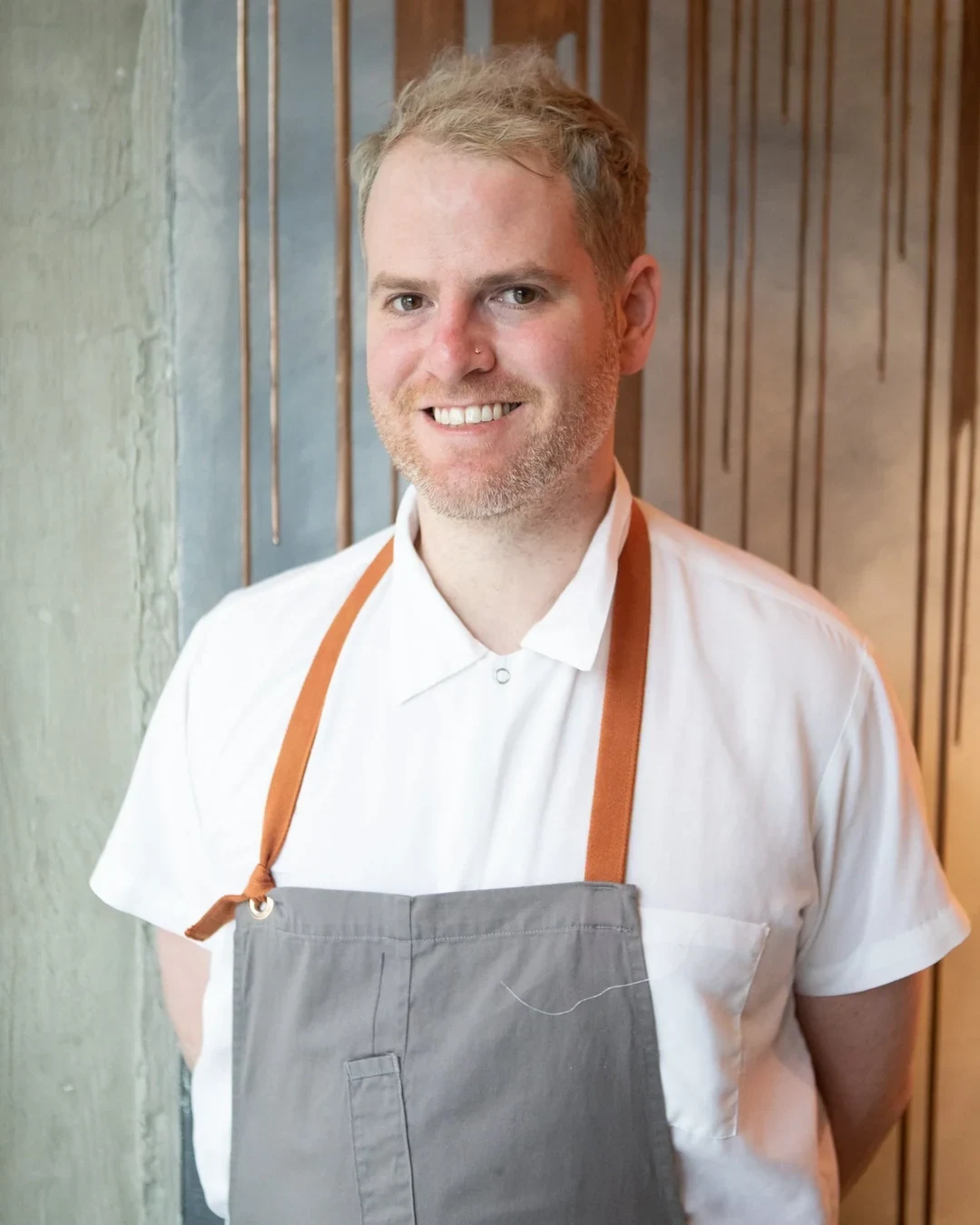
Portrait of Seiji Yamamoto
i. Biography
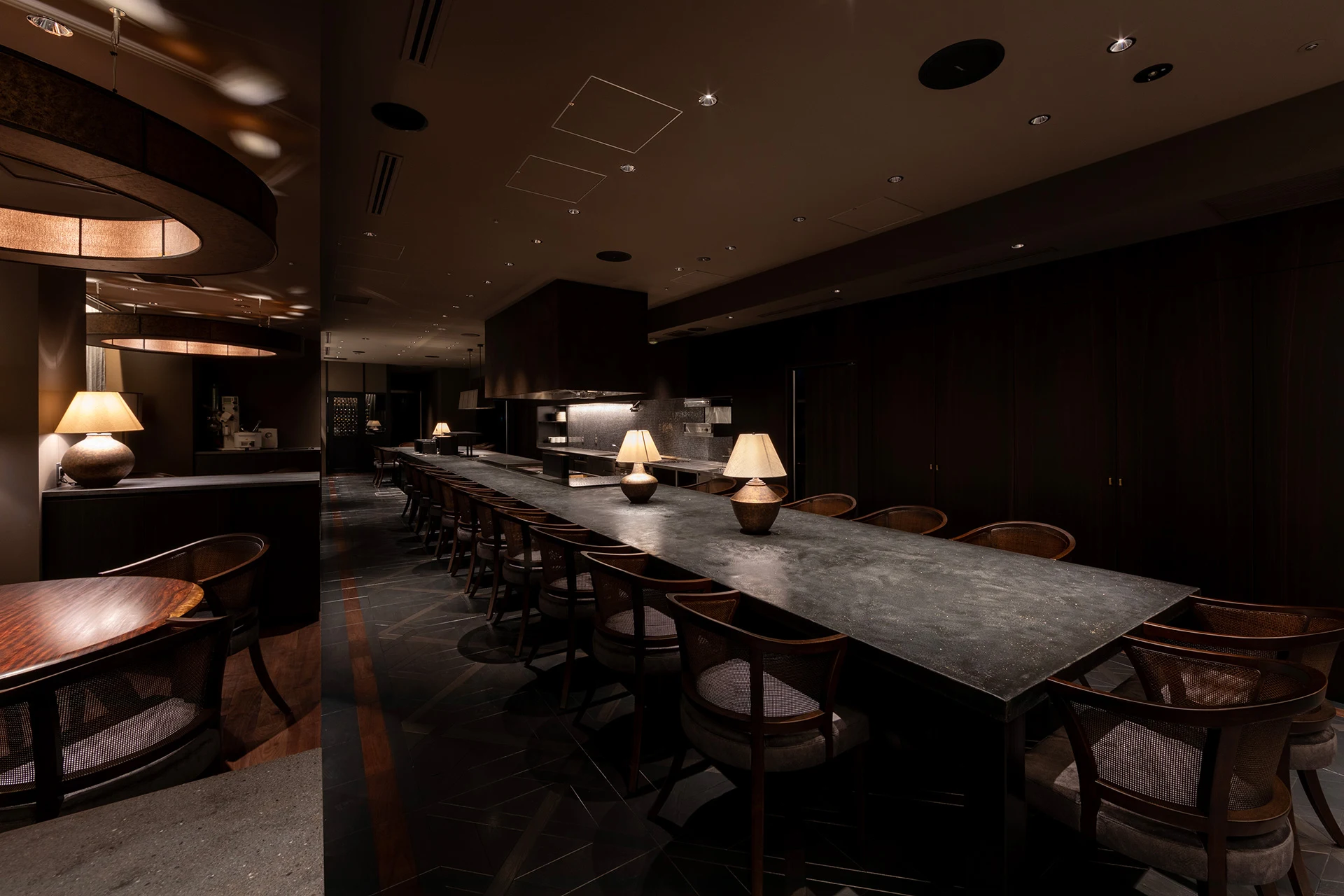
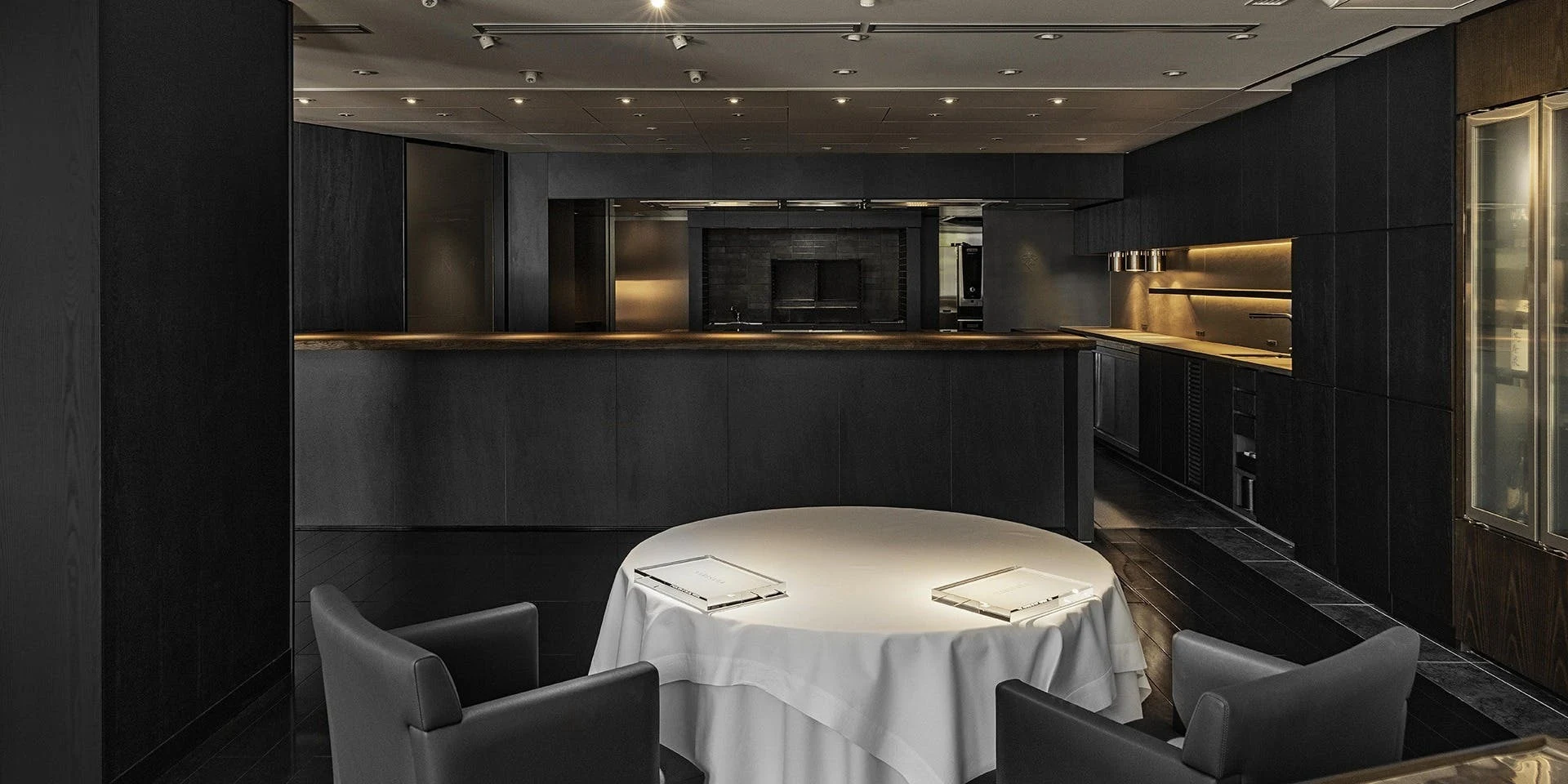
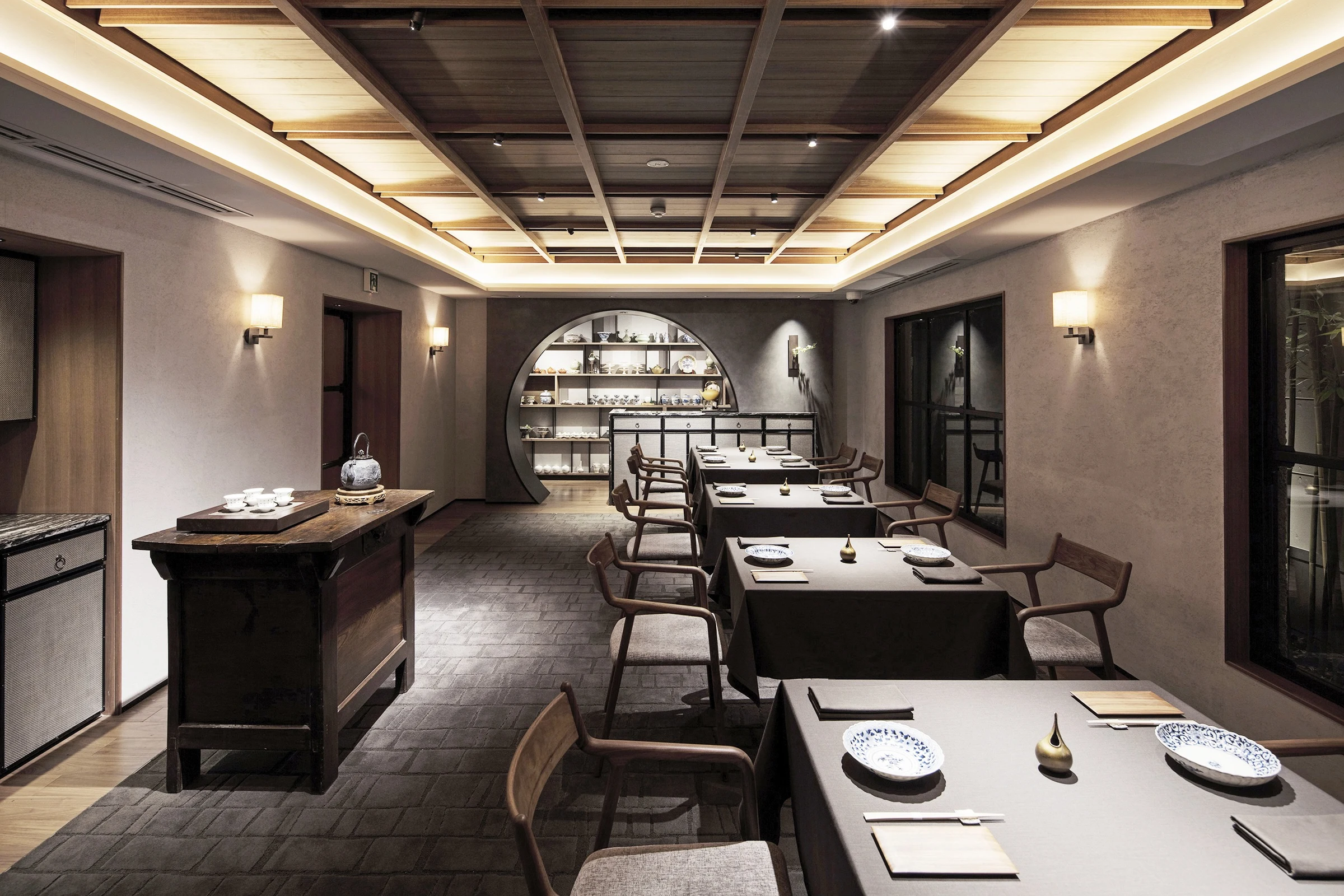
Seiji Yamamoto is representative director and owner chef of Nihonryori RyuGin in Tokyo, where he has served as owner-chef since 2003. Born in Kagawa Prefecture, he works in kaiseki as Seasonal Japanese Cuisine, a practice shaped by timing, cut, temperature, aroma, texture, and the order of courses. His approach treats the season as structure rather than garnish, with ingredients studied for what they can carry at a specific point in the year and then handled so that point becomes legible in the dish. His grounding came through early work under Hirohisa Koyama at Aoyagi, where he learned finesse, clarity, and the patience required to let an ingredient register without excess. That foundation remained central to his later style, which combines close observation and exacting technique with traditional kaiseki practice. At RyuGin, he has used the restaurant as the main site for a cuisine rooted in Japanese tradition while asking how technique can sharpen, rather than obscure, the ingredient and the season. Yamamoto’s work is defined by an ingredient-led method. Seasonal ingredients and tasting menus form the basis of the kitchen, and native ingredients are shaped into refined courses that present Japan’s natural beauty through control of temperature, timing, cut, aroma, and texture. He has described the chef’s role as one of honest and distinct expression of what nature has fostered, and his practice joins perfectionist method, respect for ingredients, delicate artistry, and close attention to detail. In this framing, technique is not separate from the ingredient but the means by which the ingredient is made clearer. His kitchen also incorporates modern cooking techniques through creative execution, integrates avant-garde methods into classic kaiseki cookery, and uses precise, sometimes scientific techniques to improve flavor and texture. Knife techniques are treated as flavor work, with centuries-old technique joined to modern scientific thinking. Daily contact with ingredients remains central to the process, and Yamamoto has emphasized that cooking is defined by facing ingredients every day in order to determine and understand them. Innovation, in his work, is not a break from kaiseki but a closer return to the ingredient, the season, and what a course can reveal when handled with enough precision. He also extended RyuGin beyond Japan as operator of an overseas branch at Tenku RyuGin in International Commerce Centre, Hong Kong, from 2012 to 2020, and as operator of an overseas branch at Shoun RyuGin in Taipei, Taiwan, from 2014 to 2022. These roles tested whether a restaurant identity built on seasonality from Japan could hold outside the country while remaining tied to seasonal imagination, disciplined craft, and precise handling of ingredients. Progressive kaiseki cookery remains the through-line of his career, with seasonal Japanese ingredients, Modern Kaiseki, and a perfectionist approach applied with restraint. He is associated with a grilled Spanish mackerel dish and an assorted sashimi plate. Recognition for his work includes World's 50 Best Restaurants placement at 31st in 2016, Fifth best chef in the world in 2016, Fifth in Asia's Best Restaurants, Three Michelin stars for Nihonryori RyuGin, Two Michelin stars for overseas branches, and Global 100: 100 Most Powerful People in Global Hospitality in 2022.
The Sunday letter
Read Made By's new profiles every Sunday.
Meet the chefs, winemakers and sommeliers behind the places we cover. See a sample below before you subscribe.
See a sample of the Sunday emailOne email a week. Unsubscribe from any issue.
The Sunday letter
Get the next Made By profile in your inbox.
We send one email every Sunday morning with the people we profiled that week.
See a sample of the Sunday emailOne email a week. Unsubscribe from any issue.