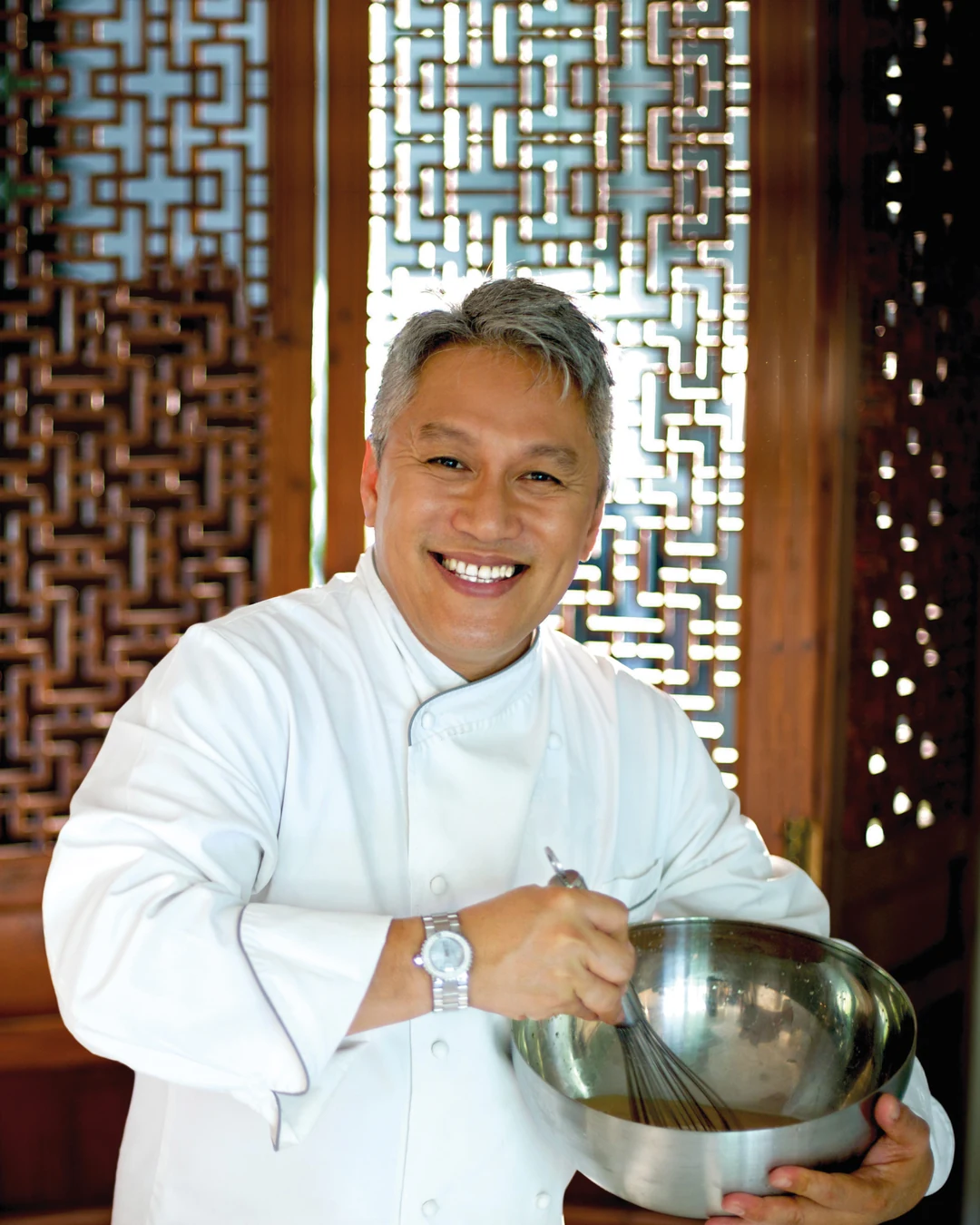
i. Biography
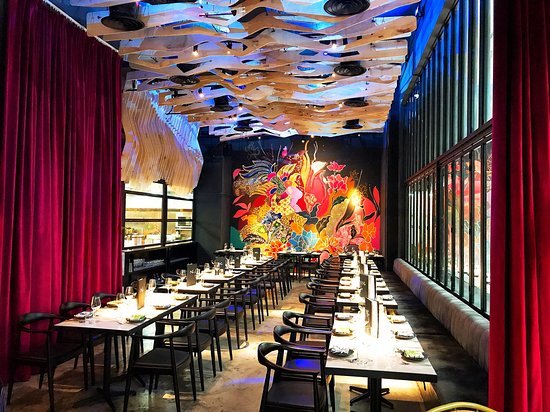
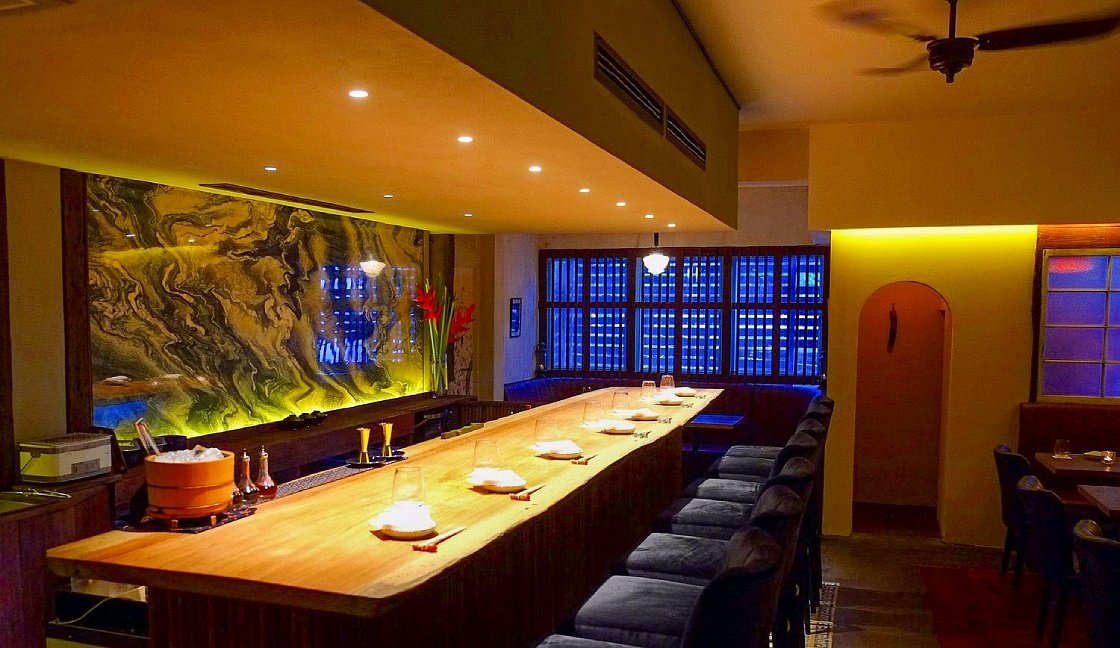
Celebrity chef since 1990, Wan is the chef associated with Malaysian cuisine at De. Wan 1958 (Taman U Thant) in Kuala Lumpur, Malaysia. The title rests on work that moves between television, restaurants, enterprise, and the table: cheerful Malaysian cooking, big tropical flavours, sharing portions, and dishes specific enough for the Michelin Guide to single out.
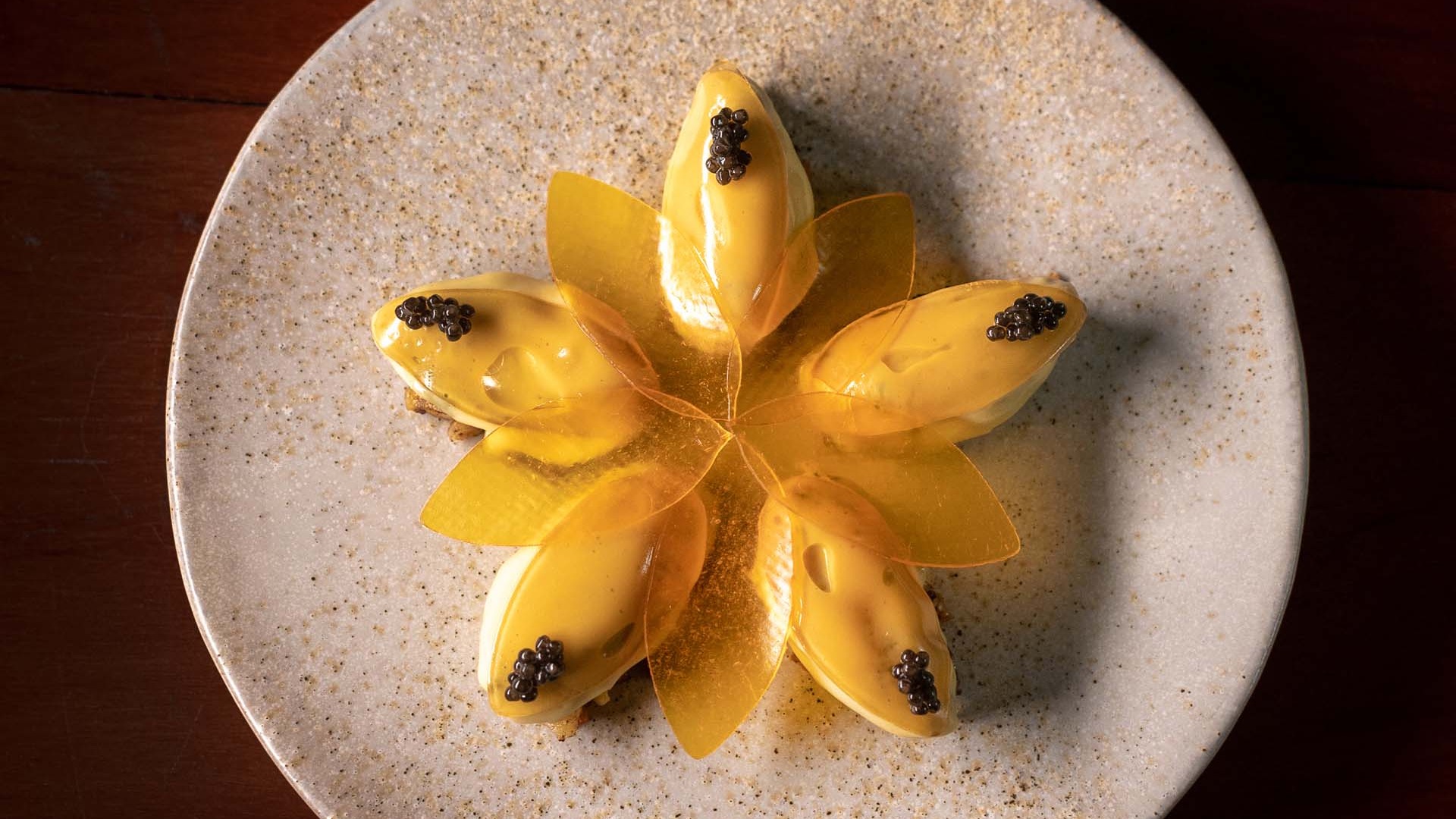
The Recognition Since 1990, Wan has held four public roles at once: celebrity chef, television host, restaurateur, and entrepreneur. That long public span gives the title its weight, placing food performance, hospitality, and business under one name without separating the screen from the dining room. Born on 6 January 1958 in the Colony of Singapore, he is Malaysian by nationality. The biography begins with one place of birth and continues through a Malaysian culinary identity expressed most directly at the Taman U Thant restaurant, where the specialty is Malaysian cuisine. Michelin Guide attention lands on specific dishes rather than general praise. The Guide recommends the pomelo salad with crispy prawn cheeks in kerabu lime dressing and a hint of fish sauce as an appetizer, a dish that states the restaurant’s flavour language clearly: fruit, crunch, acid, salinity, and heat held in balance.
The Work
Behind It The food at the Kuala Lumpur restaurant is described through cheerful Malaysian cooking with big tropical flavours and sharing-sized portions. Kerabu lime dressing, fish sauce, BBQ meat or seafood, and the chef’s sauces are not background details; they are the working vocabulary of the kitchen. Another named recommendation is bakar bakar, a main course built around BBQ meat or seafood served with a choice of the chef’s sauces. It reads as a dish made for the center of the table, where sauce selection and grilled protein turn a meal into a shared decision. That appetite for range also appears at Cafe Chef Wan, which serves authentic international fare inspired by Chef Wan’s travels around the world. The restaurant concept connects travel to menu-making, using exposure to different food cultures as part of the culinary method rather than as decoration. His own explanation is direct: "My journey thus far has created a strong urge in me to share these experiences with everyone around me." The sentence matches the work: television host, restaurateur, entrepreneur, and chef are treated as different channels for the same act of sharing.
The Road Extensive travel and tasting food from different cultures and communities shape Wan’s culinary outlook. That origin point explains why Malaysian cooking at his Kuala Lumpur table can sit beside international fare at Cafe Chef Wan without losing its center. The years also count. A career running from 1990 to present as a celebrity chef gives him a public identity built over decades, while the parallel roles of television host, restaurateur, and entrepreneur show how that identity has moved across formats. At De. Wan 1958 (Taman U Thant), the clearest expression remains on the plate: Malaysian cuisine served with tropical brightness, kerabu acidity, fish-sauce depth, BBQ smoke, and sauces carrying the chef’s name. The recognition follows the work because the work is concrete.
Profile updated July 2026
FAQ
Asked of Wan
What awards has Wan received?
No named award has been identified for Wan; his notable accolade is the celebrity-chef title held from 1990 to present.
What is Wan's most notable recognition?
Wan’s most notable recognition is his status as a celebrity chef, a public role he has held from 1990 to present.
What is Wan known for?
Wan is known for Malaysian cuisine at De. Wan 1958 (Taman U Thant) in Kuala Lumpur, including pomelo salad with crispy prawn cheeks and bakar bakar.