Made ByRestaurant
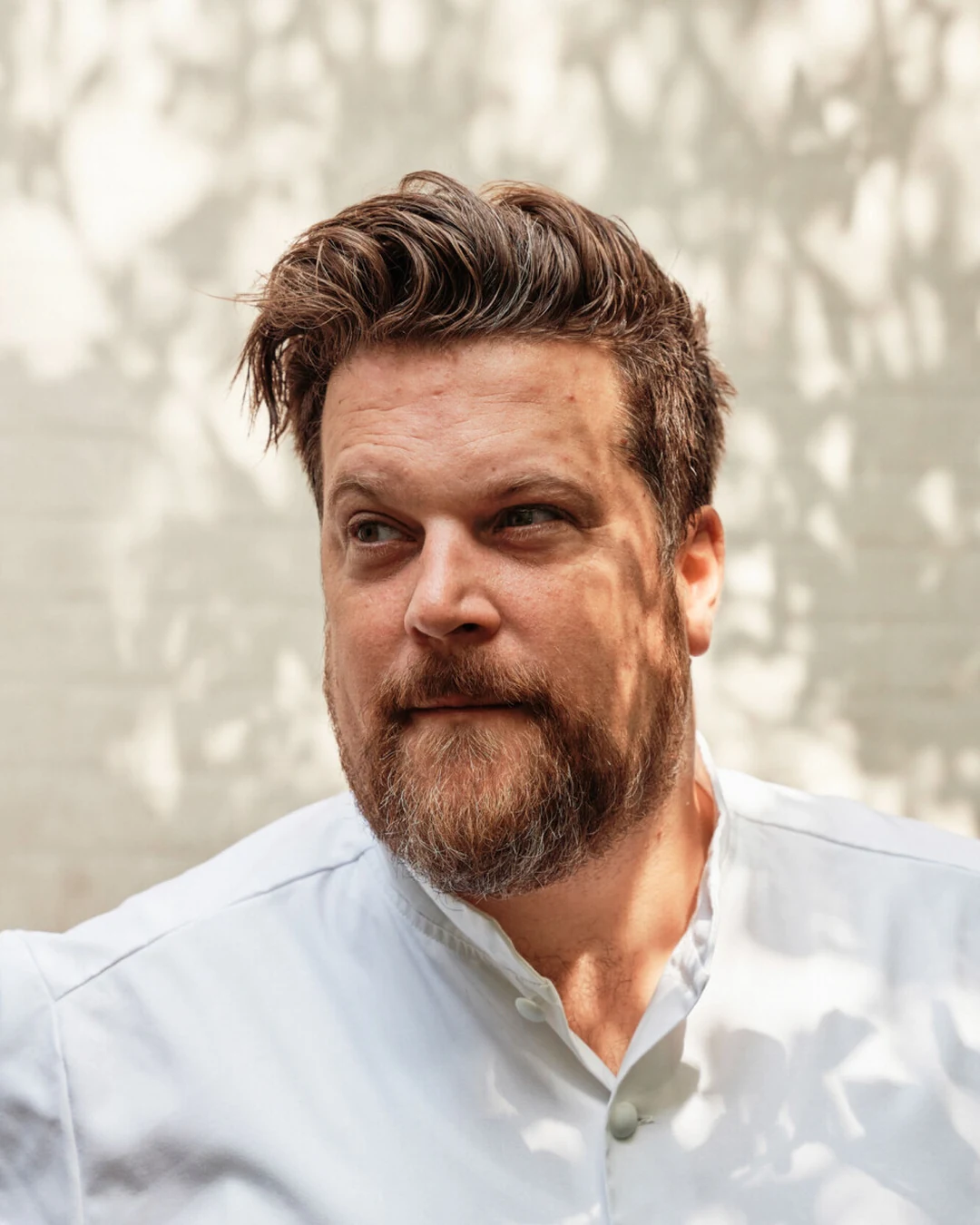
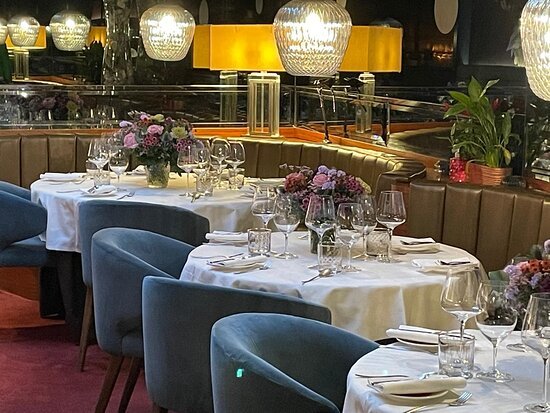
À terre brings a French classical sensibility to Copenhagen's predominantly New Nordic dining scene, earning a Michelin Plate and consistent recognition from Opinionated About Dining since 2022. Chef Yves Le Lay's kitchen operates Wednesday through Saturday in the inner city neighbourhood of Frederiksstaden, offering an evening-focused format that sits at the €€€ tier, several steps below the city's headline Michelin tables in price, and several degrees apart in culinary tradition.
At a glance
- Cuisine
- Modern French Fine Dining
- Price
- $$$
- Per person
- $200
- Hours
- Mon: Closed; Tue: Closed; Wed: 5–10 PM; Thu: 5–10 PM; Fri: 5–10 PM; Sat: 5–10 PM; Sun: Closed
- Neighborhood
- Indre By
- Rating
- 4.8 (140)
<h2>French Classicism in a City That Rewrote the Rulebook</h2><p>Tordenskjoldsgade runs through Frederiksstaden, one of Copenhagen's more composed neighbourhoods, 18th-century facades, cobbled approaches, and a residential calm that separates it from the tourist density of Nyhavn a few hundred metres away. À terre is a restaurant in Copenhagen, Denmark, serving Modern French Fine Dining. Walking toward à terre in this context, the contrast with Copenhagen's prevailing dining identity arrives before you open the door. The city built its modern reputation on <a href="https://www.enprimeurclub.com/restaurants/noma-copenhagen-restaurant">Noma</a>-era foraging, wild fermentation, and the kind of hyper-local provenance signalling that now defines tables from <a href="https://www.enprimeurclub.com/restaurants/geranium-copenhagen-restaurant">Geranium</a> to <a href="https://www.enprimeurclub.com/restaurants/kadeau-copenhagen-restaurant">Kadeau</a>. À terre speaks a different language: the structured vocabulary of French classical cooking, placed inside a Scandinavian city that has spent twenty years deliberately moving away from it.</p><p>That positioning is not nostalgic. It is, in a city where every serious table anchors itself to Nordic identity, a deliberate counter-argument, and a useful one for diners who want to understand the range of serious cooking Copenhagen actually holds.</p><h2>The Terroir Argument in a French Frame</h2><p>French classical cuisine has always been a terroir-driven tradition, even when it looks anything but. The brigade system, the sauce work, the specific regional preparations that anchor the French canon, all of it connects back to specific landscapes, seasonal harvests, and the idea that technique exists to clarify ingredient character rather than obscure it. Chef Yves Le Lay operates within that lineage, and in Copenhagen that means working at an intersection between French source tradition and a local supply environment shaped by Scandinavian seasons and producers.</p><p>That intersection is worth dwelling on. France's regional produce identities, Brittany's coastline, Burgundy's terroir, the Loire's market gardens, informed how classical technique developed over centuries. Transplanting that framework to Denmark introduces new variables: shorter growing seasons, different coastal produce, a seafood repertoire that leans toward North Sea species rather than Atlantic or Mediterranean ones. The kitchen at à terre sits at that translation point, applying French structural logic to an ingredient context that does not map neatly onto any single French region. For diners attuned to provenance, that gap is where the interest lies.</p><p>This places à terre in a distinct niche relative to Copenhagen's broader dining scene. The city's headline tables, <a href="https://www.enprimeurclub.com/restaurants/alchemist-copenhagen-restaurant">Alchemist</a>, <a href="https://www.enprimeurclub.com/restaurants/koan-copenhagen-restaurant">Koan</a>, and the New Nordic institutions, use local provenance as an identity marker that runs through every visible element of the experience. À terre's provenance argument is more structural, embedded in the relationship between French cooking's terroir logic and the specific Danish producers whose ingredients pass through a classically trained kitchen.</p><h2>Awards and Positioning</h2><p>The restaurant has held a Michelin Plate in both the 2024 and 2025 editions of the guide. Opinionated About Dining, a critic-weighted survey that tracks classical European cooking with particular rigour, included à terre in its Classical in Europe ranking at position 300 in 2024, having listed it as Recommended in 2023. Star Wine List published the restaurant in January 2022, an early signal that the wine program was considered worth attention at the level of serious list curation.</p><p>Taken together, these recognitions describe a restaurant operating with professional consistency across kitchen, floor, and cellar, which, at the €€€ price tier, represents a different value calculation than Copenhagen's multi-starred tables. <a href="https://www.enprimeurclub.com/restaurants/geranium-copenhagen-restaurant">Geranium</a> and the city's €€€€ tier carry full tasting menu pricing that can reach four to five times à terre's spend level. The OAD Classical ranking also places it in a comparative set that crosses borders: the same survey tracks French classical cooking across the continent, giving à terre a reference frame that extends well beyond Copenhagen to include serious classical tables in Paris, Lyon, and beyond. For context, the classical French tradition at its most technically demanding produces restaurants like <a href="https://www.enprimeurclub.com/restaurants/le-bernardin">Le Bernardin in New York City</a>, where precision seafood cookery and French technique operate at the highest tier, à terre sits in a different bracket but draws from the same culinary lineage.</p><h2>Format and Timing</h2><p>The restaurant operates a focused schedule: Wednesday through Friday evenings from 5 to 10 pm, Saturday 5 to 10 pm. It is closed Sunday, Monday, and Tuesday.</p><p>Saturday lunch is worth flagging specifically. Daytime service at a French classical restaurant in a Nordic city is a comparatively rare format, most of the city's serious tables, including the four-star operators at <a href="https://www.enprimeurclub.com/restaurants/geranium-copenhagen-restaurant">Geranium</a>, run evening-only or limited daytime programmes tied to specific seasonal events. À terre's Saturday noon sitting offers a different pacing and natural light context for the same kitchen, which is a meaningful distinction for visitors building a multi-day Copenhagen dining itinerary alongside the city's New Nordic tables.</p><p>The address at Tordenskjoldsgade 11 puts the restaurant within walking distance of the harbour and Kongens Nytorv.</p><h2>Copenhagen's Classical Counter-Current</h2><p>Understanding à terre requires a quick map of what it is not. The city's most internationally discussed tables, <a href="https://www.enprimeurclub.com/restaurants/noma-copenhagen-restaurant">Noma</a>, <a href="https://www.enprimeurclub.com/restaurants/alchemist-copenhagen-restaurant">Alchemist</a>, <a href="https://www.enprimeurclub.com/restaurants/koan-copenhagen-restaurant">Koan</a>, operate in a register that treats French classical cooking as historical background rather than active vocabulary. That is not a criticism of those tables; it reflects two decades of genuine culinary innovation. But it does mean that a visitor seeking technically rigorous French cooking in Copenhagen has a short list, and à terre is on it.</p><p> Jordnær in Gentofte operates at a higher starred tier north of the city, while regional tables like Frederikshøj in Aarhus, <a href="https://www.enprimeurclub.com/restaurants/henne-kirkeby-kro-henne-restaurant">Henne Kirkeby Kro in Henne</a>, <a href="https://www.enprimeurclub.com/restaurants/alimentum-aalborg-restaurant">Alimentum in Aalborg</a>, <a href="https://www.enprimeurclub.com/restaurants/aro-odense-restaurant">ARO in Odense</a>, and Domæne in Herning demonstrate how Danish fine dining has distributed geographically. The classical French direction that à terre follows is, across that national map, the minority position, which adds specificity to its Copenhagen placement. Meanwhile internationally, the creative-meets-classical tension playing out in Copenhagen echoes experiments at places like <a href="https://www.enprimeurclub.com/restaurants/atomix">Atomix in New York City</a>, where technical precision and cultural framing operate in deliberate tension. And for those wanting to explore the Copenhagen wineries guide, the city's natural wine scene adds another dimension to how à terre's cellar sits within a wider drinks culture.</p><p>A 4.8 Google rating across 140 reviews indicates a consistent guest experience rather than a divisive one. The practical conclusion: à terre offers French classical cooking applied to Nordic ingredients, at a price point significantly below the city's starred tier, in a quiet neighbourhood setting that rewards considered booking over walk-in ambition.</p>
Know before you go
- Dress code
- smart_casual
- Reservations
- essential
- Payment
- credit_card
Frequently asked
Would à terre be comfortable with kids?
À terre's €€€ pricing, Michelin Plate recognition, and French classical format make it a better fit for adult-focused dinners than family meals with young children. The Wednesday-to-Saturday schedule and evening-led service further point toward a considered, unhurried pace that suits couples or small groups rather than families. That said, Copenhagen's dining culture is generally less rigid than Paris, so well-behaved older children would likely be accommodated without issue.
Is à terre formal or casual?
The French classical tradition at à terre implies a degree of care at the table, but Copenhagen broadly rejects the stiff formality of comparable restaurants in Paris or Lyon. At the €€€ price point with a Michelin Plate, expect a polished room and attentive service rather than white-glove ritual. Neat, considered dress reads correctly here — the cooking is serious, but the city's standards don't demand a jacket.
What distinctions does à terre have?
à terre has received recognition including: À terre is a restaurant in Copenhagen, Denmark. It was published on Star Wine List on January 4, 2022 and is a White Star.; Michelin Plate (2025); Opinionated About Dining Classical in Europe Ranked #300 (2024); Michelin Plate (2024); Opini….
What do regulars order at à terre?
Chef Yves Le Lay works in the French classical tradition, and à terre's consistent presence on the Opinionated About Dining Classical in Europe list since 2023 suggests the kitchen anchors itself in technique-driven cooking: sauces, careful sourcing, and structured courses rather than Nordic-inflected improvisation. Specific menu details are not published, so the most reliable approach is to trust the prix-fixe or chef's selection, which in this format typically reflects the kitchen's current strengths.
What does dinner at à terre typically cost?
Pricing at à terre is listed as €€€.
What are the operating hours at à terre?
Hours at à terre: Hours: Monday Closed Tuesday Closed Wednesday 5–10 pm Thursday 5–10 pm Friday 5–10 pm Saturday 12–2 pm, 5–10 pm Sunday Closed.
Address
Tordenskjoldsgade 11, 1055 København, Denmark
Indre By
How it compares
à terre
- Cuisine
- Modern French Fine Dining
- Price
- $$$
- Awards
- Michelin Plate
- Notes
- Indre By
- Cuisine
- Authentic French Bistro
- Price
- $$$
- Awards
- Michelin Bib Gourmand
- Notes
- Indre By
- Cuisine
- Classic French Bistro
- Price
- $$$
- Awards
- 7 recognitions
- Notes
- Indre By
- Cuisine
- Danish-French Bistro
- Price
- $$$
- Awards
- Michelin Plate
- Notes
- Indre By
- Cuisine
- Contemporary European Bistronomy
- Price
- $$$
- Awards
- Michelin Plate
- Notes
- Indre By
- Cuisine
- Modern Nordic Bistro
- Price
- $$$
- Awards
- Michelin Bib Gourmand
- Notes
- Østerbro
In residence
Similar places
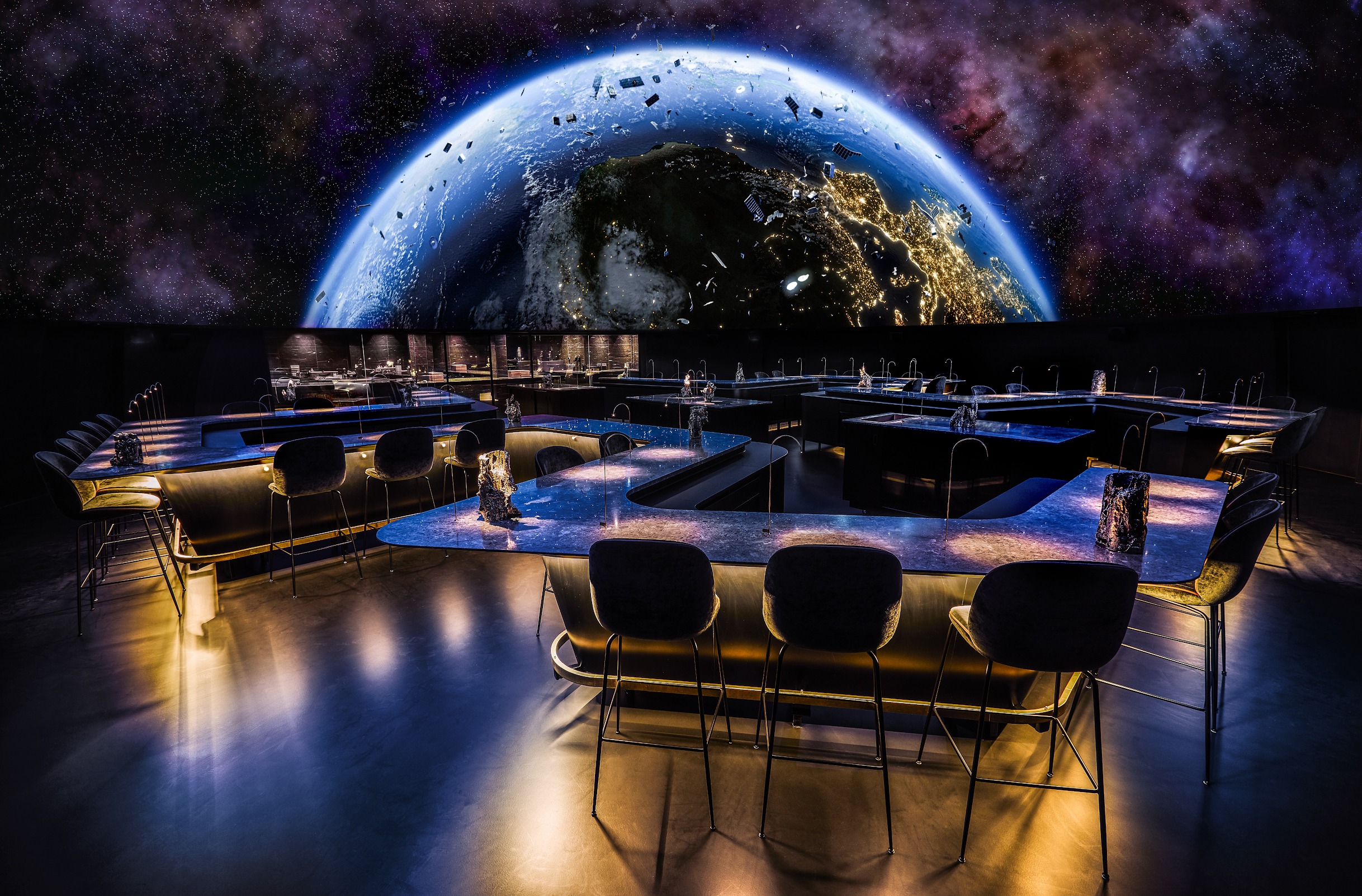
Avant-Garde Molecular Gastronomy with Social Commentary
Alchemist
Copenhagen, Denmark
★★ · 50 Best
Modern New Nordic Pescatarian
Geranium
Copenhagen, Denmark
★★★ · 50 Best
New Nordic Fine Dining
Noma
Copenhagen, Denmark
★★★ · 50 Best

New Nordic Cuisine
Kadeau
Copenhagen, Denmark
★★★ · 50 Best
Classic French Fine Dining
Kong Hans Kaelder
Copenhagen, Denmark
★★
Modern French Fine Dining
Søllerød Kro
Copenhagen, Denmark
★