180° by Matthias Diether
In Residence
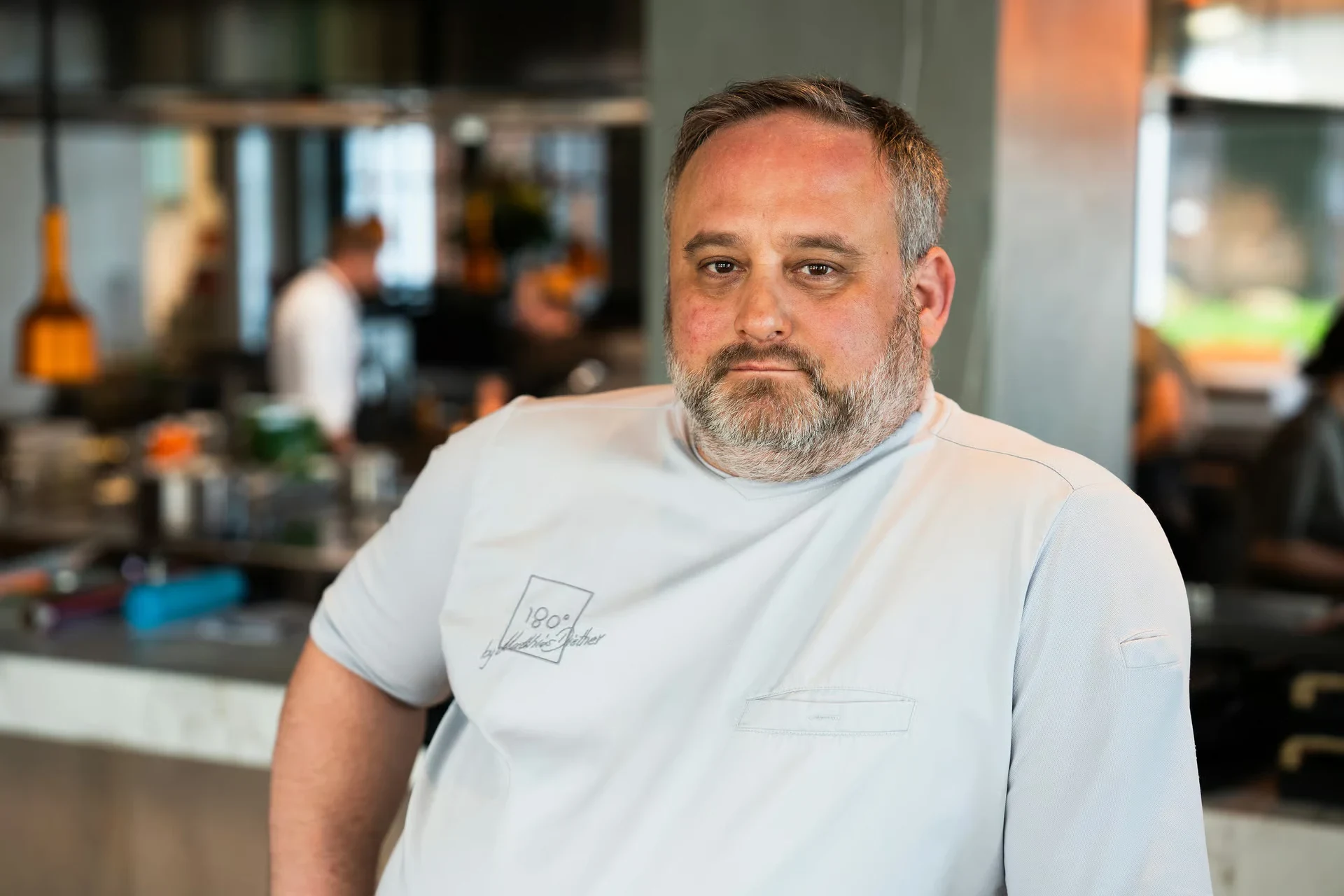
Mathias Dieter
Chef
- 01CuisineModern Creative Fine Dining
- 02CityTallinn, Estonia
- 03RecognitionTwo Michelin Stars
- 2 Michelin Stars · Michelin Guide
- White Guide Baltic Restaurants - Global Masters Level · 2026
- Michelin 2 Stars · 2026
- La Liste Top Restaurants: 87pts · 2026
- Star Wine List · 2026
- Falstaff Restaurant - 98 Falstaff Points · 2026
- The Best Chef One Knife · 2025
- La Liste Top Restaurants: 90pts · 2025
- World Culinary Awards Estonia's Best Restaurant 2025 #1
- Michelin 2 Stars · 2025
- Michelin 2 Stars · 2024
A Shipyard Recast
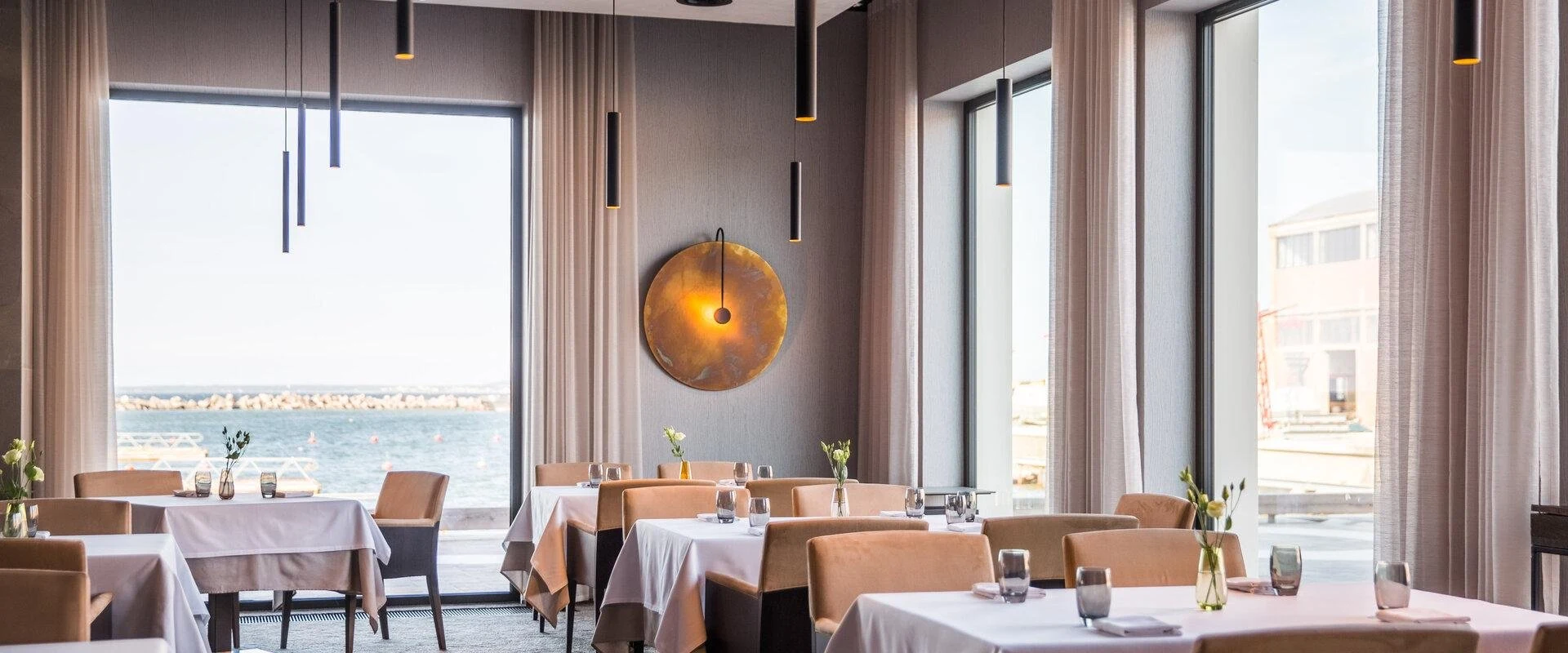
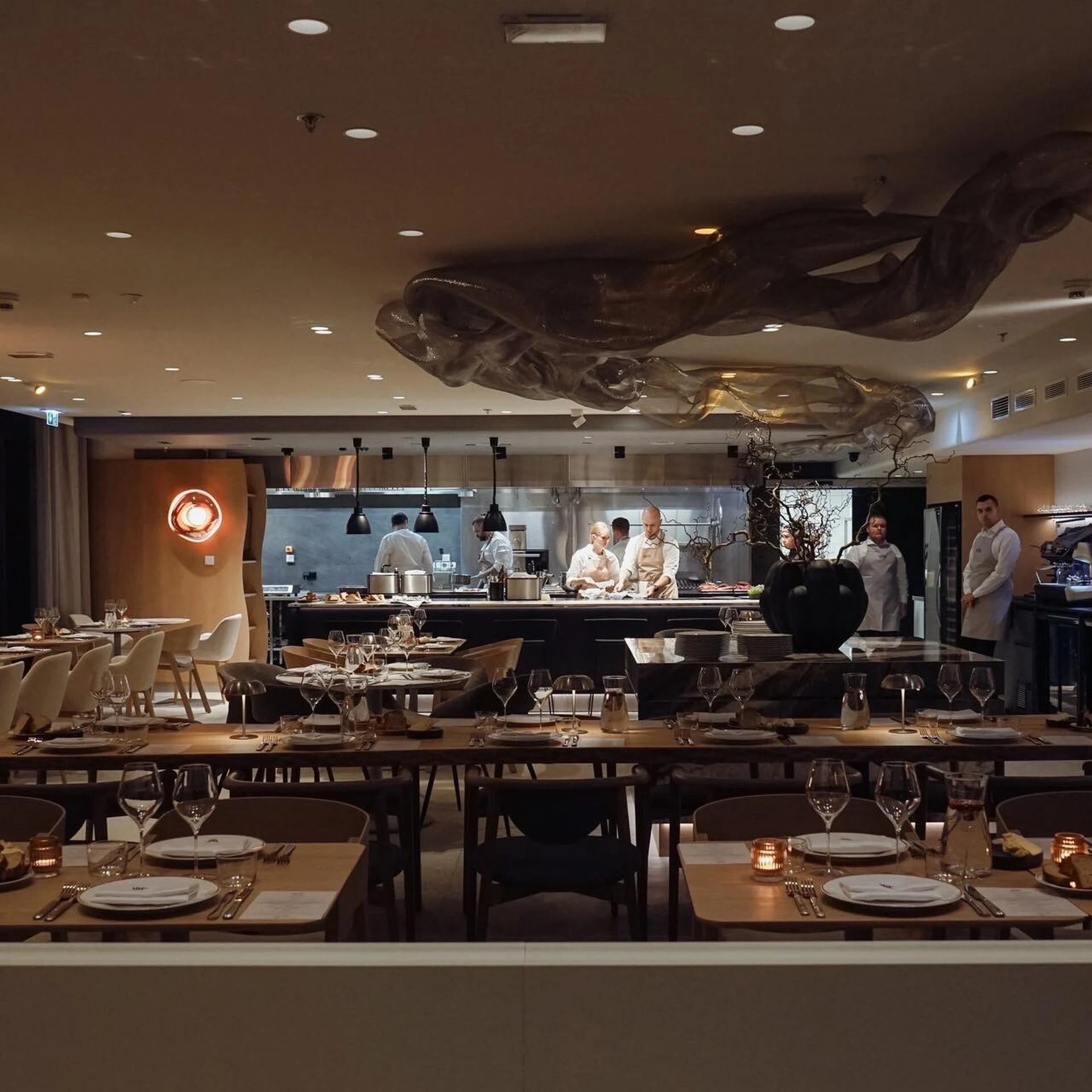
Port Noblessner was built to construct submarines. The industrial bones of the complex, with its raw concrete and waterfront geometry, still read that way when you arrive at Staapli tn 4 on Tallinn's northwestern shore. That context matters for understanding what 180° by Matthias Diether is doing architecturally and editorially. The restaurant does not soften the setting with decorative distraction. The physical environment sets a tone before any plate arrives: this is a kitchen operating at a register that matches the scale and seriousness of the space around it.
Tallinn's fine-dining scene has matured considerably over the past decade, moving from a handful of hotel restaurants and Old Town institutions toward a more spread-out and confident set of addresses. NOA Chef's Hall, holding one Michelin star, and Bocca, one of the city's longer-standing Estonian cuisine references, represent different points on that spectrum. 180° sits at the apex of the Michelin-verified tier, with two Michelin stars, placing it in a comparable set that is small even at the European scale.
The Sunday letter
Find new places through the people who run them.
Our Sunday email brings you the chefs, winemakers and hoteliers behind our newest stories. See a sample before you subscribe.
See a sample of the Sunday emailOne email a week. Unsubscribe from any issue.
Where Estonian Fusion Operates at This Level
The category label of Estonian fusion carries less definition than, say, New Nordic, but in practice it describes a kitchen philosophy common to particularly serious Baltic restaurants: native ingredients, classical European technique, and a willingness to let local produce set the seasonal agenda rather than defer to imported luxury goods. What distinguishes execution at the two-star level is precision and restraint, the ability to apply that philosophy without the dish becoming a local-colour exercise.
but the two consecutive Michelin stars and placement on La Liste's global ranking (90 points in 2025, 87 points in 2026) are credentialing signals with real weight. La Liste aggregates reviews from hundreds of publications and guides globally; a score in the high-80s to low-90s places a restaurant in the bracket just below the world's most decorated addresses. That is a meaningful position for a city of Tallinn's size, and it reflects a kitchen operating with sustained consistency rather than a single strong year.
What the sustained two-star Michelin status does confirm is that the kitchen's technical standard has held across inspector visits spanning multiple years.
The depth of fine dining in those cities is growing, but the Michelin two-star designation remains an outlier at the Baltic scale. 180° is not competing against a deep local field; it is competing against a pan-European standard, which is precisely how Michelin's inspectors assess it.
The Creative Cohort in Tallinn
Tallinn now has enough addresses operating at a serious creative level to constitute a scene rather than isolated incidents. 38, Art Priori, and Barbarea all work modern cuisine formats at the mid-to-upper price tiers. That context matters because it means a visitor building a Tallinn dining itinerary has genuine choices rather than a single obvious answer. 180° is especially decorated of that cohort by award credentials, but the broader scene supports a multi-night visit without repetition.
The €€€€ price tier puts 180° by Matthias Diether at the summit of the local market. In practical terms, this aligns it with the experience economics of two-star dining in Western European cities: a tasting menu format, extended service, and a wine program priced accordingly. Visitors who have dined at two-star level in cities like Copenhagen, Amsterdam, or Vienna will find the pricing structure familiar, though Tallinn's overall cost-of-travel tends to run lower than those capitals, which affects the relative value calculation for the full trip.
Estonia Beyond the Capital
The Estonian fine-dining conversation is not limited to Tallinn, and placing 180° within the national picture adds context. Alexander in Pädaste on Muhu Island has long held a reference position for Estonian produce-led cooking in a remote setting. Hõlm in Tartu, Fellin in Viljandi, and Hiis in Manniva each represent the country's growing regional dining ambition. Kolm Sõsarat in Lüllemäe and Lahepere Villa in Kloogaranna extend that map further. What connects these addresses is a shared orientation toward Estonian landscape and seasons as primary creative material, a posture that 180° shares even as it operates in a different urban register.
At the global level, the restaurants 180° most usefully benchmarks against are not nearby Baltic peers but internationally recognised tasting-menu addresses operating in secondary European capitals. That positioning is confirmed by La Liste inclusion alongside restaurants like Le Bernardin in New York City and Atomix in New York City, two different formats that share La Liste ranking as a common reference point.
Planning a Visit
Port Noblessner is located west of Tallinn's Old Town, approximately a fifteen-minute drive from the city centre depending on traffic. The area is an ongoing urban development, which means the surrounding streets have a mixed character: converted industrial architecture alongside newer construction. The restaurant's address at Staapli tn 4 within the port complex is specific, and first-time visitors benefit from confirming the exact entrance point in advance.
At the two-Michelin-star level Reservation lead times at 180° will reward forward planning. Tasting menu restaurants operating at this award tier in European cities typically book several weeks out at minimum, and popular dining dates (weekends, holidays, summer in Tallinn when tourism peaks) compress availability further. Booking as early as possible is the practical advice, particularly for visitors travelling specifically to dine here.
Questions
Frequently asked
What recognition does 180° by Matthias Diether hold?
180° by Matthias Diether holds 2 Michelin stars.
Who works at 180° by Matthias Diether?
Made By profiles Mathias Dieter (Chef) at 180° by Matthias Diether.
How expensive is 180° by Matthias Diether?
180° by Matthias Diether is listed at a price level of $$$$.
Where is 180° by Matthias Diether and what does it serve?
180° by Matthias Diether is in Port Noblessner, Tallinn, serving Modern Creative Fine Dining.
The field
How it compares
| Place | Awards | Cuisine | Notes |
|---|---|---|---|
| 180° by Matthias Diether | Michelin 2 Stars | Modern Creative Fine Dining | Port Noblessner, $$$$ |
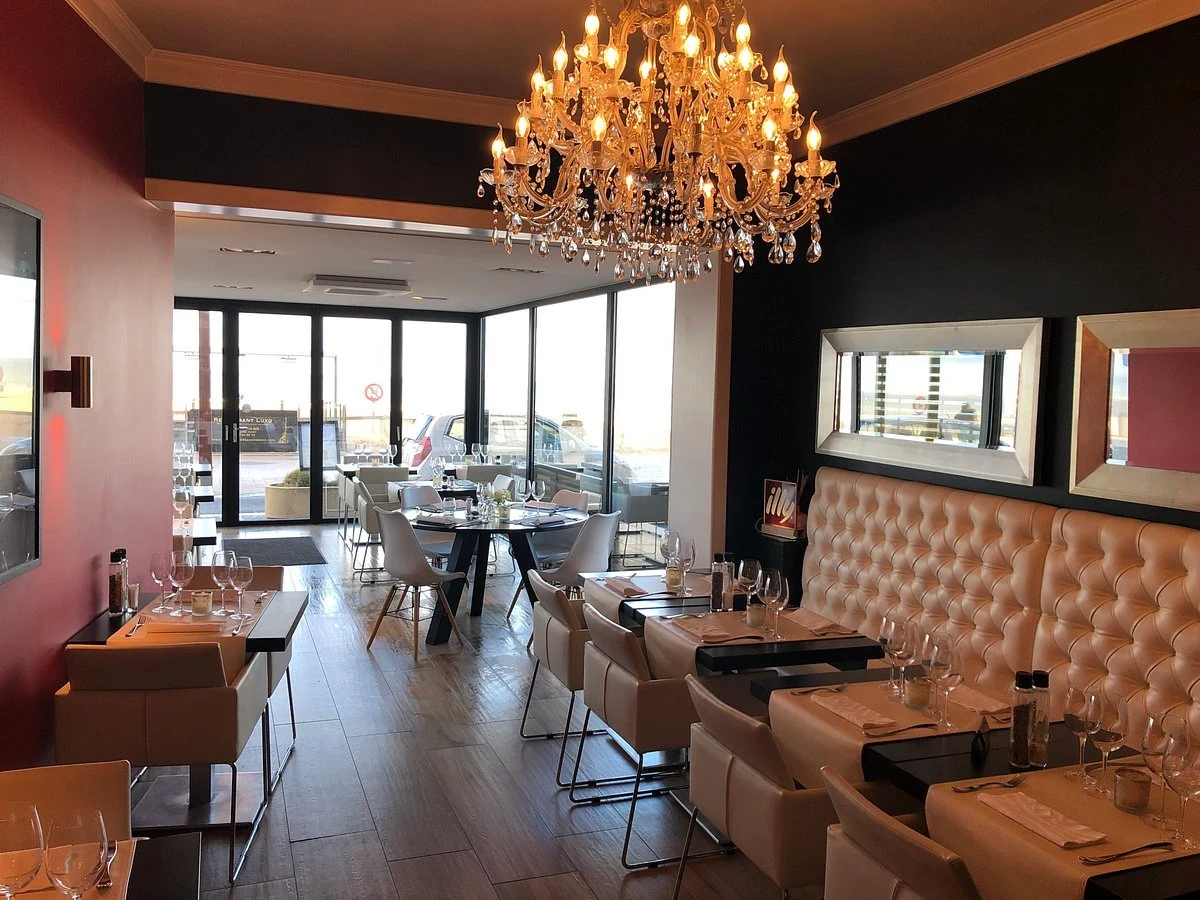
| Cuines 33 | Michelin 2 Stars | Modern Creative Fine Dining | Knokke Heist |
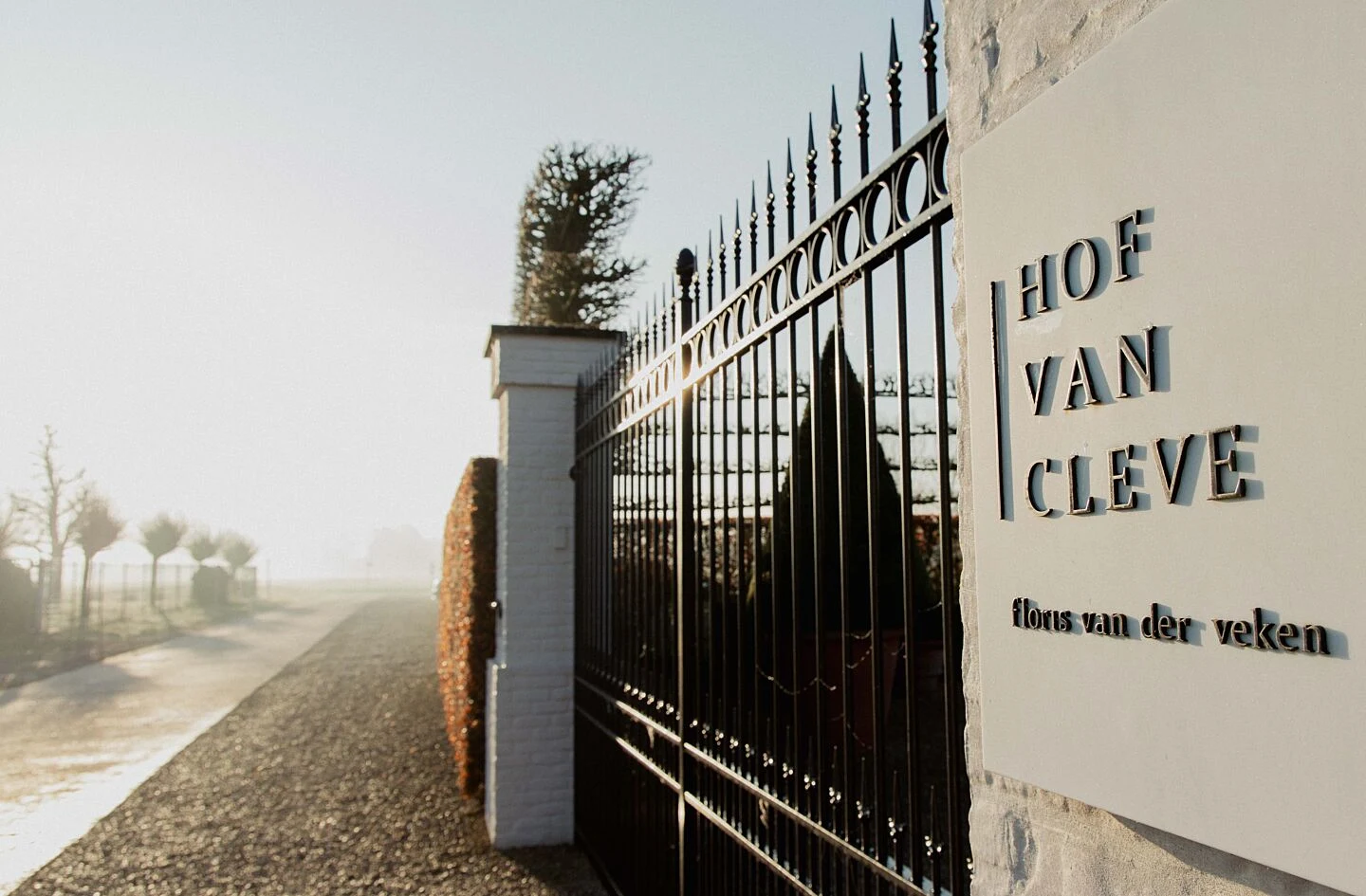
| Hof van Cleve | Michelin 2 Stars, World's 50 Best | Modern Creative Fine Dining | Kruishoutem |
| Mammertsberg | Michelin 2 Stars | Modern Creative Fine Dining | Freidorf |
| NOA | · | Modern International | Tallinn |
| NOA Chef’s Hall | Michelin 1 Star | Modern European Fine Dining | Tallinn |
| Tuljak | · | Modern Baltic with Mediterranean & Asian Influences | Tallinn |
In residence
Similar places
Modern Creative Fine Dining
Cuines 33
Knokke Heist, Belgium
★★
Modern Creative Fine Dining
Hof van Cleve
Kruishoutem, Belgium
★★ · 50 Best
Modern Creative Fine Dining
Mammertsberg
Freidorf, Switzerland
★★
Modern International
NOA
Tallinn, Estonia
Modern European Fine Dining
NOA Chef’s Hall
Tallinn, Estonia
★
Modern Baltic with Mediterranean & Asian Influences
Tuljak
Tallinn, Estonia
The Sunday letter
Get the next Made By story in your inbox.
We send one email every Sunday morning with the places and people we covered that week.
See a sample of the Sunday emailOne email a week. Unsubscribe from any issue.