Date-dori over a six-seat counter
- Tabelog Bronze #213: 4.4pts · 2026
- Opinionated About Dining Top Restaurants in Japan Recommended · 2026
- Opinionated About Dining Top Restaurants in Japan Ranked #119 · 2026
- Tabelog Bronze · 2025
- Tabelog 100 #75: 4.4pts · 2025
- Opinionated About Dining Top Restaurants in Japan Ranked #469 · 2025
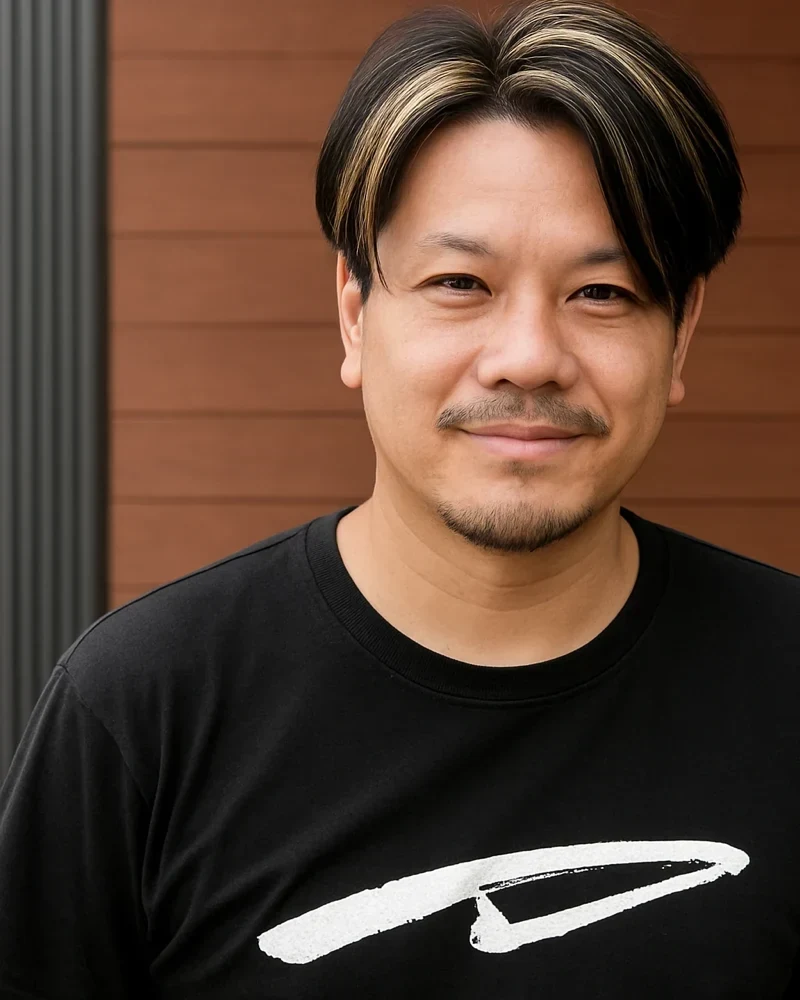
The chef and owner at the grill
Yu Kurosaki seasons for the fire as chef-owner of Yakitori Kurosaki in Tokyo, where the counter keeps his hands in full view. He also carries the title of Executive Chef, so the work has little distance between authorship and service: the person who sets the direction also stands at the station. The restaurant’s name does not point to a broad Japanese kitchen. It points to yakitori, and to Kurosaki’s own measure of it.
Before opening under his own name, Kurosaki spent eight years in the Torishiki lineage, training until September 2022. That apprenticeship matters here because yakitori gives no cover to a loose hand. Butchery, seasoning, the order of the skewers, and the moment a piece leaves the heat all sit inside the same discipline. Kurosaki later opened in Nakameguro, then relocated the restaurant to Shirokanedai in October 2023, a quieter pocket of Minato-ku. The move did not widen the format. It kept the work close, with Yu Kurosaki still tied to the grill, the room, and the identity of the house.
A 16-course counter built around chicken
The menu runs as a 16-course omakase, which gives Kurosaki control over pacing in the way yakitori requires. A skewer is not held for convenience. It moves when the meat, fat, salt, and heat have arrived at the same point. Date-dori chicken from Tohoku forms the base of the cooking, with Iwate named in the restaurant’s sourcing, and the program supplements it with rare regional breeds and selected vegetables.
That structure lets the meal move through chicken as a material rather than as a single flavor. White meat, fattier cuts, organ pieces, and vegetable courses each ask for a different distance from the heat and a different finish. At the bench, the sequence is part of the method: the guest receives each piece when the chef decides it has crossed from raw ingredient into finished skewer.
Six seats and no spare theatre
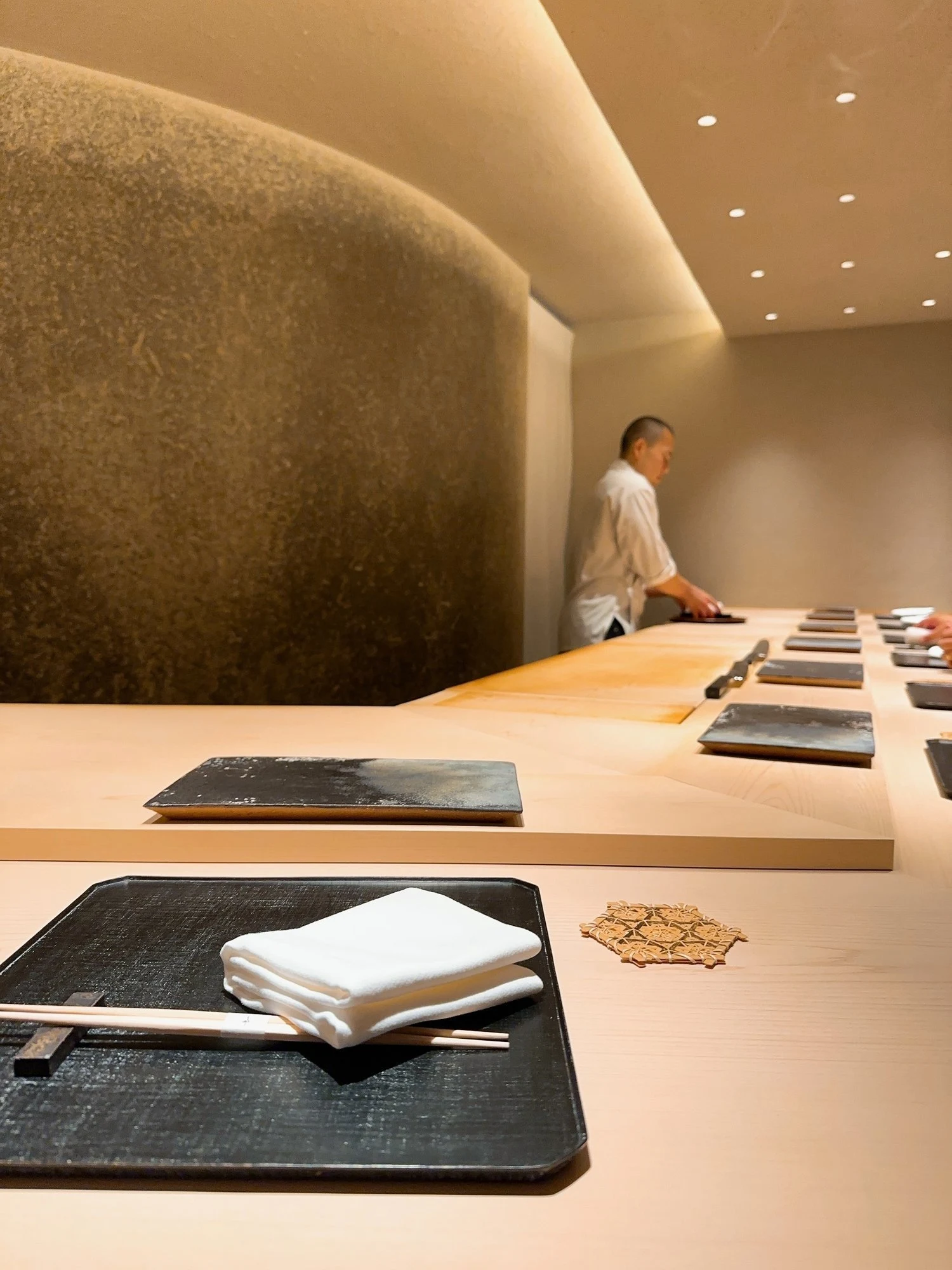
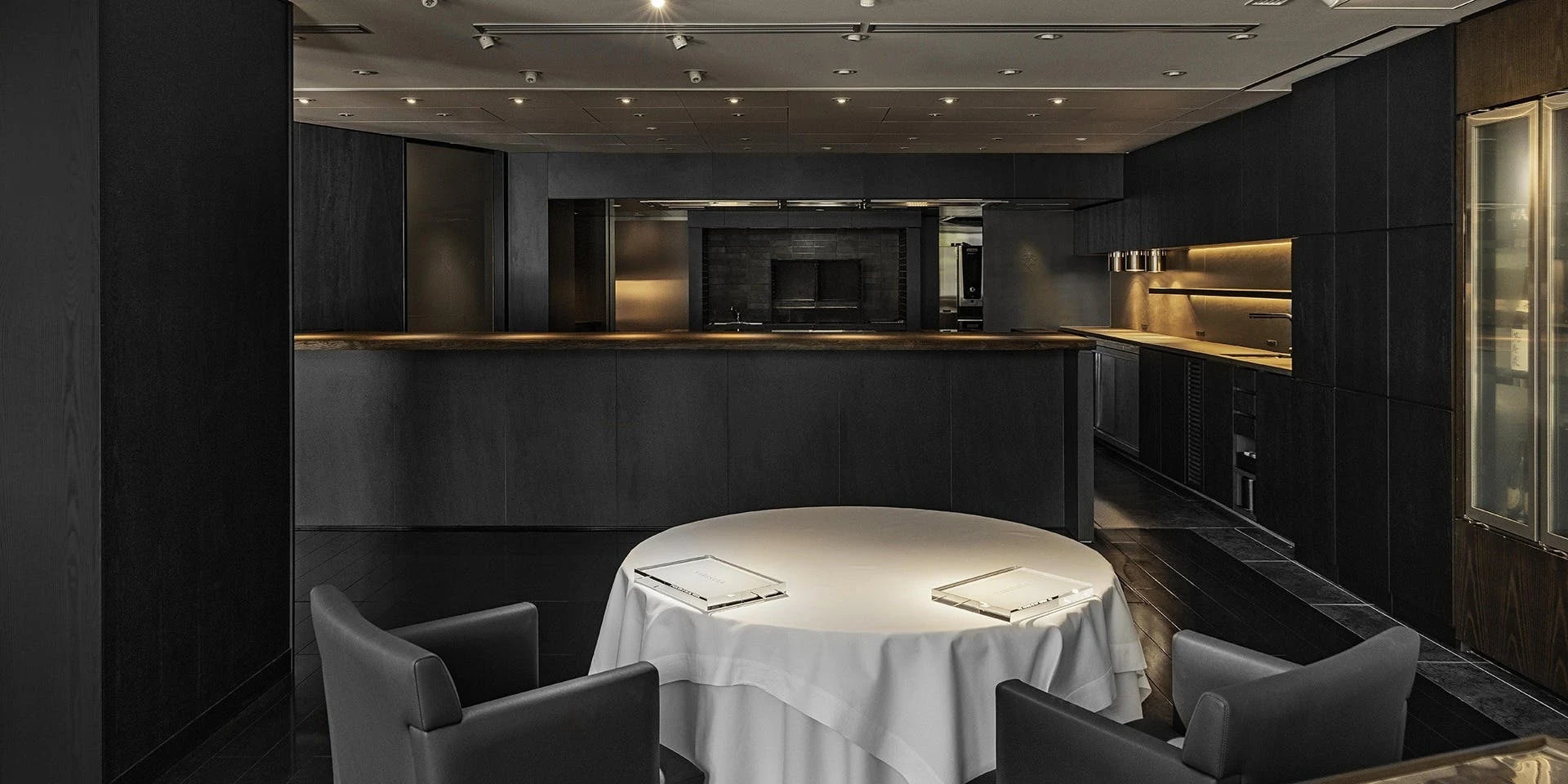
The room is built around a six-seat counter, small enough that the pass and the dining room nearly collapse into one another. In that scale, the usual restaurant buffers fall away. Guests see the skewer before it arrives, the fire before the plate, the chef before the explanation. The counter is not decoration here. It is the working edge of the restaurant.
Shirokanedai helps set the tempo. The address sits away from Tokyo’s heavier dining traffic, and the restaurant’s discouragement of photography keeps attention on the meal rather than the image of it. For yakitori, that choice has weight. The craft happens in short intervals, and a skewer loses its point quickly. Kurosaki’s format asks the room to stay with the heat, the timing, and the Date-dori chicken.
The Sunday letter
Get new places like くろ﨑 every Sunday.
One email a week with the restaurants, bars and hotels we have just written up, and the people who run them.
One email a week. Unsubscribe from any issue.
Questions
Frequently asked
Who is behind Yakitori Kurosaki?
Yu Kurosaki is the chef-owner and Executive Chef, and he works at the grill himself. Before opening under his own name, he spent eight years in the Torishiki lineage, training until September 2022.
What kind of meal does the restaurant serve?
The menu is a 16-course omakase built around yakitori. The sequence is designed around the timing of each skewer, with Kurosaki deciding when it leaves the heat.
What is the cooking based on?
Date-dori chicken from Tohoku forms the base of the cooking, with Iwate named in the restaurant’s sourcing. The menu also includes rare regional breeds and selected vegetables.
What is the dining room like?
The room is built around a six-seat counter, so the pass and the dining room sit very close together. Guests see the skewer, the fire, and the chef at work, and the restaurant discourages photography.
The field
How it compares
| Place | Cuisine | Notes | Awards |
|---|---|---|---|
| くろ﨑 | Modern Edomae Sushi Omakase | Minato, $$$$ | · |
| Den | Modern Japanese Kaiseki | Tokyo | Michelin 2 Stars, World's 50 Best |
| Florilège | Modern French-Japanese Plant-Based Fine Dining | Tokyo | Michelin 2 Stars, World's 50 Best |
| Narisawa | Modern Japanese Satoyama Fine Dining | Tokyo | Michelin 2 Stars, World's 50 Best |
| Quintessence | Modern French Fine Dining | Tokyo | Michelin 3 Stars |
| Sazenka | Modern Chinese Fine Dining | Tokyo | Michelin 3 Stars, World's 50 Best |
| Sézanne | Modern French Fine Dining | Tokyo | Michelin 3 Stars, World's 50 Best |
In residence
Similar places
Modern Japanese Kaiseki
Den
Tokyo, Japan
★★ · 50 Best
Modern French-Japanese Plant-Based Fine Dining
Florilège
Tokyo, Japan
★★ · 50 Best
Modern Japanese Satoyama Fine Dining
Narisawa
Tokyo, Japan
★★ · 50 Best
Modern French Fine Dining
Quintessence
Tokyo, Japan
★★★
Modern Chinese Fine Dining
Sazenka
Tokyo, Japan
★★★ · 50 Best
Modern French Fine Dining
Sézanne
Tokyo, Japan
★★★ · 50 Best
The Sunday letter
Get the next Made By story in your inbox.
We send one email every Sunday morning with the places and people we covered that week.
One email a week. Unsubscribe from any issue.