Acamaya
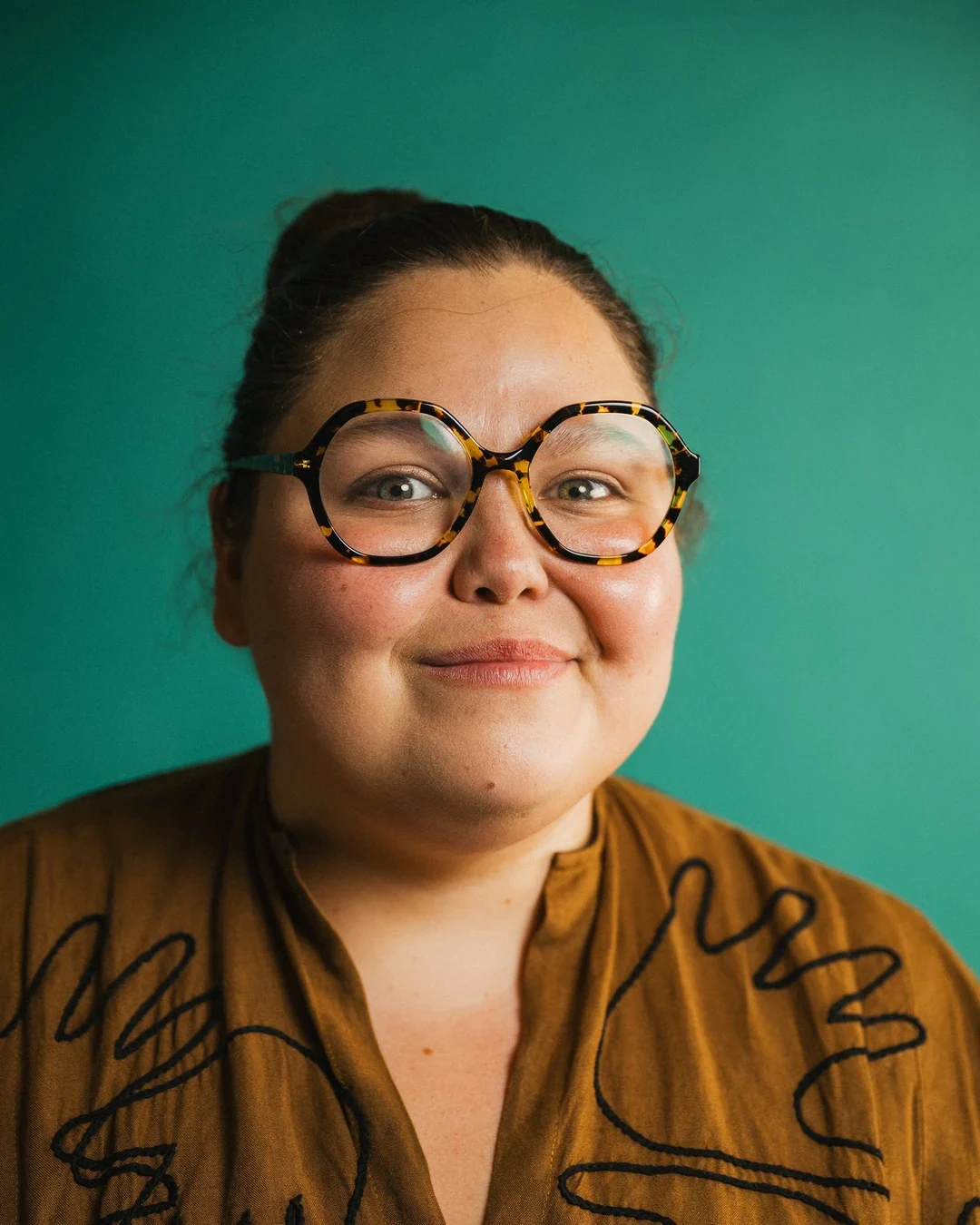
In Residence
Ana Castro
Chef
- 01CuisineContemporary Mexican Seafood
- 02CityNew Orleans, United States
- 03RecognitionWorld's 50 Best — No. 30
- Michelin Bib Gourmand · Michelin Guide
- World's 50 Best · #30 · World's 50 Best Restaurants
- James Beard Winner · James Beard Foundation
- World's 50 Best North America's Best Restaurants #30 · 2026
- James Beard Award Semi Finalist · 2026
- James Beard Award Nominee · 2026
- Michelin Bib Gourmand · 2025
- Bon Appétit The 20 Best New Restaurants #7 · 2025
- James Beard Award Semi Finalist · 2025
- Robb Report The 10 Best New Restaurants in America #4 · 2025
- Esquire Best New Restaurants #14 · 2024
Bywater's Seafood Vernacular
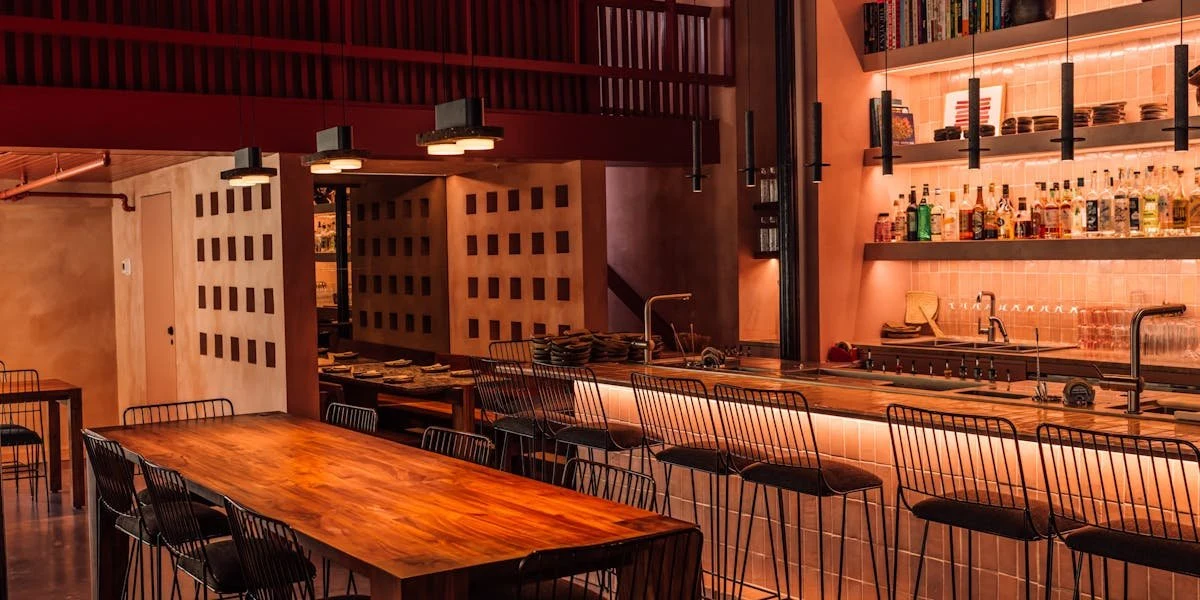
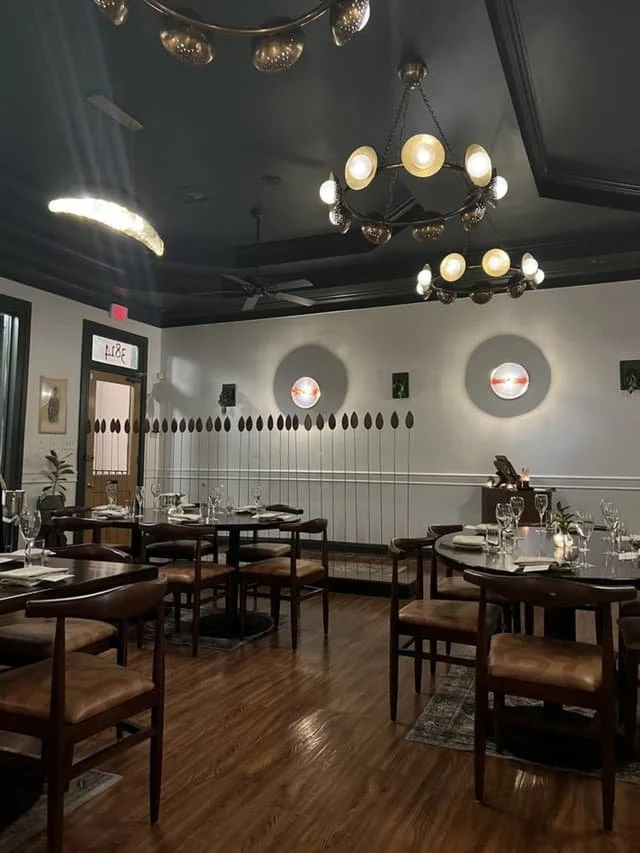
Dauphine Street in the Bywater sits a comfortable remove from the French Quarter's gravitational pull, and the restaurants that have taken root here tend to reflect that distance: less performance, more conviction. The neighborhood has developed a dining character defined by specificity of place rather than category prestige, and Acamaya fits that pattern with a clarity that few new arrivals manage. It holds a Michelin Bib Gourmand (2025), placed fourteenth on Esquire's Leading New Restaurants list for 2024, and earned recognition from Bon Appétit in the same year. Those three signals, arriving together at a restaurant in its opening period, describe something beyond early momentum.
What Acamaya is doing sits at an intersection that makes geographic sense once you examine it: Mexican mariscos in a city built on Gulf seafood culture. New Orleans has always been a port city with a layered relationship to the sea, and the Bywater's proximity to that tradition gives Acamaya's menu a contextual grounding that a comparable concept in a landlocked city simply would not have. The question the restaurant implicitly poses is what happens when the mariscos tradition of coastal Mexico meets the ingredient depth of Louisiana.
The Sunday letter
Find new places through the people who run them.
Our Sunday email brings you the chefs, winemakers and hoteliers behind our newest stories. See a sample before you subscribe.
See a sample of the Sunday emailOne email a week. Unsubscribe from any issue.
Masa as Foundation, Not Backdrop
The editorial angle that unlocks Acamaya's menu most clearly is masa, not as garnish or vehicle but as the structural logic of the cooking. Nixtamalization, the ancient Mesoamerican process of treating dried corn with an alkaline solution, transforms the grain's nutritional profile and develops the specific flavor complexity that distinguishes handmade masa from any industrial substitute. It is the craft behind the tortilla, the tamale, and in Acamaya's case, the chochoyotes.
Chochoyotes are masa dumplings with a dimpled center, a form associated with Oaxacan cooking, closer in texture to gnocchi than to anything in the broader Mexican-American repertoire. At Acamaya, they arrive bathed in a seasonal sauce and mixed with crab, pulling a technique from one of Mexico's most ingredient-driven regional traditions and grounding it in the Louisiana Gulf harvest. The move encodes exactly what the restaurant is doing: not fusion in the diluted sense, but a conversation between two coastal food cultures that have more in common than their geographic distance suggests.
That masa literacy matters because it signals the kitchen's commitment to a particular craft standard. Restaurants using pre-prepared or commercially sourced masa are making a different kind of cooking; the specificity of chochoyotes as a form indicates a house that has made decisions about how far back in the process it works. At this price tier, a Bib Gourmand signals strong value, and that level of craft investment is less common than the awards coverage implies.
Where Mexico City Meets Baja California
Chef Ana Castro was born in Texas and raised in Mexico City, which means her culinary reference points are metropolitan rather than narrowly regional. Mexico City's food culture has always been synthetic, absorbing influence from every state and, in the postwar decades, from immigrant communities that brought Japanese technique to Baja California's Pacific coast. The tuna tostada with charred avocado, peanut, and nori on Acamaya's menu is a direct citation of that Baja-Japanese synthesis, the Nikkei thread that runs through Tijuana and Ensenada and gave Mexico's northwestern coast some of its most technically interesting seafood preparation.
Placing that dish in New Orleans alongside chochoyotes with crab creates a menu that traces real culinary geography rather than inventing a hybrid identity from scratch. The grandmother's cooking appears in the masa work; the broader Mexican cultural archive appears in the tostada. What holds it together is restraint. The Michelin notes describe Castro's style as subtle rather than aggressive with flavor, and that quality is what separates a menu built on cultural citation from one that performs its influences for the room.
The restaurant's name supplies its own coordinates. Acamaya is Spanish for crawfish, the crustacean most associated with Louisiana's Cajun table, and the choice locates the concept firmly in a specific geography while signaling that the cooking will meet New Orleans on its own ingredient terms. For comparison, the Cajun tradition at places like Emeril's draws on a different lineage entirely, and the contemporary American registers at Saint-Germain and Zasu operate in a separate tier. Acamaya is doing something structurally different from all of them.
Acamaya in New Orleans's Wider Scene
New Orleans's restaurant culture has historically centered on a handful of legacy cuisines: Creole, Cajun, and the New American format that absorbed both and softened their edges for broader audiences. Places like Bayona and Re Santi e Leoni operate within or adjacent to that established framework. What the Michelin Guide's 2025 recognition of Acamaya signals is that the city's dining range has extended to include a Mexican seafood restaurant making specific, culturally grounded arguments, not just a taqueria trading on proximity to the Gulf.
The Bib Gourmand designation is worth reading carefully in this context. It indicates a kitchen delivering quality at a price point below the starred tier. That accessibility is not incidental to what Acamaya represents: the restaurant's ambitions are not indexed to luxury format or tasting-menu theater. It is a neighborhood restaurant in the specific sense, one that earns critical recognition without adjusting its format to pursue it.
Mexican seafood cooking in the mariscos tradition occupies a smaller critical footprint in the United States than its quality merits. In cities with larger Mexican-American populations, it exists primarily as a neighborhood category rather than a fine-dining one. Acamaya's Esquire and Bon Appétit citations suggest the format is being taken seriously at a national editorial level, which changes the reference class for what the restaurant is doing. Comparable levels of attention for seafood-forward cooking at accessible price points bring to mind places like Le Bernardin in New York City and Providence in Los Angeles, though those operate in an entirely different tier and format. The comparison is not about scale but about the seriousness with which seafood cooking is being approached.
Planning a Visit
Acamaya sits at 3070 Dauphine Street in the Bywater, a walkable distance from the Marigny and accessible from the French Quarter by car or rideshare in under ten minutes. Google reviews currently track at 4.3 across 145 responses, which at this review volume reflects a consistent pattern rather than a self-selecting early audience. The Bib Gourmand and dual 2024 national magazine recognitions have extended the restaurant's profile beyond New Orleans, so booking ahead is advisable, particularly on weekend evenings. Current hours and reservation availability are best confirmed directly before visiting, as post-recognition demand at this size of restaurant can shift booking windows quickly. The Bywater's dining options are thinner than the Quarter or Magazine Street, so Acamaya tends to anchor an evening in the neighborhood rather than compete with a dense surrounding set.
For visitors building a wider New Orleans itinerary,
Questions
Frequently asked
What recognition does Acamaya hold?
Acamaya holds a Michelin Bib Gourmand, a place on the World's 50 Best list at number 30 and a James Beard award.
Who works at Acamaya?
Made By profiles Ana Castro (Chef) at Acamaya.
How expensive is Acamaya?
Acamaya is listed at a price level of $$$$.
Where is Acamaya and what does it serve?
Acamaya is in Bywater, New Orleans, serving Contemporary Mexican Seafood.
The field
How it compares
| Place | Awards | Cuisine | Notes |
|---|---|---|---|
| Acamaya | World's 50 Best #30, James Beard | Contemporary Mexican Seafood | Bywater, $$$$ |
| Commander’s Palace | · | Modern Creole | New Orleans |
| Compere Lapin | · | Caribbean-French Fusion | New Orleans |
| Dakar NOLA | World's 50 Best | Modern Senegalese Pescatarian Tasting Menu | New Orleans |
| Emeril’s | Michelin 2 Stars, World's 50 Best | Modern Creole-Cajun Fine Dining | New Orleans |
| Pêche Seafood Grill | · | Modern Seafood Grill | New Orleans |
| Zasu | Michelin 1 Star | Modern American Seafood | New Orleans |
In residence
Similar places
Modern Creole
Commander’s Palace
New Orleans, United States
Caribbean-French Fusion
Compere Lapin
New Orleans, United States
Modern Senegalese Pescatarian Tasting Menu
Dakar NOLA
New Orleans, United States
50 Best
Modern Creole-Cajun Fine Dining
Emeril’s
New Orleans, United States
★★ · 50 Best
Modern Seafood Grill
Pêche Seafood Grill
New Orleans, United States
Modern American Seafood
Zasu
New Orleans, United States
★
The Sunday letter
Get the next Made By story in your inbox.
We send one email every Sunday morning with the places and people we covered that week.
See a sample of the Sunday emailOne email a week. Unsubscribe from any issue.