Three biodynamic hectares in Oberflachs
- Falstaff Winery - 3 Stars · 2026
Pinot Noir given time in Oberflachs
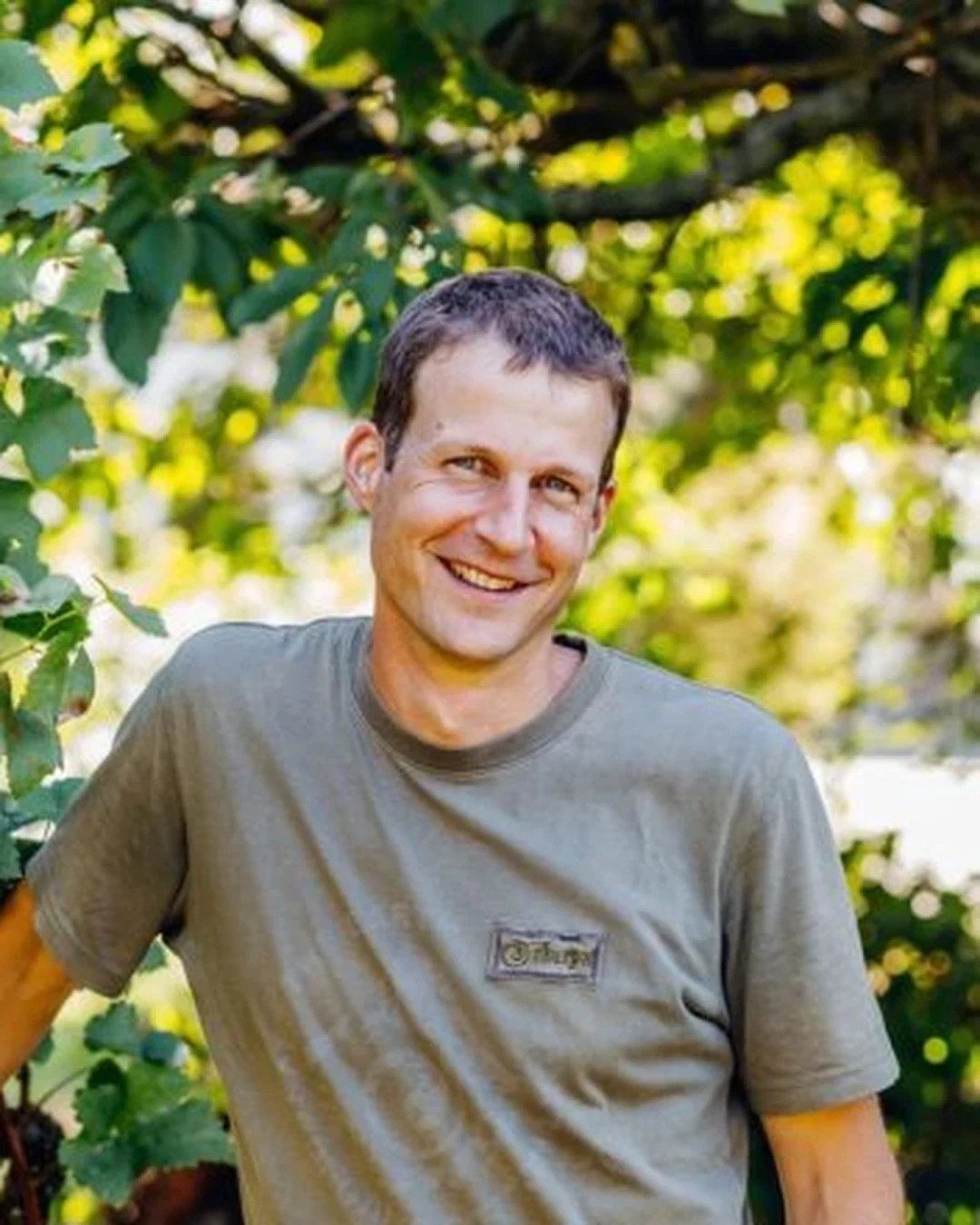
Adrian Hartmann lets Pinot Noir take its time as winemaker and owner at Adrians Weingut in Oberflachs, where the cellar’s first discipline is restraint. He has held the estate since 2015, after taking over the three-hectare property from his cousin, Susanne Birchmeier, and turning its farming toward biodynamics. Before that, Hartmann spent ten years at Fehr and Engeli in Fricktal, responsible for the kelterung of varied wines, a practical education in crushing, pressing, and the decisions that sit between fruit and bottle. At his own estate, the line is narrower and more personal: one cellar, one vineyard scale, one hand guiding the wines across vintages. Adrian Hartmann states the aim without ornament: “We don’t chase power here. We look for balance and elegance.” That sentence matters because it describes a working limit, not a tasting note. Pinot Noir, Riesling-Sylvaner, Charmont, and Zweigelt carry the program, with Crémant, Pinot Noir Réserve, Riesling-Sylvaner, Blanc Naturel, and Création Blanche giving the cellar its range.
Three hectares under biodynamic discipline
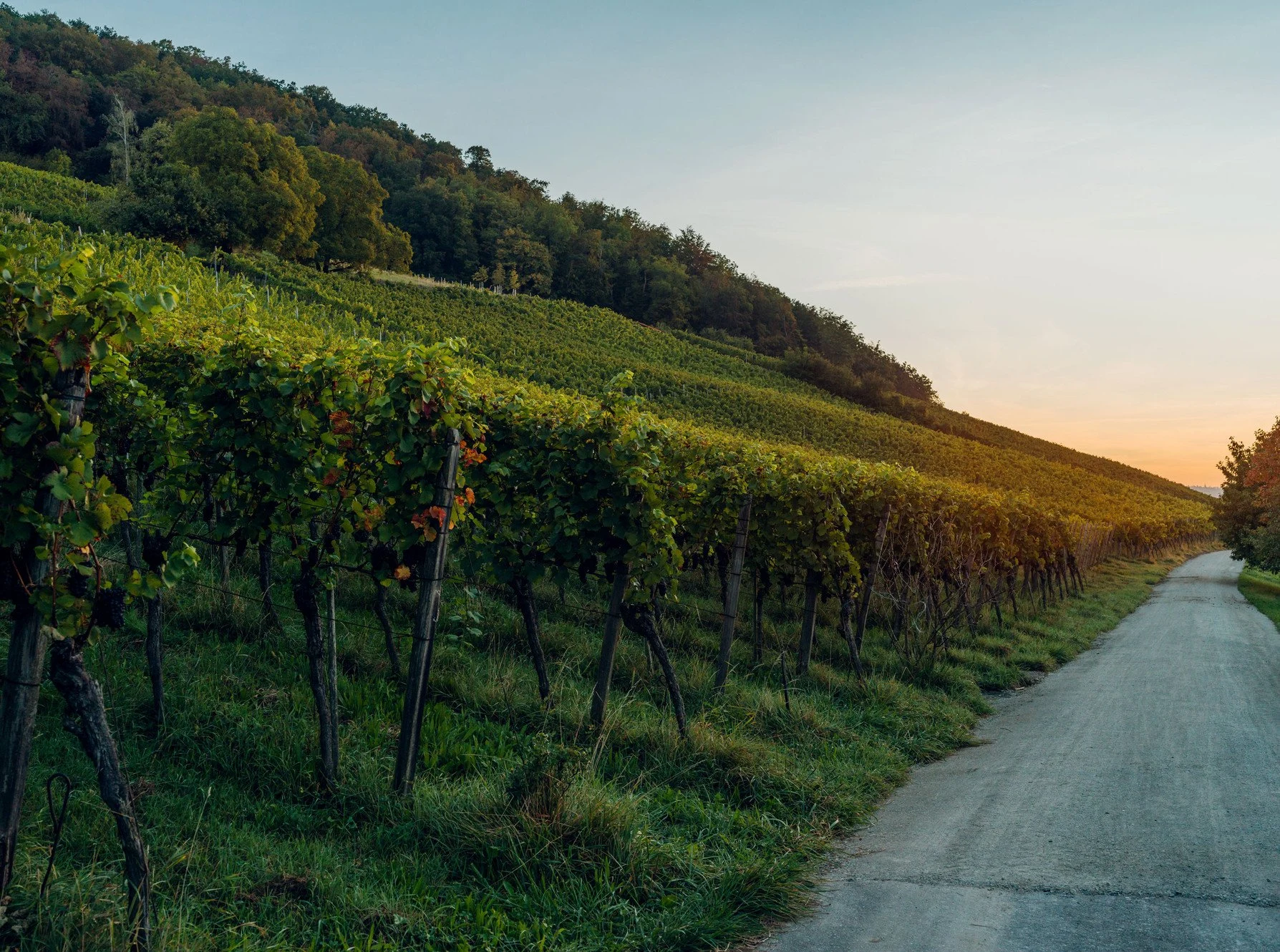
The vineyard sits on sun-exposed slopes behind the house in Schenkenbergertal, within Aargau, on the barren limestone soils of the Jura. Hartmann farms the three hectares as an intact, layered ecosystem, not as a set of isolated rows to be corrected after the fact. The estate is Demeter-certified biodynamic, with work in the vines shaped by preparations, compost, and the rhythm of the growing season rather than synthetic shortcuts. In the cellar, Hartmann keeps technology to a minimum and lets fermentation proceed without commercial yeasts. Oak barrels and stainless steel both have a place, depending on the wine and its intended shape. The scale stays small, with 15,000 bottles a year, and the fruit is estate-grown rather than bought in. That matters here because the method depends on continuity between soil, hand, and cellar. Pinot Noir is treated as a grape that withholds before it opens. Hartmann’s own phrasing is spare: “It needs time.”
The Sunday letter
Find new places through the people who run them.
Our Sunday email brings you the chefs, winemakers and hoteliers behind our newest stories. See a sample before you subscribe.
See a sample of the Sunday emailOne email a week. Unsubscribe from any issue.
The cellar below the hillside
The place carries the quiet of a working estate rather than the polish of a public stage. The vineyard rises behind the winemaker’s house on Winzerweg, the name itself a reminder that wine has long marked this valley. Inside, the cellar follows the same scale as the land: few hectares, few varieties, few distractions. The tasting room and the vineyard do not separate the visitor from the work; they keep the hand visible in the glass. A bottle of Crémant points to lift, Pinot Noir Réserve to depth, Riesling-Sylvaner to clarity. The room is not built around spectacle. It is built around waiting, and around the point at which Blanc Naturel, Création Blanche, or Pinot Noir Réserve is ready to speak without being forced.
Questions
Frequently asked
Who makes the wines at Adrians Weingut?
Adrian Hartmann is the winemaker and owner at Adrians Weingut in Oberflachs. He has held the estate since 2015, when he took over the three-hectare property from his cousin, Susanne Birchmeier.
What does the estate grow?
The estate farms three biodynamic hectares in Schenkenbergertal. The program includes Pinot Noir, Riesling-Sylvaner, Charmont, and Zweigelt, with Crémant, Pinot Noir Réserve, Blanc Naturel, and Création Blanche also made at the cellar.
How is the vineyard farmed?
Adrians Weingut is Demeter-certified biodynamic. Hartmann works the vines with preparations, compost, and the rhythm of the growing season, and the fruit is estate-grown rather than bought in.
What style of winemaking does the cellar follow?
Hartmann keeps technology to a minimum and lets fermentation proceed without commercial yeasts. Oak barrels and stainless steel are both used, depending on the wine and the shape it is meant to take.
How can visitors arrange a visit?
Visits are by appointment only. Parking is on the street.
The field
How it compares
| Place | Notes | Awards |
|---|---|---|
| Adrians Weingut | Schenkenbergertal, $$ | · |
| Catena Zapata | Agrelo | World's 50 Best |
| Chalmberger Weinbau | Oberflachs | · |
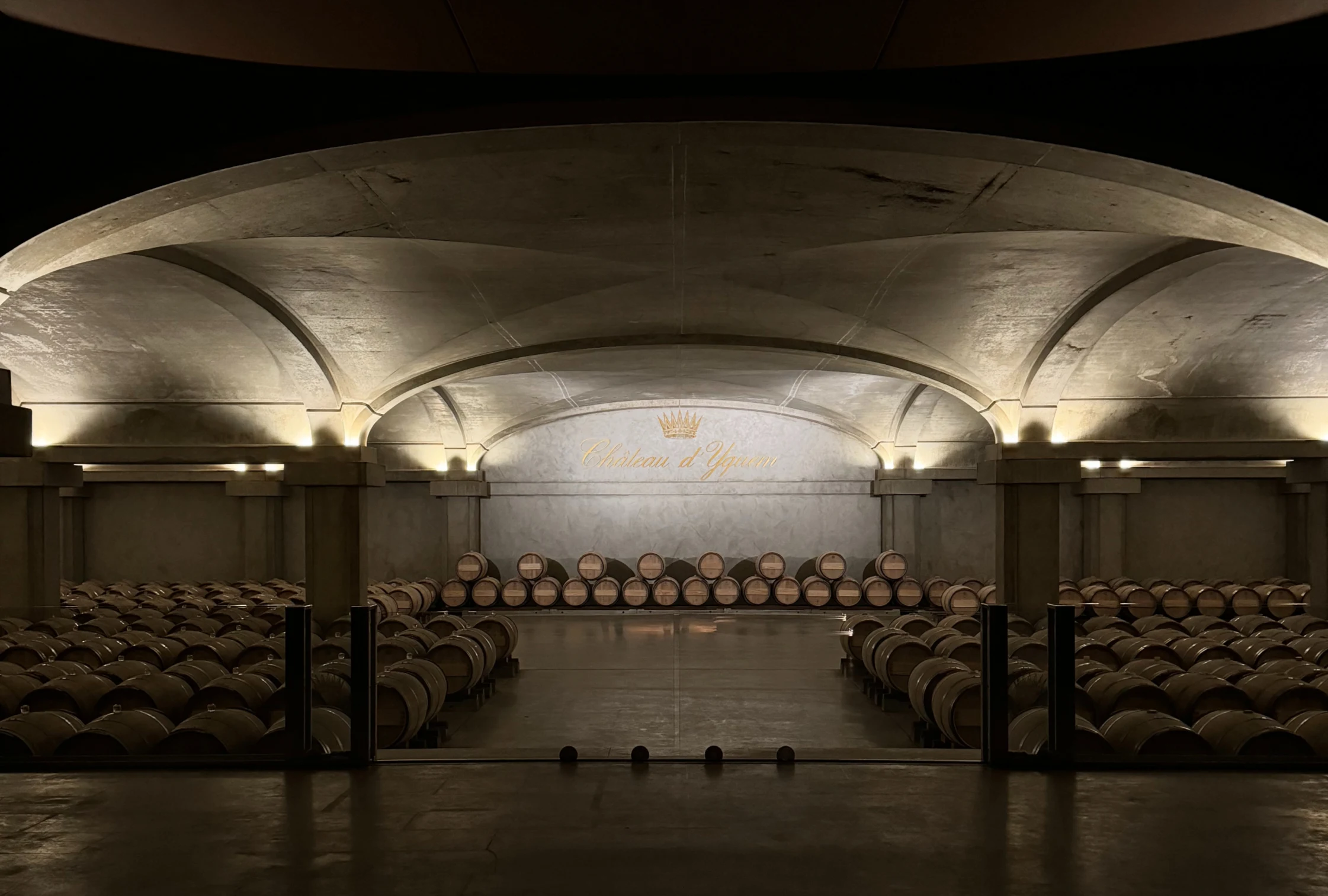
| Château d'Yquem | Sauternes | World's 50 Best |
| Weinbau Käser | Oberflachs | · |
| Weinbau Peter Zimmermann | Oberflachs | · |
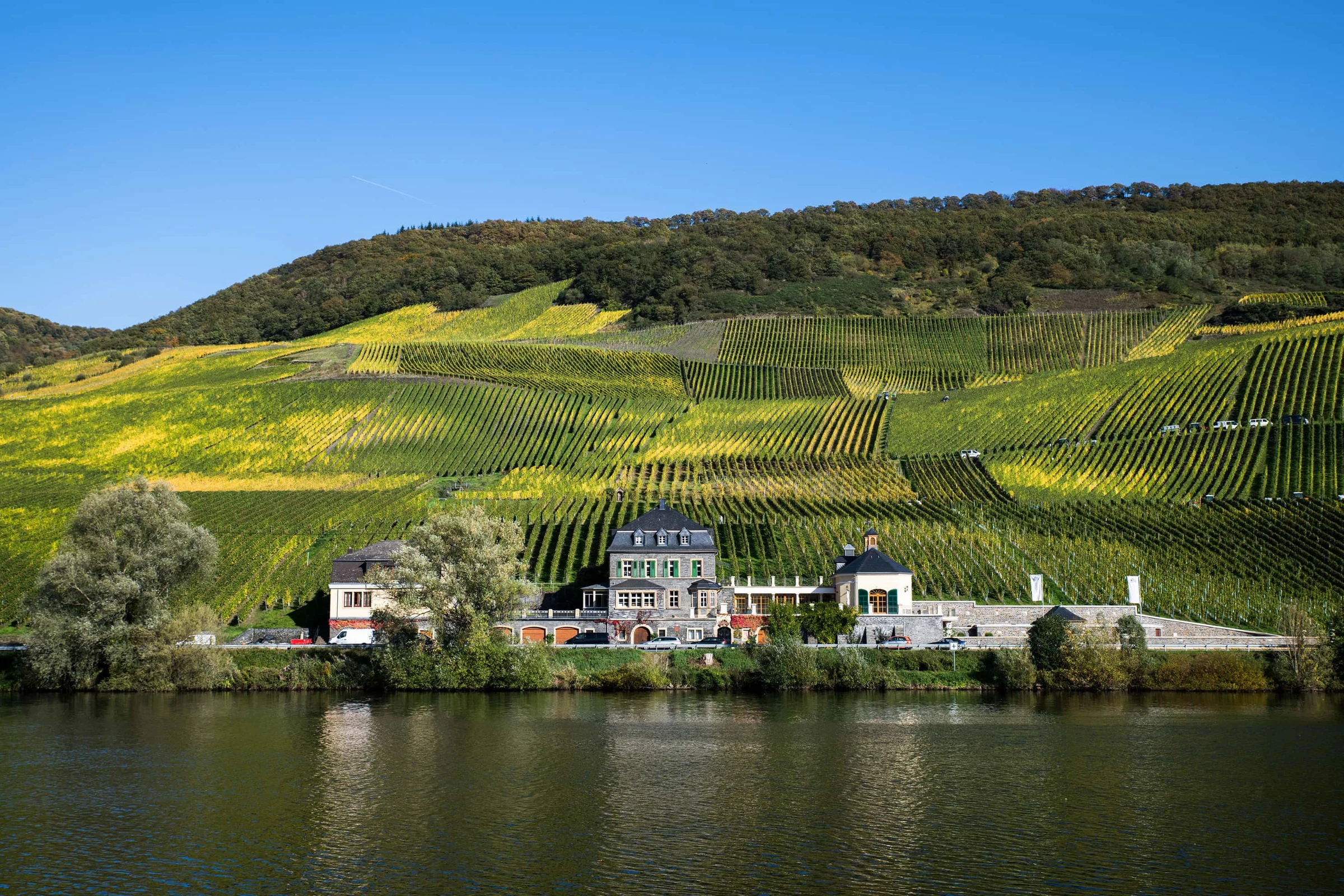
| Weingut Dr. Loosen | Bernkastel-Kues | World's 50 Best |
In residence
Similar places
The Sunday letter
Get the next Made By story in your inbox.
We send one email every Sunday morning with the places and people we covered that week.
See a sample of the Sunday emailOne email a week. Unsubscribe from any issue.