Alameda

In Residence
Esther Álvarez
Chef
- 01CuisineTraditional Spanish Grill
- 02CityFuenmayor, Spain
- 03RecognitionOne Michelin Star
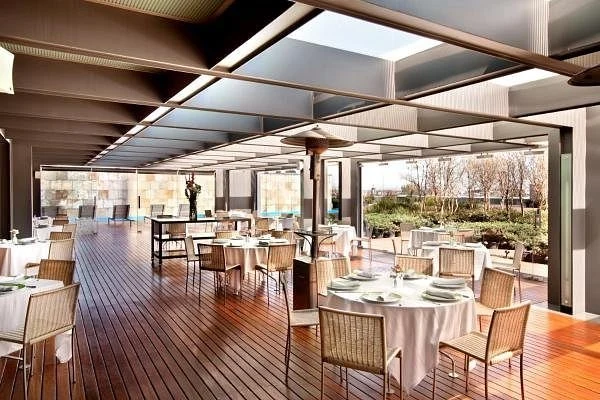
- 1 Michelin Star · Michelin Guide
- Guía Repsol 2 Soles · 2026
- Macarfi 9.1 Food Rating · 2026
- Opinionated About Dining Casual in Europe Ranked #22 · 2026
- Star Wine List · 2026
- Michelin Plate · 2026
- Michelin 1 Star · 2025
- Michelin Plate · 2024
A Village Square, a Wood Fire, and the Weight of Riojan Tradition
Fuenmayor sits in the heart of La Rioja Alta, a compact wine village whose Plaza Félix Azpilicueta functions less as a thoroughfare and more as a social anchor. The square is quiet in the way that working agricultural towns are quiet: purposeful rather than sleepy. It is here, on that plaza, that Alameda occupies its ground, a physical address that sets expectations before you reach the dining room. Alameda is a Michelin-starred restaurant in Fuenmayor, La Rioja, serving traditional Spanish grill cooking. This is not a destination restaurant chasing urban attention; it is a neighbourhood institution that has earned its reputation on the strength of produce, fire, and accumulated knowledge of what this part of northern Spain actually tastes like.
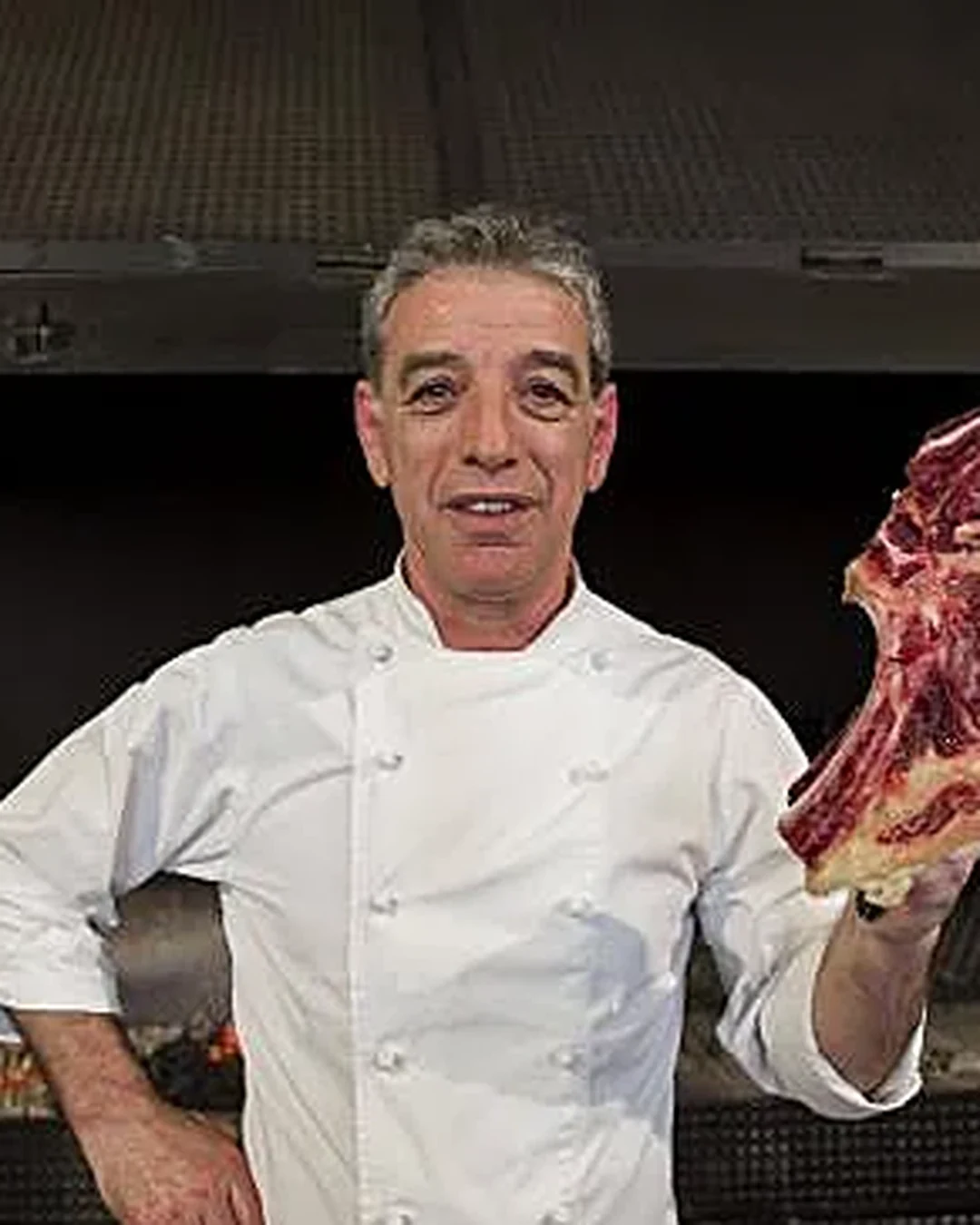
The asador format, common across La Rioja and the broader Basque Country hinterland, is one of Spain's most disciplined culinary traditions. Where avant-garde kitchens pursue transformation, the asador commits to revelation: the leading possible animal or vegetable, treated with the minimum necessary intervention, cooked over wood or charcoal until it becomes more itself. That restraint demands confidence in sourcing and a technical mastery that rarely telegraphs itself. Alameda operates within this tradition, and its Michelin recognition reflects not novelty but consistency, the harder quality to sustain in any kitchen.
The Sunday letter
Find new places through the people who run them.
Our Sunday email brings you the chefs, winemakers and hoteliers behind our newest stories. See a sample before you subscribe.
See a sample of the Sunday emailOne email a week. Unsubscribe from any issue.
Tomás Fernández, Esther Álvarez, and the Logic of Regional Cooking
The editorial angle here is not the personal biography of two chefs but what their approach represents in the context of Riojan gastronomy. La Rioja's food identity is frequently overshadowed by its wine reputation, visitors arrive for Tempranillo and treat the food as secondary. That framing misreads the region. The same clay soils and Atlantic-Mediterranean climate that produce Rioja Alta's structured reds also shape a vegetable tradition of unusual depth: white asparagus, artichokes, peppers from Haro and Lodosa, beans from Anguiano. A kitchen that takes those ingredients seriously is doing something that requires the same intelligence as wine growing.
The cuisine is described in Michelin's own recognition notes as grounded in high-quality traditional dishes, a phrase that, at Michelin Plate level, means the inspectors found the cooking competent and consistent enough to merit formal acknowledgement without the creative ambition that pushes toward Bib Gourmand or star territory. That is a specific position in the market, and it is a defensible one. Not every serious meal needs to redefine the form.
In the broader context of northern Spain's dining hierarchy, Alameda occupies a different tier from the multi-star flagships. Arzak in San Sebastián and Azurmendi in Larrabetzu operate at three Michelin stars and price points in the €€€€ bracket. Mugaritz in Errenteria pushes further still into the conceptual. Alameda's €€ price range and Plate-level recognition place it in a separate comparable set entirely, the category of serious regional restaurants where the food is genuinely good and the economics remain accessible. That category is arguably more important to a functioning food culture than its more celebrated neighbours.
What the 4.6 Rating Across 903 Reviews Actually Means
A Google rating of 4.6 drawn from 929 reviews is a different kind of evidence than a Michelin star. It reflects a broad and ongoing consensus rather than a single inspector's assessment. For a village restaurant in a town the size of Fuenmayor, that review volume suggests Alameda draws visitors from well beyond the immediate locality, likely from Logroño (the regional capital, roughly 15 kilometres south), from the wine tourism circuit that moves through Haro and the Rioja Alta bodegas, and from travellers building itineraries around Spain's northern food belt.
The convergence of Michelin recognition and sustained high-volume public ratings is not a given. Many Plate-level restaurants hold narrow critical approval without broad dining public engagement. The combination at Alameda indicates a kitchen that satisfies both the rigour of professional inspection and the more varied expectations of general diners, a balance that typically reflects consistent execution rather than occasional brilliance.
Rioja Alta as a Dining Region
La Rioja receives around three million tourists annually, the majority drawn by wine. The bodega trail through Haro, Briones, and the surrounding villages represents one of Spain's most concentrated appellations of wine tourism infrastructure, with landmark winery architecture from Frank Gehry at Marqués de Riscal to the stacked stone cellars of smaller family operations. What that tourism economy has also produced is a set of village restaurants that have learned to feed serious visitors without abandoning their local character.
Fuenmayor is not a major wine tourism node in the way Haro is, which means Alameda's clientele skews toward those who already know what they are looking for rather than those who stumble in off a coach tour. That self-selecting dynamic tends to produce better restaurant experiences: the kitchen is cooking for people with some frame of reference, and the dining room retains the texture of a place with regular customers rather than a pure tourist trap.
For visitors building a broader itinerary, the wider Spanish table is worth mapping before arrival. The country's leading creative kitchens, from El Celler de Can Roca in Girona to DiverXO in Madrid to Aponiente in El Puerto de Santa María, define Spain's international reputation. But a meal at Alameda operates in an entirely different register, one that those itineraries rarely include and arguably should.
Planning a Visit
Alameda operates Tuesday through Sunday for lunch (1 PM to 3:30 PM), with Monday closed. The restricted midweek availability is characteristic of village restaurants in the region, where staffing and supply logistics favour concentrated service windows. The €€ price positioning means a full lunch with wine should sit comfortably within a range that reflects serious regional cooking without the premium attached to destination tasting-menu formats. Confirming a reservation is advisable, particularly on weekends when demand from the broader Rioja wine circuit is higher.
Fuenmayor is accessible by car from Logroño in under 20 minutes and sits on a road corridor that connects several of the appellation's most-visited bodegas. Building a day around a winery visit in the morning and a lunch at Alameda makes logistical sense, and the village's plaza setting makes the meal feel like it belongs to the place rather than floating above it.
Questions
Frequently asked
What recognition does Alameda hold?
Alameda holds 1 Michelin star.
Who works at Alameda?
Made By profiles Esther Álvarez (Chef) and Tomás Fernández (Chef) at Alameda.
How expensive is Alameda?
Alameda is listed at a price level of $$$.
Where is Alameda and what does it serve?
Alameda is in Fuenmayor, Fuenmayor, serving Traditional Spanish Grill.
The field
How it compares
| Place | Awards | Cuisine | Notes |
|---|---|---|---|
| Alameda | Michelin 1 Star | Traditional Spanish Grill | Fuenmayor, $$$ |
| Benu | Michelin 3 Stars, World's 50 Best | Modern Asian Fusion Fine Dining | San Francisco |
| Blue Hill at Stone Barns | Michelin 2 Stars, World's 50 Best | Farm-to-Table Fine Dining | Tarrytown |
| Kabawa | World's 50 Best | Modern Caribbean Prix Fixe | New York City |
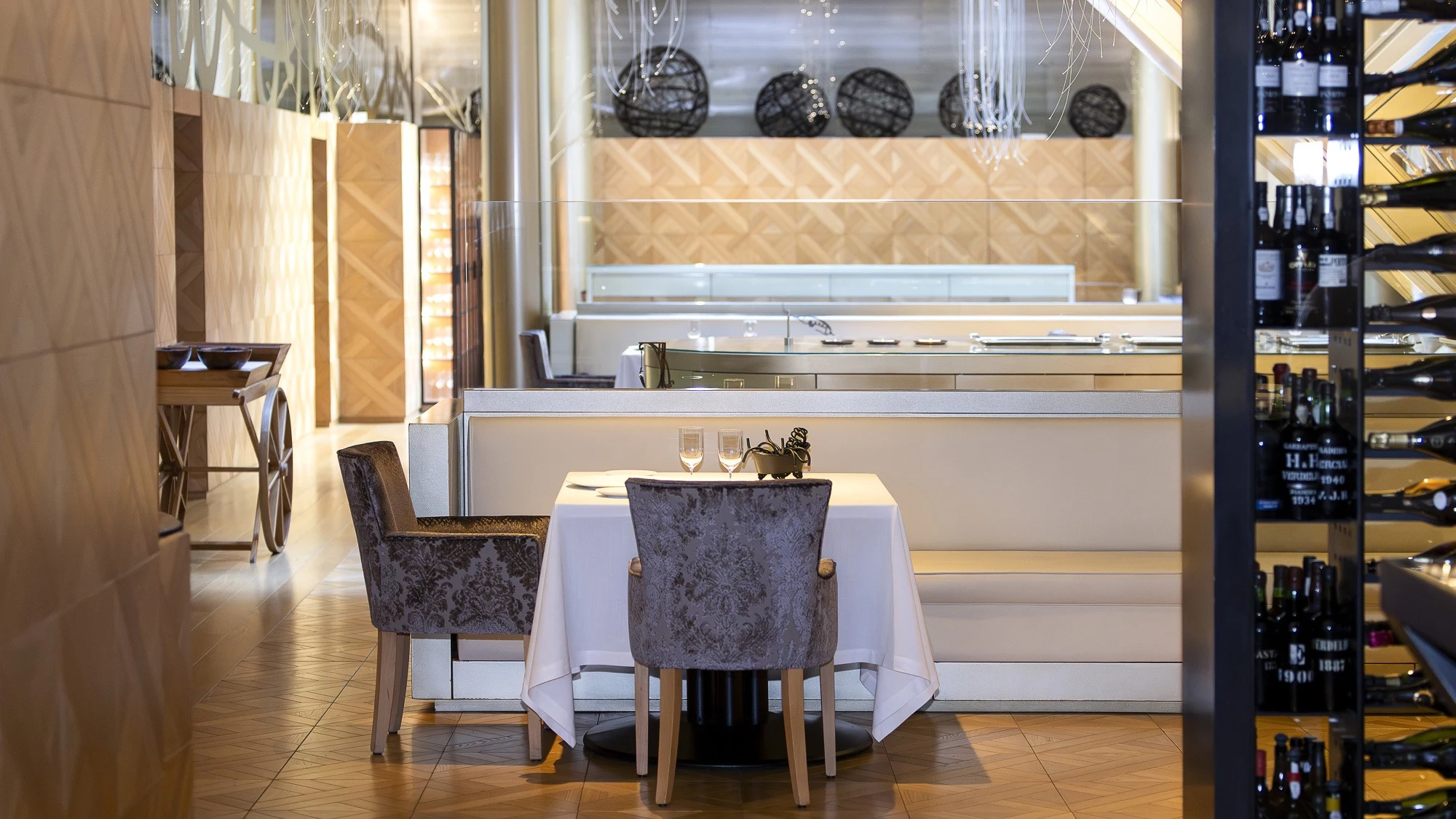
| Lasarte | Michelin 3 Stars | Modern Basque-Mediterranean Fine Dining | Barcelona |
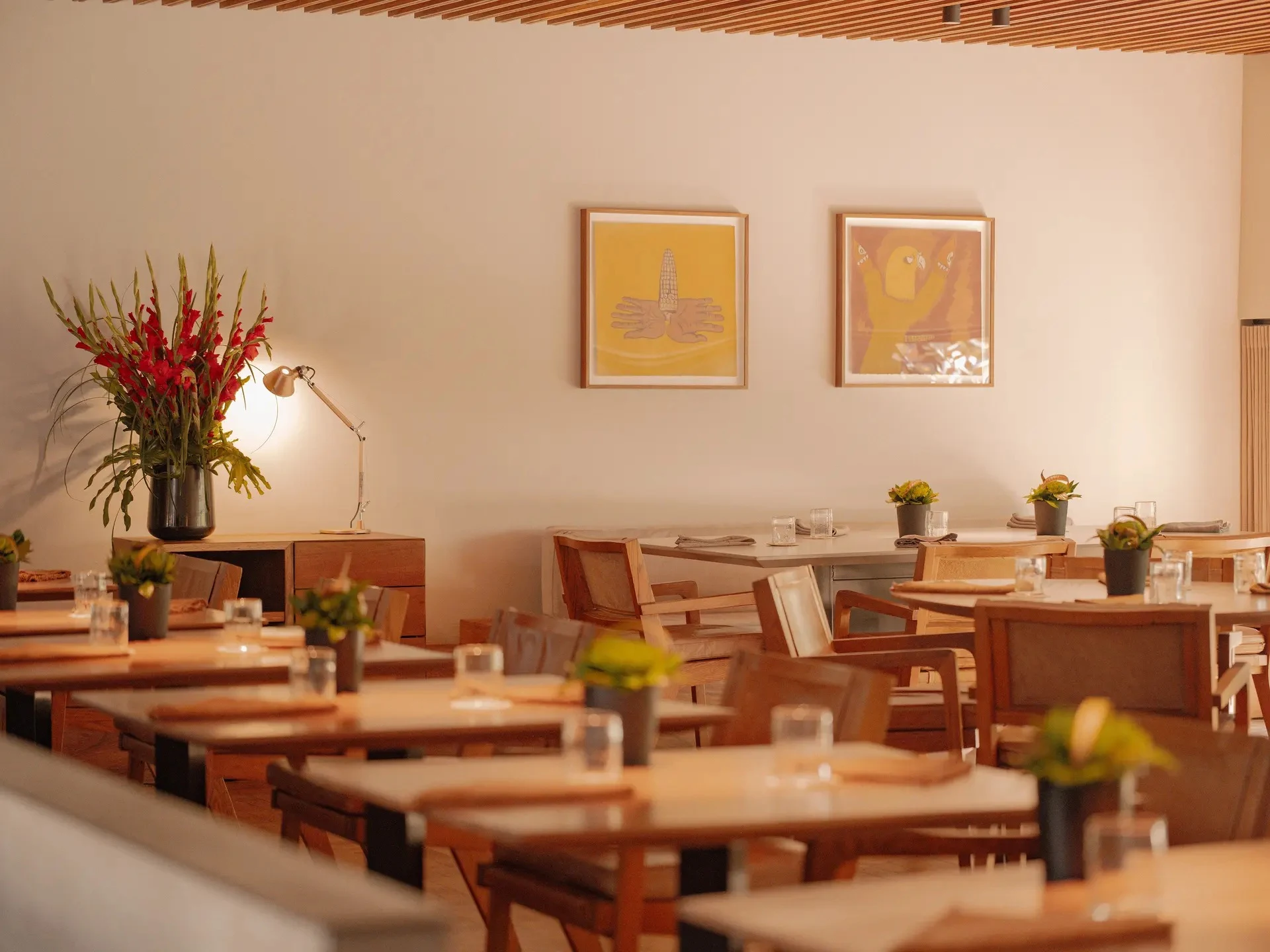
| Pujol | Michelin 2 Stars, World's 50 Best | Modern Mexican Fine Dining | Mexico City |
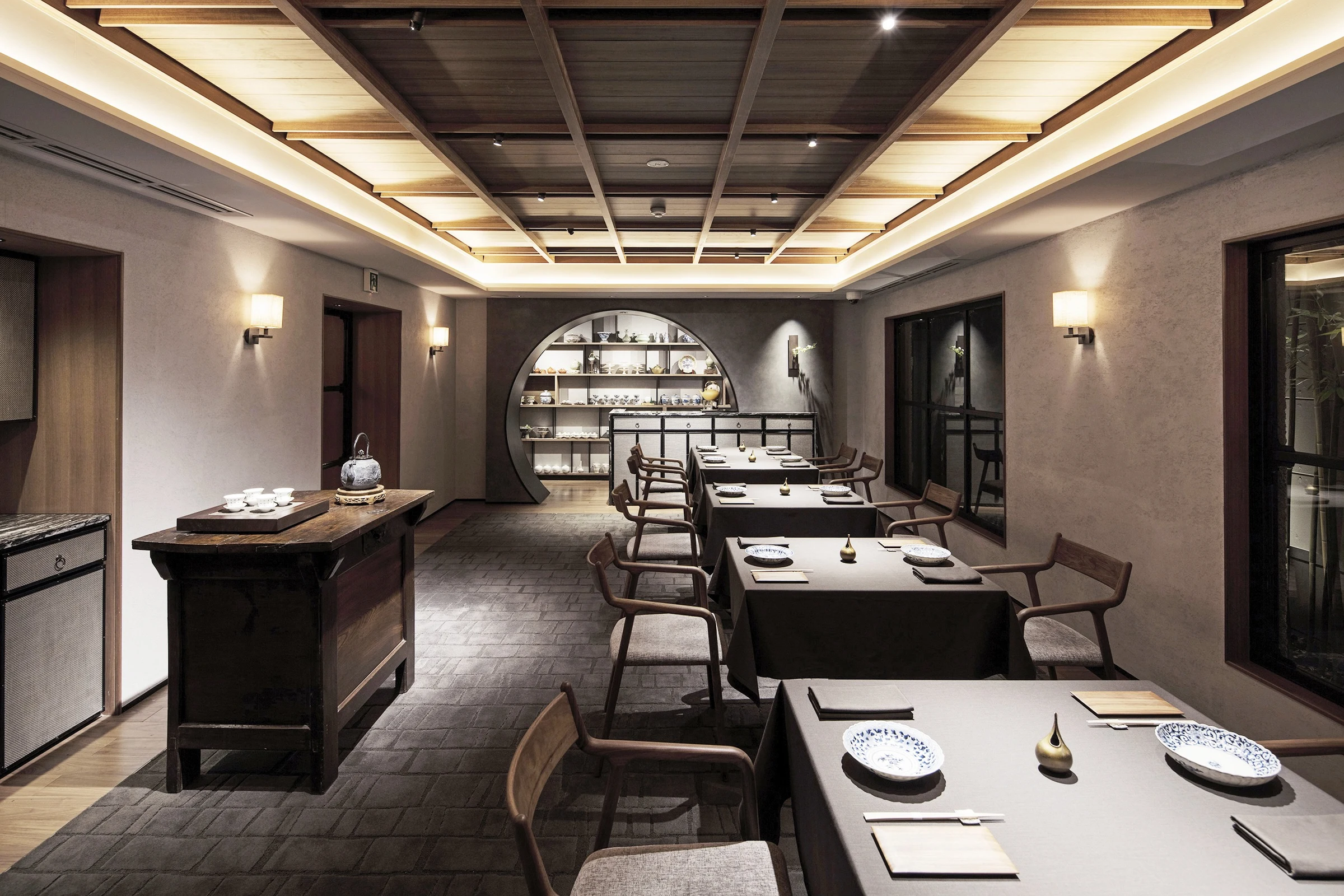
| Sazenka | Michelin 3 Stars, World's 50 Best | Modern Chinese Fine Dining | Tokyo |
In residence
Similar places
Modern Asian Fusion Fine Dining
Benu
San Francisco, United States
★★★ · 50 Best
Farm-to-Table Fine Dining
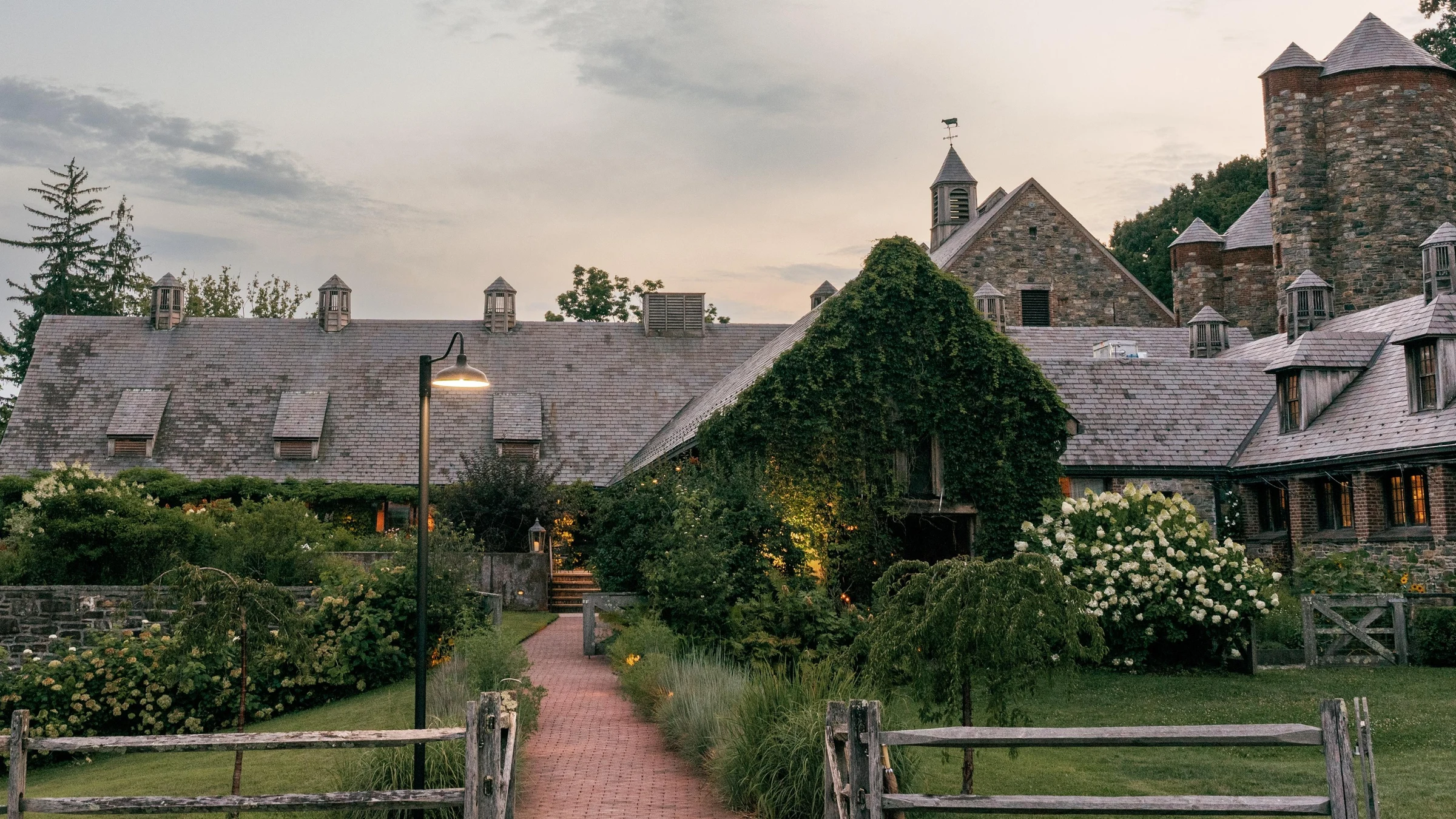
Blue Hill at Stone Barns
Tarrytown, United States
★★ · 50 Best
Modern Caribbean Prix Fixe
Kabawa
New York City, United States
50 Best
Modern Basque-Mediterranean Fine Dining
Lasarte
Barcelona, Spain
★★★
Modern Mexican Fine Dining
Pujol
Mexico City, Mexico
★★ · 50 Best
Modern Chinese Fine Dining
Sazenka
Tokyo, Japan
★★★ · 50 Best

The Sunday letter
Get the next Made By story in your inbox.
We send one email every Sunday morning with the places and people we covered that week.
See a sample of the Sunday emailOne email a week. Unsubscribe from any issue.