Alma Ezequiel Montilla
In Residence
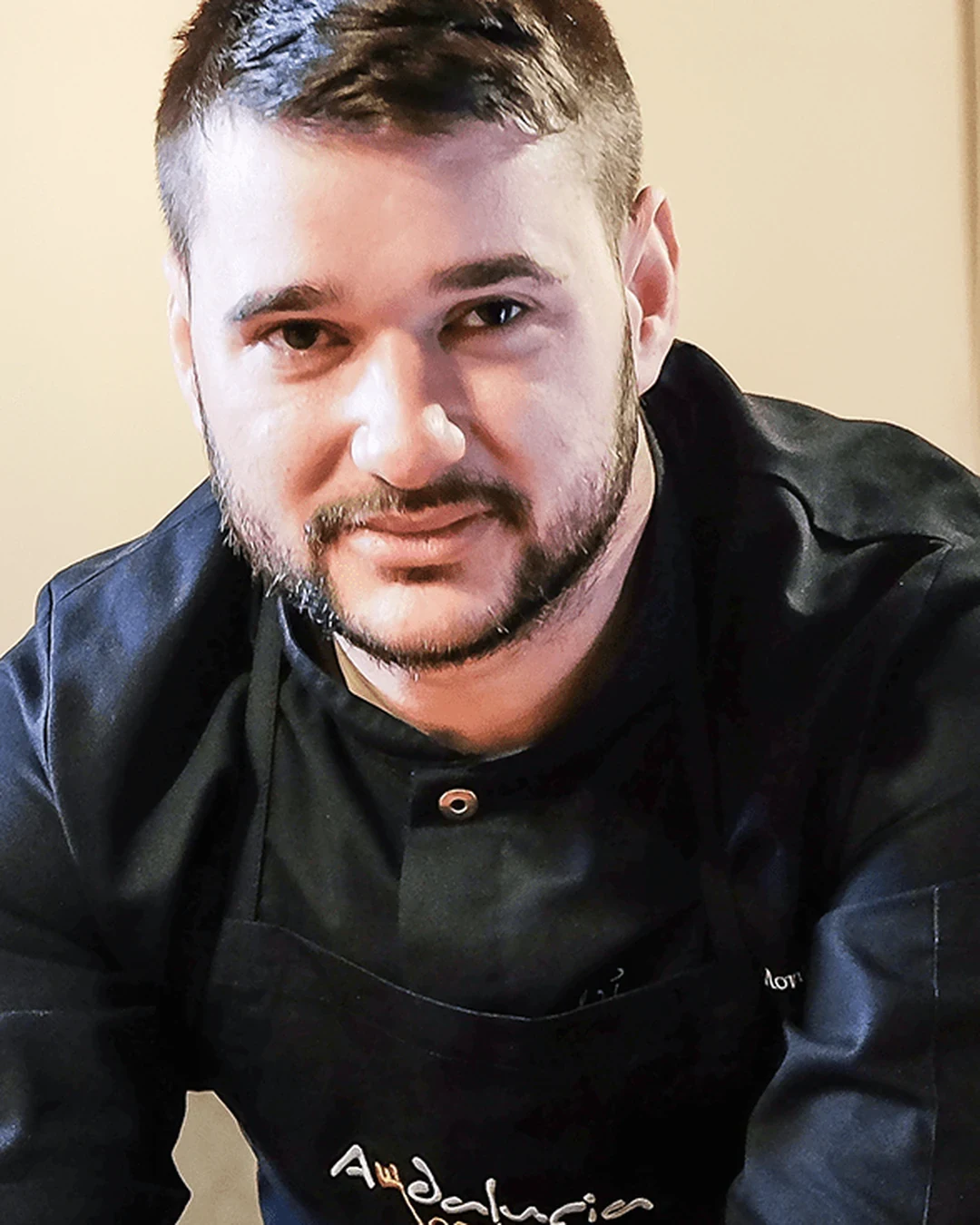
Ezequiel Montilla
Chef
- 01CuisineContemporary Mediterranean-Andalusian-Moroccan Fusion
- 02CityPuente Genil, Spain
- Michelin Bib Gourmand · Michelin Guide
- Macarfi 7.5 Food Rating · 2026
- Michelin Bib Gourmand · 2026
- Michelin Bib Gourmand · 2025
- Michelin Bib Gourmand · 2024
A Mansion That Sets the Terms
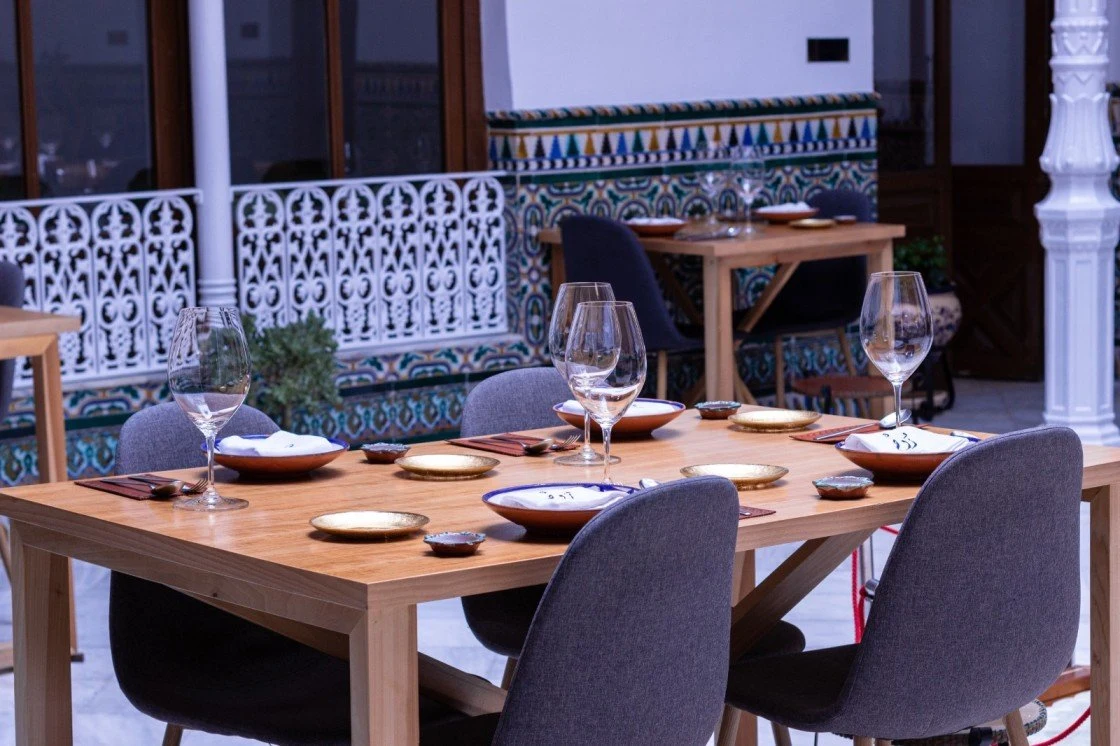
In Andalusia, the courtyard is not decoration, it is architecture with a social function, a way of organising space around light and water rather than walls and corridors. The central patio at Alma Ezequiel Montilla operates in exactly that tradition. Beneath a glass roof, a fountain modelled on one in the Generalife gardens in Granada anchors the room, while carved Arabian-inspired lattice windows and period tilework establish the visual register before a single dish arrives. The mansion on Calle Cuesta Borrego dates back a century, and the move to this address gave the restaurant a physical setting that its earlier location could not provide.
This matters editorially because the setting is not incidental to what chef Ezequiel Montilla is doing at the kitchen level. The dining room names, London, Marrakech, Casablanca, Córdoba, are not whimsy. They map directly onto the tasting menu structure, where three gastronomic threads running through Spain, Morocco, and broader Europe are given architectural expression in the rooms that frame them. Form and content are aligned in a way that is relatively rare outside large-budget city restaurants.
The Sunday letter
Find new places through the people who run them.
Our Sunday email brings you the chefs, winemakers and hoteliers behind our newest stories. See a sample before you subscribe.
See a sample of the Sunday emailOne email a week. Unsubscribe from any issue.
Where Bib Gourmand Recognition Points in Spain
Michelin's Bib Gourmand designation identifies restaurants delivering notable quality at moderate prices, and in Spain its distribution tells you something about where the guide sees accessible seriousness outside the headline tier. The country's multi-starred addresses, Arzak in San Sebastián, El Celler de Can Roca in Girona, Azurmendi in Larrabetzu, Aponiente in El Puerto de Santa María, Cocina Hermanos Torres in Barcelona, DiverXO in Madrid, Mugaritz in Errenteria, Quique Dacosta in Dénia, Martin Berasategui in Lasarte-Oria, and Ricard Camarena in València, operate at price points and in cities with the dining infrastructure to support them. Alma Ezequiel Montilla operates at €€ in a town of around 30,000 people in the province of Córdoba. Its Bib Gourmand recognition in 2024 and 2025 at that price point, in that location, reflects that value-for-ambition cooking is happening well outside the expected coordinates.
A Google score of 4.9 across 632 reviews reinforces the point from a different source. That combination of sustained critical recognition and consistent local approval is not common at the €€ tier anywhere in Spain.
The Kitchen's Trajectory and What It Reflects
The editorial angle here is not primarily the chef's biography but what his training represents as a pattern in contemporary Spanish gastronomy. Kitchens in Spain's mid-tier cities have increasingly drawn on chefs who trained or staged abroad before returning to their home regions with techniques and reference points that would previously have required a move to Madrid or Barcelona to deploy. Ezequiel Montilla's period cooking abroad is not incidental biographical detail, it is the explanation for why a restaurant in Puente Genil is running tasting menus structured around Moroccan and European gastronomic traditions rather than defaulting to traditional Córdoban fare.
The results are visible in the menu architecture. Two tasting menus, Riad and Medina, require 24-hour advance booking, which signals their complexity relative to the à la carte offer and the kitchen's need to source and prepare accordingly. The naming conventions for both menus and the dining rooms reference the cultural geography that Montilla absorbed during his time abroad, North African medina planning, the Moorish inheritance that runs through both Andalusia and Morocco, and these references are substantiated rather than decorative. This is a kitchen that has done the intellectual work to earn its framing.
Sourcing as a Structural Commitment
Among the more specific things the restaurant commits to publicly is its sourcing geography. Vegetables come from Puente Genil's own agricultural hinterland. Wine is drawn from the Montilla-Moriles designation, the DO that operates directly south of Córdoba and produces Pedro Ximénez-based wines that are often overshadowed by Jerez despite sharing the same grape. Meat comes from the Valle de Los Pedroches, the dehesa-covered valley north of Córdoba where Iberian pig and cattle farming has been practised for centuries under the cork and holm oaks. Fish arrives from the Andalucian coast.
This is not a tokenistic local-sourcing footnote. The sourcing geography maps neatly onto the three gastronomic corridors the menus follow, Spain, Morocco, Europe, with the Spanish thread grounded in ingredients that have specific Andalucian identities. Pairing Montilla-Moriles wines with dishes in a restaurant named after the same appellation zone creates a coherence that is relatively easy to appreciate without specialist knowledge, and it gives the wine list an editorial logic rather than the default Rioja-and-Ribera-del-Duero structure that dominates most mid-range Spanish restaurants.
The restaurant's recycling commitment sits alongside the sourcing policy as part of the same operational philosophy: a kitchen serious about where ingredients come from tends also to be serious about what happens to them afterwards.
The Physical Setting in More Detail
Century-old Andalucian mansions of this type were built for a specific climatic and social purpose. The thick walls insulate against summer heat. The central patio, open to the sky or glass-covered, creates a microclimate and a focal point for household life. The arches, tilework, and lattice windows that the awards description references are hallmarks of the Mudejar-influenced domestic architecture that remained common in towns like Puente Genil long after it had been displaced in larger Andalucian cities by successive waves of European architectural fashion.
What Alma Ezequiel Montilla has done is use that inherited spatial logic to support a specific dining format. The glass roof over the central patio means it functions year-round regardless of weather. The private room available for business meetings is a practical amenity that the period architecture makes more appealing than a dedicated private dining room in a purpose-built restaurant would be. The dining rooms named for cities, Córdoba among them, give groups a degree of spatial identity within a larger building that could otherwise feel diffuse.
For comparison with how international mid-tier restaurants handle the relationship between setting and menu identity, the approaches taken at Loumi in Berlin and Haubentaucher in Rottach-Egern show the range of solutions available when an international menu is presented in a strongly characterised space.
Planning a Visit
Puente Genil sits on the A-45 motorway between Córdoba and Málaga, roughly equidistant between the two, which makes it accessible as a standalone destination from either city or as a stop on a longer Andalucian route. The restaurant is at Calle Cuesta Borrego, 3, in central Puente Genil. If you intend to order either of the two tasting menus, Riad or Medina, the 24-hour advance booking requirement means you cannot decide on the day; factor that into the planning. The €€ price positioning means the tasting menu experience here costs meaningfully less than comparable format restaurants in Córdoba, Sevilla, or Málaga, which adds to the value argument the Bib Gourmand is already making.
For a broader orientation to eating and drinking in the area, the local dining scene includes Casa Pedro, which anchors the traditional cuisine side of the local offer. If you are extending the trip, our Puente Genil hotels guide, bars guide, wineries guide, and experiences guide cover the wider local options.
Questions
Frequently asked
What recognition does Alma Ezequiel Montilla hold?
Alma Ezequiel Montilla holds a Michelin Bib Gourmand.
Who works at Alma Ezequiel Montilla?
Made By profiles Ezequiel Montilla (Chef) at Alma Ezequiel Montilla.
How expensive is Alma Ezequiel Montilla?
Alma Ezequiel Montilla is listed at a price level of $$$.
Where is Alma Ezequiel Montilla and what does it serve?
Alma Ezequiel Montilla is in old town, Puente Genil, serving Contemporary Mediterranean-Andalusian-Moroccan Fusion.
The field
How it compares
| Place | Cuisine | Notes | Awards |
|---|---|---|---|
| Alma Ezequiel Montilla | Contemporary Mediterranean-Andalusian-Moroccan Fusion | old town, $$$ | · |
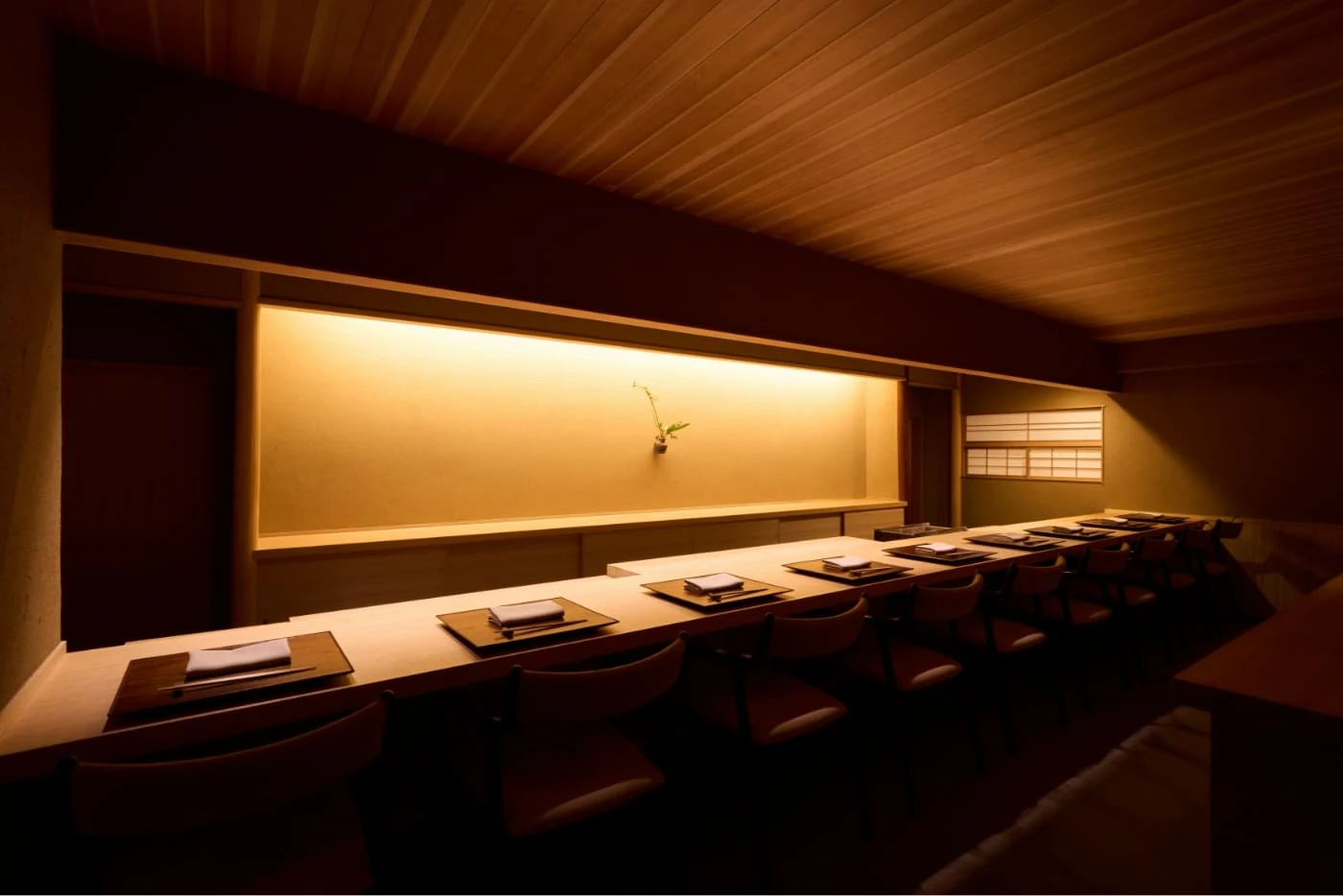
| Den | Modern Japanese Kaiseki | Tokyo | Michelin 2 Stars, World's 50 Best |
| El Celler de Can Roca | Creative Catalan Fine Dining | Girona | Michelin 3 Stars, World's 50 Best |
| Myojaku | Modern Minimalist Kaiseki | Tokyo | Michelin 3 Stars, World's 50 Best |
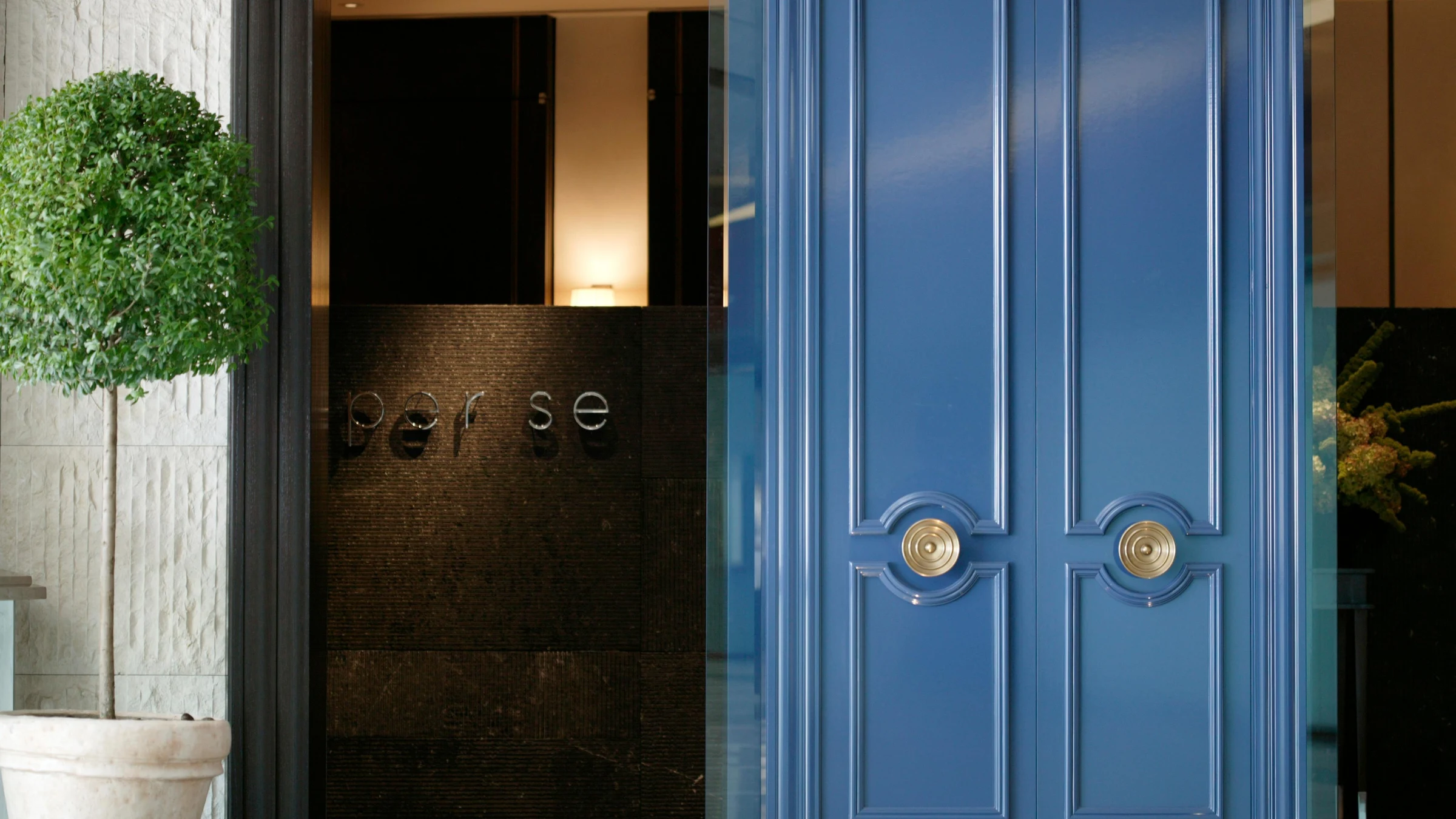
| Per Se | French Fine Dining Tasting Menu | New York City | Michelin 3 Stars, World's 50 Best |
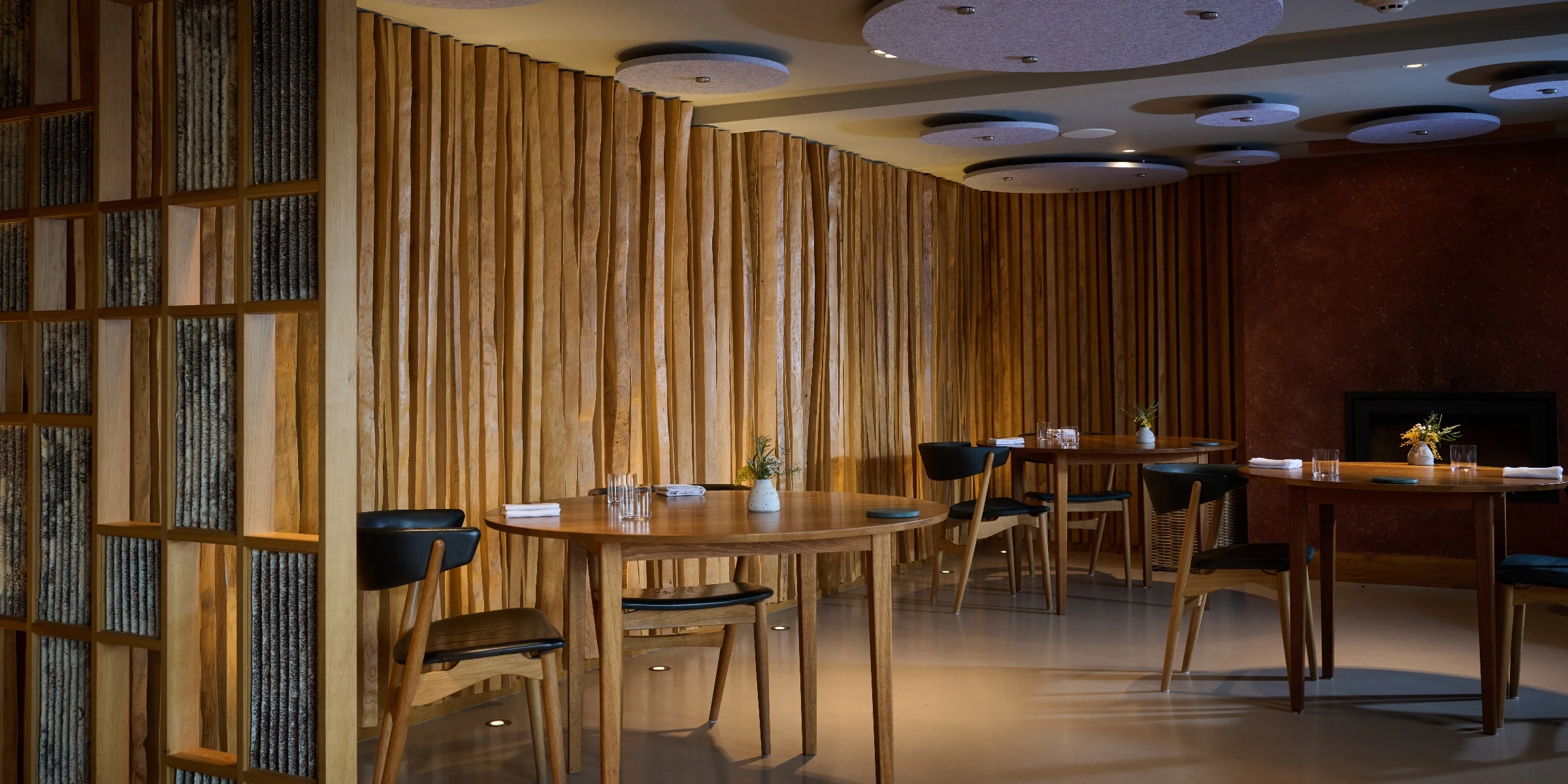
| Restaurant Sat Bains | Modern British Fine Dining | Nottingham | Michelin 2 Stars |
| The Angel | Modern British-Japanese Fusion | Hetton | Michelin 1 Star |
In residence
Similar places
Modern Japanese Kaiseki
Den
Tokyo, Japan
★★ · 50 Best
Creative Catalan Fine Dining
El Celler de Can Roca
Girona, Spain
★★★ · 50 Best
Modern Minimalist Kaiseki
Myojaku
Tokyo, Japan
★★★ · 50 Best
French Fine Dining Tasting Menu
Per Se
New York City, United States
★★★ · 50 Best
Modern British Fine Dining
Restaurant Sat Bains
Nottingham, United Kingdom
★★
Modern British-Japanese Fusion
The Angel
Hetton, United Kingdom
★
The Sunday letter
Get the next Made By story in your inbox.
We send one email every Sunday morning with the places and people we covered that week.
See a sample of the Sunday emailOne email a week. Unsubscribe from any issue.