Made ByRestaurant
Amanfayun
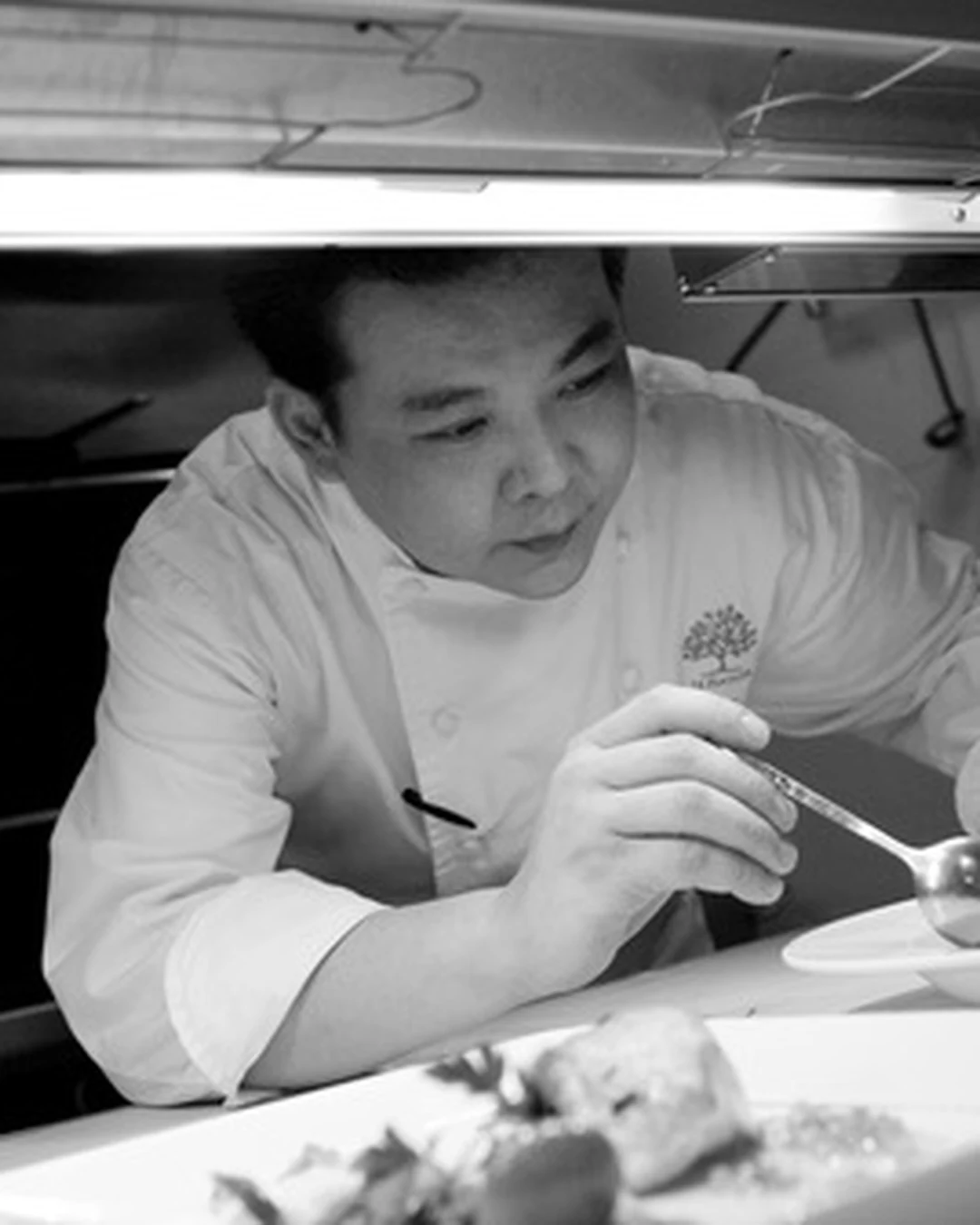
Chef in Residence
Mon Chai Ling
Chef
- 01CuisineTraditional Hangzhou Chinese with Western Options
- 02CityHangzhou, China
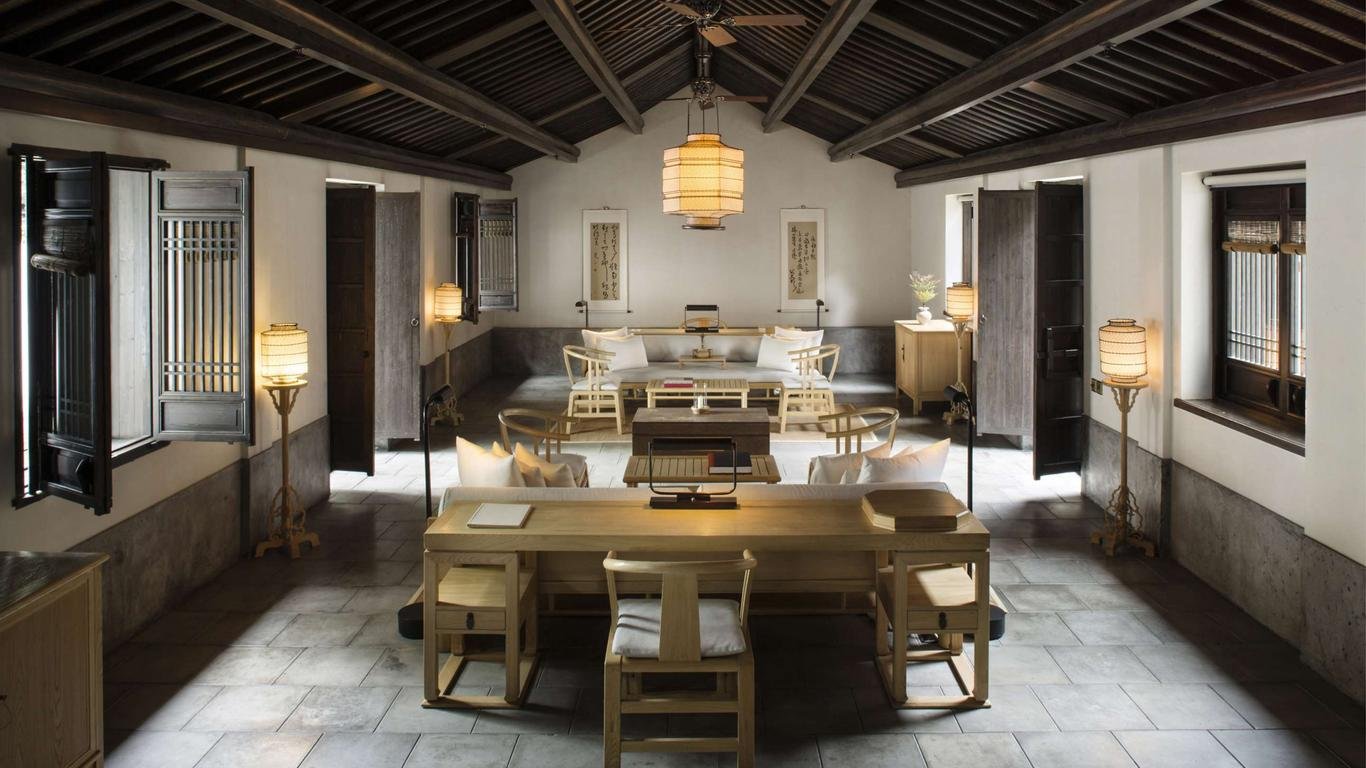
Ranked #355 in Asia by Opinionated About Dining in 2024 and climbing to #375 in 2025, Amanfayun occupies a distinctive position among Hangzhou's Zhejiang dining establishments, set within the West Lake area's storied bamboo groves. Under Chef Mon Chai Ling, the kitchen works within a communal Chinese format that rewards groups willing to commit to the full banquet rhythm.
At a glance
- Cuisine
- Traditional Hangzhou Chinese with Western Options
- Price
- $$$$
- Per person
- $378
- Neighborhood
- West Lake Scenic Area
- Rating
- 4.5 (53)
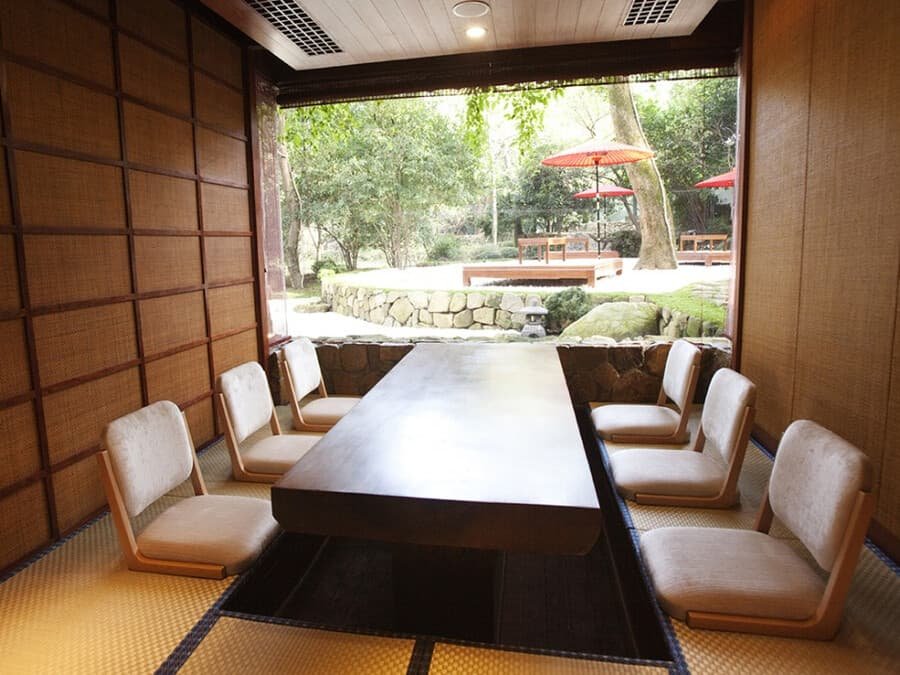
<h2>Where the Bamboo Meets the Banquet</h2><p>Approaching Amanfayun along the West Lake district of Hangzhou, the shift in atmosphere is gradual and deliberate. The surrounding bamboo groves and preserved village lanes create a quietude that most urban dining rooms spend considerable effort and budget attempting to simulate. Here, the setting is a cluster of restored Song Dynasty-era tea farmer dwellings that frame the experience before a single dish reaches the table. Hangzhou has long traded on this kind of layered cultural atmosphere, and Amanfayun sits at the intersection where serious Chinese cooking and heritage environment reinforce one another.</p><p>Zhejiang cuisine, of which Hangzhou cooking is the most refined expression, operates on principles quite different from the bolder registers of Sichuan or Cantonese cooking. The tradition prizes freshness over complexity, subtlety over heat, and seasonal produce sourced from the surrounding region. Dragon Well tea, West Lake vinegar fish, and Dongpo pork are the canonical dishes, and the better Zhejiang kitchens use them as a baseline from which to build a broader banquet logic rather than treating them as standalone showpieces. Chef Mon Chai Ling works within this framework, and the kitchen's recognition by Opinionated About Dining, ranked in Asia consecutively since 2023, reaching #355 in 2024 and #375 in 2025, places it within a competitive field.</p><h2>The Choreography of a Shared Table</h2><p>Communal dining in the Chinese tradition is not merely a seating arrangement. It is a specific choreography with its own grammar: the lazy Susan as axis, the progression from cold appetisers through braised mains to rice and soup, the way a host signals esteem through the volume and precision of the dishes ordered. Amanfayun's setting amplifies this logic. Private dining rooms and pavilion spaces within the property lend themselves to the kind of multi-course banquet format where the full rotation of a table tells the story of a region's larder.</p><p>In Hangzhou's premium Zhejiang tier, this format is the standard rather than the exception. Peers like <a href="https://www.enprimeurclub.com/restaurants/ru-yuan-hangzhou-restaurant">Ru Yuan</a>, which holds two Michelin stars and sits at the ¥¥¥¥ price point, and <a href="https://www.enprimeurclub.com/restaurants/guiyu-xihu-hangzhou-restaurant">Guiyu (Xihu)</a> also frame their menus around shared progression. What distinguishes properties within this tier is not departure from the banquet format but depth of execution within it: the quality of sourcing, the timing of dishes, the restraint applied to seasoning. <a href="https://www.enprimeurclub.com/restaurants/hangzhou-house-hangzhou-restaurant">Hangzhou House</a> and <a href="https://www.enprimeurclub.com/restaurants/jie-xiang-lou-hangzhou-restaurant">Jie Xiang Lou</a> represent adjacent points in the same tier, each anchoring their identity in the Zhejiang canon while calibrating for different guest profiles.</p><p>For context across Chinese fine dining more broadly, the banquet format holds across geographies and price brackets. <a href="https://www.enprimeurclub.com/restaurants/xin-rong-ji-xinyuan-south-road-beijing-restaurant">Xin Rong Ji on Xinyuan South Road in Beijing</a> and <a href="https://www.enprimeurclub.com/restaurants/xin-rong-ji-chengdu-restaurant">Xin Rong Ji in Chengdu</a> apply a similar shared-table logic to Taizhou cuisine at different price tiers, while <a href="https://www.enprimeurclub.com/restaurants/imperial-treasure-fine-chinese-cuisine-guangzhou-restaurant">Imperial Treasure Fine Chinese Cuisine in Guangzhou</a> and <a href="https://www.enprimeurclub.com/restaurants/dai-yuet-heen-nanjing-restaurant">Dai Yuet Heen in Nanjing</a> demonstrate how this structure translates across regional traditions. Even internationally, properties like <a href="https://www.enprimeurclub.com/restaurants/chef-tams-seasons-macau-restaurant">Chef Tam's Seasons in Macau</a>, <a href="https://www.enprimeurclub.com/restaurants/102-house-shanghai-restaurant">102 House in Shanghai</a>, Mister Jiu's in San Francisco, and <a href="https://www.enprimeurclub.com/restaurants/restaurant-tim-raue-berlin-restaurant">Restaurant Tim Raue in Berlin</a> move through the shared Chinese table in formats adapted for their respective contexts.</p><h2>Hangzhou's Premium Zhejiang Tier</h2><p>Hangzhou's fine dining scene has consolidated around two distinct segments. The first is the Michelin-decorated tier, where properties like <a href="https://www.enprimeurclub.com/restaurants/ru-yuan-hangzhou-restaurant">Ru Yuan</a> at two stars anchor one end of the premium bracket. The second is an OAD-recognised tier of restaurants with serious culinary credentials but less formal structure, where Amanfayun's consecutive rankings signal sustained relevance among the Asia region's most engaged dining community. OAD rankings are compiled through critic and peer voting rather than anonymous inspector visits, which means they often surface properties where the overall experience, including setting and service, contributes to a compelling whole.</p><p>The West Lake address is not incidental. Xihu is among China's most referenced natural and cultural sites, and the density of quality dining in the area reflects decades of hospitality investment calibrated to guests who arrive with refined expectations and time to spend. This is not a district optimised for quick meals. Properties in the area, Amanfayun among them, are positioned for longer, more ceremonial dining occasions. For contrast, <a href="https://www.enprimeurclub.com/restaurants/ambre-ciel-hangzhou-restaurant">Ambré Ciel</a> represents Hangzhou's innovative contemporary register, which approaches the same quality tier from a French-influenced format.</p><h2>Planning Your Visit</h2><p>Amanfayun's position within the West Lake conservation area means access requires some orientation. The broader Xihu district is navigable by taxi from central Hangzhou, and the property's village setting means arrival on foot from the lakeside paths is a legitimate option for visitors staying nearby. The communal dining format rewards groups of four or more, where the full range of the kitchen's output can be spread across a table without the constraints of ordering for two. Solo diners and couples visit, but the banquet logic lands differently with fewer people to share dishes across courses.</p><p>Booking in advance is the practical approach for any visit to a property at this recognition level, particularly given the private room inventory that defines the premium banquet experience. Specific booking methods and current hours are best confirmed directly with the property. For broader context on where Amanfayun fits within the city's dining options, our full Hangzhou restaurants guide covers the scene across price tiers and cuisine types. If you are planning a longer stay, our Hangzhou hotels guide, bars guide, wineries guide, and experiences guide provide additional coverage across the city's hospitality register.</p>
Know before you go
- Dress code
- smart_casual
- Reservations
- essential
- Parking
- on_site_lot
- Payment
- credit_card
- Outdoor seating
- Yes
- Groups
- Welcomed
Frequently asked
Who is the chef at Amanfayun?
The chef associated with Amanfayun is Mon Chai Ling.
What awards or recognition does Amanfayun have?
Amanfayun has received recognition including: Opinionated About Dining Top Restaurants in Asia Ranked #375 (2025); Opinionated About Dining Top Restaurants in Asia Ranked #355 (2024); Opinionated About Dining Top Restaurants in Asia Recommended (2023).
What do regulars order at Amanfayun?
Amanfayun's kitchen centres on classical Zhejiang cooking, the regional tradition that Hangzhou has long anchored in China's culinary canon. Signature dishes in this tradition typically include slow-braised pork, fresh-water fish preparations from the West Lake, and tea-inflected dishes drawing on the surrounding Longjing plantations. The menu follows seasonal availability given the restaurant's position within the West Lake conservation area.
What's the address for Amanfayun?
Amanfayun is located at Xihu, Hangzhou, China, 310058, Hangzhou.
Can I walk in to Amanfayun?
Amanfayun sits within the Xihu West Lake conservation district, a protected zone where access requires some orientation and taxi navigation rather than a casual stroll from central Hangzhou. Walk-ins are not well-suited to this setting; the restaurant operates within the Aman property, where reservations align with the formality of the dining experience. Contacting the Amanfayun hotel directly is the practical route to securing a table.
What has Amanfayun built its reputation on?
Amanfayun has earned consecutive recognition on Opinionated About Dining's Asia rankings — Recommended in 2023, #355 in 2024, and #375 in 2025 — placing it within a comparable set of serious Chinese regional restaurants rather than the international hotel dining category. Its standing rests on fidelity to Zhejiang culinary tradition inside a setting that is architecturally and ecologically distinct: a preserved village of Song and Ming-dynasty tea farmers' houses within the West Lake conservation area. That combination of place and culinary specificity is what separates it from Hangzhou's broader hotel dining tier.
Address
Xihu, Hangzhou, China, 310058
West Lake Scenic Area
How it compares
- Notes
- Hangzhoushi, Traditional Hangzhou Chinese with Western Options
- Price
- $$$$
- Notes
- Hangzhoushi, Zhejiang Fine Dining
- Price
- $$$$
- Notes
- XiHu District, Hangzhou Cuisine
- Price
- $$$$
- Notes
- Hangzhoushi, Modern Zhejiang (Jiangnan)
- Price
- $$$$
- Notes
- Hangzhoushi, Classic Cantonese
- Price
- $$$
- Notes
- Hangzhoushi, Traditional Hangzhou Cuisine
- Price
- $$$
In residence
Similar places
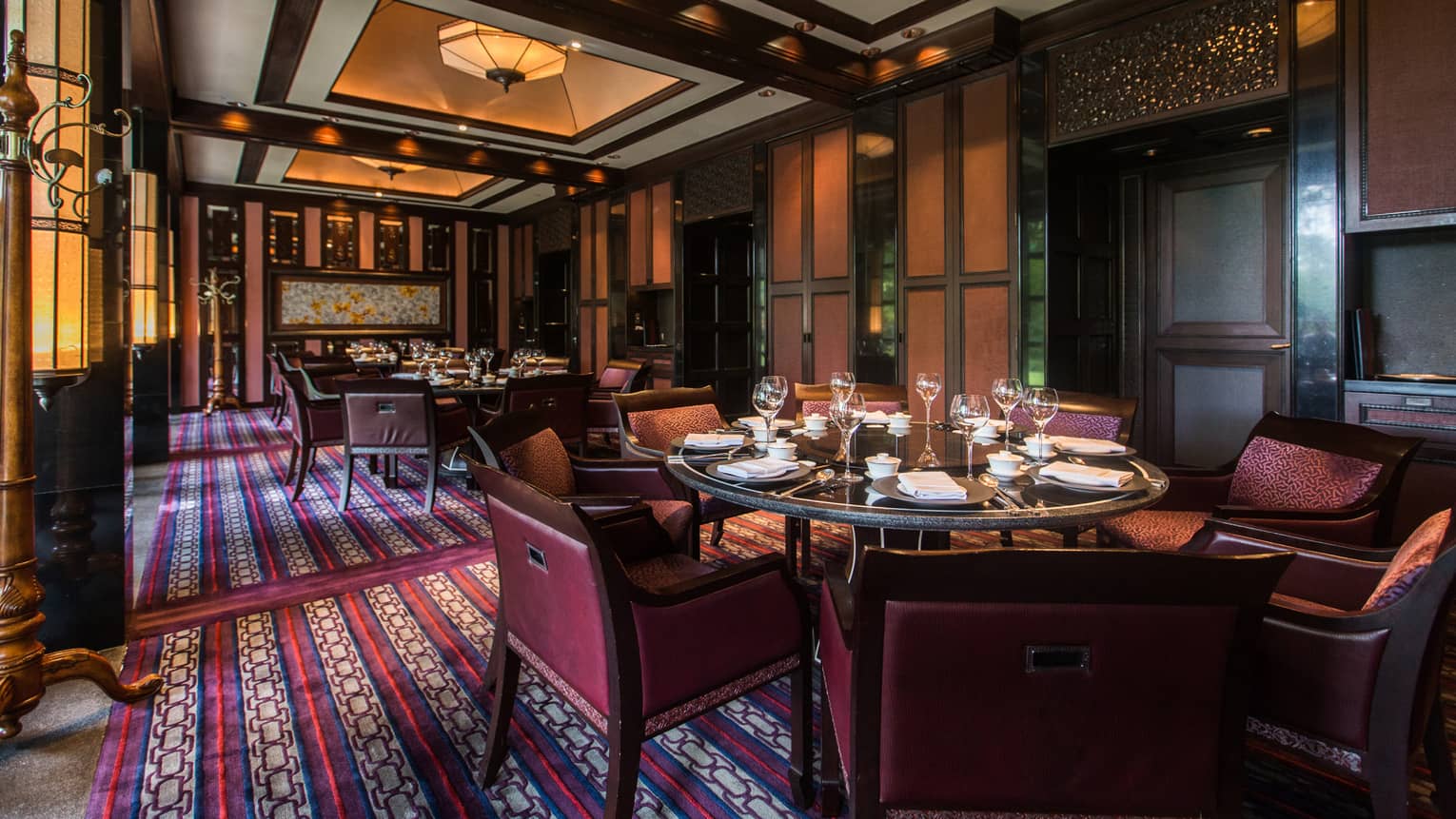
Modern Zhejiang Fine Dining
Jin Sha
Hangzhou, China
★ · 50 Best
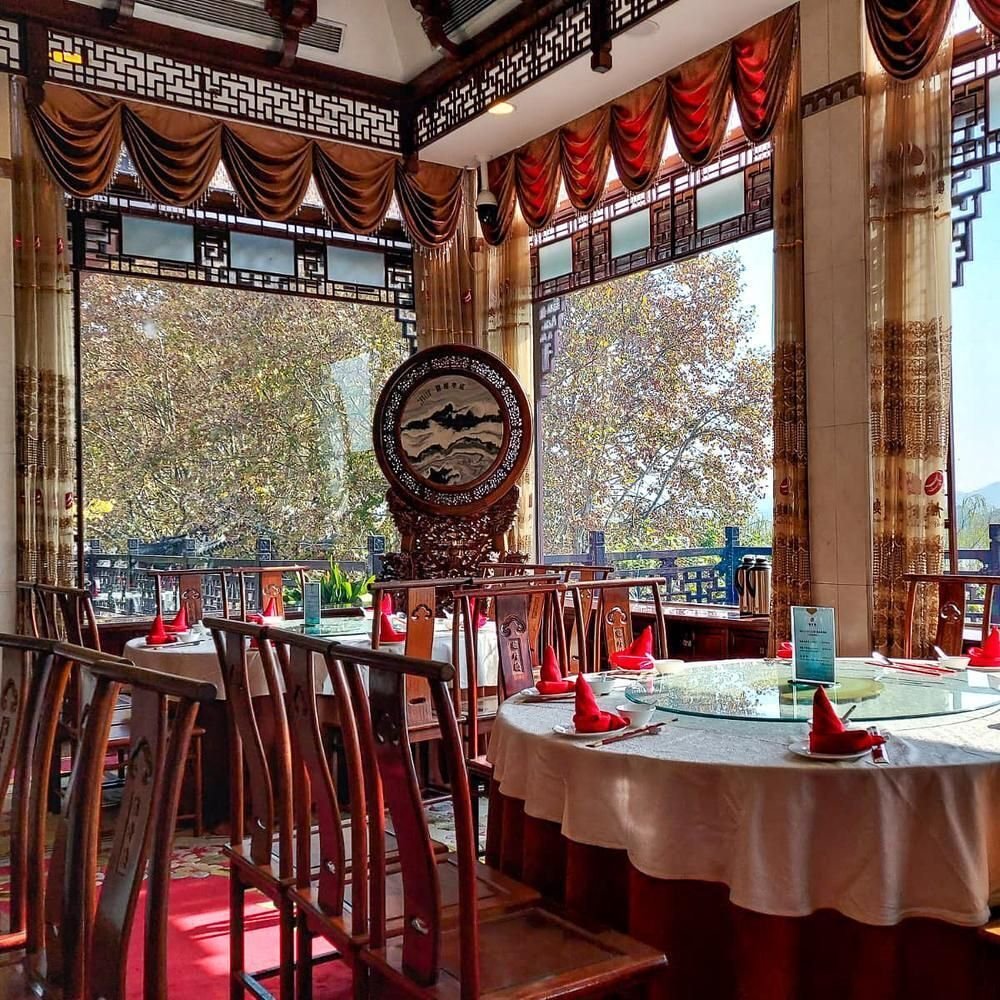
Modern Hangzhou Fine Dining
Ru Yuan
Hangzhou, China
★★ · 50 Best
Modern Jiangnan Cuisine
Jie Xiang Lou
Hangzhou, China
★
Taizhou Cuisine
Xin Rong Ji
Hangzhou, China
★
Innovative Cuisine
Wild Yeast
Hangzhou, China
★
Modern Zhejiang Fine Dining
28 Hubin Road
Hangzhou, China