Dry-grown Pinot Noir at 570m
- Falstaff Winery - Listed · 2026
- Pearl 2 Star Prestige · 2025
Since 1982, one estate voice
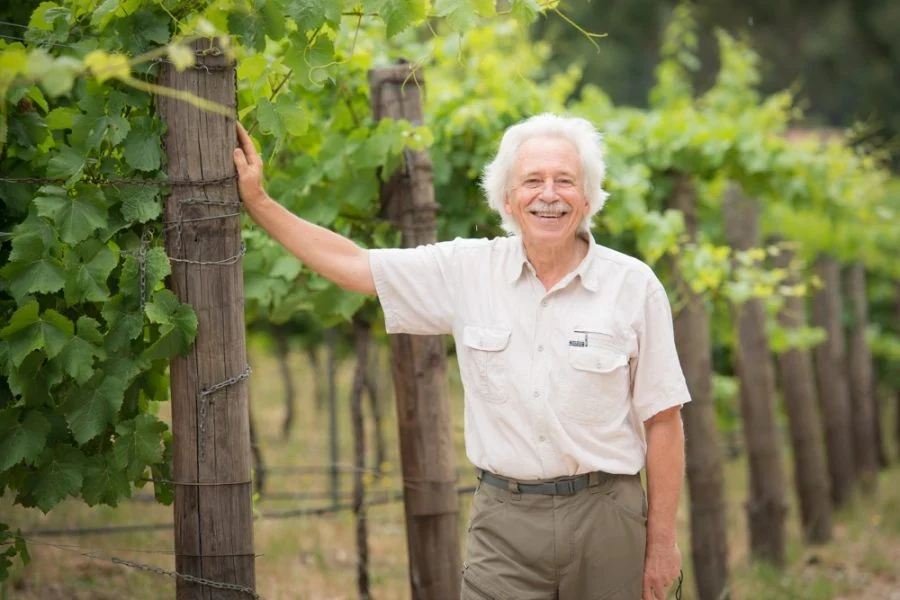
Stephen George tastes for Pinot Noir’s line as winemaker at Ashton Hills Vineyard in Piccadilly Valley, Adelaide Hills. Since 1982 he has been the founder and winemaker here, a long station held on a ridge below the Mount Lofty summit, where the vineyard sits at 570m. His apprenticeship was not presented as a formal school. It came through work: winemaker at Skillogalee Winery in the Clare Valley until 1982, time at Wendouree in Clare Valley, then the decision to make Ashton Hills the place where his judgment would stay.
That continuity matters because this is not a broad, shifting program built around spectacle. The public face of George’s work rests on Ashton Hills Estate Pinot Noir and Ashton Hills riesling, two wines that ask for different parts of the hand. Pinot Noir carries the estate’s reputation for cool-climate red wine; riesling gives a clearer, more linear reading of the same patience. The role has been one of stewardship rather than rotation, year after year, with the maker staying close enough to the vineyard for style to become memory.
The Sunday letter
Find new places through the people who run them.
Our Sunday email brings you the chefs, winemakers and hoteliers behind our newest stories. See a sample before you subscribe.
See a sample of the Sunday emailOne email a week. Unsubscribe from any issue.
Dry-grown fruit on a high ridge
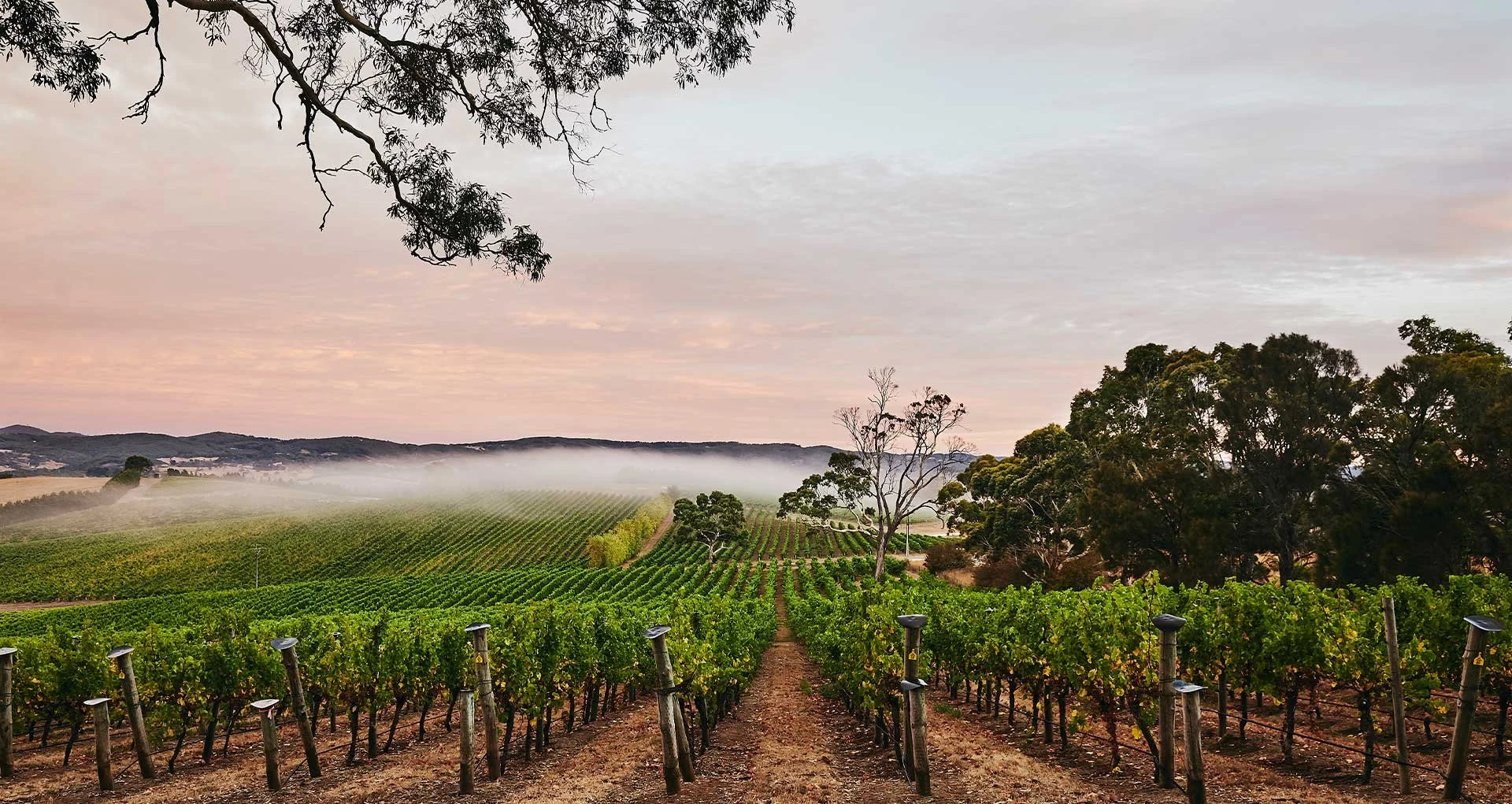
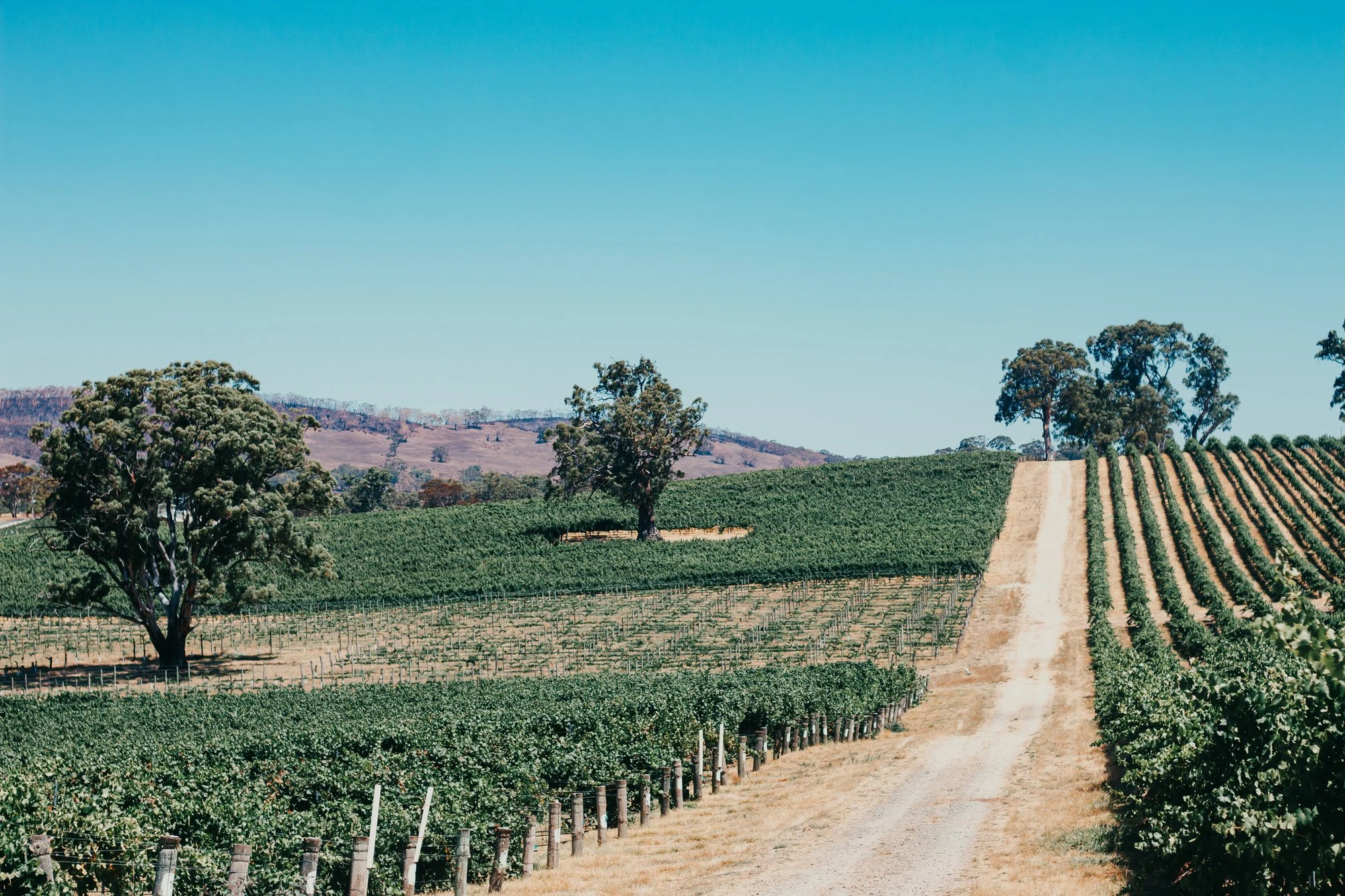
The vineyard’s discipline begins with its site. Ashton Hills is a small, sustainable, dry-farmed estate in the Piccadilly Valley, set high in the Adelaide Hills, with Pinot Noir, Chardonnay and Riesling at the center of the work. The house is known for still red and still white wines, with sparkling and rosé also part of the range, but the emphasis returns to cool-climate tension rather than weight.
Dry-grown vines change the conversation at the bench. They ask the grower and winemaker to accept the season more directly, without smoothing every edge through irrigation. At 570m, below Mount Lofty, ripening has its own tempo; acidity, skin maturity and fragrance have to be read together. George’s signature wines make that reading public. Ashton Hills Estate Pinot Noir is the wine most closely tied to his name, while Ashton Hills riesling gives the estate another register, one built on clarity rather than breadth.
The tin shed and the cellar door
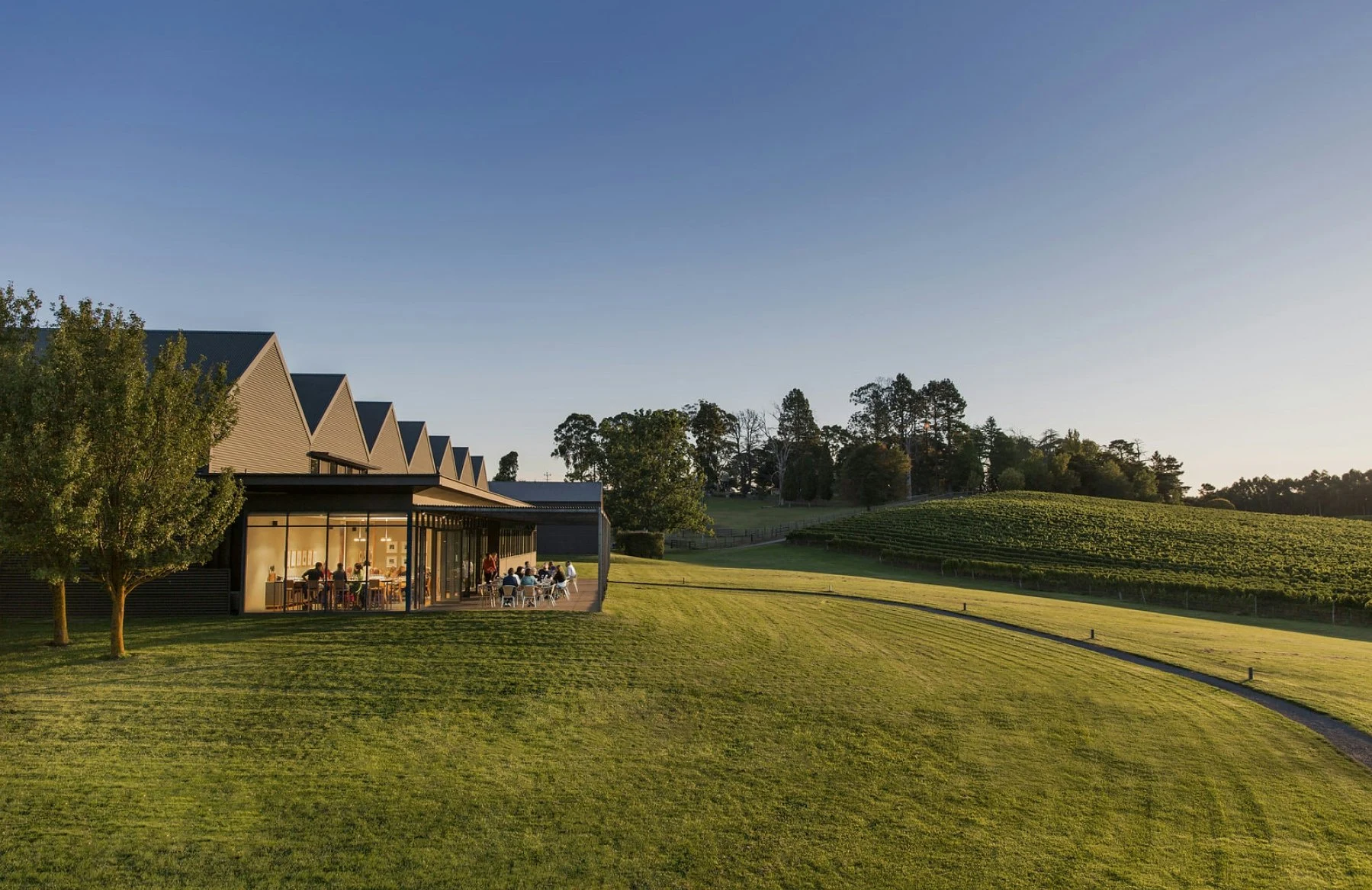
The cellar door keeps the scale close to the hand. It is a rustic tin shed looking over the vines, with a fireplace inside and vineyard views beyond the room. Nothing in that setting tries to separate the tasting from the place that made the wine. The ridge is present through the glass, the slope, the quiet, the sense that the cellar door belongs to a working vineyard rather than a designed stage.
In that kind of room, Pinot Noir does not need a lecture. It has the advantage of proximity: the fruit grows outside, the winemaker’s name is attached to the estate, and the line from Clare Valley discipline to Piccadilly Valley persistence remains visible. The next pour to hold against the ridge is Ashton Hills Estate Pinot Noir.
Questions
Frequently asked
Who makes the wine at Ashton Hills Vineyard?
Stephen George has been the founder and winemaker at Ashton Hills Vineyard since 1982.
What wines is Ashton Hills Vineyard best known for?
The public face of the estate’s work rests on Ashton Hills Estate Pinot Noir and Ashton Hills riesling.
What kind of vineyard is Ashton Hills Vineyard?
It is a small, sustainable, dry-farmed estate in the Piccadilly Valley, set high in the Adelaide Hills at 570 metres below the Mount Lofty summit.
What is the cellar door like?
The cellar door is a rustic tin shed looking over the vines, with a fireplace inside and vineyard views beyond the room.
Do you need to book a visit?
Reservations are recommended.
The field
How it compares
| Place | Notes |
|---|---|
| Ashton Hills Vineyard | Piccadilly Valley, $$$ |
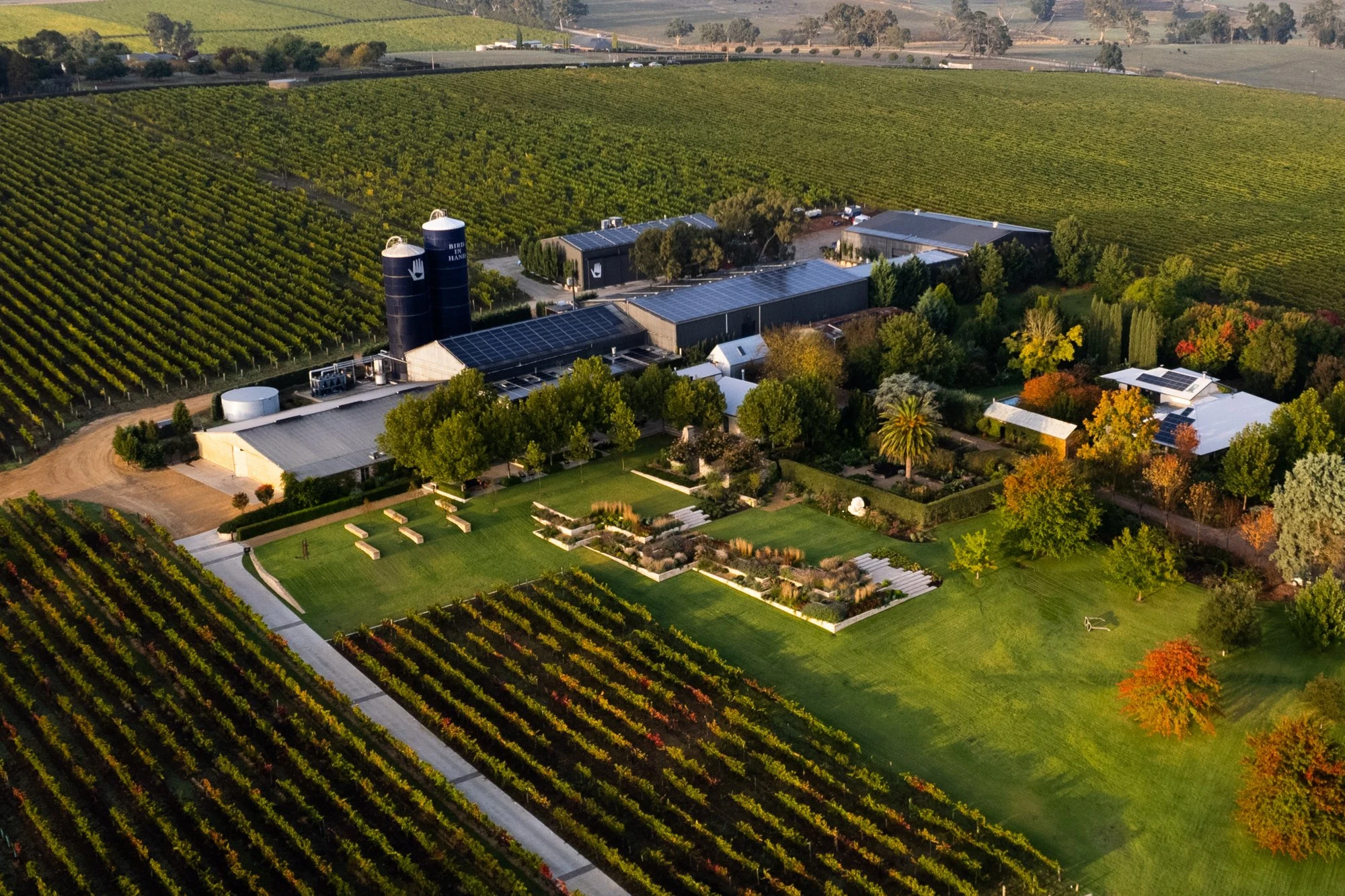
| Bird in Hand | Adelaide Hills |
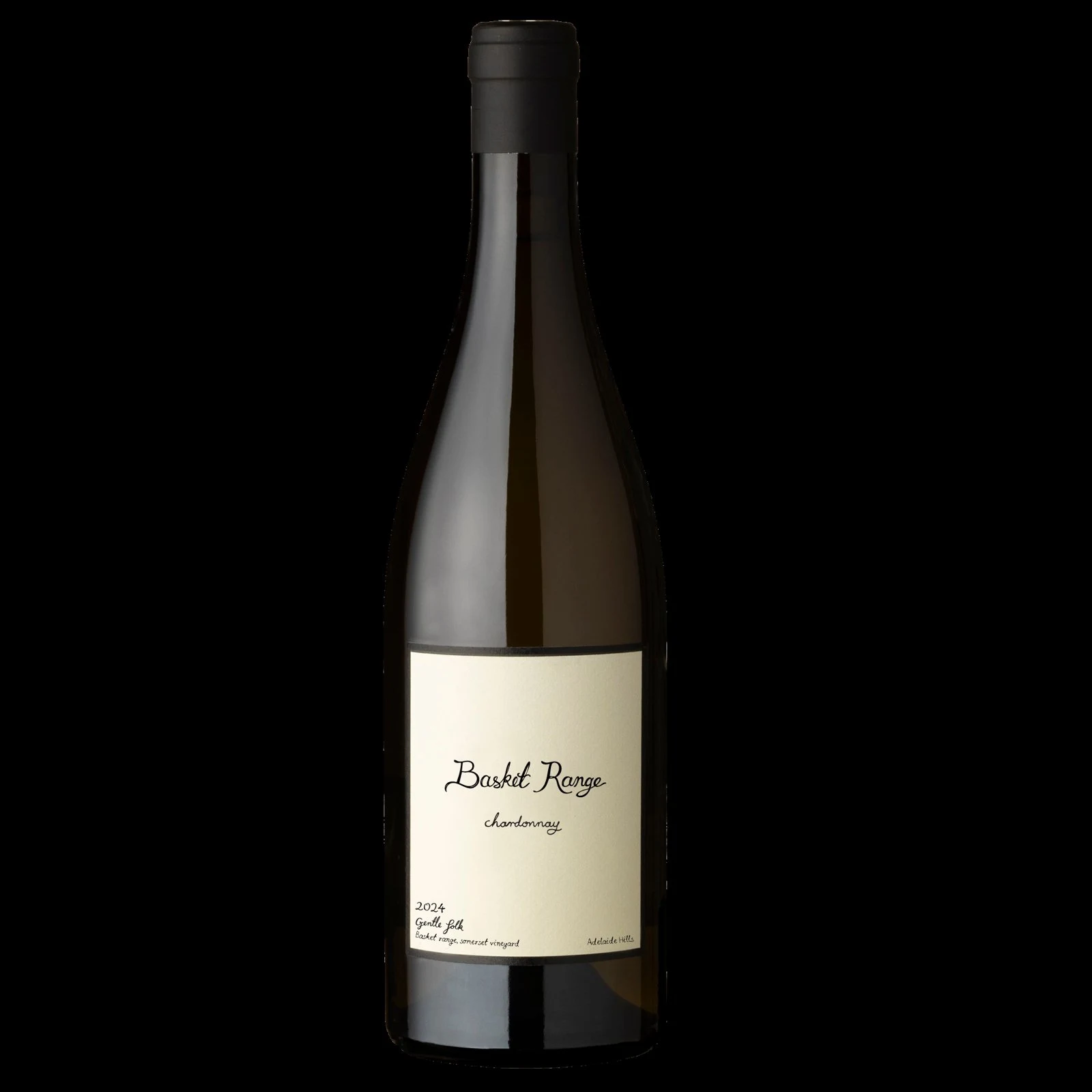
| Gentle Folk | Adelaide Hills |
| Nepenthe | Adelaide Hills |
| Ochota Barrels | Adelaide Hills |
| Shaw + Smith | Adelaide Hills |
| Unico Zelo | Adelaide Hills |
In residence
Similar places
The Sunday letter
Get the next Made By story in your inbox.
We send one email every Sunday morning with the places and people we covered that week.
See a sample of the Sunday emailOne email a week. Unsubscribe from any issue.