Made ByRestaurant
Au Pied de Cochon

Chef in Residence
Martin Picard
Chef
- 01CuisineFrench-Canadian Brasserie
- 02CityMontréal, Canada
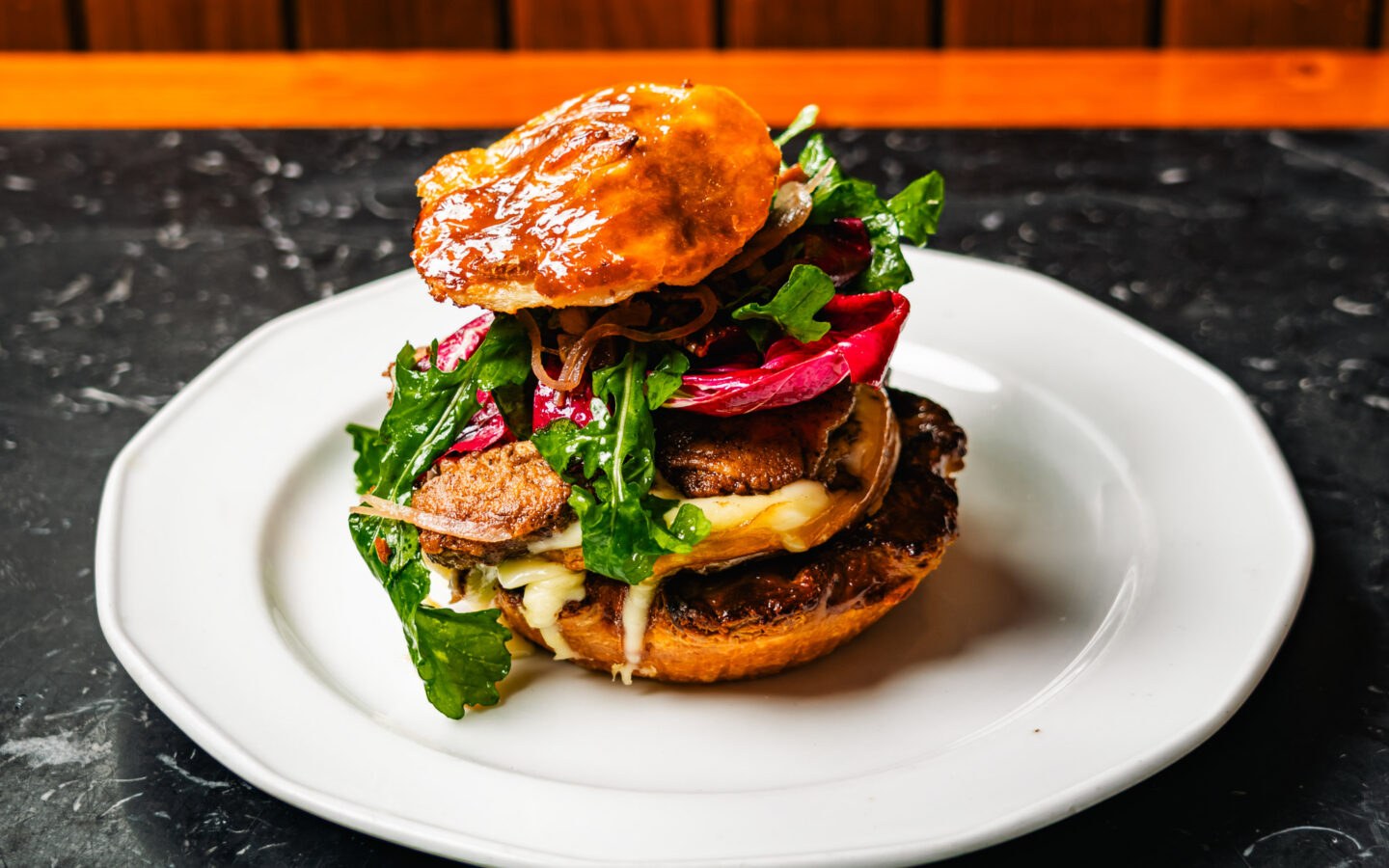
Au Pied de Cochon on Avenue Duluth has spent more than two decades making the case that Quebec's cooking tradition belongs on the same conversation as any serious French regional cuisine. Chef Martin Picard's foie gras poutine and duck in a can have become reference points for Montreal dining, backed by Michelin Plate recognition and consistent Opinionated About Dining rankings across both North American and European casual tiers.
- Wine Spectator · Tier 2
At a glance
- Cuisine
- French-Canadian Brasserie
- Price
- $$$
- Per person
- $100
- Hours
- Mon: Closed; Tue: Closed; Wed: 5–11 PM; Thu: 5–11 PM; Fri: 5–11 PM; Sat: 5–11 PM; Sun: 5–11 PM
- Neighborhood
- Le Plateau Mont-Royal
- Rating
- 4.5 (3,664)
<h2>Where Quebec's Fat-Forward Tradition Became a Dining Argument</h2><p>Au Pied de Cochon is a French-Canadian brasserie in Montréal, a casual restaurant at 536 Av. Duluth E with an essential reservation policy and a price tier of $$$. Avenue Duluth runs through the Plateau-Mont-Royal like a municipal afterthought, residential, unhurried, the kind of street where the restaurants draw their regulars more than their tourists. It is an unlikely address for a restaurant that reshaped how the broader food world thinks about Quebec cooking. Au Pied de Cochon has occupied number 536 for more than two decades, and the room itself communicates the terms clearly before a menu arrives: low ceilings, close tables, a noise level that reflects the kitchen's ambitions rather than any acoustical oversight. This is not the Montreal of white-tablecloth French formality. It is something more particular and harder to replicate.</p><h2>The Cultural Argument on the Plate</h2><p>Quebec's culinary identity has always sat at a complicated crossroads. The French technical inheritance arrived with the colonists and never fully left, but the province's larder, the game, the maple, the duck fat, the foie gras that Quebec farms produce at scale, belongs to a different register entirely. For much of the twentieth century, the upmarket version of this tradition expressed itself through French-coded menus that downplayed local ingredients. What Au Pied de Cochon did, when chef Martin Picard opened it in 2001, was collapse that distinction entirely and make regional excess the point rather than an embarrassment.</p><p>That position still defines the restaurant's place in Montreal's dining conversation. Where <a href="https://www.enprimeurclub.com/restaurants/jerome-ferrer-europea-montreal-restaurant">Toqué</a> and <a href="https://www.enprimeurclub.com/restaurants/mastard-montreal-restaurant">Mastard</a> represent Montreal's contemporary fine-dining register, precise, restrained, internationally legible, Au Pied de Cochon sits in a different category that is harder to classify but no less serious. The restaurant's recognition in 2025 signals kitchen competence without the formal dining codes the starred tier requires. Its rankings tell a more granular story: #439 in Casual North America and #478 in the Leading Restaurants in North America for 2025 place it among the continent's most consistently respected rooms in its category.</p><h2>Foie Gras as Quebec Terroir</h2><p>The cultural specificity of this kitchen is most visible through its relationship with foie gras. Quebec produces a significant share of Canada's foie gras supply, and the ingredient has a legitimacy in the local food economy that it lacks in most North American contexts. At Au Pied de Cochon, foie gras is not a luxury garnish or a French import signal, it is a regional product treated with something close to documentary seriousness. Foie gras poutine places it inside Quebec's most recognisable street food structure. Foie gras nigiri borrows a Japanese format to make a point about the ingredient's versatility and richness. Duck in a can, the kitchen's most theatrical preparation, seals duck confit with foie gras and serves the whole thing tableside in a punctured tin, a format that reads as both joke and manifesto.</p><p>This approach connects to a wider pattern across Canadian regional cooking. Tanière³ in Québec City makes a parallel argument about provincial ingredients through a different formal register. <a href="https://www.enprimeurclub.com/restaurants/narval-rimouski-restaurant">Narval in Rimouski</a> does something similar with the St. Lawrence basin's seafood. <a href="https://www.enprimeurclub.com/restaurants/restaurant-pearl-morissette-lincoln-restaurant">Restaurant Pearl Morissette in Lincoln</a> and <a href="https://www.enprimeurclub.com/restaurants/the-pine-creemore-restaurant">The Pine in Creemore</a> make comparable regional cases in Ontario's wine country. What distinguishes the Montreal kitchen is that it made this argument twenty years before the broader conversation caught up with it, and it did so through abundance rather than refinement.</p><h2>How the Menu Has Shifted Without Abandoning Its Position</h2><p>Seasonal fresh elements have begun to appear alongside the menu's heavier preparations. This is worth paying attention to. A kitchen that built its reputation entirely on fat and richness introducing seasonal produce is not softening, it is acknowledging that the culinary conversation it helped start has moved, and that staying relevant means meeting it. The foie gras poutine is not going anywhere. Neither is the pig's trotter, the namesake dish that gives the restaurant its name and remains one of the more committed preparations in Montreal's dining calendar: a whole stuffed trotter of considerable size, roasted and served with the kind of directness that makes most gastro-pub nose-to-tail cooking look tentative by comparison.</p><p>Within Montreal's neighbourhood French category, the contrast with <a href="https://www.enprimeurclub.com/restaurants/othym-montreal-restaurant">Othym</a> or Restaurant de l'ITHQ is instructive. Those kitchens work within a more classical French frame, with technique as the primary signal. Au Pied de Cochon uses technique as infrastructure, the cooking is competent at the level the Michelin Plate requires, but the visible commitment is to the ingredient and the tradition it represents, not to the method for its own sake. <a href="https://www.enprimeurclub.com/restaurants/sabayon-montreal-restaurant">Sabayon</a> occupies a different modern register entirely. The Plateau's dining character accommodates all of them, but the addresses do not compete so much as define separate arguments about what Montreal cooking can be.</p><h2>The Wine List and What It Signals</h2><p> It places Au Pied de Cochon's cellar in the range typically associated with formal dining rooms rather than the convivial brasserie format the restaurant actually runs. The list's strengths sit in Champagne, Bordeaux, France more broadly, Spain, Italy, California, and further afield in Mexico, Argentina, and Chile. The pricing tier means the list functions as a genuine asset rather than a gesture. For a kitchen that leans into richness, having real depth in Champagne and structured reds is functionally appropriate. Internationally, this kind of depth in a casual-format restaurant connects to a broader regional approach seen at places like <a href="https://www.enprimeurclub.com/restaurants/fahr-kunten-sulz-restaurant">Fahr in Künten-Sulz</a> and <a href="https://www.enprimeurclub.com/restaurants/gannerhof-innervillgraten-restaurant">Gannerhof in Innervillgraten</a>, where serious cellars underpin cooking rooted in regional tradition rather than fine-dining formalism.</p><h2>Planning a Visit</h2><p>Au Pied de Cochon serves lunch and dinner, which makes it relatively accessible by schedule compared with dinner-only addresses at the upper end of Montreal's dining tier. The restaurant is priced at the $$$ level for the overall experience, with cuisine priced at the $$ range for a typical two-course meal, meaning you can eat well here for less than the formal dining rooms on the same tier demand, though the wine list can shift that calculus considerably depending on what you order. Avenue Duluth is in the Plateau-Mont-Royal, reachable by metro via the Sherbrooke or Mont-Royal stations, and the neighbourhood's residential character means arriving early or with a confirmed reservation is the sensible approach. <a href="https://www.enprimeurclub.com/restaurants/alo-toronto-restaurant">Alo in Toronto</a> and <a href="https://www.enprimeurclub.com/restaurants/annalena-vancouver-restaurant">AnnaLena in Vancouver</a> represent comparable positions in their respective city conversations.</p>
Know before you go
- Dress code
- casual
- Reservations
- essential
- Payment
- credit_card
- Outdoor seating
- Yes
- Groups
- Welcomed
Frequently asked
Is Au Pied de Cochon chef-led?
The chef associated with Au Pied de Cochon is Martin Picard.
What should I order at Au Pied de Cochon?
The foie gras poutine is the dish that defined the restaurant's reputation and remains the clearest expression of what Martin Picard's kitchen does: Quebec cheese curds and gravy anchored by foie gras. Duck in a can and foie gras nigiri are the other reference preparations, and the stuffed pig's trotter — the namesake dish — is substantial enough to be a table-sharing event. Opinionated About Dining notes that seasonal fresh elements have begun to appear on the menu after roughly twenty years, so the current selection sits alongside these established pillars rather than replacing them.
What's the price range at Au Pied de Cochon?
Pricing at Au Pied de Cochon is listed as $$$.
What's the address for Au Pied de Cochon?
Au Pied de Cochon is located at 536 Av. Duluth E, Montréal, QC H2L 1A9, Canada, Montreal.
Address
536 Av. Duluth E, Montréal, QC H2L 1A9, Canada
Le Plateau Mont-Royal
How it compares
- Cuisine
- French-Canadian Brasserie
- Awards
- Michelin Plate
- Notes
- La Fontaine Park, $$$
- Cuisine
- Modern French with Asian Fusion
- Awards
- Michelin Plate
- Notes
- Quartier des Spectacles, $$$
- Cuisine
- Classic French Brasserie
- Awards
- Michelin Plate
- Notes
- Outremont, $$$
- Cuisine
- Modern French Tasting Menu
- Awards
- Michelin 1 Star
- Notes
- Point-Saint-Charles, $$$$
- Cuisine
- Modern French Small Plates & Natural Wine
- Awards
- Michelin Plate
- Notes
- Petit Bourgogne, $$$
- Cuisine
- French Bistro with Québec Terroir
- Awards
- Michelin Plate
- Notes
- Petit Bourgogne, $$$$
In residence
Similar places
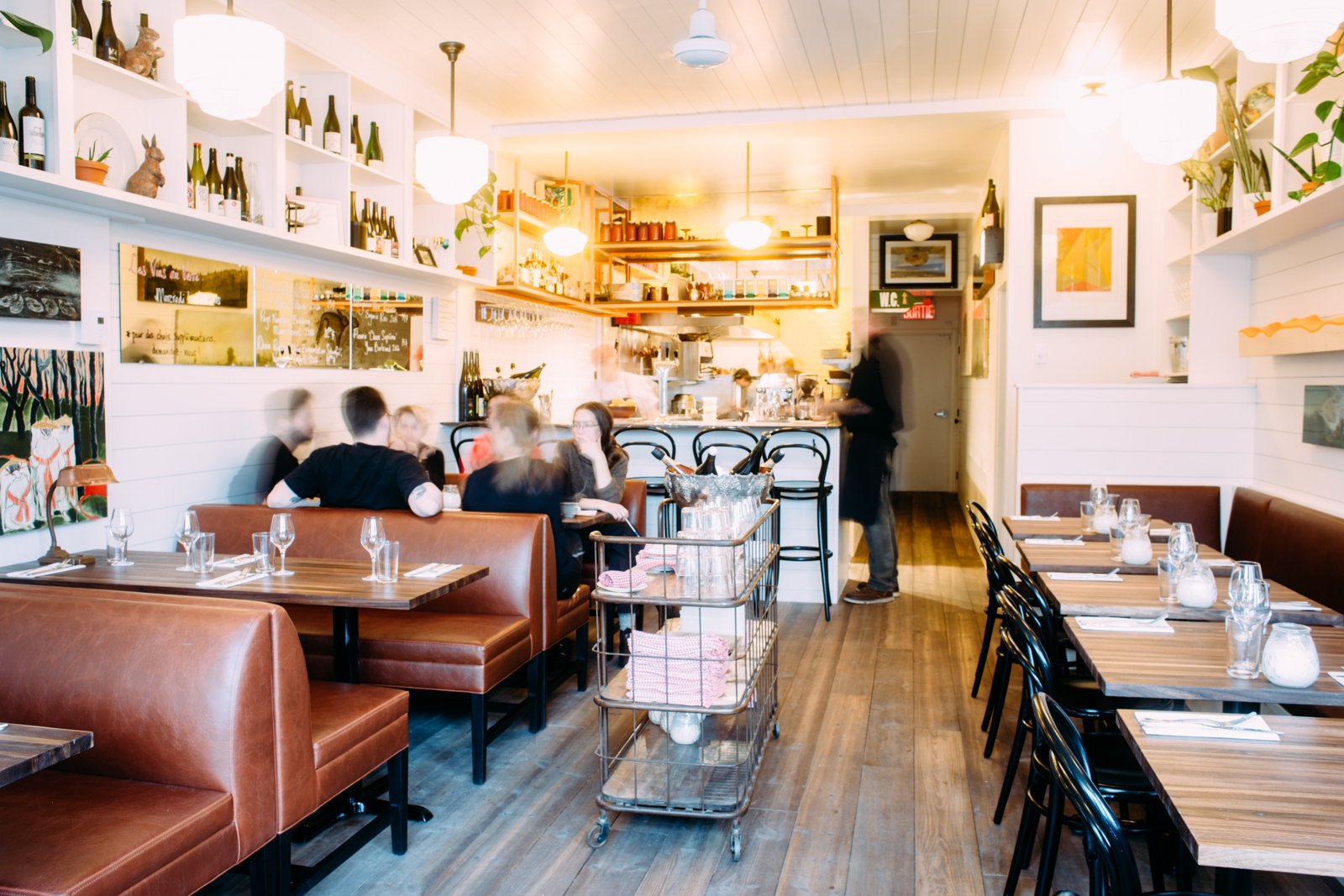
Modern Quebecois Bistro
Mon Lapin
Montréal, Canada
50 Best
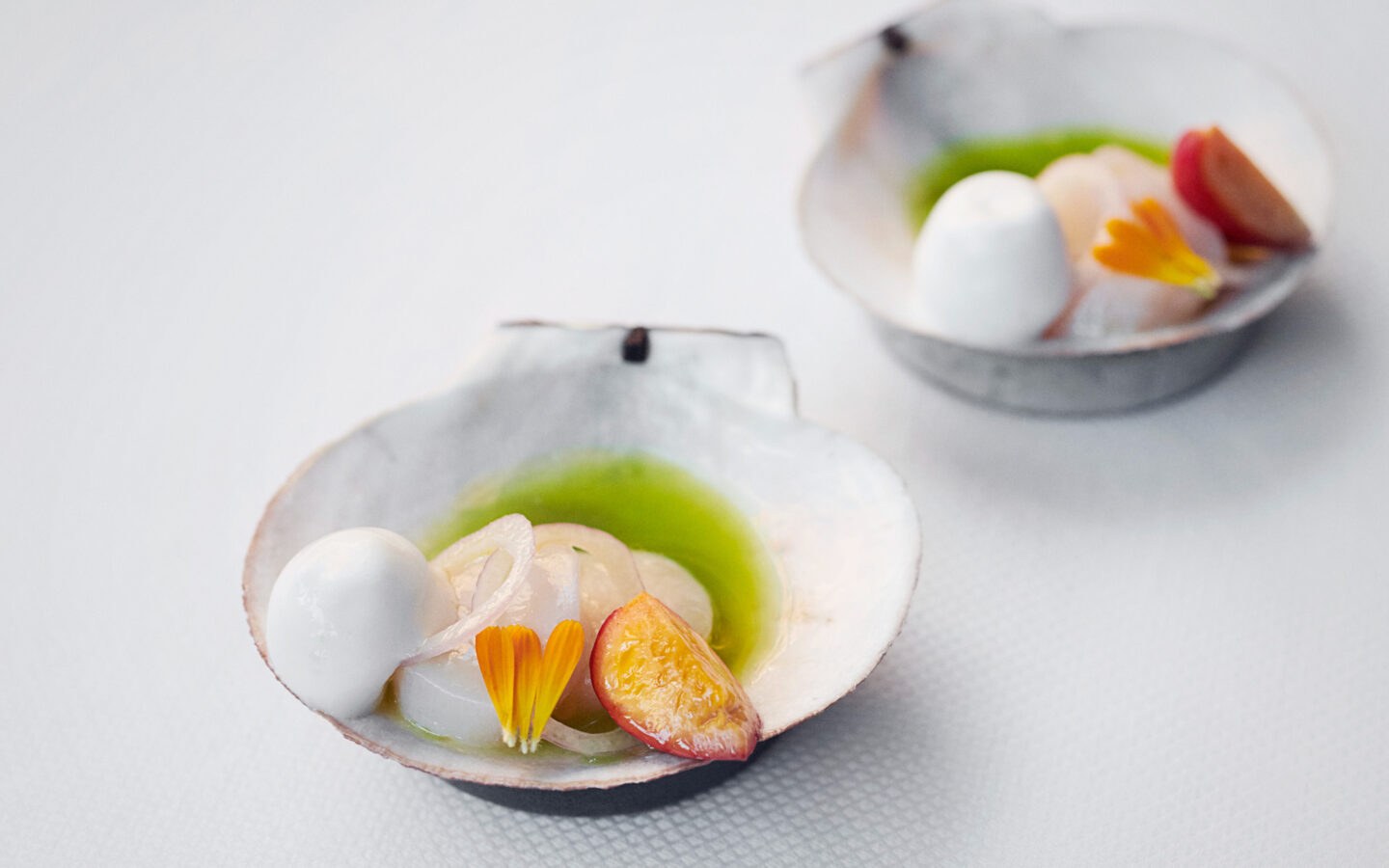
Modern Quebecois Fine Dining
Toqué
Montréal, Canada
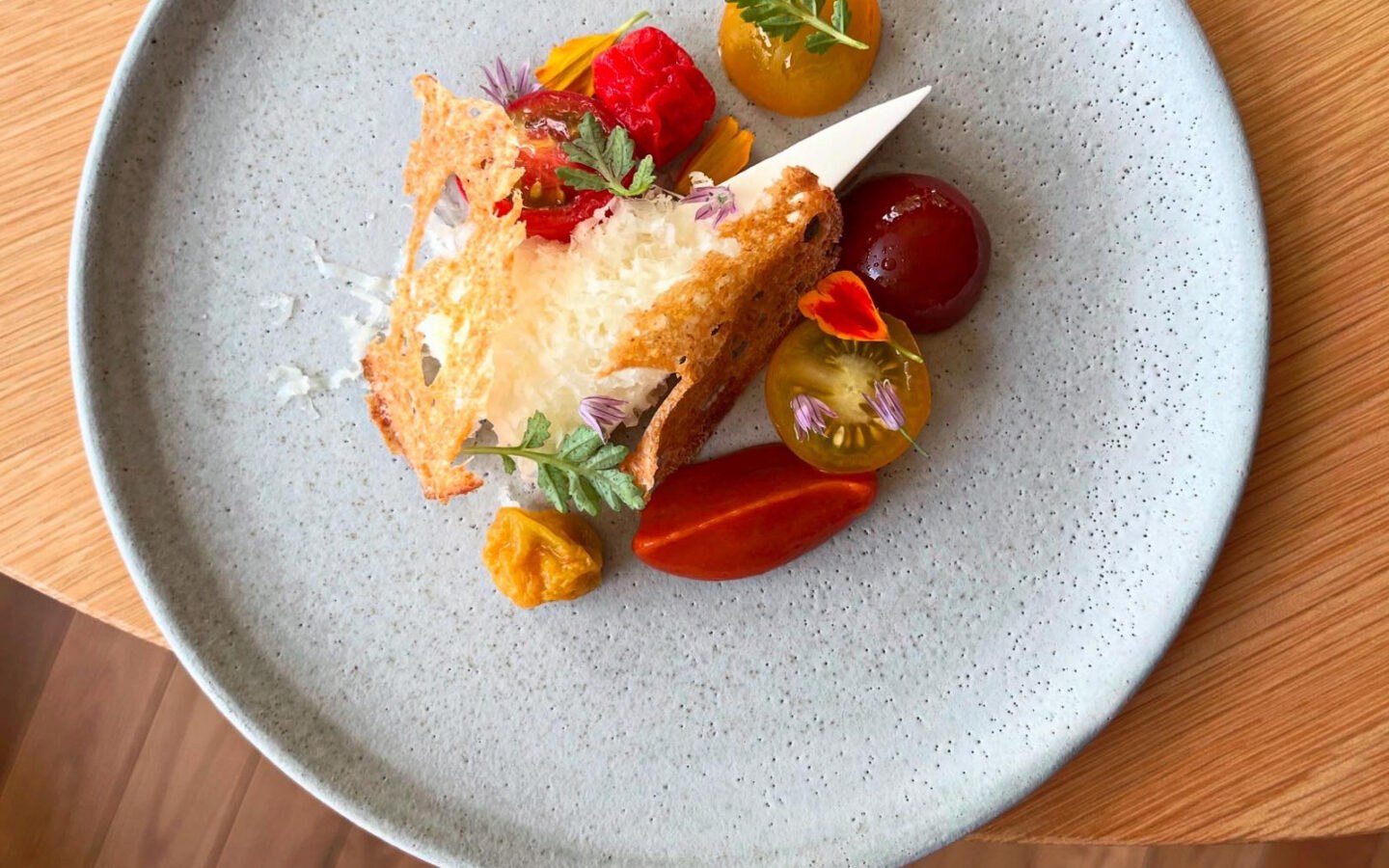
Modern French Tasting Menu
Sabayon
Montréal, Canada
★ · 50 Best
Modern French-Canadian with Japanese Flair
Montréal Plaza
Montréal, Canada
50 Best
Modern Iberian-Italian Fusion
Beba
Montréal, Canada
50 Best
Modern French Fine Dining with Quebec Influences
Jérôme Ferrer - Europea
Montréal, Canada
★