Made ByRestaurant
Auberge - cuisine française
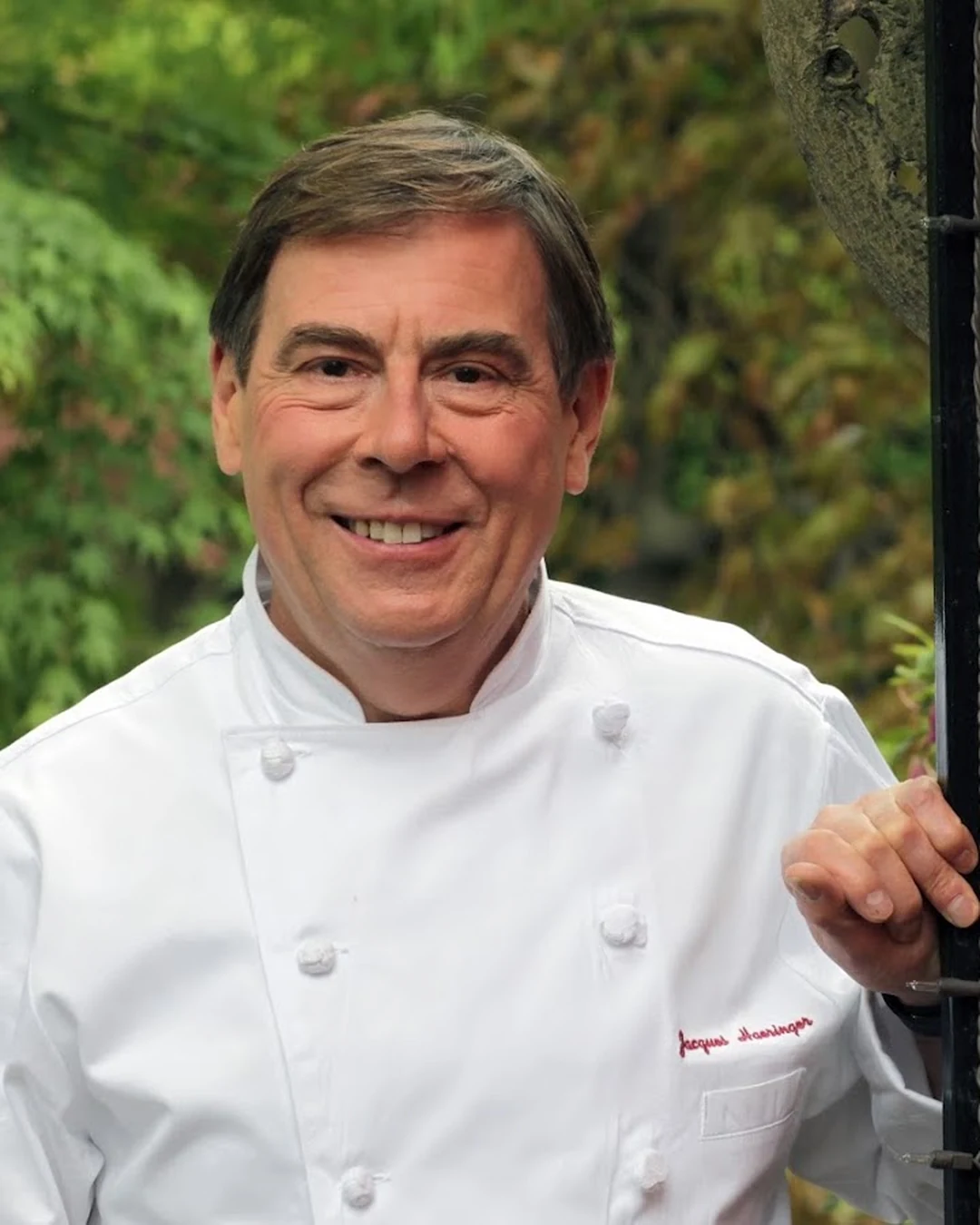
Chef in Residence
Jacques Haeringer
Chef
- 01CuisineClassic French Bistro
- 02CityAmsterdam, Netherlands
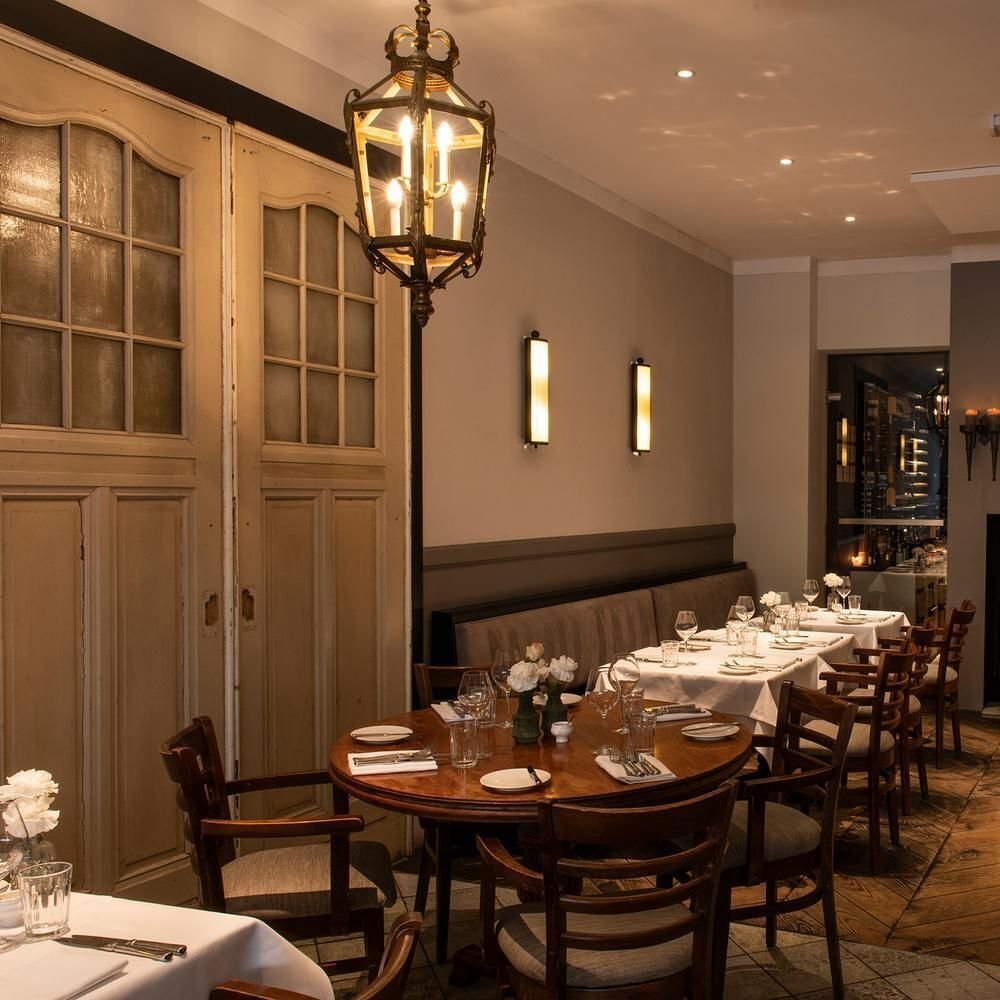
Auberge - cuisine française brings the Parisian brasserie tradition to the Albert Cuyp neighbourhood, earning consecutive Michelin Bib Gourmand recognition in 2024 and 2025. Under chef Jacques Haeringer, the kitchen delivers French classics at a price point that sits well below Amsterdam's starred dining tier. At 4.5 stars across 455 Google reviews, it holds one of the more consistent approval ratings in the city's mid-range French category.
- Michelin Bib Gourmand
At a glance
- Cuisine
- Classic French Bistro
- Price
- $$
- Per person
- $45
- Hours
- Mon: 12–2:30 PM, 5:30–10 PM; Tue: 12–2:30 PM, 5–10 PM; Wed: 12–2:30 PM, 5:30–10 PM; Thu: 12–2:30 PM, 5:30–10 PM; Fri: 12–2:30 PM, 5:30–10 PM; Sat: 12–2:30 PM, 5:30–10 PM; Sun: 12–2:30 PM, 5:30–10 PM
- Neighborhood
- De Pijp
- Rating
- 4.5 (504)
<h2>Where the Brasserie Tradition Finds Its Amsterdam Address</h2><p>The Albert Cuypstraat is not a street that performs for visitors. It runs through De Pijp as a working market strip, tram lines, street vendors, neighbourhood grocers, and the restaurants that survive here do so on the strength of what they put on the plate, not on tourist footfall. Auberge - cuisine française, at number 58-60, fits that pattern. The exterior announces nothing spectacular; the draw is interior and culinary, a French kitchen operating in the brasserie tradition at a price point accessible to a neighbourhood crowd as much as a destination diner.</p><p>The grand brasserie is one of French dining's most durable formats. Its defining character is inclusivity within quality: a menu that runs from simple preparations to technically considered dishes, a service register that is attentive without ceremony, and a room that accommodates a business lunch, a date, or a family dinner without resetting between them. That tradition crossed the Channel and the Rhine in the 20th century, and Dutch cities absorbed it at varying depths. In Amsterdam, genuinely French kitchens, as opposed to European bistro hybrids, remain a smaller category than the city's Italian or contemporary Dutch offerings, which makes Auberge a specific rather than generic option.</p><h2>Bib Gourmand Standing in the Amsterdam Context</h2><p>Michelin's Bib Gourmand designation, awarded consecutively in 2024 and 2025, identifies restaurants that achieve notably good cooking at moderate prices. Within Amsterdam's Michelin-recognised tier, this places Auberge in a distinct bracket from the city's starred rooms. <a href="https://www.enprimeurclub.com/restaurants/ciel-bleu-amsterdam-restaurant">Ciel Bleu (€€€€ · Creative)</a>, <a href="https://www.enprimeurclub.com/restaurants/flore-amsterdam-restaurant">Flore (€€€€ · Contemporary)</a>, and <a href="https://www.enprimeurclub.com/restaurants/spectrum-amsterdam-restaurant">Spectrum (€€€€ · Creative)</a> represent the upper tier of Amsterdam's recognised dining, where tasting menus and multi-star ambition set the format and the price. The Bib category sits deliberately outside that, defined not by a ceiling on quality but by a floor on value. For a diner who wants Michelin-validated French cooking without the three-hour commitment or the four-figure bill, Auberge answers that requirement with consecutive recognition, not a one-off nod but a sustained assessment across two annual guides.</p><p>Chef Jacques Haeringer leads the kitchen. The Haeringer name carries weight in French-American culinary circles, associated with L'Auberge Chez François in Virginia, one of the longer-running French dining institutions in the United States, but what matters here is what the Auberge kitchen produces in Amsterdam under his direction, rather than biographical lineage. The consecutive Bib recognitions and a 4.5-star average across 504 Google reviews indicate a kitchen delivering with consistency.</p><h2>The Brasserie Format: What It Means in Practice</h2><p>The brasserie model is fundamentally different from the tasting-menu format that dominates Amsterdam's starred tier. Where the latter asks the diner to surrender control, fixed progression, fixed duration, fixed price, the brasserie preserves the à la carte logic: you choose, you sequence, you pace the meal. This is not a lesser format; it is a different contract. The French have long understood that a well-executed sole meunière or a properly constructed onion soup represents as clear a statement of kitchen skill as any more elaborate construction. The test in a brasserie kitchen is consistency across a wider repertoire rather than perfection within a narrow one.</p><p>At the €€ price tier, Auberge sits considerably below De Pijp's upward-creeping averages and well below Amsterdam's starred rooms. For visitors already planning higher-spend evenings at a place like <a href="https://www.enprimeurclub.com/restaurants/gebr-hartering-amsterdam-restaurant">Gebr. Hartering</a> or using the neighbourhood for a market-morning stop near <a href="https://www.enprimeurclub.com/restaurants/wils-bakery-cafe-amsterdam-restaurant">Wils Bakery Café</a>, Auberge offers a different register: a full French table meal without the pricing architecture of the contemporary tasting-menu tier.</p><h2>De Pijp as a Dining Neighbourhood</h2><p>De Pijp developed its restaurant density in the 1990s and 2000s as the neighbourhood gentrified without losing its market-street bones. The Albert Cuypmarkt, which runs directly outside, is the largest street market in the Netherlands, operating daily except Sunday, and it shapes the character of eating here. Restaurants on and adjacent to the market strip tend toward directness: good ingredients, clear cooking, fair prices. The neighbourhood is not where Amsterdam's experimental avant-garde tends to plant itself; that gravitates toward the canal ring and Jordaan. De Pijp's dining identity is more grounded, which makes it a natural home for a French kitchen working in the classic register rather than the contemporary-creative one.</p><p>For those building a wider Amsterdam itinerary around the French table, the Netherlands beyond Amsterdam carries relevant reference points: <a href="https://www.enprimeurclub.com/restaurants/de-librije-zwolle-restaurant">De Librije in Zwolle</a> and <a href="https://www.enprimeurclub.com/restaurants/t-nonnetje-harderwijk-restaurant">'t Nonnetje in Harderwijk</a> represent the country's starred tier, while <a href="https://www.enprimeurclub.com/restaurants/aan-de-poel-amstelveen-restaurant">Aan de Poel in Amstelveen</a> sits close enough to Amsterdam for a day-trip lunch. For French mid-market comparisons elsewhere in the Netherlands, <a href="https://www.enprimeurclub.com/restaurants/bar-beurre-maastricht-restaurant">Bar Beurre in Maastricht</a> and <a href="https://www.enprimeurclub.com/restaurants/bistro-aragosta-leeuwarden-restaurant">Bistro Aragosta in Leeuwarden</a> operate in a similar price register. Beyond the French category, <a href="https://www.enprimeurclub.com/restaurants/brut172-reijmerstok-restaurant">Brut172 in Reijmerstok</a> and <a href="https://www.enprimeurclub.com/restaurants/de-bokkedoorns-overveen-restaurant">De Bokkedoorns in Overveen</a> and <a href="https://www.enprimeurclub.com/restaurants/de-groene-lantaarn-staphorst-restaurant">De Groene Lantaarn in Staphorst</a> show the depth of serious Dutch regional dining outside the capital.</p><h2>Planning a Visit</h2><p>Auberge sits on Albert Cuypstraat between the Gerard Doustraat and Ferdinand Bolstraat intersections in De Pijp, a five-minute walk from the Heineken Experience and ten minutes from Museumplein. The Albert Cuypmarkt operates in the morning and through the afternoon most days, so arriving in the area early and building a meal at Auberge into a market morning works well logistically. Specific opening hours, booking methods, and reservation lead times are not published in our current data; checking directly via the restaurant's contact details before visiting is advisable, particularly for weekend evenings when De Pijp restaurants at this recognition level tend to fill.</p>
Know before you go
- Dress code
- smart_casual
- Reservations
- recommended
- Parking
- street
- Outdoor seating
- Yes
Frequently asked
Does Auberge - cuisine française work for a family meal?
The brasserie format suits family dining better than most French categories: no locked tasting sequence, broader menu range, and a €€ price point that keeps the bill manageable across a table of mixed ages. The Albert Cuypstraat address in De Pijp adds to that accessibility — it is a working neighbourhood strip, not a formal dining corridor. Consecutive Bib Gourmand awards in 2024 and 2025 confirm the kitchen holds its standard without the ceremony that can make starred dining awkward for groups.
How would you describe the vibe at Auberge - cuisine française?
A €€ French brasserie on a market street in De Pijp operates at a different register than Amsterdam's starred tier — expect a room built around repeat local custom rather than occasion dining. The Bib Gourmand recognition frames it accurately: good cooking at moderate prices, without the white-tablecloth distance that formal French restaurants impose. Albert Cuypstraat runs trams and vendors past the door, which sets the tone before you sit down.
Has Auberge - cuisine française won any awards?
Auberge - cuisine française has received recognition including: Michelin Bib Gourmand (2025); Michelin Bib Gourmand (2024).
What's the signature dish at Auberge - cuisine française?
Specific menu details are not recorded in our current data, and we will not speculate on individual dishes. What the record does confirm is a French cuisine format at €€ pricing with back-to-back Bib Gourmand awards in 2024 and 2025 — Michelin's designation for notably good cooking at moderate cost, which points toward a kitchen with consistent classical output rather than a rotating avant-garde menu. Contacting the restaurant directly is the reliable route for current dishes.
Address
Albert Cuypstraat 58-60, 1072 CV Amsterdam, Netherlands
De Pijp
How it compares
- Cuisine
- Classic French Bistro
- Price
- $$
- Notes
- Hercules Seghersbuurt
- Cuisine
- French Bistro with Artisanal Bakery
- Price
- $$
- Notes
- Olympisch Stadion e.o.
- Cuisine
- Modern French Grill
- Price
- $$
- Notes
- Den Texbuurt
- Cuisine
- Modern French Bistro
- Price
- $$$
- Notes
- Passeerdersgrachtbuurt
- Cuisine
- Modern French Bistro
- Price
- $$
- Notes
- Driehoekbuurt
- Cuisine
- Classic French with International Influences and Local Touch
- Price
- $$$$
- Notes
- BG-terrein e.o.
In residence
Similar places
Modern French Fine Dining
Ciel Bleu
Amsterdam, Netherlands
★★
Conscious Fine Dining – Plant-Forward & Sustainable European
Flore
Amsterdam, Netherlands
★★
Modern Dutch Fine Dining
Spectrum
Amsterdam, Netherlands
★★
Modern French Fine Dining
Vinkeles
Amsterdam, Netherlands
★★
Modern Fine Dining
212
Amsterdam, Netherlands
★★
Modern Dutch Low Countries Cuisine
RIJKS®
Amsterdam, Netherlands
★