Auberge des Templiers
In Residence
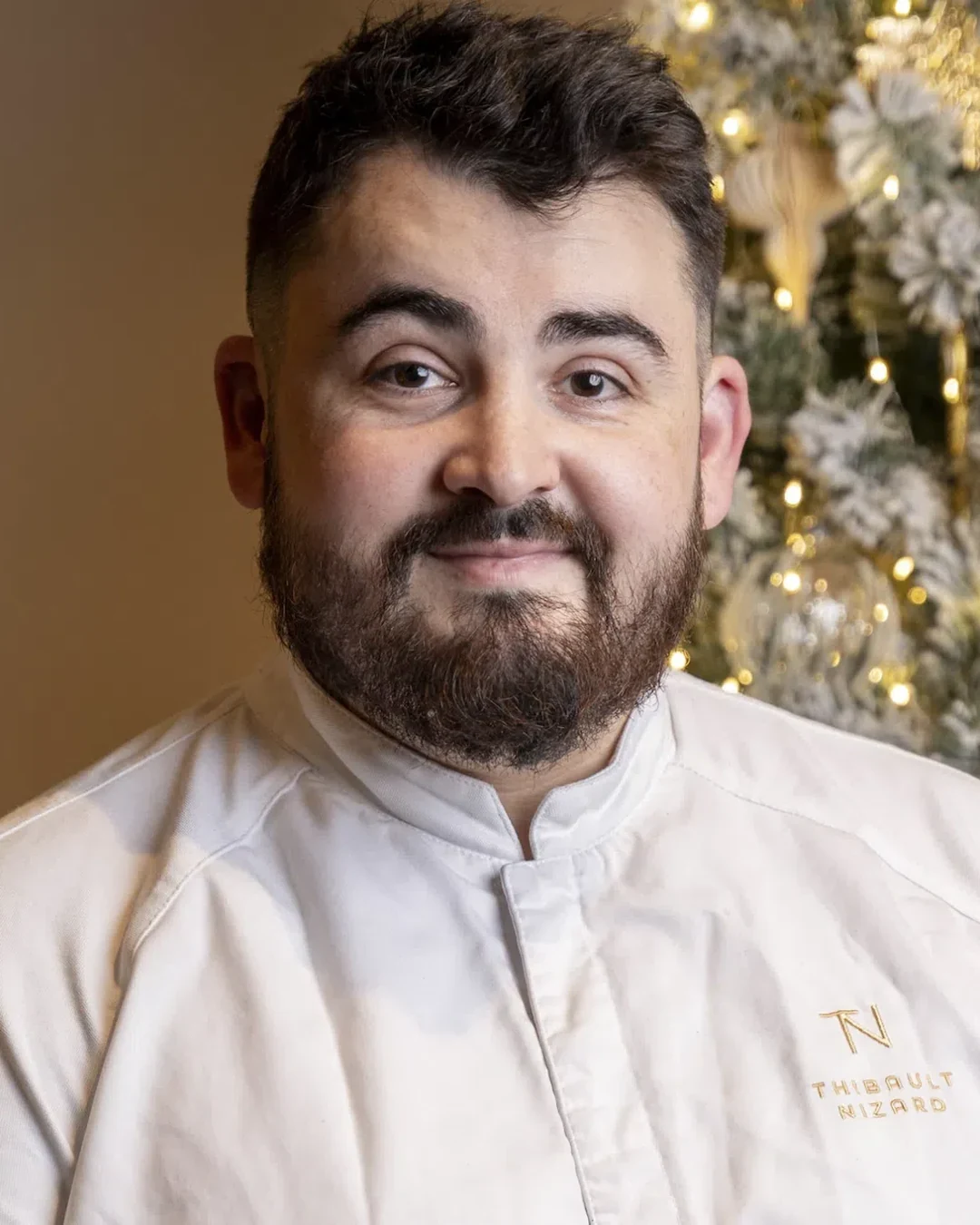
Thibault Nizard
Chef
- 01CuisineFrench Gastronomique
- 02CityBoismorand, France
- 03RecognitionOne Michelin Star
- 1 Michelin Star · Michelin Guide
- We're Smart World 4 Radishes · 2025
- Relais Chateaux Award · 2025
- Gault & Millau Chef's Restaurant: 14.5pts · 2025
- Michelin 1 Star · 2025
- Michelin 1 Star · 2024
A Sologne Posthouse in the Company of France's Serious Country Tables
The half-timbered facade of pink brick and stone on the N7 road through Boismorand reads, at first glance, like a hundred other historic French auberges. The century-old trees in the grounds, the oak beams visible through the windows, the Gien earthenware on the tables: all of it signals a particular kind of French provincial seriousness that was thriving long before the current wave of destination dining. What distinguishes Auberge des Templiers from that broader category is what happens once you sit down. The kitchen, holding a Michelin star as of 2024 and rated four radishes by the We're Smart Green Guide, operates at the intersection of classical French technique and a plant-forward sensibility that remains genuinely uncommon at this level in France.
France's fine-dining provinces have always produced a certain type of table: the inn that has fed travellers for generations, accumulating awards and a cellar of serious vintages, presiding over a regional cuisine with authority. You find versions of this at Auberge de l'Ill in Illhaeusern, at Auberge du Vieux Puits in Fontjoncouse, and at Troisgros - Le Bois sans Feuilles in Ouches. What Boismorand adds to that tradition is a location deep in the Sologne, the flat, forested hunting country south of the Loire, which has its own culinary logic: game, river fish, and a larder that rewards seasonal discipline. The Templiers has operated within that tradition for decades, and its Relais & Châteaux membership signals where it positions itself commercially and conceptually relative to peers.
The Sunday letter
Find new places through the people who run them.
Our Sunday email brings you the chefs, winemakers and hoteliers behind our newest stories. See a sample before you subscribe.
See a sample of the Sunday emailOne email a week. Unsubscribe from any issue.
The Kitchen's Position: Classical Roots, Vegetable Intelligence
Chef Kévin Stroh leads the kitchen, and the culinary direction under his tenure reflects a tension that defines serious French cooking right now: how to honour a deeply classical repertoire while responding to what guests and critics actually want to eat in the 2020s. The We're Smart four-radish rating is a meaningful credential here. We're Smart Green Guide rates restaurants globally on their use of vegetables, and four radishes places Auberge des Templiers in a tier that includes kitchens treating plant-based cooking as a structural priority, not a concession to dietary preferences. That this rating was achieved inside a seventeenth-century coaching inn with stone walls and Gien crystal is the point. The conventional logic says these two things don't coexist. The kitchen demonstrates they do.
Every menu at the Templiers offers a plant-based option by default, which in France, and particularly in a region whose culinary identity is built on game and waterfowl, represents a genuine editorial decision rather than a marketing gesture. The We're Smart recognition, awarded during a France tour specifically for this integration, confirms that the approach is substantive. Compare this to the positioning of Bras in Laguiole, which has long placed vegetables at the centre of its philosophy in another deeply rural French context, and you begin to see a pattern: France's most interesting provincial kitchens are no longer simply custodians of regional tradition but active participants in a broader conversation about what that tradition should look like.
The Michelin star, held through the 2024 guide, anchors the restaurant in a comparable set that includes starred country tables across central France. The concise menu and tasting menu formats mirror what you find at kitchens of similar ambition: a focused selection rather than sprawling choice, designed to direct attention and allow the kitchen to source carefully. The classical technique shows in preparations that require sustained skill: pressed duck with an intense sauce incorporating pear and confit bergamot zest, and tartare of red mullet in what the Michelin assessors described as a gutsy jus. These are not simple dishes. The red mullet preparation in particular places the kitchen in conversation with coastal-trained techniques applied to Sologne ingredients, a crossover that takes confidence to execute at this standard.
The Dining Room and the Estate
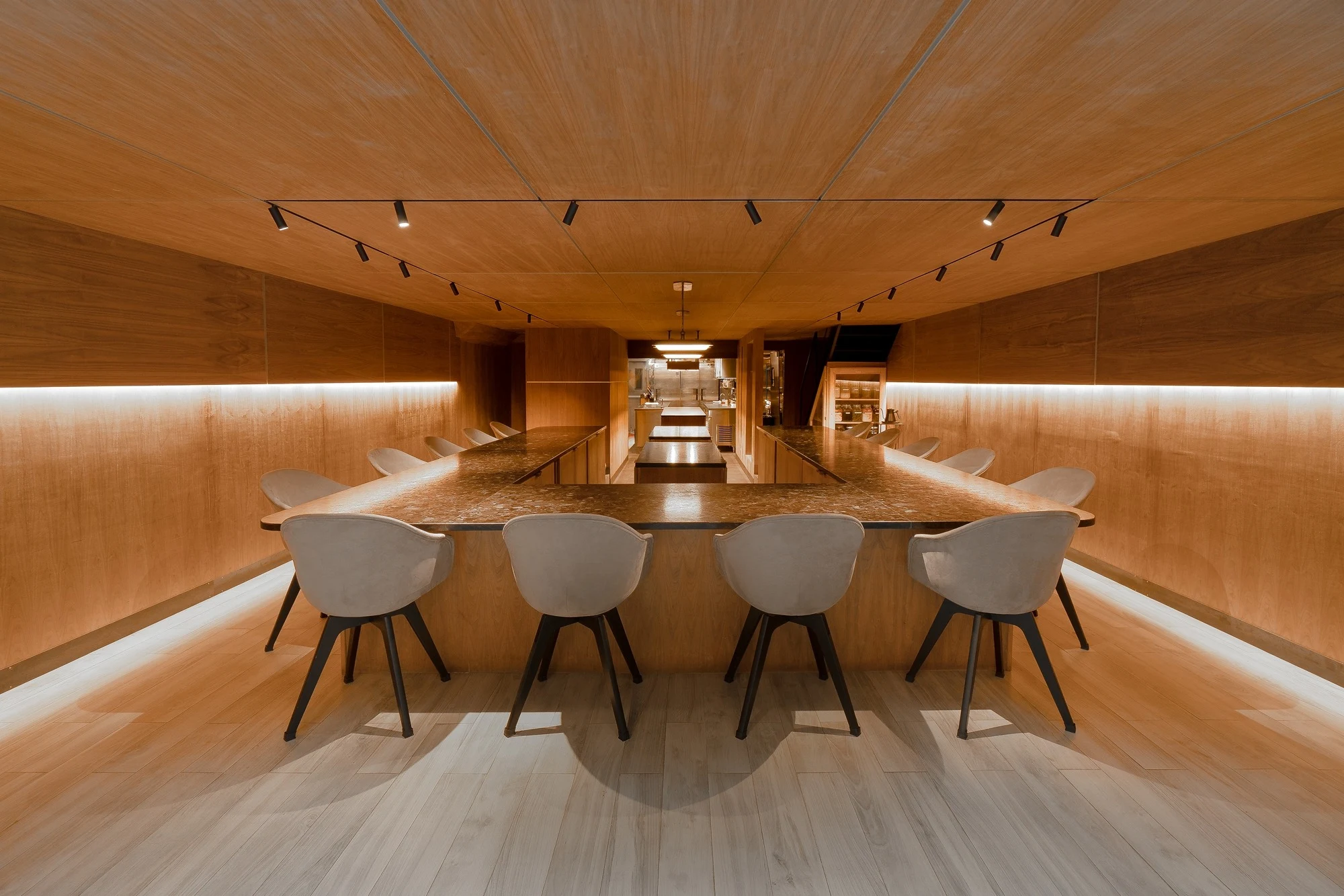
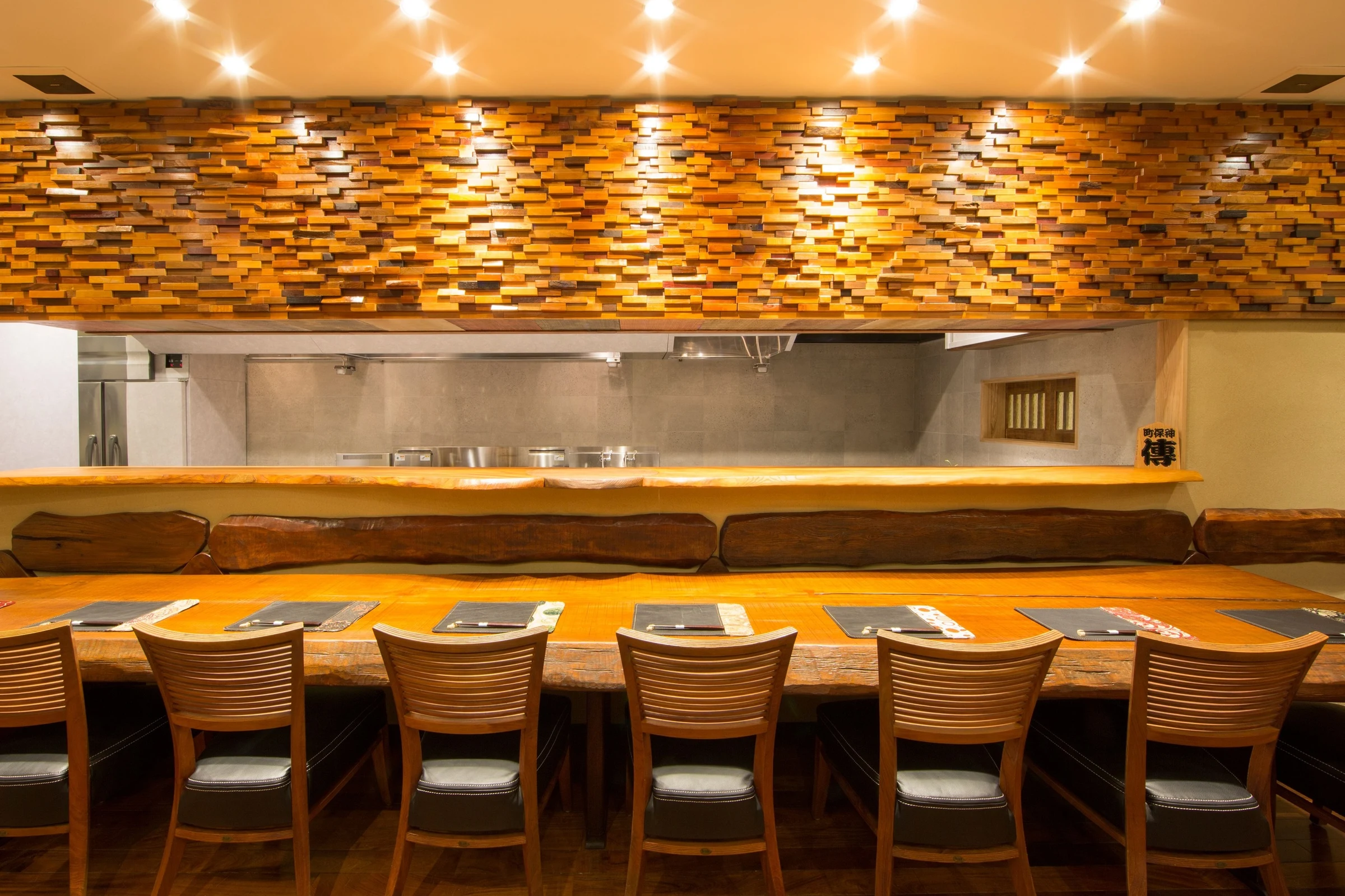
The physical setting rewards attention. The seventeenth-century fabric of the building, stone walls, massive oak beams, a facade that has been receiving travellers since the coaching era, creates a context that most contemporary dining rooms have to work hard to manufacture and mostly fail to achieve. Former guests from the early twentieth century reportedly included Mistinguett and Maurice Chevalier, details that place the inn inside French cultural history rather than simply hospitality history.
Grounds planted with century-old trees extend the experience beyond the dining room. For a Relais & Châteaux property in this price tier, the combination of architectural authenticity and cultivated grounds represents a coherent proposition: you are not paying for a contemporary design hotel but for a specific kind of settled, rooted French country house character that takes generations to accumulate.
Wine cellar has drawn specific comment from Michelin's assessors, who noted vintages capable of impressing even experienced collectors. In a region within reach of the Loire Valley's appellations, a serious cellar is an expectation rather than a surprise, but the depth implied by the Michelin description suggests a collection that extends beyond regional focus into broader French and international coverage.
Getting to Boismorand and Planning the Visit
Boismorand sits approximately two hours south of Paris by road, on the N7 in the Loiret department. This is not a casual dinner destination from the capital; it functions as an overnight or weekend proposition, which aligns with the Relais & Châteaux format and the accommodation the property offers. The address on the N7 makes it accessible by car from Paris without requiring motorway tolls if you prefer the historic route nationale. For guests combining a visit with the broader Loire Valley, Boismorand sits at the southern edge of the region, making it a natural anchor for a multi-day itinerary that might also include Assiette Champenoise in Reims to the north or a westward arc through the appellation villages.
Reservations are handled directly through the property. Contact is available at templiers@relaischateaux.com or by telephone at +33 (0)2 38 31 80 01, and the full property website at lestempliers.com carries current availability and menu information. Given the property's starred status and Relais & Châteaux membership, booking in advance is advisable, particularly for weekend tables and during the game season in autumn, when the Sologne's culinary identity is at its most pronounced.
For travellers building a broader France itinerary around serious dining, the context is worth considering. The concentration of starred provincial kitchens in France means that a table at the Templiers sits comfortably alongside visits to Flocons de Sel in Megève or AM par Alexandre Mazzia in Marseille in terms of culinary ambition and execution standard, even if the format and context differ entirely. For those whose itinerary centres on Paris, Alléno Paris au Pavillon Ledoyen and Au Crocodile in Strasbourg represent different expressions of the same French fine-dining tradition at the multi-star level.
For further planning in the area, see our full Boismorand restaurants guide, our Boismorand hotels guide, bars in Boismorand, wineries near Boismorand, and experiences in Boismorand.
Questions
Frequently asked
What recognition does Auberge des Templiers hold?
Auberge des Templiers holds 1 Michelin star.
Who works at Auberge des Templiers?
Made By profiles Thibault Nizard (Chef) at Auberge des Templiers.
How expensive is Auberge des Templiers?
Auberge des Templiers is listed at a price level of $$$$.
Where is Auberge des Templiers and what does it serve?
Auberge des Templiers is in Boismorand, Boismorand, serving French Gastronomique.
The field
How it compares
| Place | Awards | Cuisine | Notes |
|---|---|---|---|
| Auberge des Templiers | Michelin 1 Star | French Gastronomique | Boismorand, $$$$ |
| Atomix | Michelin 2 Stars, World's 50 Best | Modern Korean Tasting Menu | New York City |
| Den | Michelin 2 Stars, World's 50 Best | Modern Japanese Kaiseki | Tokyo |
| L'Oiseau Blanc | Michelin 2 Stars | French Gastronomique | Paris |
| Lasarte | Michelin 3 Stars | Modern Basque-Mediterranean Fine Dining | Barcelona |
| Osteria Francescana | Michelin 3 Stars, World's 50 Best | Avant-Garde Italian Contemporary | Modena |
| Piazza Duomo | Michelin 3 Stars, World's 50 Best | Modern Piedmontese Fine Dining | Alba |
In residence
Similar places
Modern Korean Tasting Menu
Atomix
New York City, United States
★★ · 50 Best
Modern Japanese Kaiseki
Den
Tokyo, Japan
★★ · 50 Best
French Gastronomique
L'Oiseau Blanc
Paris, France
★★
Modern Basque-Mediterranean Fine Dining
Lasarte
Barcelona, Spain
★★★
Avant-Garde Italian Contemporary
Osteria Francescana
Modena, Italy
★★★ · 50 Best
Modern Piedmontese Fine Dining
Piazza Duomo
Alba, Italy
★★★ · 50 Best

The Sunday letter
Get the next Made By story in your inbox.
We send one email every Sunday morning with the places and people we covered that week.
See a sample of the Sunday emailOne email a week. Unsubscribe from any issue.