Auberge Sauvage

In Residence
Thomas Benady
Chef
- 01CuisineModern French Seasonal Fine Dining
- 02CityServon, France
- 03RecognitionOne Michelin Star
- 1 Michelin Star · Michelin Guide
- Michelin 1 Star · 2026
- Opinionated About Dining Top Restaurants in Europe Recommended · 2026
- Opinionated About Dining Newly Added European Restaurants · 2026
- Opinionated About Dining Top New Restaurants in Europe Ranked #5 · 2026
- Michelin 1 Star · 2025
- We're Smart World 5 Radishes · 2025
- Gault & Millau Remarkable Restaurant: 15pts · 2025
- We're Smart World Top 100 #53 · 2025
- Michelin Plate · 2024
A Village Presbytery on the Edge of the Bay
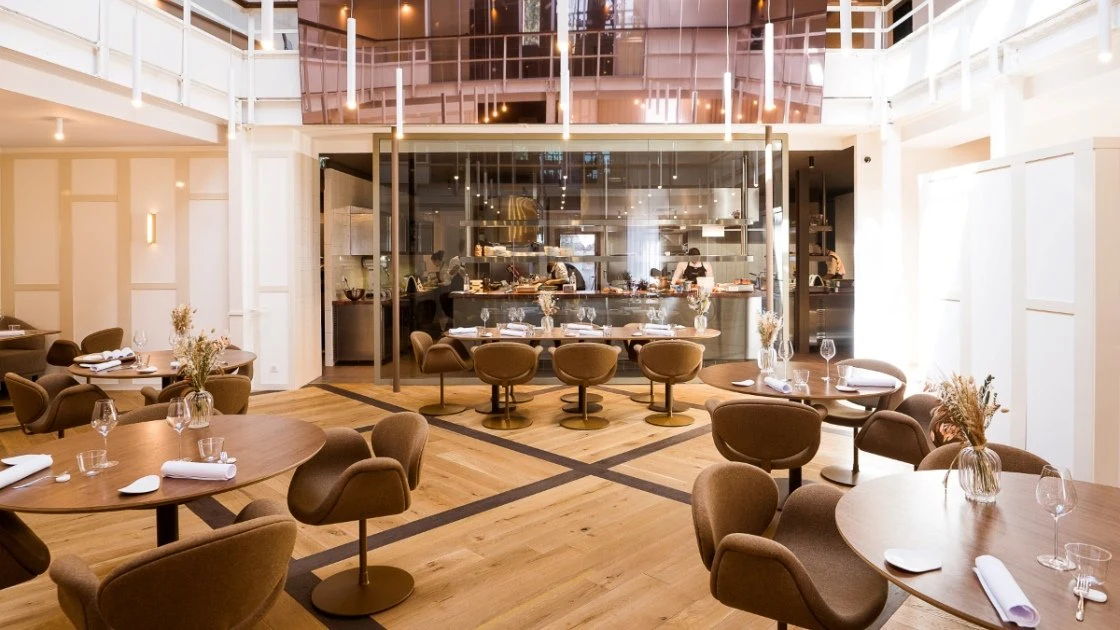
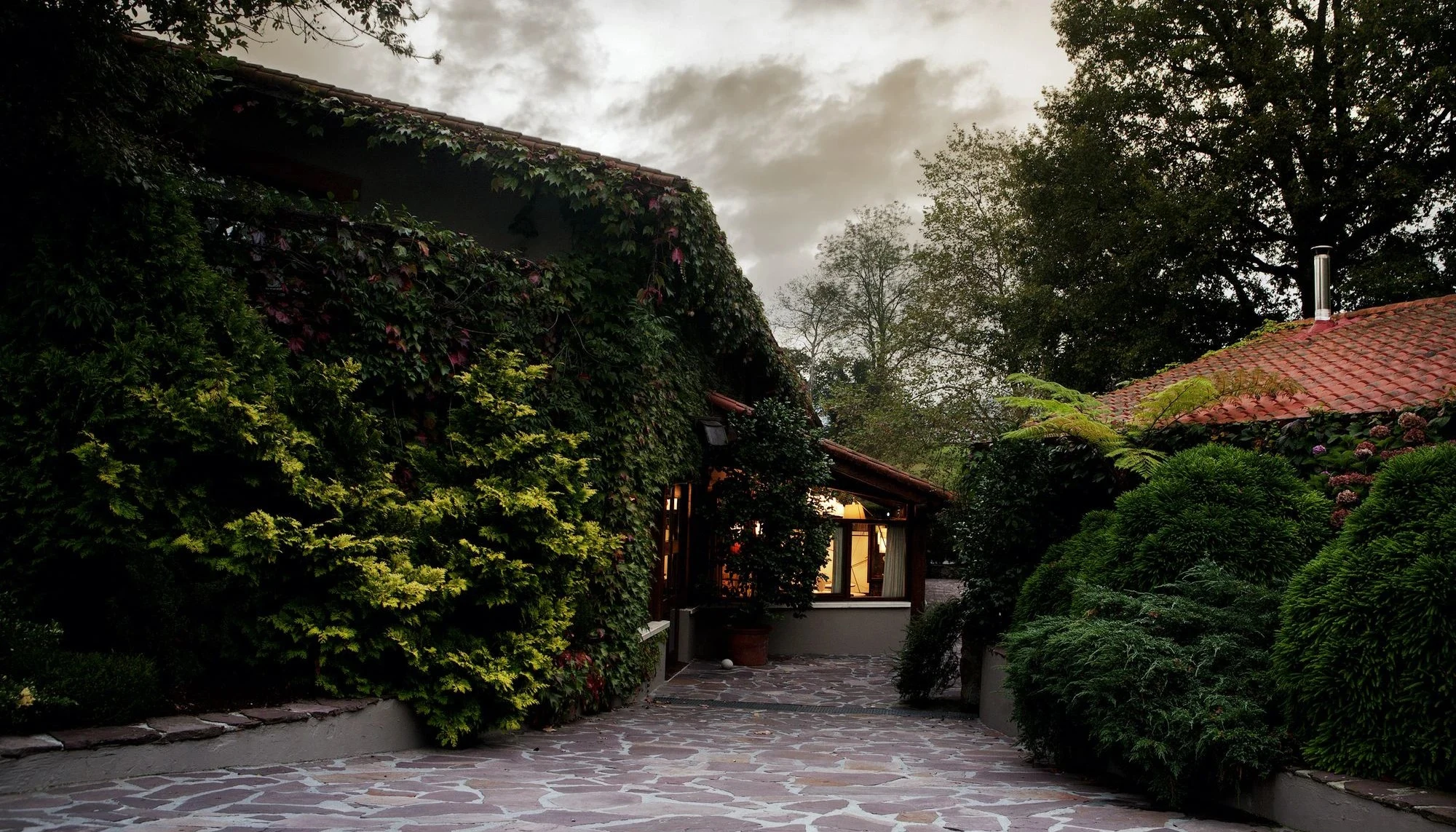
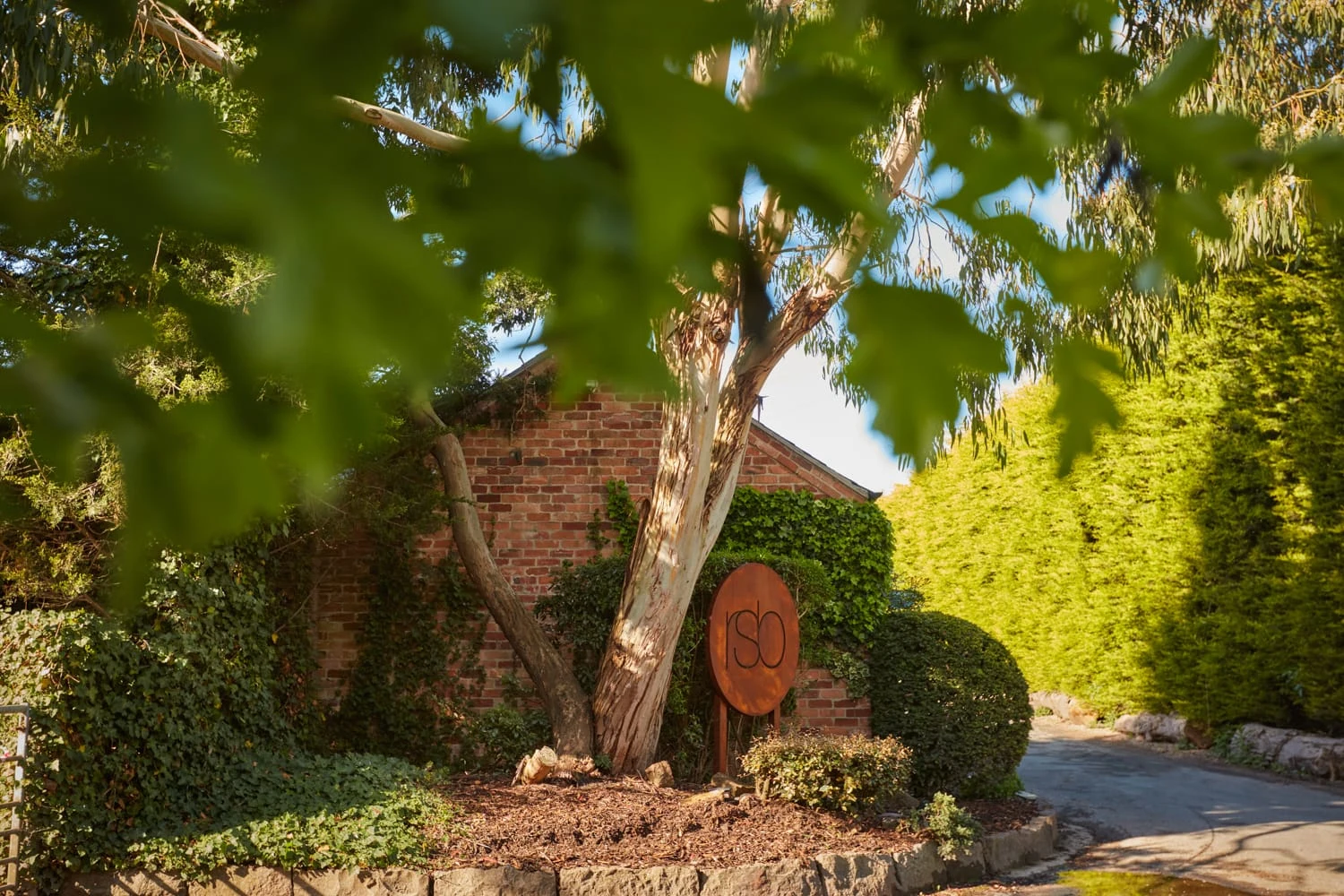
The road that runs toward Mont Saint-Michel passes through a string of small Normandy villages, and it is easy to drive through Servon without stopping. That would be a miscalculation. At 3 Place Saint-Martin, a 16th-century presbytery that once housed the village clergy now operates as one of the more considered creative restaurants in the Manche department. The building announces itself quietly: stone walls, a cottage garden running alongside the dining room, the kind of proportioned rural architecture that resists renovation into something louder than it needs to be. The garden is not decorative. It supplies the kitchen.
At one end, operations like Alléno Paris au Pavillon Ledoyen in Paris or Assiette Champenoise in Reims command major city addresses, extensive brigade structures, and the full apparatus of multi-Michelin prestige. At the other, a smaller cohort of rural French restaurants has built reputations on tight format, strong local sourcing, and a deliberate removal from the urban dining circuit. Auberge Sauvage belongs to that second category. Its €€€€ price tier places it at a premium relative to its village setting.
The Sunday letter
Find new places through the people who run them.
Our Sunday email brings you the chefs, winemakers and hoteliers behind our newest stories. See a sample before you subscribe.
See a sample of the Sunday emailOne email a week. Unsubscribe from any issue.
What the Format Tells You
A single set surprise menu is an editorial decision as much as a culinary one. It removes negotiation from the dining room and asks the guest to accept the kitchen's terms. In a rural Norman village with a cottage garden and proximity to independent fishing boats, those terms are dictated by season, weather, and what the land and coast produce on any given week. This format has precedent in French regional cooking at restaurants like Bras in Laguiole and Auberge de l'Ill in Illhaeusern, where place-specificity shapes the menu more than trend or market demand. At Auberge Sauvage, that specificity runs toward the saline plants of the coastal zone, vegetables from the on-site garden, and seafood sourced through direct relationships with fishermen rather than wholesale intermediaries.
The We're Smart certification, which awarded Thomas Benady a 5 Radishes distinction, is the clearest external marker of what the kitchen prioritises. We're Smart Green Guide focuses exclusively on plant-driven cooking and sustainability credentials. A 5 Radishes rating is the guide's ceiling designation, placing Auberge Sauvage in a small international cohort of restaurants judged to have reached the highest standard in vegetable-forward cuisine. For a restaurant in a village of a few hundred people, that credential is a meaningful locating signal. It explains the €€€€ pricing and clarifies the competitive set: Benady is not cooking to the local market, he is cooking to an audience that travels to find this kind of work.
Chef Thomas Benady and the Coastal Plant Tradition
The editorial angle here is not Benady's biography but what his approach represents in the context of Norman coastal cooking. The coastline around the Bay of Mont Saint-Michel is ecologically specific. Salt marshes produce lamb with a mineral character that has earned protected status. Tidal flats and estuaries yield plants, salicornia among them, that carry a direct taste of the sea without requiring any addition of salt. Independent fishermen working small boats bring catches that differ from what arrives at centralised fish markets. A kitchen that builds its menu around these inputs is not making a stylistic gesture; it is working with material that exists nowhere else in the same configuration.
Approach Benady applies, documented in the We're Smart recognition and in coverage of the restaurant's working method, involves wild-harvested coastal plants alongside cultivated produce from the presbytery garden, combined with a presentation style that reads as modern and minimalist. Documented examples from the restaurant's record include work with beetroot and a vegetable sausage stuffed with celery and garden herbs. These are not dishes designed to demonstrate technical complexity for its own sake. They are structured around a single ingredient or a small group of ingredients and ask those ingredients to do the work. That restraint is a harder discipline than elaboration.
Benady's version of it is more compressed: smaller guest count, more limited format, tighter sourcing radius.
The Room and the Front of House
French rural restaurants at the premium end have historically struggled with the split between kitchen ambition and front-of-house professionalism. The two are not always in alignment when a chef is working alone or with a very small team. At Auberge Sauvage, the front of house is managed by Jessica, Benady's partner, a detail noted in the restaurant's record as a deliberate structural choice rather than an improvised arrangement. The division of labour is clear, and it matters to the experience in practice. A tasting menu with a surprise format requires a dining room that can communicate without over-explaining, pace without rushing, and handle the logistics of a small, fully committed service. That is a skilled job, and having someone dedicated to it, rather than dividing the kitchen team's attention, is a meaningful operational decision for a restaurant of this size.
The building itself seats a limited number of guests, and reservations are essential. For a restaurant running a single menu without à la carte flexibility, walk-in dining is not a reasonable expectation. Given the distance from major urban centres, the guestrooms available on site become relevant: the option to arrive without a return-drive deadline, and to eat at the pace the kitchen sets, changes the experience materially.
Getting There and Planning Your Visit
Servon sits in the Manche department of Normandy, on the route connecting the inland road network to the Mont Saint-Michel causeway. The village is accessible by car from Rennes and from Caen. Mont Saint-Michel itself is close enough that a visit to the abbey and an evening at Auberge Sauvage make a coherent single-day programme for visitors already in the region.
Given the single set menu format and the limited seating, advance booking is the only reliable approach. The restaurant does not publish a phone number or website in the current record, which suggests that contact and reservations are leading handled through direct inquiry or through platforms that list the venue. Arriving without a reservation is not advisable.
The guestrooms extend the proposition for those travelling specifically for the meal, or for those combining Auberge Sauvage with a slower exploration of the Norman coast. Servon itself is a small village, and the local infrastructure for dining, bars, and accommodation is limited beyond the auberge.
For those building a broader tour of creative cooking in France, the restaurants that bracket Auberge Sauvage in terms of ambition and format include Troisgros - Le Bois sans Feuilles in Ouches, Auberge du Vieux Puits in Fontjoncouse, and AM par Alexandre Mazzia in Marseille. Beyond France, Enrico Bartolini in Milan and JAN in Munich represent the creative format in comparable European contexts. And for the full range of the French auberge tradition, Paul Bocuse - L'Auberge du Pont de Collonges in Collonges-au-Mont-d'Or and Au Crocodile in Strasbourg offer useful historical anchors for what the format has meant in French dining over time.
Questions
Frequently asked
What recognition does Auberge Sauvage hold?
Auberge Sauvage holds 1 Michelin star.
Who works at Auberge Sauvage?
Made By profiles Thomas Benady (Chef) at Auberge Sauvage.
How expensive is Auberge Sauvage?
Auberge Sauvage is listed at a price level of $$$$.
Where is Auberge Sauvage and what does it serve?
Auberge Sauvage is in Servon, Servon, serving Modern French Seasonal Fine Dining.
The field
How it compares
| Place | Awards | Cuisine | Notes |
|---|---|---|---|
| Auberge Sauvage | Michelin 1 Star | Modern French Seasonal Fine Dining | Servon, $$$$ |
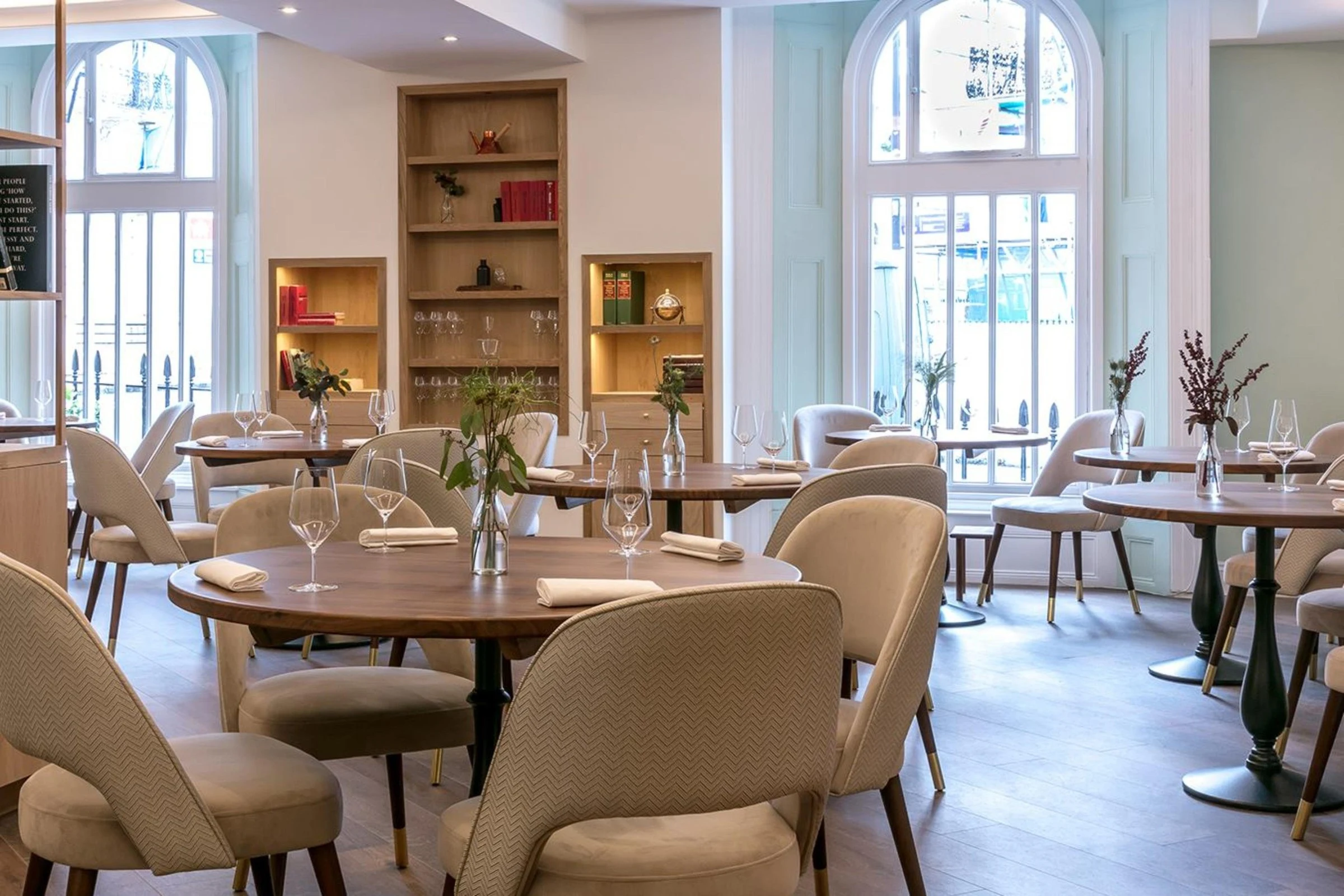
| CORE by Clare Smyth | Michelin 3 Stars, World's 50 Best | Modern British Fine Dining | London |
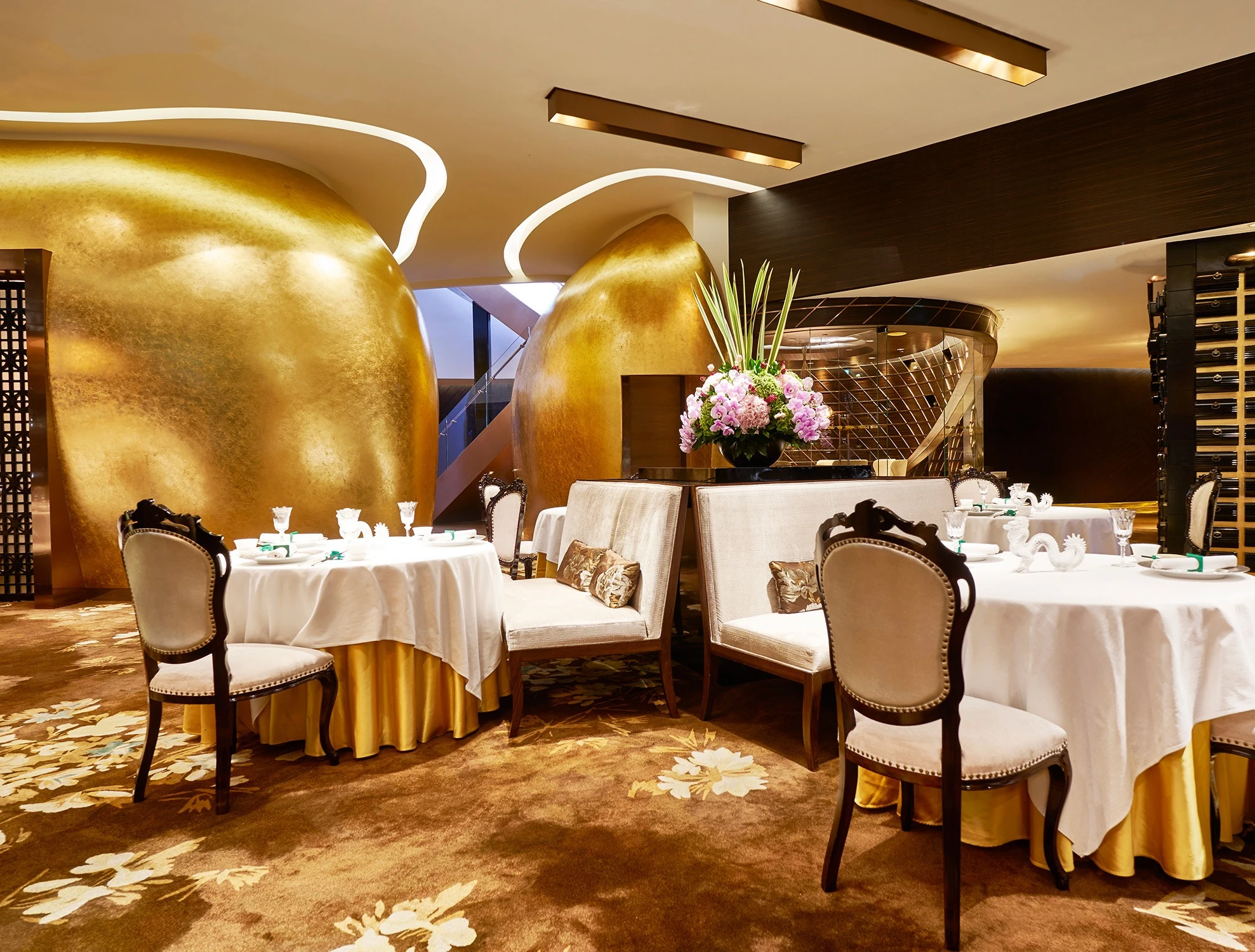
| Jade Dragon | Michelin 3 Stars, World's 50 Best | Three Michelin-Star Cantonese Fine Dining | Macau |
| Mugaritz | Michelin 2 Stars, World's 50 Best | Avant-Garde Basque Fine Dining | Errenteria |
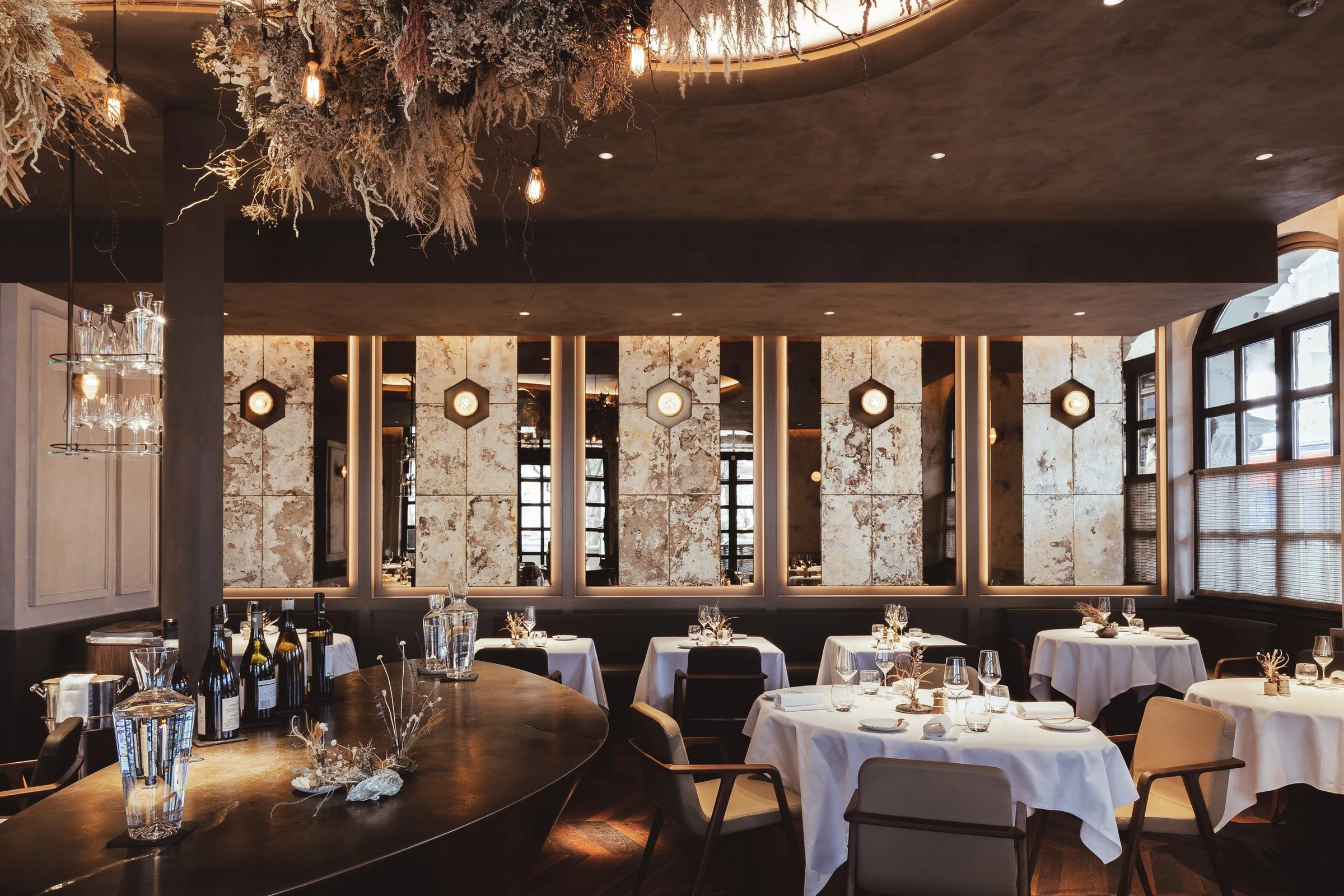
| Restaurant Sat Bains | Michelin 2 Stars | Modern British Fine Dining | Nottingham |
| The Ledbury | Michelin 3 Stars, World's 50 Best | Modern British Fine Dining | London |
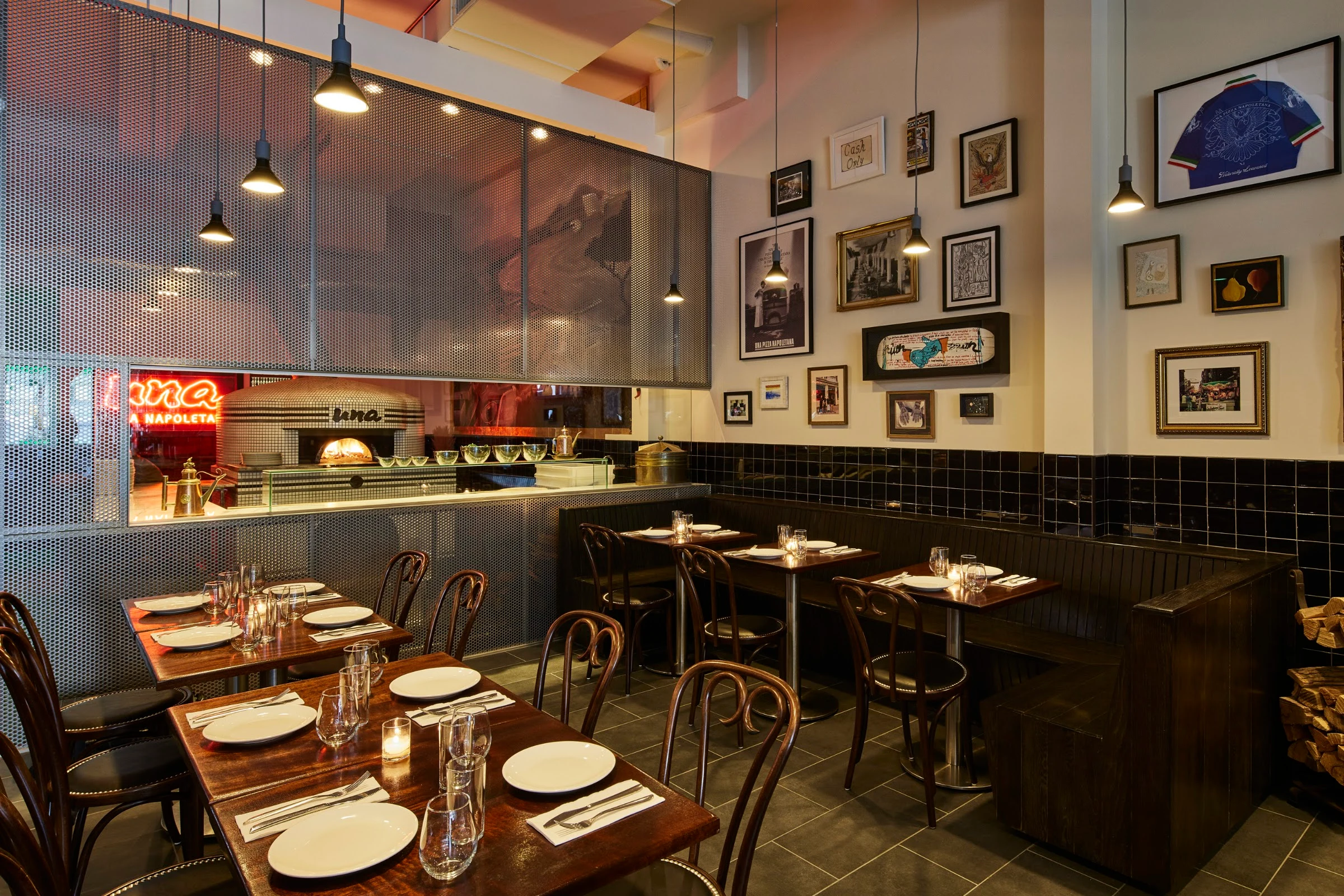
| Una Pizza Napoletana | · | Neapolitan Pizza | New York City |
In residence
Similar places
Modern British Fine Dining
CORE by Clare Smyth
London, United Kingdom
★★★ · 50 Best
Three Michelin-Star Cantonese Fine Dining
Jade Dragon
Macau, Macau
★★★ · 50 Best
Avant-Garde Basque Fine Dining
Mugaritz
Errenteria, Spain
★★ · 50 Best
Modern British Fine Dining
Restaurant Sat Bains
Nottingham, United Kingdom
★★
Modern British Fine Dining
The Ledbury
London, United Kingdom
★★★ · 50 Best
Neapolitan Pizza
Una Pizza Napoletana
New York City, United States
The Sunday letter
Get the next Made By story in your inbox.
We send one email every Sunday morning with the places and people we covered that week.
See a sample of the Sunday emailOne email a week. Unsubscribe from any issue.