Made ByRestaurant
Bar da Dona Onça
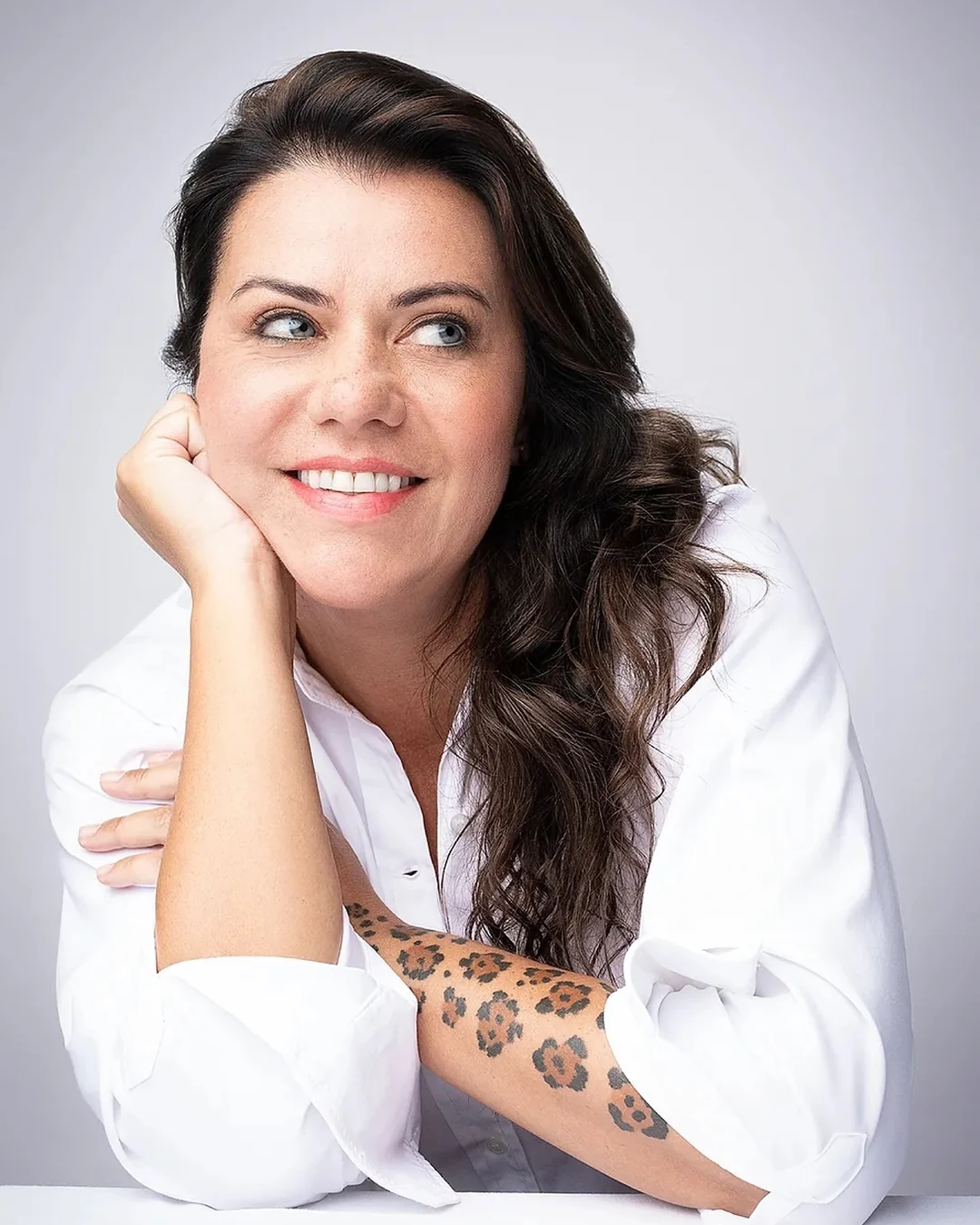
Chef in Residence
Janaína Torres
Chef
- 01CuisineBrazilian Comfort Food
- 02CitySão Paulo, Brazil
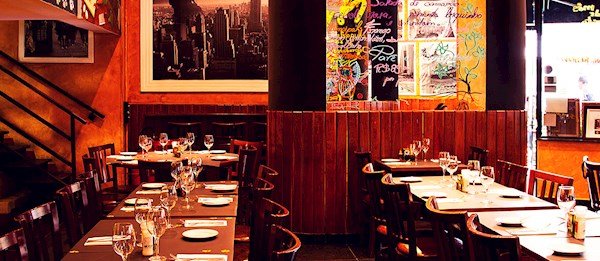
Bar da Dona Onça occupies a corner of Centro Histórico on Avenida Ipiranga, where chef Janaína Torres has built one of São Paulo's most argued-over addresses for modern Brazilian cooking. Recognised by Opinionated About Dining's 2025 South America list, the bar format signals its intent: this is a place where the menu reads as a position statement on what Brazilian food should look and taste like today.
At a glance
- Cuisine
- Brazilian Comfort Food
- Price
- $$
- Per person
- $25
- Hours
- Mon: 12–11 PM; Tue: 12–11 PM; Wed: 12–11 PM; Thu: 12 PM–12 AM; Fri: 12 PM–12 AM; Sat: 12 PM–12 AM; Sun: 12–6 PM
- Neighborhood
- República
- Rating
- 4.4 (8,934)
<h2>A Bar That Argues for Something</h2><p>Avenida Ipiranga runs through the older, denser heart of São Paulo, past mid-century commercial buildings and the kind of street-level energy that the city's newer dining districts in Pinheiros or Vila Madalena have largely traded away for quieter residential blocks. Bar da Dona Onça sits at number 200, on the 27th and 29th floors of a building whose address is Centro Histórico in name and in feeling. Walking into a bar on that avenue is already a statement about what the experience will prioritise: proximity to the city's working life, not distance from it. The format itself matters before you even read the menu.</p><h2>What the Menu Architecture Reveals</h2><p>The bar format in Brazil carries its own grammar. A boteco or bar traditionally offers petiscos, small plates designed to accompany drinking, where the drinking and the eating exist on equal footing and neither demands ceremony. At Bar da Dona Onça, that grammar is preserved and then complicated. Chef Janaína Torres works within the petisco tradition while using its structure to make an argument about the seriousness of Brazilian popular cooking. This is not the deconstructed-and-refined approach found a few kilometres away at two-Michelin-star houses like D.O.M. or <a href="https://www.enprimeurclub.com/restaurants/evvai-sao-paulo-restaurant">Evvai</a>. It's the opposite move: taking formats that have always been popular and insisting they deserve serious attention without being reformatted into something they are not.</p><p>That distinction shapes the menu from end to end. Where a tasting menu at a place like <a href="https://www.enprimeurclub.com/restaurants/tuju-sao-paulo-restaurant">Tuju</a> organises the meal as a linear narrative, Bar da Dona Onça's structure is lateral and cumulative. Dishes arrive as options rather than sequences. The reader of the menu is invited to compose rather than follow. That compositional freedom is also an editorial position: Brazilian bar food has always been assembled by the table, ordered in rounds, negotiated between friends. Preserving that structure is a form of cultural fidelity that tasting-menu formats by definition cannot offer.</p><p>The Opinionated About Dining recognition on the 2025 South America list places Bar da Dona Onça on that list in 2025. The recognition reflects consistent delivery across many visits rather than a single critical assessment. For a bar operating in the centre of a busy commercial district, that consistency is worth noting. It places the venue in competitive conversation with contemporaries like <a href="https://www.enprimeurclub.com/restaurants/lasai-rio-de-janeiro-restaurant">Lasai in Rio de Janeiro</a> and <a href="https://www.enprimeurclub.com/restaurants/manu-curitiba-restaurant">Manu in Curitiba</a>, even though those operate in quite different formats and price registers.</p><h2>Janaína Torres and the Brazilian Cooking Debate</h2><p>Brazilian fine dining has spent the past fifteen years in a productive argument with itself about what the national cuisine actually is and who it belongs to. The Michelin-starred tier, represented in São Paulo by addresses like <a href="https://www.enprimeurclub.com/restaurants/mani-sao-paulo-restaurant">Maní</a>, has generally approached that question through creative reinterpretation: regional ingredients filtered through European technique, Brazilian produce placed inside international fine-dining grammar. That approach has produced genuinely significant cooking. But it also created a secondary conversation about whether the most interesting Brazilian food was happening in formats that didn't require a tasting menu budget or a Jardins postcode.</p><p>Janaína Torres has been one of the most audible voices in that secondary conversation. Her work at Bar da Dona Onça operates in the tradition of cozinha do interior, the interior-region cooking of Brazil associated with communal, ingredient-led preparations that predate the fine-dining era entirely. By running that tradition through a bar format in the Centro Histórico rather than through a white-tablecloth room in a wealthier neighbourhood, the choice of setting and format is itself the argument. The cooking's authority comes from staying close to its sources rather than translating them.</p><p>Across Brazil, a handful of chefs are making similar arguments in different registers: <a href="https://www.enprimeurclub.com/restaurants/manga-salvador-restaurant">Manga in Salvador</a> works with the ingredient traditions of Bahia, <a href="https://www.enprimeurclub.com/restaurants/orixas-north-restaurant-itacare-restaurant">Orixás in Itacaré</a> operates at the intersection of northern Brazilian produce and contemporary format. The broader pattern is a generation of Brazilian cooks who have found that the most compelling direction is inward rather than toward external reference points.</p><h2>Where It Sits in São Paulo's Dining Map</h2><p>São Paulo's restaurant scene sorts itself into distinct tiers by neighbourhood as much as by price. The Jardins axis, Rua Oscar Freire, Rua Haddock Lobo, the streets around it, concentrates the city's high-ticket tasting menu addresses and the upper end of the Italian and Japanese contingents. Pinheiros and Vila Madalena offer the city's most active mid-market, where places like <a href="https://www.enprimeurclub.com/restaurants/fame-osteria-sao-paulo-restaurant">Fame Osteria</a> operate in contemporary Italian alongside a dense field of natural wine bars and casual creative kitchens. Centro Histórico sits outside both of those gravity wells. It's older, less polished, more transactional, and that setting is precisely what gives Bar da Dona Onça its character. A bar that takes Brazilian popular cooking seriously makes more sense here than it would in a neighbourhood where the surrounding context is international fine dining.</p><p>The Google rating of 4.4 across 8,934 reviews is one of the more meaningful data points available. At that volume of responses, the number becomes resistant to gaming in either direction and starts to function as a genuine signal about whether the experience delivers consistently across a wide range of visitors. For a bar with a strong editorial point of view, one that will not appeal to everyone, that score suggests the execution is carrying the argument rather than just making it.</p><h2>Planning a Visit</h2><p>Bar da Dona Onça is located at Av. Ipiranga, 200, floors 27 and 29, in Centro Histórico. The Centro Histórico is accessible by metro from several points across the city, and for visitors covering the broader São Paulo dining scene, it pairs naturally with the city's other central-district institutions before or after an evening here. Bar da Dona Onça is walk-in friendly and open Mon: 12-11 PM; Tue: 12-11 PM; Wed: 12-11 PM; Thu: 12 PM-12 AM; Fri: 12 PM-12 AM; Sat: 12 PM-12 AM; Sun: 12-6 PM.</p><p>Visitors travelling to Brazil more broadly and interested in the regional cooking argument that Bar da Dona Onça represents in São Paulo will find related conversations underway at <a href="https://www.enprimeurclub.com/restaurants/castelo-saint-andrews-gramado-vale-do-bosque-restaurant">Castelo Saint Andrews in Gramado</a> and <a href="https://www.enprimeurclub.com/restaurants/mina-campos-do-jordao-restaurant">Mina in Campos do Jordão</a>, as well as in contrasting international fine-dining contexts at <a href="https://www.enprimeurclub.com/restaurants/le-bernardin">Le Bernardin in New York</a> and <a href="https://www.enprimeurclub.com/restaurants/atomix">Atomix in New York</a>, where the question of how a culinary tradition translates to formal restaurant grammar is equally central.</p><div class="faq-block">
Know before you go
- Dress code
- casual
- Reservations
- walk_in_friendly
- Groups
- Welcomed
Frequently asked
How would you describe the vibe at Bar da Dona Onça?
Bar da Dona Onça occupies floors 27 and 29 of a building on Avenida Ipiranga, a dense commercial artery in Centro Histórico — the kind of address that filters out tourists who stick to Jardins. The setting carries the working-energy of central São Paulo rather than the polished remove of a fine-dining room, which is consistent with Janaína Torres's broader argument that serious Brazilian cooking belongs in democratic spaces. OAD named it among South America's top restaurants in 2025, which says something about how critics are now reading that positioning.
Is Bar da Dona Onça award-winning?
Bar da Dona Onça has received recognition including: Opinionated About Dining Top Restaurants in South America (2025); Chef: Janaína Torres document.addEventListener("DOMContentLoaded", function() { var el = document.getElementById("Achievements_chefs"); if (el && el.parentNode) { el.parentNo….
What should I order at Bar da Dona Onça?
What the bar format signals is petiscos — small plates designed to accompany drinking — so arriving with appetite for several rounds rather than a single main course is the right approach. Janaína Torres's cooking engages directly with Brazilian bar-food traditions, so the menu is likely to reward ordering across categories rather than anchoring to a single dish.
Where do I go for Bar da Dona Onça?
Bar da Dona Onça is located at Av. Ipiranga, 200 - 27 e 29 - Centro Histórico de São Paulo, São Paulo - SP, 01046-925, Brazil, São Paulo.
Who is the chef at Bar da Dona Onça?
The chef associated with Bar da Dona Onça is Janaína Torres.
Address
Av. Ipiranga, 200 - 27 e 29 - Centro Histórico de São Paulo, São Paulo - SP, 01046-925, Brazil
República
How it compares
Bar da Dona Onça
- Notes
- Republica, Brazilian Comfort Food
- Price
- $$
- Notes
- Liberdade, Modern Brazilian
- Price
- $$
- Notes
- Itaim Bibi, Creative Southern Brazilian cuisine with contemporary flair
- Price
- $$$
- Notes
- Jardim Paulista, Modern Brazilian with South American and Asian influences
- Price
- $$$
- Notes
- Consolacao, Modern Brazilian Regional
- Price
- $$
- Notes
- Consolacao, Classic Italian Trattoria
- Price
- $$
In residence
Similar places
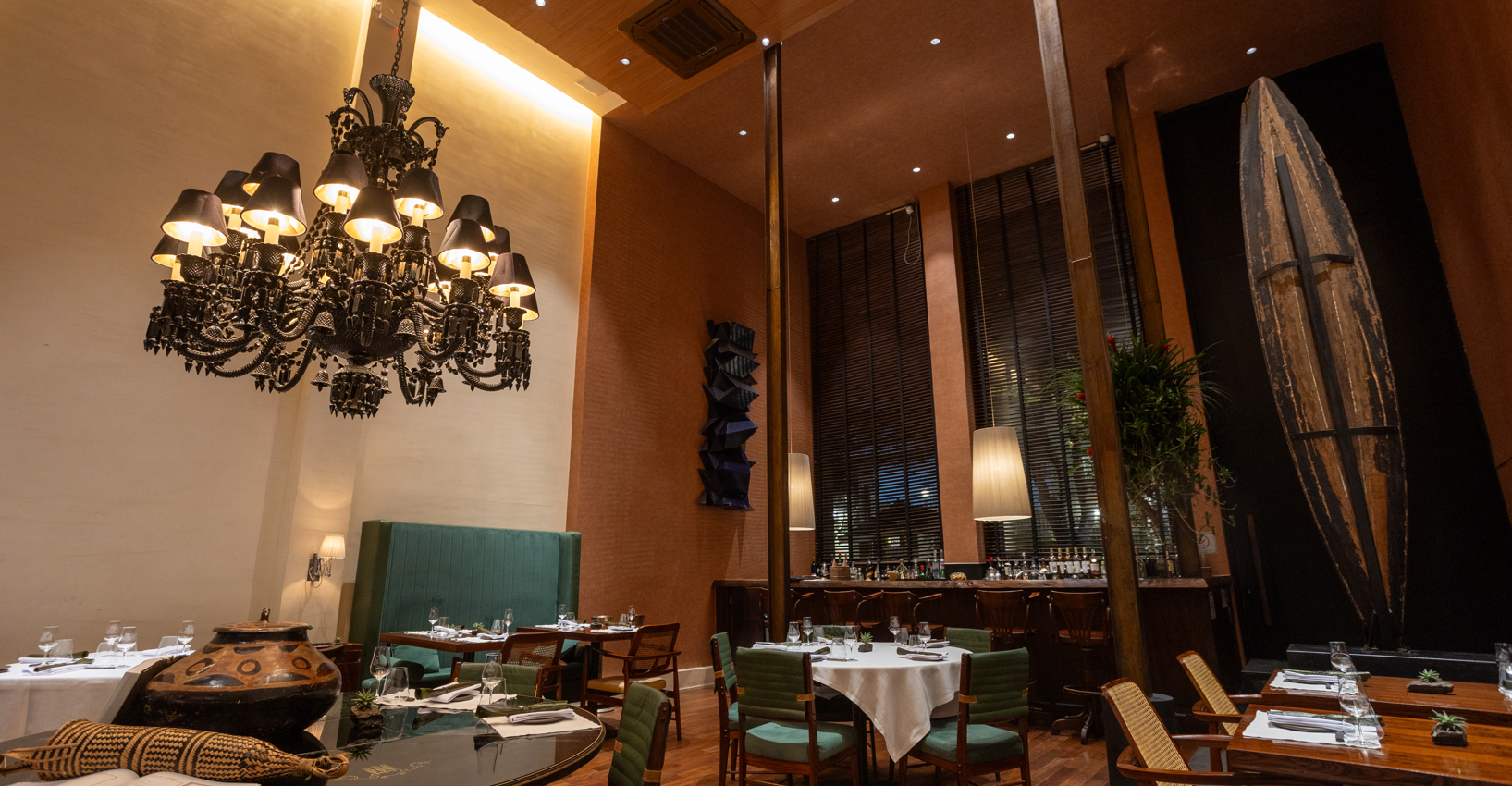
Modern Brazilian Amazonian Fine Dining
D.O.M.
São Paulo, Brazil
★★ · 50 Best
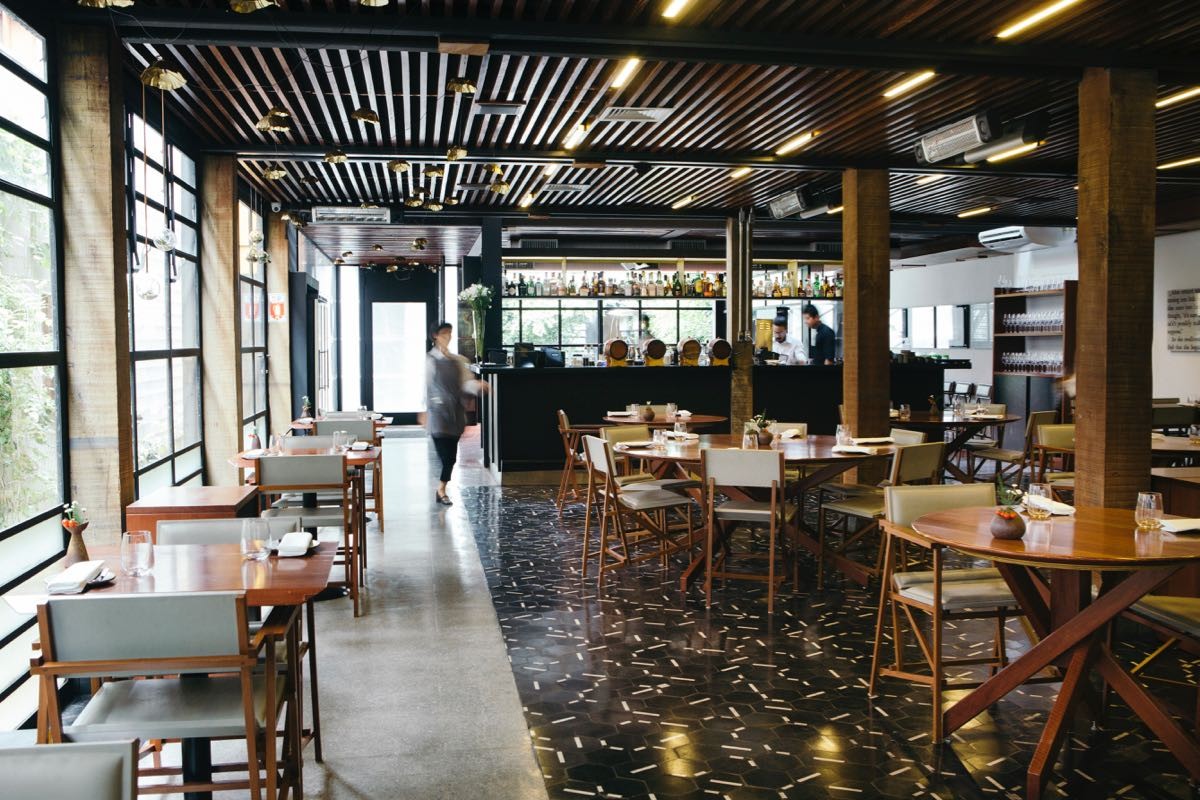
Modern Brazilian Fine Dining
Tuju
São Paulo, Brazil
★★★ · 50 Best
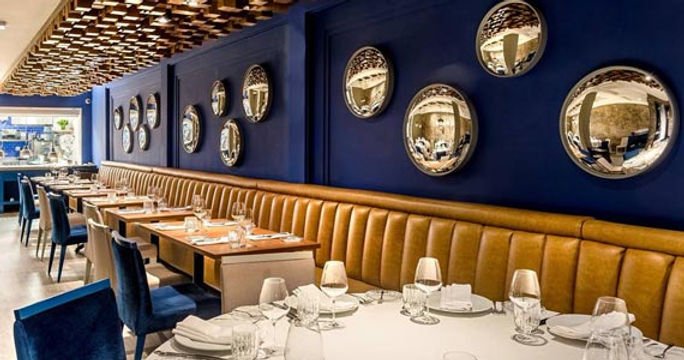
Modern Italian-Brazilian Fusion
Evvai
São Paulo, Brazil
★★★ · 50 Best
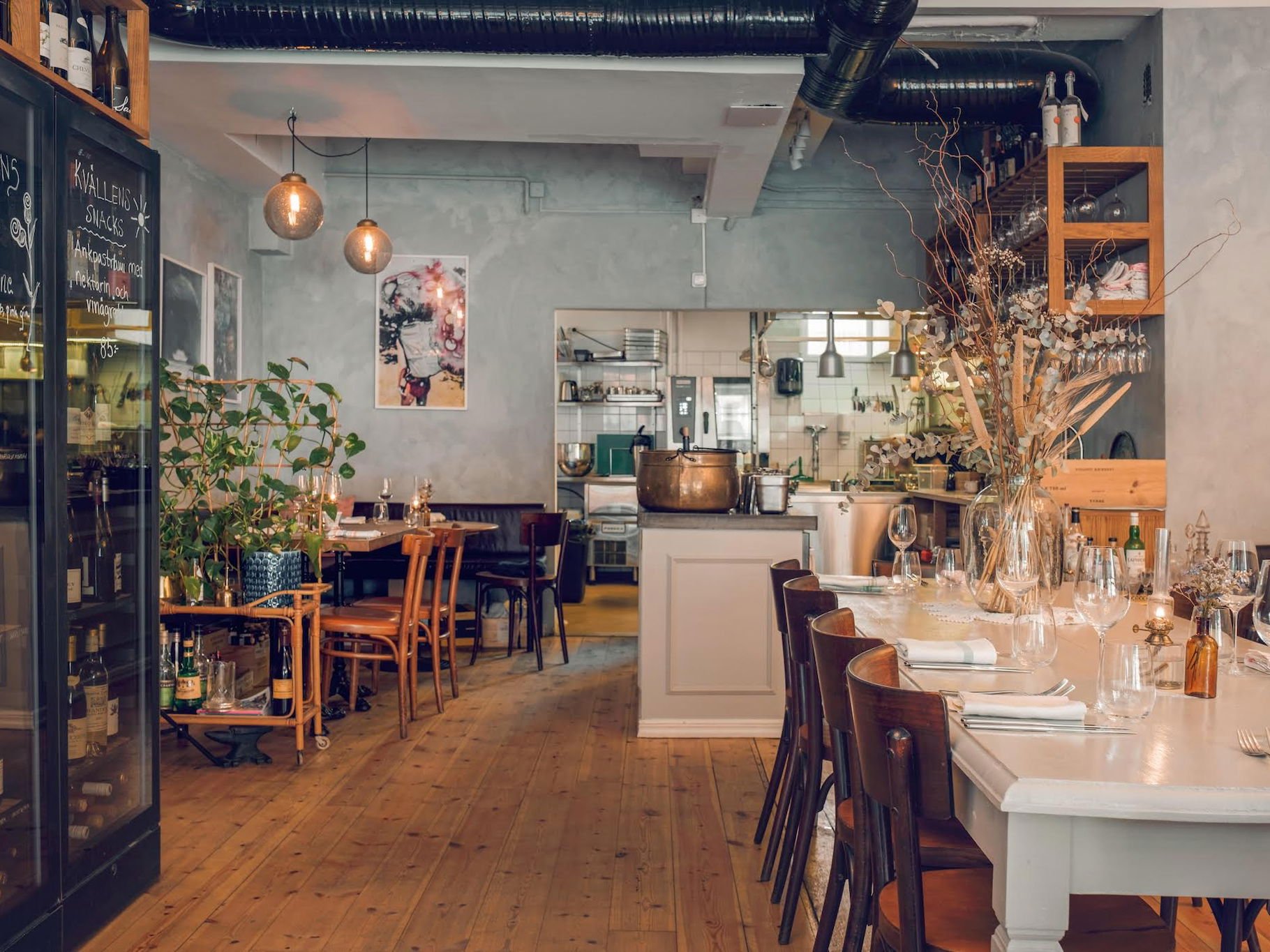
Modern Brazilian Pork-Centric
A Casa do Porco
São Paulo, Brazil
50 Best
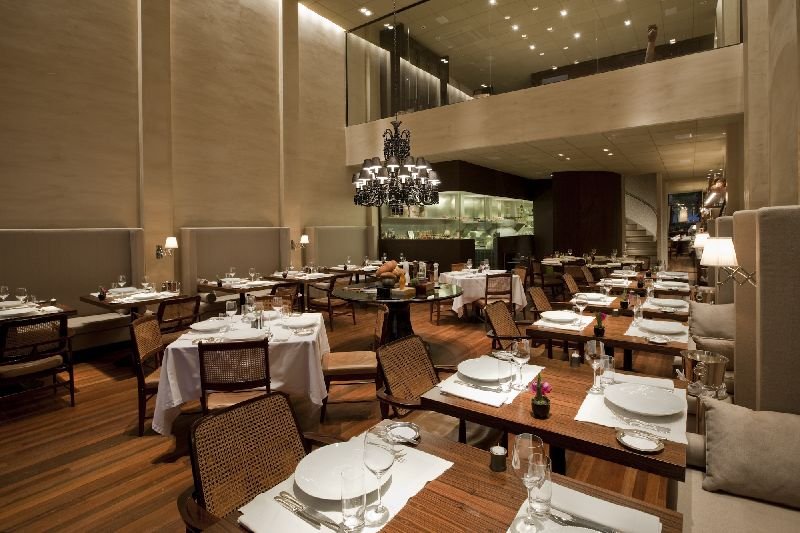
Modern Creative Brazilian
Maní
São Paulo, Brazil
★ · 50 Best
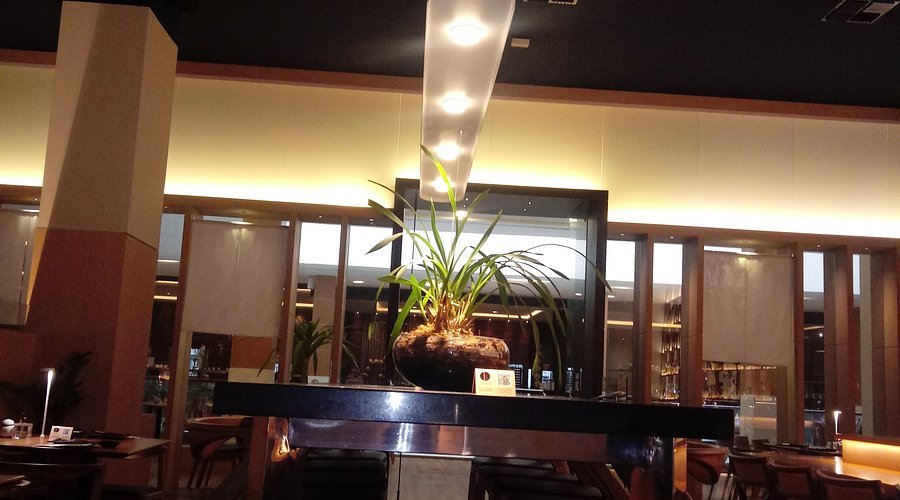
Japanese Omakase
Jun Sakamoto
São Paulo, Brazil
★