Made ByRestaurant
Charco
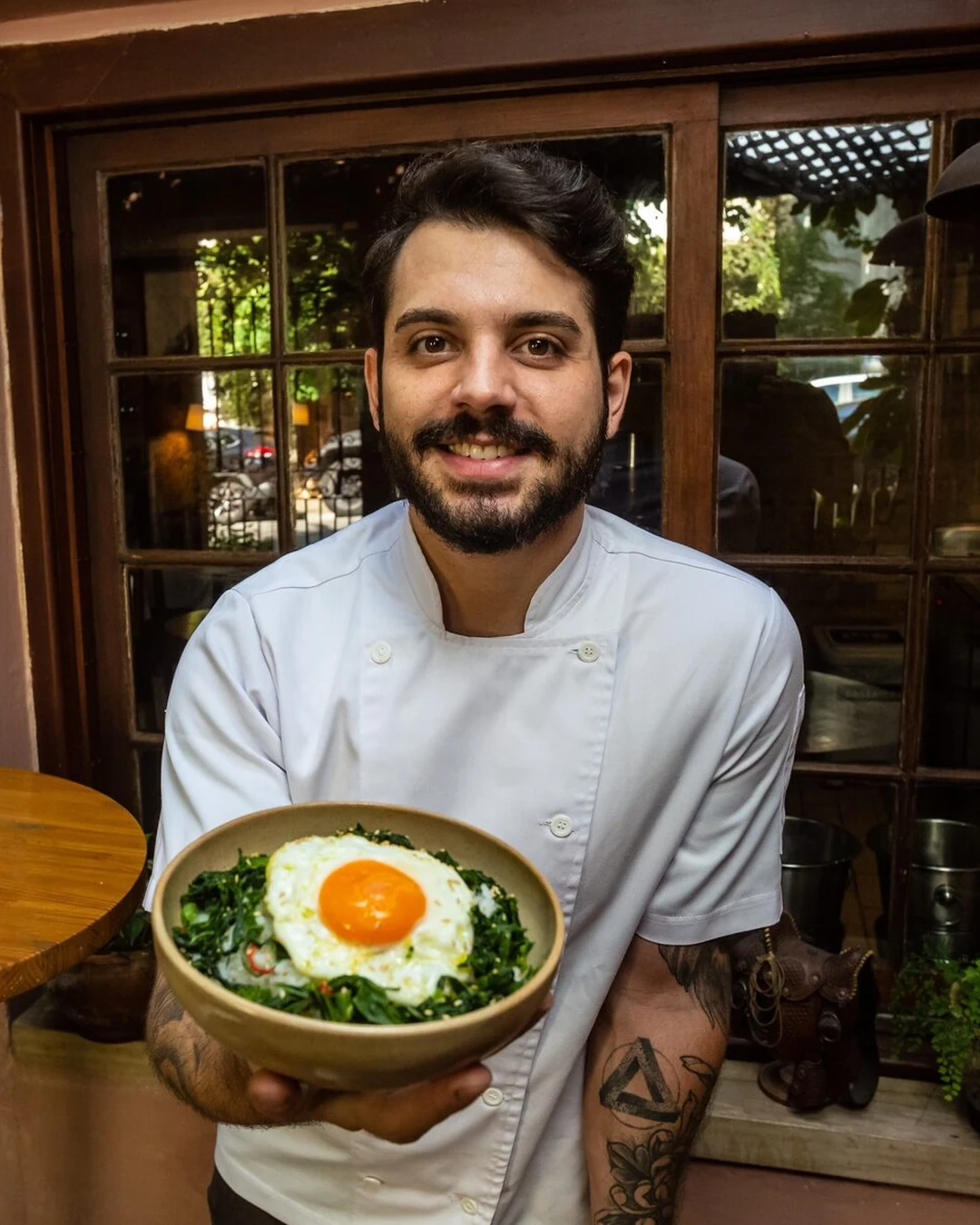
Chef in Residence
Tuca Mezzomo
Chef
- 01CuisineModern Brazilian with South American and Asian influences
- 02CitySão Paulo, Brazil
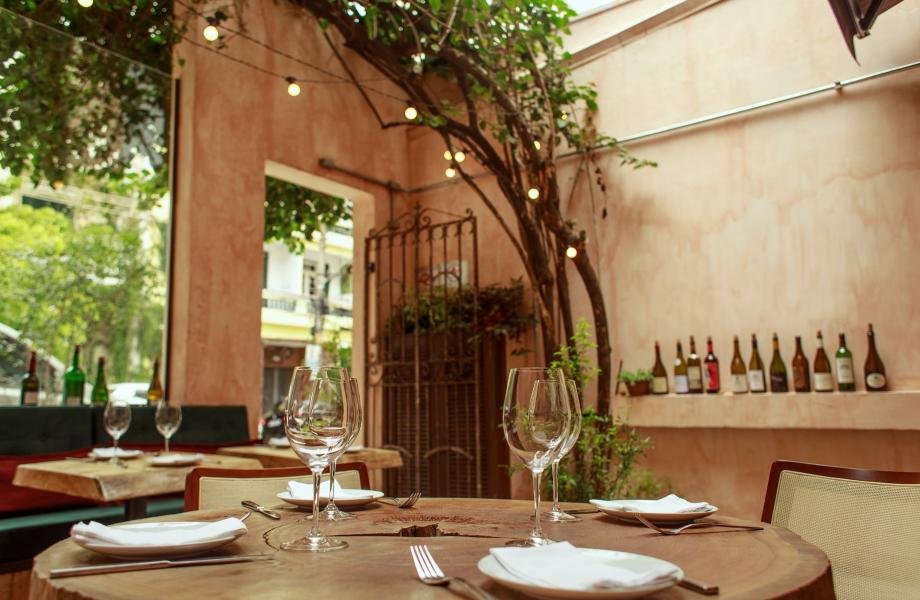
Charco belongs to São Paulo’s serious Brazilian dining conversation rather than its spectacle circuit. With Tuca Mezzomo named as chef and a 2026 Opinionated About Dining ranking at No. 76 in South America, it reads as a room for diners interested in ingredient-led Brazilian cooking, especially the way fire, grain, roots, and regional technique can carry a modern restaurant without turning into nostalgia.
At a glance
- Cuisine
- Modern Brazilian with South American and Asian influences
- Price
- $$$
- Per person
- $32
- Neighborhood
- Jardim Paulista
<p>Approaching a contemporary Brazilian restaurant in Jardim Paulista means entering one of São Paulo’s sharper dining zones: residential money, gallery traffic, medical-office punctuality, and enough restaurant density to punish any room relying on mood alone. Charco sits in that rhythm, where a meal must make its case quickly. Read it less as a chef’s showcase than as part of a broader São Paulo question: how can Brazilian cooking use native ingredients and inherited techniques without freezing them into folklore?</p><p>That matters in a city where the national table is too often reduced to feijoada, churrasco, Amazonian produce, or beach-state seafood. São Paulo’s stronger Brazilian kitchens work in the middle, treating corn, cassava, beans, smoke, dairy, and tropical acidity as building blocks rather than symbols. In that context, Charco’s place on the 2026 Opinionated About Dining Top Restaurants in South America list, ranked No. 76, is a useful signal. It puts the restaurant in a regional conversation judged by diners attentive to technique, not just décor or neighbourhood heat.</p><h2>Brazilian cooking seen through grain, fire, and restraint</h2><p>The assigned reference point is corn and masa, and the comparison is instructive even though Brazil is not Mexico. Nixtamalized masa culture builds a cuisine around an everyday staple made technical: corn transformed by alkaline cooking, ground into a living dough, then carried through tortillas, tamales, antojitos, and regional forms. Brazil’s corn traditions follow different lines, from pamonha and canjica to broths, cakes, couscous, and street food, but the lesson is similar. A serious kitchen can make foundational ingredients do the heavy lifting if it does not treat them as rustic decoration.</p><p>São Paulo exposes that difference well. The city has enough international dining to make imported formats routine, yet its stronger Brazilian restaurants increasingly draw authority from domestic materials: manioc flour, native fruits, freshwater fish, preserved peppers, Minas-style dairy, northeastern grains, and the logic of cooking over heat. Charco fits that movement through its Brazilian classification and chef attribution to Tuca Mezzomo, but the larger point is the category. Contemporary Brazilian dining now works less by announcing national pride than by proving humble ingredients can support a disciplined restaurant format.</p><p>That is where fire becomes more than theatre. In Brazil, smoke and charcoal carry associations from backyard churrasco to market cooking and regional preservation. In an ambitious São Paulo room, those associations need editing. Too much smoke flattens a menu; too little makes the promise decorative. The interest is calibration: bitterness against sweetness, char against acidity, fat against farinha or grain. The corn-and-masa lens asks whether a restaurant understands staple logic, not just premium sourcing. A kitchen built around elemental ingredients has to show control before asking for applause.</p><h2>Where Charco fits in São Paulo's Brazilian dining conversation</h2><p>Jardim Paulista gives this kind of restaurant a particular audience. The neighbourhood is central enough for business dinners, close to cultural itineraries, and polished enough that casualness usually comes with intent. That differs from the looser, daytime Brazilian cooking found elsewhere in the city. For that side of São Paulo, readers can use <a href="https://enprimeurclub.com/restaurants/a-baianeira-sao-paulo-restaurant">A Baianeira</a>, <a href="https://enprimeurclub.com/restaurants/ae-cafe-cozinha-sao-paulo-restaurant">AE! Café & Cozinha</a>, and <a href="https://enprimeurclub.com/restaurants/balaio-ims-sao-paulo-restaurant">Balaio IMS</a> as reference points for how Brazilian ingredients move through informal, cultural, and institutional settings. Charco belongs to the tighter evening-restaurant register, where technique and pacing carry more weight.</p><p>The city’s Brazilian dining field is broad; no single restaurant can stand in for it. Amazonian produce, northeastern comfort cooking, coastal seafood, bistro formats, and chef-led tasting structures all compete for attention. <a href="https://enprimeurclub.com/restaurants/banzeiro-sao-paulo-restaurant">Banzeiro</a> and <a href="https://enprimeurclub.com/restaurants/casa-rios-sao-paulo-restaurant">Casa Rios</a> point to other parts of that conversation, while our full São Paulo restaurants guide is better for mapping the city by neighbourhood and occasion. Charco’s distinction is its position in the recognized regional tier: OAD’s 2026 South America ranking gives external validation without turning the meal into an awards exercise.</p><p>For travellers, that matters because São Paulo rewards specificity. A visitor trying to understand Brazilian food through one dinner will get a distorted picture if choosing only by fame, tasting-menu length, or a dramatic room. The sharper approach is to choose by culinary argument. Charco’s argument, as public signals frame it, is Brazilian cooking in a composed urban register, with the chef credit and OAD ranking as credentials rather than the whole story.</p><h2>How to place it within a wider Brazil itinerary</h2><p>A São Paulo dining trip works better when restaurants are not isolated trophies. Pair a serious Brazilian dinner with bars, hotels, and cultural pacing that match the city’s scale. Our full São Paulo hotels guide, our full São Paulo bars guide, our full São Paulo wineries guide, and our full São Paulo experiences guide help set that frame. The point is not to over-schedule, but to understand how São Paulo dining sits inside a city of long distances, late meals, and neighbourhood-specific habits.</p><p>Beyond São Paulo, Brazilian cooking shifts quickly by region, climate, and produce. For a broader national route, useful contrasts include.Org Bistrô in Rio de Janeiro, 1929 Trattoria Moderna in Goiania, 360 Terra e Mar in Santa Cruz Do Sul, 74 Restaurant in Armacao Dos Buzios, Açaí Cuiabano in Cuiaba, Açai da Barra - Presidente Prudente in Presidente Prudente, and Aconchego Carioca, Brazilian in Rio de Janeiro. Brazilian cooking also travels abroad unevenly; Bucado, Brazilian in Marseille shows how export versions often clarify which ingredients and techniques carry identity across borders.</p><p>The editorial case for Charco is strongest for diners who want Brazilian cooking treated as a serious contemporary language, not a checklist of national references. The OAD ranking supplies one trust marker; the Jardim Paulista setting supplies urban context; Tuca Mezzomo’s chef credit supplies authorship. The rest of the value lies in how the meal handles the basics: grain, root, heat, acidity, and the discipline to let them read clearly.</p>
Know before you go
- Dress code
- smart_casual
- Reservations
- recommended
- Parking
- street
- Payment
- credit_card, debit_card, cash, contactless
- Groups
- Welcomed
Frequently asked
Is Charco good for families?
Charco can work for families that want a sit-down Brazilian meal in São Paulo, especially in Jardim Paulista. The OAD 2026 ranking and chef Tuca Mezzomo signal a restaurant geared toward a more serious dinner than a casual family lunch.
How would you describe the vibe at Charco?
Expect a focused Brazilian dining room in Jardim Paulista, not a noisy, all-purpose crowd-pleaser. Charco’s OAD 2026 ranking and chef Tuca Mezzomo place it in the serious end of São Paulo dining.
What kind of cuisine does Charco serve?
Charco serves Brazilian cuisine.
What part of town is Charco in?
Charco is located at Rua Peixoto Gomide, 1492 - Jardim Paulista, São Paulo - SP, 01409-002, Brazil, São Paulo, São Paulo, Brazil, São Paulo.
Address
Rua Peixoto Gomide, 1492 - Jardim Paulista, São Paulo - SP, 01409-002, Brazil, São Paulo , São Paulo, Brazil
Jardim Paulista
How it compares
- Awards
- —
- Cuisine
- Modern Brazilian with South American and Asian influences
- Notes
- Jardim Paulista, $$$
- Awards
- —
- Cuisine
- Brazilian Rodizio Steakhouse
- Notes
- Pinheiros, $$$
- Awards
- —
- Cuisine
- Authentic Peruvian with Amazonian Influences
- Notes
- Santa Cecilia, $$$
- Awards
- 2 recognitions
- Cuisine
- Brazilian-International Fusion Bistro
- Notes
- Consolacao, $$$$
- Awards
- Michelin Plate
- Cuisine
- Modern Brazilian Grill
- Notes
- Pinheiros, $$$
- Awards
- —
- Cuisine
- Modern Japanese Cuisine
- Notes
- Pinheiros, $$$$
In residence
Similar places
Modern Brazilian Amazonian Fine Dining
D.O.M.
São Paulo, Brazil
★★ · 50 Best
Modern Brazilian Fine Dining
Tuju
São Paulo, Brazil
★★★ · 50 Best
Modern Italian-Brazilian Fusion
Evvai
São Paulo, Brazil
★★★ · 50 Best
Modern Brazilian Pork-Centric
A Casa do Porco
São Paulo, Brazil
50 Best
Modern Creative Brazilian
Maní
São Paulo, Brazil
★ · 50 Best
Japanese Omakase
Jun Sakamoto
São Paulo, Brazil
★