
From the people index
Recommended by
One trusted voice points here.
Kabab and bread at the grill
- Michelin Bib Gourmand · Michelin Guide
- Opinionated About Dining Casual in Europe Recommended · 2026
- Michelin Bib Gourmand · 2026
- Michelin Bib Gourmand · 2025
- The Good Food Guide GFG Good · 2025
- Michelin Bib Gourmand · 2024
Grill heat before rice
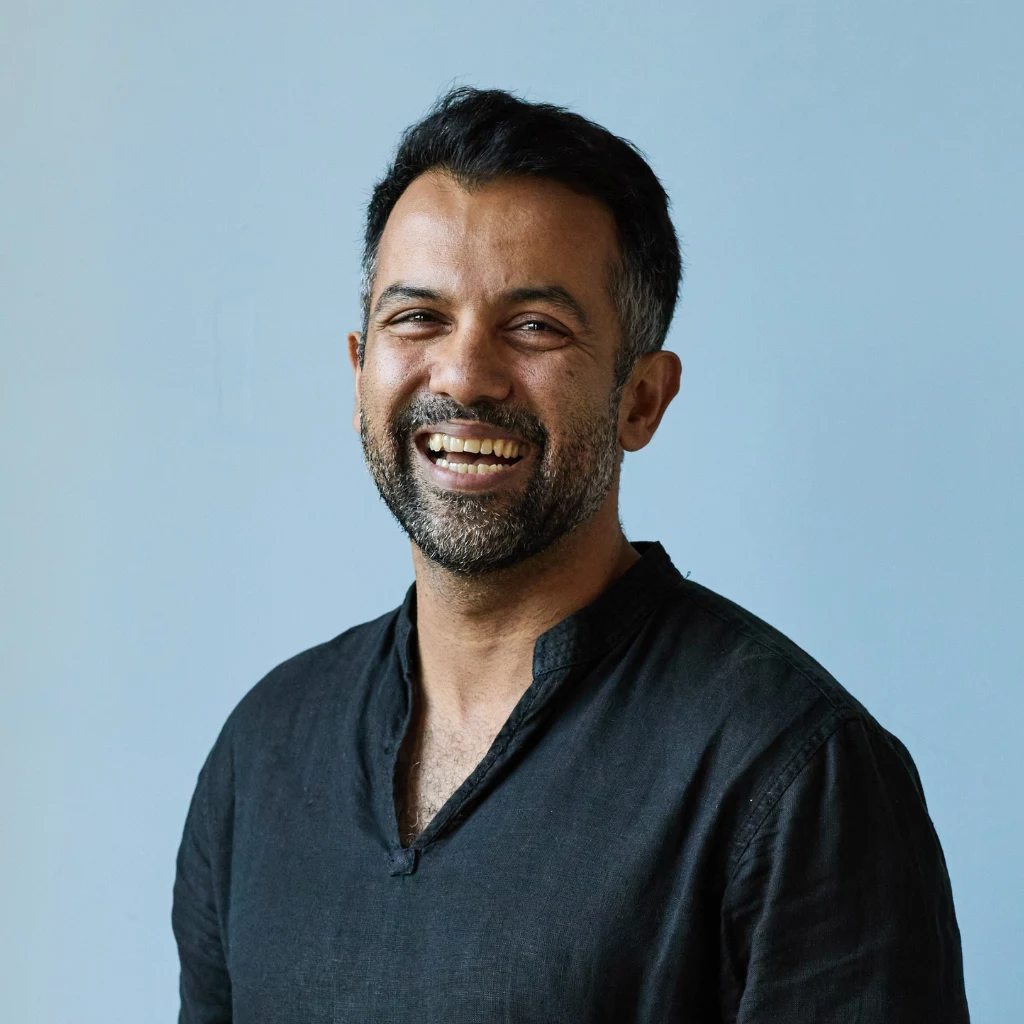
The bread and kabab sit close to the fire; Kian Samyani, chef at Berenjak in Soho, London, builds the meal around that nearness. His Persian cooking starts with family recipes, childhood visits to Iran, and the shared table, then passes through the pressure of service. At Berenjak, founded in 2018, Samyani made the choice that still gives the restaurant its centre of gravity: kebab and bread before the more familiar kebab-and-rice pairing. That shift changes the hands at the table. Guests tear, pass, fold, dip, and return to the grill. Samyani worked earlier as a development chef at Brigadiers, where fire, texture, flavour, and timing had to meet the pace of a full room. He did not leave memory behind when he came to this station. He sharpened it. The food here carries Tehran street eating, family gatherings, and professional control in the same service, with heritage treated as working material rather than display.
Kabab, mazeh, and the working flame
The program is built on charcoal-grilled kababs and mazeh, with small plates moving beside bread, dips, salads, pickles, and grilled meat. The house signatures name the frame plainly: hummus, koobideh kabab, and mirza ghasemi. Samyani also works from a broader Persian register, with dishes such as chelow kabab chenjeh, baghali polow ba mahiche, and zereshk pollow marking the range between grill, rice, richness, and brightness. At the pass, the craft is not novelty. It is repetition under heat. Koobideh asks for tenderness and grip; bread asks to arrive while it still carries warmth; mazeh asks for enough acidity and seasoning to keep returning to the table without tiring it. Berenjak holds a Michelin Bib Gourmand, and its award record stands at 5 in total, with 2 current-year awards and 3 from previous years. The numbers matter less than the discipline they point to: an à la carte restaurant where the grill must answer every service.
The Sunday letter
Find new places through the people who run them.
Our Sunday email brings you the chefs, winemakers and hoteliers behind our newest stories. See a sample before you subscribe.
See a sample of the Sunday emailOne email a week. Unsubscribe from any issue.
A narrow room with the kitchen in view
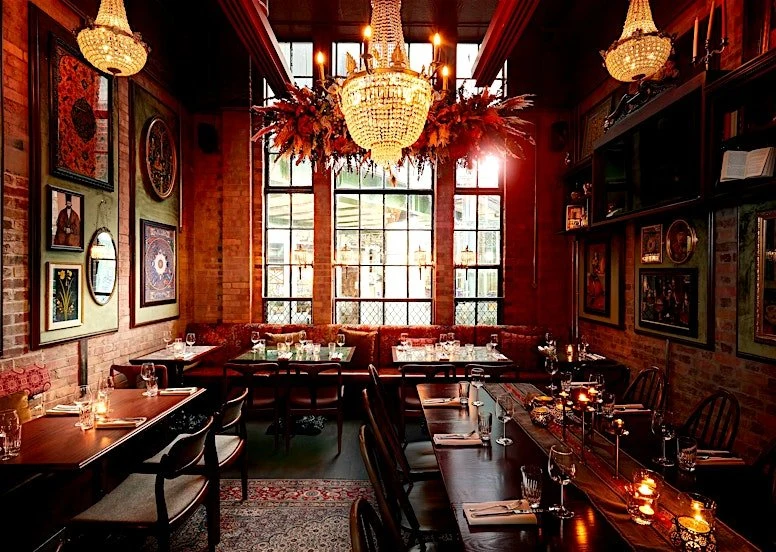
The room keeps the work close. Exposed brick, distressed plaster, snug leatherette booths, and open kitchen views give the Soho site the feel Samyani wanted from informal Iranian eating places, handled with enough polish for London service. Flame is part of the room’s texture, not a hidden process. The tandoor and mangal barbecue are visible; the counter and the pass sit inside the noise of a lively, intimate restaurant. In that setting, shared plates make practical sense. The table fills in stages, bread first or close to first, then dips, smoke, char, and the small corrections that happen between kitchen and floor. Samyani has described the emotional frame as “family and culture, past, present, and future.” At Berenjak, that sentence resolves in the koobideh kabab.
Questions
Frequently asked
Who is behind Berenjak in Soho?
Kian Samyani is the chef at Berenjak in Soho, London. The restaurant was founded in 2018, and his cooking draws on family recipes, childhood visits to Iran, and work as a development chef at Brigadiers.
What kind of food does Berenjak serve?
Berenjak serves Persian kebabs and mazeh. The menu is built around charcoal-grilled kababs, bread, small plates, dips, salads, pickles, and grilled meat.
What are the dishes the restaurant is known for?
The house signatures are hummus, koobideh kabab, and mirza ghasemi. Other dishes mentioned include chelow kabab chenjeh, baghali polow ba mahiche, and zereshk pollow.
What sort of room is it?
The Soho site is a narrow room with exposed brick, distressed plaster, snug leatherette booths, and open kitchen views. The tandoor and mangal barbecue are visible, and the kitchen sits close to the dining room.
Is Berenjak hard to book?
Reservations are recommended, and bookings are made through SevenRooms. The restaurant is casual, and it has a Michelin Bib Gourmand.
The field
How it compares
| Place | Cuisine | Notes | Awards |
|---|---|---|---|
| Berenjak | Persian Kebabs & Mazeh | Soho, $$ | · |
| CORE by Clare Smyth | Modern British Fine Dining | London | Michelin 3 Stars, World's 50 Best |
| Ikoyi | Modern West African Fine Dining | London | Michelin 2 Stars, World's 50 Best |
| Kitchen Table | Modern British Fine Dining | London | Michelin 2 Stars |
| KOL | Modern Mexican Fine Dining | London | Michelin 1 Star, World's 50 Best |
| Row on 5 | Modern British Fine Dining with Mediterranean & Asian Influences | London | Michelin 2 Stars |
| The Ledbury | Modern British Fine Dining | London | Michelin 3 Stars, World's 50 Best |
In residence
Similar places
Modern British Fine Dining
CORE by Clare Smyth
London, United Kingdom
★★★ · 50 Best
Modern West African Fine Dining
Ikoyi
London, United Kingdom
★★ · 50 Best
Modern British Fine Dining
Kitchen Table
London, United Kingdom
★★
Modern Mexican Fine Dining
KOL
London, United Kingdom
★ · 50 Best
Modern British Fine Dining with Mediterranean & Asian Influences
Row on 5
London, United Kingdom
★★
Modern British Fine Dining
The Ledbury
London, United Kingdom
★★★ · 50 Best

The Sunday letter
Get the next Made By story in your inbox.
We send one email every Sunday morning with the places and people we covered that week.
See a sample of the Sunday emailOne email a week. Unsubscribe from any issue.